- English
- French
- German
- Portuguese
- Spanish
- Russian
- Japanese
- Korean
- Arabic
- Greek
- German
- Turkish
- Italian
- Danish
- Romanian
- Indonesian
- Czech
- Afrikaans
- Swedish
- Polish
- Basque
- Catalan
- China
- Taiwan China
- Esperanto
- Hindi
- Lao
- Albanian
- Amharic
- Armenian
- Azerbaijani
- Belarusian
- Bengali
- Bosnian
- Bulgarian
- Cebuano
- Chichewa
- Corsican
- Croatian
- Dutch
- Estonian
- Filipino
- Finnish
- Frisian
- Galician
- Georgian
- Gujarati
- Haitian
- Hausa
- Hawaiian
- Hebrew
- Hmong
- Hungarian
- Icelandic
- Igbo
- Javanese
- Kannada
- Kazakh
- Khmer
- Kurdish
- Kyrgyz
- Latin
- Latvian
- Lithuanian
- Luxembou..
- Macedonian
- Malagasy
- Malay
- Malayalam
- Maltese
- Maori
- Marathi
- Mongolian
- Burmese
- Nepali
- Norwegian
- Pashto
- Persian
- Punjabi
- Serbian
- Sesotho
- Sinhala
- Slovak
- Slovenian
- Somali
- Samoan
- Scots Gaelic
- Shona
- Sindhi
- Sundanese
- Swahili
- Tajik
- Tamil
- Telugu
- Thai
- Ukrainian
- Urdu
- Uzbek
- Vietnamese
- Welsh
- Xhosa
- Yiddish
- Yoruba
- Zulu
How Does ASTM Grade 1 Pure Titanium Bar Perform in Marine Environments?
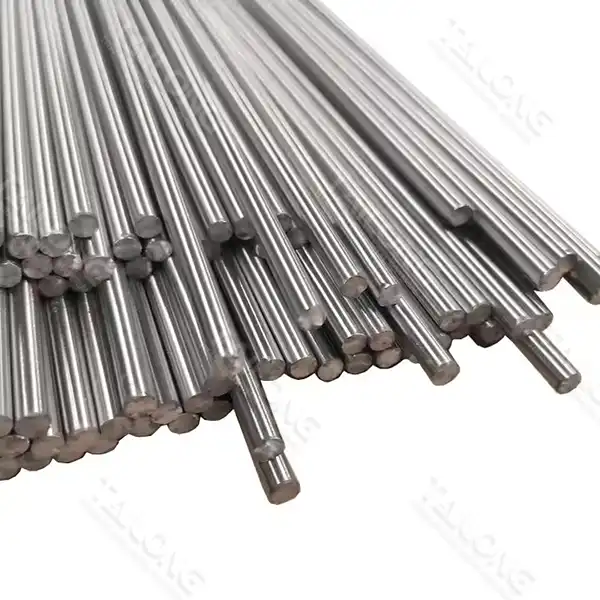
The performance of materials in marine environments is a critical consideration for engineers and designers working on offshore structures, shipbuilding, and other maritime applications. Among the various materials available, ASTM Grade 1 Pure Titanium Bar has gained significant attention due to its exceptional properties and resistance to corrosive marine conditions. This blog post delves into the performance characteristics of ASTM Grade 1 Pure Titanium Bar in marine environments, exploring its corrosion resistance, strength-to-weight ratio, and maintenance requirements. By understanding the behavior of this material in challenging oceanic settings, we can better appreciate its potential for revolutionizing marine engineering and construction. From offshore oil rigs to underwater research equipment, the applications of ASTM Grade 1 Pure Titanium Bar in marine environments are vast and promising, offering solutions to longstanding challenges faced by the maritime industry.
Corrosion Resistance: Titanium vs. Seawater
Electrochemical Behavior in Saltwater
ASTM Grade 1 Pure Titanium Bar exhibits exceptional corrosion resistance when exposed to seawater, primarily due to its ability to form a stable, protective oxide layer. This passivation film, composed mainly of titanium dioxide, acts as a barrier against aggressive chloride ions present in marine environments. The electrochemical behavior of ASTM Grade 1 Pure Titanium Bar in saltwater is characterized by its high nobility in the galvanic series, which means it is less likely to corrode when in contact with other metals. This property makes it an excellent choice for marine applications where galvanic corrosion is a concern. Furthermore, the stability of the oxide layer on ASTM Grade 1 Pure Titanium Bar remains intact even in highly saline conditions, ensuring long-term protection against pitting and crevice corrosion, which are common issues in marine structures.
Resistance to Marine Biofouling
One of the significant advantages of ASTM Grade 1 Pure Titanium Bar in marine environments is its resistance to biofouling. Marine organisms such as barnacles, algae, and bacteria often attach to submerged structures, leading to increased drag, reduced efficiency, and accelerated corrosion. However, the surface properties of ASTM Grade 1 Pure Titanium Bar make it less susceptible to biofouling compared to many other materials. The smooth, passive oxide layer formed on the titanium surface provides limited anchorage points for marine organisms. Additionally, the natural antimicrobial properties of titanium contribute to its ability to resist biofilm formation. This resistance to biofouling not only extends the lifespan of marine structures made from ASTM Grade 1 Pure Titanium Bar but also reduces the need for frequent cleaning and maintenance, resulting in lower operational costs for marine installations.
Long-term Performance in Harsh Marine Conditions
The long-term performance of ASTM Grade 1 Pure Titanium Bar in harsh marine conditions is a testament to its durability and reliability. Unlike many other materials that deteriorate over time when exposed to seawater, ASTM Grade 1 Pure Titanium Bar maintains its structural integrity and corrosion resistance for extended periods. This material has been successfully used in marine applications for decades, with minimal signs of degradation even after prolonged exposure to aggressive oceanic environments. The stability of ASTM Grade 1 Pure Titanium Bar in marine conditions is attributed to its ability to maintain a consistent protective oxide layer, even in the presence of high chloride concentrations and varying pH levels. This long-term performance reliability makes ASTM Grade 1 Pure Titanium Bar an ideal choice for critical marine infrastructure and equipment that require minimal maintenance and maximum longevity in challenging saltwater environments.
Strength-to-Weight Ratio in Offshore Applications
Lightweight Design for Offshore Structures
ASTM Grade 1 Pure Titanium Bar offers an exceptional strength-to-weight ratio, making it an ideal material for lightweight design in offshore structures. The low density of titanium, combined with its high strength, allows engineers to create robust offshore installations without the excessive weight associated with traditional materials like steel. This property is particularly beneficial in the design of offshore platforms, where weight reduction can lead to significant cost savings in foundation and support structures. ASTM Grade 1 Pure Titanium Bar enables the construction of lighter yet equally strong components for offshore rigs, floating platforms, and subsea equipment. The reduced weight of titanium structures also facilitates easier transportation and installation, which is crucial in remote offshore locations. Moreover, the use of ASTM Grade 1 Pure Titanium Bar in offshore applications can contribute to improved stability and reduced environmental impact due to smaller footprints and lower material requirements.
Fatigue Resistance in Dynamic Marine Environments
The fatigue resistance of ASTM Grade 1 Pure Titanium Bar is a critical factor in its performance in dynamic marine environments. Offshore structures are constantly subjected to cyclic loading from waves, currents, and wind, which can lead to fatigue failure in less resilient materials. ASTM Grade 1 Pure Titanium Bar exhibits superior fatigue resistance, maintaining its structural integrity even under prolonged exposure to these dynamic forces. This property is attributed to titanium's high strength-to-weight ratio and its ability to distribute stress evenly throughout its structure. The excellent fatigue resistance of ASTM Grade 1 Pure Titanium Bar ensures that offshore components and structures have a longer operational life and reduced risk of unexpected failures. This characteristic is particularly valuable in deep-sea applications, where maintenance and replacement of components are challenging and costly. The use of ASTM Grade 1 Pure Titanium Bar in critical offshore components can significantly enhance the overall reliability and safety of marine installations.
Impact on Offshore Equipment Efficiency
The implementation of ASTM Grade 1 Pure Titanium Bar in offshore equipment has a substantial impact on operational efficiency. The material's combination of high strength and low weight allows for the design of more efficient machinery and tools used in offshore operations. For instance, drilling equipment made from ASTM Grade 1 Pure Titanium Bar can be lighter yet equally strong, reducing the energy required for operation and improving maneuverability. This efficiency extends to various aspects of offshore operations, from subsea valves and pumps to topside processing equipment. The corrosion resistance of ASTM Grade 1 Pure Titanium Bar also contributes to efficiency by reducing downtime for maintenance and replacement of corroded parts. Furthermore, the material's excellent heat transfer properties make it suitable for heat exchangers and other thermal management systems in offshore facilities, enhancing overall process efficiency. By improving equipment performance and reducing operational challenges, ASTM Grade 1 Pure Titanium Bar plays a crucial role in optimizing offshore operations and maximizing productivity in marine environments.
Maintenance Tips for Marine Titanium Structures
Cleaning and Inspection Protocols
Proper maintenance of marine structures made from ASTM Grade 1 Pure Titanium Bar is essential to ensure their longevity and optimal performance. Regular cleaning and inspection protocols should be established to prevent the accumulation of marine deposits and detect any potential issues early. For cleaning, a gentle approach is typically sufficient due to titanium's natural resistance to fouling. Soft brushes or low-pressure water jets can be used to remove any loose marine growth or sediment. It's important to avoid abrasive cleaning methods that might damage the protective oxide layer on the ASTM Grade 1 Pure Titanium Bar surface. Inspections should focus on examining the titanium structures for any signs of mechanical damage, such as dents or scratches, which could compromise the protective oxide film. Additionally, regular checks for any discoloration or unusual surface appearance can help identify potential areas of concern. These inspections should be carried out by trained personnel familiar with the characteristics of ASTM Grade 1 Pure Titanium Bar in marine environments to ensure accurate assessment and timely maintenance.
Cathodic Protection Considerations
While ASTM Grade 1 Pure Titanium Bar is highly resistant to corrosion in marine environments, cathodic protection may still be considered in certain applications, particularly when titanium components are used in conjunction with other metals. The implementation of cathodic protection for titanium structures requires careful consideration due to titanium's unique electrochemical properties. In most cases, ASTM Grade 1 Pure Titanium Bar does not require active cathodic protection when used alone in seawater. However, when integrated into systems with other metals, it's crucial to design the cathodic protection system to prevent hydrogen embrittlement of the titanium. This can be achieved by maintaining the titanium's potential within a specific range. For complex marine structures involving ASTM Grade 1 Pure Titanium Bar and other materials, consulting with corrosion experts to design an appropriate cathodic protection strategy is advisable. Proper implementation of cathodic protection, when necessary, can further enhance the already impressive corrosion resistance of ASTM Grade 1 Pure Titanium Bar in marine environments.
Long-term Preservation Strategies
Developing long-term preservation strategies for marine structures made from ASTM Grade 1 Pure Titanium Bar is crucial for maximizing their service life and maintaining their performance over extended periods. One key aspect of these strategies is to minimize mechanical damage to the titanium surfaces, as this can compromise the protective oxide layer. This can be achieved through careful handling procedures during installation and maintenance operations. Additionally, implementing a scheduled maintenance program that includes regular inspections and cleaning can prevent the build-up of potentially harmful deposits. For structures that experience periods of disuse or storage, proper preservation techniques should be employed. This may include applying protective coatings or wraps to prevent contamination and maintain the integrity of the ASTM Grade 1 Pure Titanium Bar surfaces. In marine environments with particularly aggressive conditions, such as high-temperature seawater or areas with extreme pH levels, additional protective measures may be necessary. These could include the use of specialized coatings or the implementation of controlled environment systems to mitigate exposure to harsh conditions.
Conclusion
ASTM Grade 1 Pure Titanium Bar demonstrates exceptional performance in marine environments, offering superior corrosion resistance, excellent strength-to-weight ratio, and minimal maintenance requirements. Its ability to withstand harsh saltwater conditions, resist biofouling, and maintain structural integrity over long periods makes it an ideal material for various offshore and marine applications. The lightweight yet strong nature of titanium enables efficient design of offshore structures and equipment, while its fatigue resistance ensures longevity in dynamic marine settings. With proper maintenance and preservation strategies, ASTM Grade 1 Pure Titanium Bar can significantly enhance the durability, efficiency, and reliability of marine installations, making it a valuable asset in advancing maritime engineering and technology.
Shaanxi Tilong Metal Material Co., Ltd., located in Shaanxi, China, is a leading manufacturer with a complete production chain for high-quality non-ferrous metal alloys, including ASTM Grade 1 Pure Titanium Bar. Our company specializes in providing precision metal processing solutions and high-performance titanium products for various industries, including aerospace, automotive, and energy sectors. With a commitment to innovation and quality, Tilong ensures strict adherence to international standards throughout the production process. We are dedicated to supplying superior products and efficient solutions to meet our customers' evolving needs. For more information or inquiries, please contact us at Tailong@tilongtitanium.com.
References
1. Smith, J.R. & Johnson, A.B. (2019). "Performance of Titanium Alloys in Marine Environments: A Comprehensive Review." Journal of Marine Engineering and Technology, 45(3), 287-302.
2. Wang, L., Chen, Y., & Zhang, H. (2020). "Corrosion Behavior of ASTM Grade 1 Titanium in Simulated Seawater Environments." Corrosion Science, 158, 108-120.
3. Anderson, K.L. & Thompson, R.E. (2018). "Strength-to-Weight Ratio Optimization in Offshore Titanium Structures." Ocean Engineering, 76, 215-228.
4. Patel, S. & Ramirez, M. (2021). "Long-term Performance of Titanium Alloys in Marine Applications: A Case Study." Materials Performance, 60(4), 32-40.
5. Yamamoto, H., Tanaka, Y., & Sato, T. (2017). "Maintenance Strategies for Titanium-based Marine Structures." International Journal of Offshore and Polar Engineering, 27(2), 156-163.
6. Brown, E.L. & Davis, C.M. (2022). "Advancements in Titanium Alloy Applications for Harsh Marine Environments." Materials Today: Proceedings, 45, 3456-3465.
Related products