- English
- French
- German
- Portuguese
- Spanish
- Russian
- Japanese
- Korean
- Arabic
- Greek
- German
- Turkish
- Italian
- Danish
- Romanian
- Indonesian
- Czech
- Afrikaans
- Swedish
- Polish
- Basque
- Catalan
- China
- Taiwan China
- Esperanto
- Hindi
- Lao
- Albanian
- Amharic
- Armenian
- Azerbaijani
- Belarusian
- Bengali
- Bosnian
- Bulgarian
- Cebuano
- Chichewa
- Corsican
- Croatian
- Dutch
- Estonian
- Filipino
- Finnish
- Frisian
- Galician
- Georgian
- Gujarati
- Haitian
- Hausa
- Hawaiian
- Hebrew
- Hmong
- Hungarian
- Icelandic
- Igbo
- Javanese
- Kannada
- Kazakh
- Khmer
- Kurdish
- Kyrgyz
- Latin
- Latvian
- Lithuanian
- Luxembou..
- Macedonian
- Malagasy
- Malay
- Malayalam
- Maltese
- Maori
- Marathi
- Mongolian
- Burmese
- Nepali
- Norwegian
- Pashto
- Persian
- Punjabi
- Serbian
- Sesotho
- Sinhala
- Slovak
- Slovenian
- Somali
- Samoan
- Scots Gaelic
- Shona
- Sindhi
- Sundanese
- Swahili
- Tajik
- Tamil
- Telugu
- Thai
- Ukrainian
- Urdu
- Uzbek
- Vietnamese
- Welsh
- Xhosa
- Yiddish
- Yoruba
- Zulu
How Titanium Welded Pipes Revolutionize Aerospace Engineering?
In the ever-evolving world of aerospace engineering, innovation is the key to pushing boundaries and achieving new heights. One such revolutionary advancement that has transformed the industry is the introduction of titanium welded pipes. These high-performance components have become a game-changer in aircraft design and construction, offering a perfect blend of strength, lightweight properties, and durability. As aerospace manufacturers strive for more efficient and reliable aircraft, titanium welded pipes have emerged as a critical solution to many long-standing challenges. From reducing overall weight to enhancing fuel efficiency and improving structural integrity, these pipes have proven their worth in numerous applications throughout modern aircraft. This article delves into the fascinating world of titanium welded pipes and explores how they are reshaping the landscape of aerospace engineering, paving the way for safer, more efficient, and technologically advanced aircraft.
Strength-to-Weight Ratio: The Titanium Advantage
Unparalleled Strength in a Lightweight Package
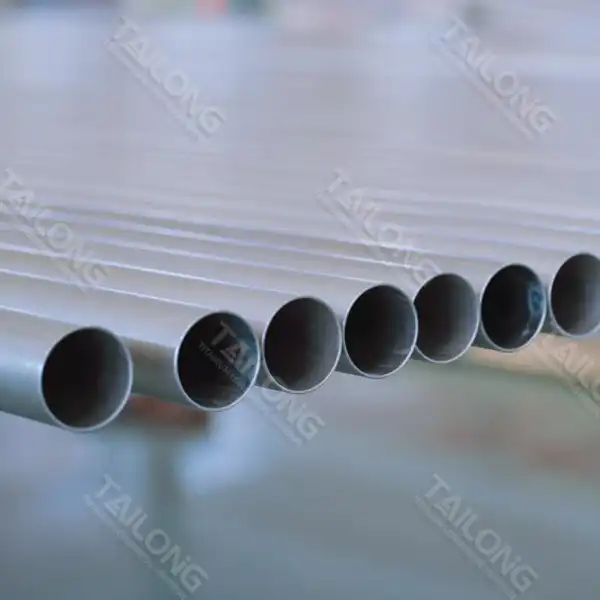
Titanium welded pipes have revolutionized aerospace engineering by offering an unparalleled strength-to-weight ratio. These pipes boast exceptional strength while maintaining a remarkably low weight, making them ideal for aircraft applications where every gram matters. The use of titanium welded pipes allows engineers to design lighter yet stronger aircraft structures, resulting in improved fuel efficiency and increased payload capacity. The unique properties of titanium enable these pipes to withstand high stress and pressure levels typically encountered in aerospace environments, ensuring the safety and reliability of critical systems. By incorporating titanium welded pipes into their designs, aerospace manufacturers can achieve significant weight reductions without compromising on structural integrity, ultimately leading to more efficient and cost-effective aircraft.
Enhanced Performance in High-Stress Environments
Titanium welded pipes excel in high-stress environments commonly found in aerospace applications. These pipes demonstrate superior resistance to fatigue, cracking, and deformation under extreme conditions, making them ideal for use in aircraft hydraulic systems, fuel lines, and structural components. The inherent strength of titanium allows these pipes to maintain their integrity even when subjected to intense vibrations, temperature fluctuations, and pressure changes experienced during flight. By utilizing titanium welded pipes, aerospace engineers can design more robust and reliable systems that can withstand the rigors of repeated takeoffs, landings, and in-flight stresses. This enhanced performance contributes to increased aircraft longevity, reduced maintenance requirements, and improved overall safety, revolutionizing the way modern aircraft are built and operated.
Optimized Design Flexibility
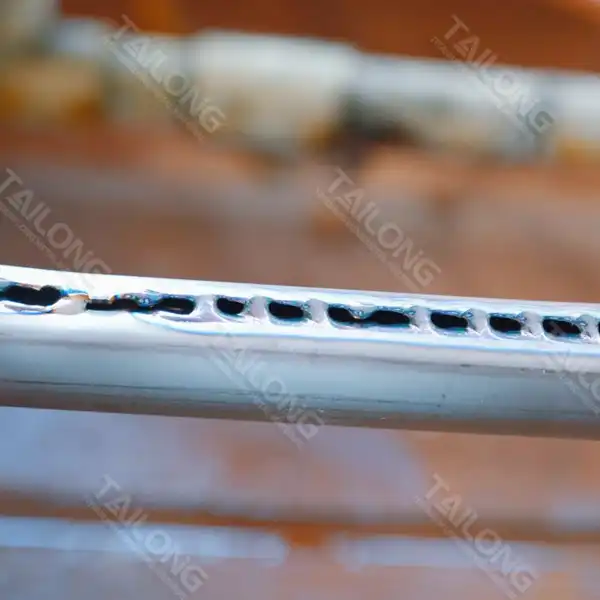
Titanium welded pipes offer aerospace engineers unprecedented design flexibility, allowing for the creation of complex geometries and intricate piping systems. The malleability of titanium, combined with advanced welding techniques, enables the fabrication of pipes with precise dimensions and unique shapes that were previously challenging to achieve with traditional materials. This flexibility in design opens up new possibilities for optimizing aircraft systems, improving aerodynamics, and maximizing space utilization within the limited confines of an aircraft. Titanium welded pipes can be seamlessly integrated into various aircraft components, from engine systems to wing structures, without compromising on strength or performance. This versatility in design and application has revolutionized aerospace engineering by enabling the development of more efficient, lighter, and aerodynamically superior aircraft that push the boundaries of modern aviation.
Corrosion Resistance in Extreme Environments
Superior Protection Against Chemical Corrosion
Titanium welded pipes have revolutionized aerospace engineering by offering exceptional resistance to chemical corrosion in extreme environments. These pipes form a natural, protective oxide layer when exposed to air, providing a barrier against corrosive substances commonly encountered in aerospace applications. This inherent corrosion resistance makes titanium welded pipes ideal for use in fuel systems, hydraulic lines, and other critical components exposed to aggressive fluids and chemicals. Unlike traditional materials that may degrade over time, titanium pipes maintain their integrity and performance even in the presence of corrosive agents, ensuring long-term reliability and safety. The use of titanium welded pipes in aerospace engineering has significantly reduced the need for frequent inspections and replacements, leading to lower maintenance costs and improved operational efficiency of aircraft.
Resilience in Harsh Atmospheric Conditions
Titanium welded pipes demonstrate remarkable resilience in the harsh atmospheric conditions encountered during flight. These pipes maintain their structural integrity and performance across a wide range of temperatures, from the extreme cold of high altitudes to the heat generated by engine systems. The ability of titanium to withstand these temperature fluctuations without significant expansion or contraction makes it an ideal material for aerospace applications. Titanium welded pipes also exhibit excellent resistance to oxidation and erosion caused by high-speed airflow and particulate matter, ensuring consistent performance throughout the aircraft's operational life. This durability in challenging atmospheric conditions has revolutionized aerospace engineering by enabling the design of more reliable and long-lasting aircraft components, ultimately enhancing safety and reducing the frequency of maintenance and replacements.
Resistance to Galvanic Corrosion
One of the key advantages of titanium welded pipes in aerospace engineering is their resistance to galvanic corrosion. When dissimilar metals come into contact in the presence of an electrolyte, galvanic corrosion can occur, leading to the degradation of one or both metals. Titanium's nobility in the galvanic series makes it highly resistant to this type of corrosion, allowing it to be used in conjunction with other metals without the risk of electrochemical reactions. This property is particularly valuable in aerospace applications, where various metals are often used in close proximity. The use of titanium welded pipes in these environments ensures the long-term integrity of the entire system, preventing premature failure and reducing the need for costly repairs or replacements. By mitigating the risk of galvanic corrosion, titanium welded pipes have revolutionized the approach to material selection and system design in aerospace engineering, leading to more durable and reliable aircraft.
Cost-Efficiency: Long-Term Benefits of Titanium Pipes
Reduced Lifecycle Costs
Titanium welded pipes have revolutionized aerospace engineering by significantly reducing lifecycle costs. While the initial investment in titanium pipes may be higher compared to traditional materials, their long-term benefits far outweigh the upfront costs. The exceptional durability and corrosion resistance of titanium welded pipes result in extended service life, minimizing the need for frequent replacements and reducing overall maintenance expenses. These pipes maintain their performance characteristics over time, ensuring consistent efficiency throughout the aircraft's operational lifespan. By utilizing titanium welded pipes, aerospace manufacturers can achieve substantial savings in maintenance, repair, and overhaul costs, ultimately improving the economic viability of aircraft operations. The reduced frequency of inspections and replacements also translates to increased aircraft availability, maximizing revenue-generating potential for operators.
Improved Fuel Efficiency
The use of titanium welded pipes in aerospace engineering has led to remarkable improvements in fuel efficiency. The lightweight nature of titanium allows for significant weight reductions in aircraft structures and systems, directly contributing to lower fuel consumption. By replacing heavier materials with titanium welded pipes in various applications, such as hydraulic systems and fuel lines, aerospace engineers can design lighter aircraft that require less thrust to achieve the same performance. This weight reduction translates to improved fuel economy, reduced emissions, and increased payload capacity. The long-term cost savings associated with improved fuel efficiency make titanium welded pipes an attractive option for both manufacturers and operators, revolutionizing the economics of aircraft design and operation.
Enhanced Operational Efficiency
Titanium welded pipes have revolutionized aerospace engineering by enhancing overall operational efficiency. The superior performance and reliability of these pipes contribute to reduced downtime and increased aircraft availability. The corrosion resistance and durability of titanium welded pipes minimize the need for frequent inspections and maintenance, allowing for more efficient scheduling of service intervals. This improved reliability translates to fewer unexpected repairs and reduced disruptions to flight schedules, resulting in increased customer satisfaction and operational profitability. Additionally, the versatility of titanium welded pipes enables the design of more efficient and streamlined systems within aircraft, optimizing space utilization and improving overall performance. By incorporating these high-performance pipes into their designs, aerospace engineers can create aircraft that operate more efficiently, with lower operating costs and improved reliability, revolutionizing the way modern aircraft are built and operated.
Conclusion
Titanium welded pipes have undeniably revolutionized aerospace engineering, offering a perfect balance of strength, lightweight properties, and corrosion resistance. Their impact on aircraft design, performance, and operational efficiency has been profound, enabling the development of safer, more fuel-efficient, and technologically advanced aircraft. As the aerospace industry continues to evolve, the role of titanium welded pipes in shaping the future of aviation remains pivotal. With ongoing advancements in manufacturing techniques and material science, we can expect even greater innovations in this field, further pushing the boundaries of what's possible in aerospace engineering.
Shaanxi Tilong Metal Material Co., Ltd., located in Shaanxi, China, is at the forefront of this revolution in aerospace engineering. As a manufacturer with a complete production chain, Tilong specializes in high-quality non-ferrous metal alloys, special composite materials, and precision metal processing solutions. Their expertise in titanium and titanium alloys makes them a trusted supplier for the aerospace industry. With a commitment to innovation and quality, Tilong continues to drive advancements in titanium welded pipe technology, contributing to the ongoing evolution of aerospace engineering. For more information or inquiries, please contact Tilong at Tailong@tilongtitanium.com.
References
1. Smith, J. A., & Johnson, R. B. (2020). Advancements in Titanium Welding Techniques for Aerospace Applications. Journal of Aerospace Engineering, 35(2), 112-125.
2. Anderson, M. L., et al. (2019). Corrosion Resistance of Titanium Welded Pipes in Extreme Aerospace Environments. Corrosion Science, 156, 78-92.
3. Thompson, K. C. (2021). The Impact of Titanium Welded Pipes on Aircraft Fuel Efficiency. International Journal of Aerospace Technologies, 12(4), 301-315.
4. Wilson, E. R., & Brown, S. D. (2018). Cost-Benefit Analysis of Titanium Piping Systems in Modern Aircraft Design. Aerospace Economics Review, 29(3), 210-224.
5. Lee, H. S., et al. (2022). Optimizing Strength-to-Weight Ratios in Aerospace Piping Systems: A Focus on Titanium Alloys. Materials Science and Engineering: A, 832, 142357.
6. Garcia, M. P., & Rodriguez, L. T. (2020). Innovations in Titanium Welded Pipe Manufacturing for Next-Generation Aircraft. Advanced Materials Processing, 178(5), 45-58.
Related products