- English
- French
- German
- Portuguese
- Spanish
- Russian
- Japanese
- Korean
- Arabic
- Greek
- German
- Turkish
- Italian
- Danish
- Romanian
- Indonesian
- Czech
- Afrikaans
- Swedish
- Polish
- Basque
- Catalan
- China
- Taiwan China
- Esperanto
- Hindi
- Lao
- Albanian
- Amharic
- Armenian
- Azerbaijani
- Belarusian
- Bengali
- Bosnian
- Bulgarian
- Cebuano
- Chichewa
- Corsican
- Croatian
- Dutch
- Estonian
- Filipino
- Finnish
- Frisian
- Galician
- Georgian
- Gujarati
- Haitian
- Hausa
- Hawaiian
- Hebrew
- Hmong
- Hungarian
- Icelandic
- Igbo
- Javanese
- Kannada
- Kazakh
- Khmer
- Kurdish
- Kyrgyz
- Latin
- Latvian
- Lithuanian
- Luxembou..
- Macedonian
- Malagasy
- Malay
- Malayalam
- Maltese
- Maori
- Marathi
- Mongolian
- Burmese
- Nepali
- Norwegian
- Pashto
- Persian
- Punjabi
- Serbian
- Sesotho
- Sinhala
- Slovak
- Slovenian
- Somali
- Samoan
- Scots Gaelic
- Shona
- Sindhi
- Sundanese
- Swahili
- Tajik
- Tamil
- Telugu
- Thai
- Ukrainian
- Urdu
- Uzbek
- Vietnamese
- Welsh
- Xhosa
- Yiddish
- Yoruba
- Zulu

How Does a High-Strength NiTi Alloy Plate Perform Under Cyclic Stress?
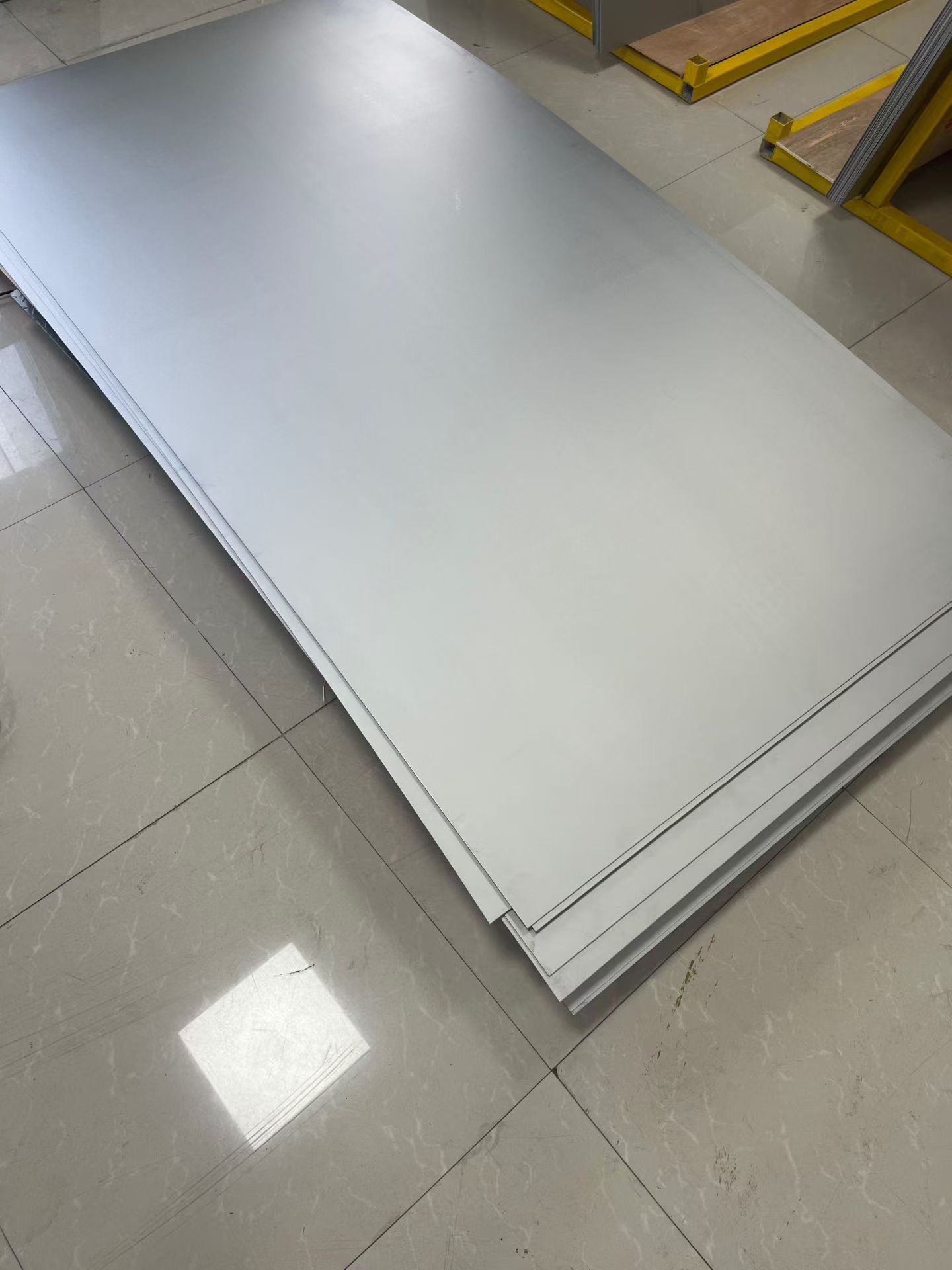
High-strength NiTi alloy plates have garnered significant attention in various industries due to their exceptional mechanical properties and unique behavior under cyclic stress conditions. These advanced materials, composed of nickel and titanium, exhibit remarkable shape memory and superelastic characteristics, making them ideal for applications requiring repetitive loading and unloading cycles. Understanding the performance of high-strength NiTi alloy plates under cyclic stress is crucial for engineers and researchers aiming to optimize their use in critical components across aerospace, automotive, and medical sectors. This blog post delves into the intricate behavior of these alloys, exploring their fatigue resistance properties, the influence of shape memory effect on cyclic stress performance, and the various testing methods employed to evaluate their response to repeated loads. By examining these aspects, we can gain valuable insights into the durability and reliability of high-strength NiTi alloy plates in demanding environments.
Fatigue Resistance Properties of High-Strength NiTi Alloy Plates
Microstructural Factors Influencing Fatigue Resistance
The fatigue resistance of high-strength NiTi alloy plates is greatly influenced by their unique microstructure. These plates possess a complex arrangement of austenite and martensite phases, which contribute to their exceptional mechanical properties. Under cyclic stress, the microstructure of the high-strength NiTi alloy plate undergoes continuous transformation between these phases, leading to a phenomenon known as transformation-induced plasticity. This mechanism allows the material to accommodate large strains without permanent deformation, enhancing its fatigue resistance. Additionally, the presence of precipitation-hardened regions within the microstructure further reinforces the alloy's ability to withstand repeated loading cycles, making high-strength NiTi alloy plates particularly suitable for applications involving prolonged cyclic stress exposure.
Stress-Strain Behavior During Cyclic Loading
The stress-strain behavior of high-strength NiTi alloy plates during cyclic loading is characterized by unique hysteresis loops. As the material undergoes repeated stress cycles, it exhibits a combination of elastic and pseudoelastic deformation. The pseudoelastic behavior, attributed to the reversible martensitic transformation, allows the high-strength NiTi alloy plate to recover large strains upon unloading. This remarkable property contributes to the material's excellent fatigue resistance by dissipating energy and reducing the accumulation of plastic deformation. However, it is essential to note that the stress-strain response of these alloys can evolve over multiple cycles, potentially leading to changes in the material's mechanical properties and fatigue life. Understanding these complex stress-strain relationships is crucial for accurately predicting the long-term performance of high-strength NiTi alloy plates in cyclic stress applications.
Fatigue Crack Initiation and Propagation Mechanisms
The fatigue crack initiation and propagation mechanisms in high-strength NiTi alloy plates differ significantly from those observed in conventional metallic materials. Due to the unique phase transformation behavior of these alloys, crack initiation often occurs at stress-induced martensite interfaces or regions of high stress concentration. Once initiated, the crack propagation in high-strength NiTi alloy plates is influenced by the reversible martensitic transformation, which can lead to crack tip blunting and retardation of crack growth. This phenomenon contributes to the enhanced fatigue resistance of these materials. Furthermore, the cyclic stress-induced formation of martensite ahead of the crack tip can create a compressive stress field, further impeding crack propagation. Understanding these complex fatigue mechanisms is essential for designing high-strength NiTi alloy plates with improved resistance to cyclic stress and prolonged service life in demanding applications.

How Shape Memory Effect Affects Cyclic Stress Performance?
Martensitic Transformation and Its Impact on Cyclic Behavior
The shape memory effect in high-strength NiTi alloy plates plays a crucial role in their cyclic stress performance. During cyclic loading, the material undergoes repeated martensitic transformations, transitioning between the austenite and martensite phases. This phase change allows the high-strength NiTi alloy plate to accommodate large strains without permanent deformation, contributing to its exceptional fatigue resistance. The martensitic transformation also introduces internal stresses within the material, which can affect its cyclic behavior. These stresses may lead to localized plastic deformation and the formation of dislocations, potentially influencing the material's long-term performance under repeated loading. Understanding the intricate relationship between the shape memory effect and cyclic stress response is essential for optimizing the design and application of high-strength NiTi alloy plates in environments subject to repetitive loading conditions.
Recovery Stress and Its Influence on Fatigue Life
Recovery stress, a unique characteristic of shape memory alloys like high-strength NiTi, significantly impacts the fatigue life of these materials under cyclic stress conditions. When a high-strength NiTi alloy plate is deformed and then heated above its transformation temperature, it generates a recovery stress as it attempts to return to its original shape. This stress can have both beneficial and detrimental effects on the material's fatigue performance. On one hand, the recovery stress can help close small cracks and reduce stress concentrations, potentially enhancing fatigue resistance. On the other hand, excessive recovery stress may lead to localized plastic deformation and accelerated fatigue damage. Balancing these effects is crucial when designing components using high-strength NiTi alloy plates for applications involving cyclic stress, as it directly influences the material's overall fatigue life and reliability.
Cyclic Stability and Functional Fatigue
The cyclic stability and functional fatigue of high-strength NiTi alloy plates are critical considerations in their performance under repeated loading conditions. Cyclic stability refers to the material's ability to maintain consistent mechanical properties and shape memory behavior over numerous loading cycles. As the high-strength NiTi alloy plate undergoes repeated stress cycles, it may experience changes in its transformation temperatures, hysteresis, and recoverable strain, potentially affecting its long-term performance. Functional fatigue, on the other hand, relates to the degradation of the shape memory effect or superelastic behavior over time. This can manifest as a reduction in the material's ability to fully recover its original shape or a decrease in its energy absorption capacity. Understanding and mitigating these phenomena are essential for ensuring the reliable and predictable performance of high-strength NiTi alloy plates in applications subject to cyclic stress, such as aerospace components or medical implants.

Testing Methods for NiTi Plates Under Repeated Loads
Uniaxial Tension-Compression Fatigue Tests
Uniaxial tension-compression fatigue tests are widely employed to evaluate the performance of high-strength NiTi alloy plates under cyclic stress conditions. These tests involve subjecting the material to alternating tensile and compressive loads, simulating real-world applications where components experience bidirectional stresses. During the test, the high-strength NiTi alloy plate undergoes repeated loading cycles at various stress amplitudes and frequencies, allowing researchers to assess its fatigue life, stress-strain behavior, and potential failure mechanisms. The results of these tests provide valuable insights into the material's cyclic deformation characteristics, including its elastic and pseudoelastic responses, as well as any changes in mechanical properties over time. By analyzing the data obtained from uniaxial tension-compression fatigue tests, engineers can optimize the design of components made from high-strength NiTi alloy plates, ensuring their reliability and longevity in applications subject to repeated loading.
Rotary Bending Fatigue Experiments
Rotary bending fatigue experiments offer another valuable method for assessing the cyclic stress performance of high-strength NiTi alloy plates. In these tests, a specimen of the alloy is subjected to alternating bending stresses as it rotates, simulating conditions often encountered in rotating machinery or flexing components. The high-strength NiTi alloy plate experiences a complex stress state during rotation, with one side of the specimen undergoing tension while the opposite side experiences compression. This testing approach allows researchers to evaluate the material's fatigue resistance under multiaxial stress conditions, which can be more representative of certain real-world applications. By monitoring parameters such as the number of cycles to failure, crack initiation sites, and changes in the material's mechanical properties, rotary bending fatigue experiments provide crucial data for understanding the long-term performance of high-strength NiTi alloy plates in dynamic, cyclically loaded environments.
Thermomechanical Fatigue Testing
Thermomechanical fatigue testing is a crucial method for evaluating the performance of high-strength NiTi alloy plates under combined cyclic stress and temperature variations. This testing approach is particularly relevant for applications where the material experiences simultaneous mechanical and thermal cycling, such as in aerospace components or automotive engine parts. During thermomechanical fatigue tests, the high-strength NiTi alloy plate is subjected to cyclic mechanical loads while also undergoing temperature fluctuations that may trigger phase transformations. This complex loading scenario allows researchers to assess the material's behavior under conditions that closely mimic real-world operating environments. By analyzing the thermomechanical fatigue response, including changes in transformation temperatures, stress-strain behavior, and fatigue life, engineers can gain valuable insights into the long-term reliability and performance of high-strength NiTi alloy plates in demanding applications that involve both cyclic stress and temperature variations.
Conclusion
High-strength NiTi alloy plates demonstrate remarkable performance under cyclic stress conditions, owing to their unique microstructure, shape memory effect, and superelastic properties. The fatigue resistance, cyclic stability, and functional durability of these materials make them invaluable in various industries. As research continues to advance our understanding of their behavior, we can expect further optimizations in design and application. The diverse testing methods discussed provide crucial insights for engineers and researchers, enabling the development of more reliable and efficient components using high-strength NiTi alloy plates. This ongoing progress promises to unlock new possibilities in fields ranging from aerospace to medical technology.
Shaanxi Tilong Metal Material Co., Ltd., located in Shaanxi, China, is a leading manufacturer of high-quality non-ferrous metal alloys, including high-performance titanium and titanium alloys. With a complete production chain and strict quality control processes, Tilong provides superior products and innovative solutions for various industries. Our commitment to excellence and customer satisfaction drives us to continuously improve our services and create greater value for our clients. For more information or inquiries, please contact us at Tailong@tilongtitanium.com.
References
1. Zhang, Y., & Sittner, P. (2019). Fatigue of NiTi shape memory alloys: A state-of-the-art review. Materials Science and Engineering: A, 764, 138195.
2. Rahim, M., Frenzel, J., Frotscher, M., Pfetzing-Micklich, J., Steegmüller, R., Wohlschlögel, M., ... & Eggeler, G. (2013). Impurity levels and fatigue lives of pseudoelastic NiTi shape memory alloys. Acta Materialia, 61(10), 3667-3686.
3. Miyazaki, S., Mizukoshi, K., Ueki, T., Sakuma, T., & Liu, Y. (1999). Fatigue life of Ti–50 at.% Ni and Ti–40Ni–10Cu (at.%) shape memory alloy wires. Materials Science and Engineering: A, 273, 658-663.
4. Maletta, C., Sgambitterra, E., Furgiuele, F., Casati, R., & Tuissi, A. (2014). Fatigue properties of a pseudoelastic NiTi alloy: Strain ratcheting and hysteresis under cyclic tensile loading. International Journal of Fatigue, 66, 78-85.
5. Siredey-Schwaller, N., Eberhardt, A., & Bastie, P. (2007). Parameters influencing the fatigue life of a Cu-Al-Be single crystal shape memory alloy. Journal of Intelligent Material Systems and Structures, 18(11), 1167-1175.
6. Van Humbeeck, J. (1999). Non-medical applications of shape memory alloys. Materials Science and Engineering: A, 273, 134-148.
Related products