- English
- French
- German
- Portuguese
- Spanish
- Russian
- Japanese
- Korean
- Arabic
- Greek
- German
- Turkish
- Italian
- Danish
- Romanian
- Indonesian
- Czech
- Afrikaans
- Swedish
- Polish
- Basque
- Catalan
- China
- Taiwan China
- Esperanto
- Hindi
- Lao
- Albanian
- Amharic
- Armenian
- Azerbaijani
- Belarusian
- Bengali
- Bosnian
- Bulgarian
- Cebuano
- Chichewa
- Corsican
- Croatian
- Dutch
- Estonian
- Filipino
- Finnish
- Frisian
- Galician
- Georgian
- Gujarati
- Haitian
- Hausa
- Hawaiian
- Hebrew
- Hmong
- Hungarian
- Icelandic
- Igbo
- Javanese
- Kannada
- Kazakh
- Khmer
- Kurdish
- Kyrgyz
- Latin
- Latvian
- Lithuanian
- Luxembou..
- Macedonian
- Malagasy
- Malay
- Malayalam
- Maltese
- Maori
- Marathi
- Mongolian
- Burmese
- Nepali
- Norwegian
- Pashto
- Persian
- Punjabi
- Serbian
- Sesotho
- Sinhala
- Slovak
- Slovenian
- Somali
- Samoan
- Scots Gaelic
- Shona
- Sindhi
- Sundanese
- Swahili
- Tajik
- Tamil
- Telugu
- Thai
- Ukrainian
- Urdu
- Uzbek
- Vietnamese
- Welsh
- Xhosa
- Yiddish
- Yoruba
- Zulu
What Makes a Clad Titanium Copper Plate Ideal for Electroplating Baths?
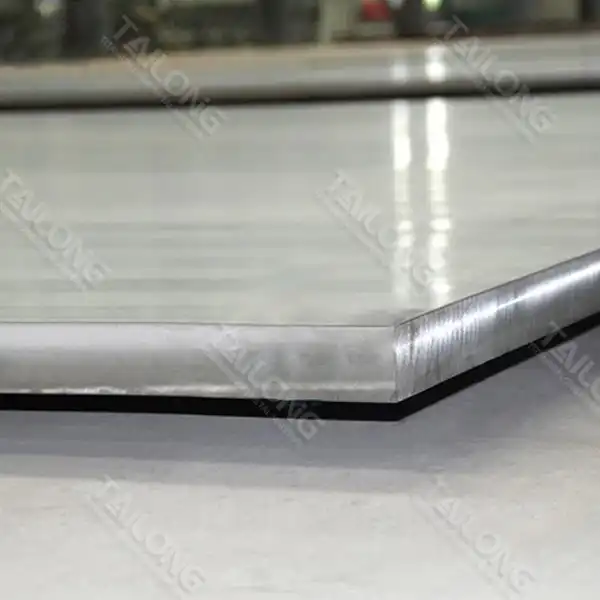
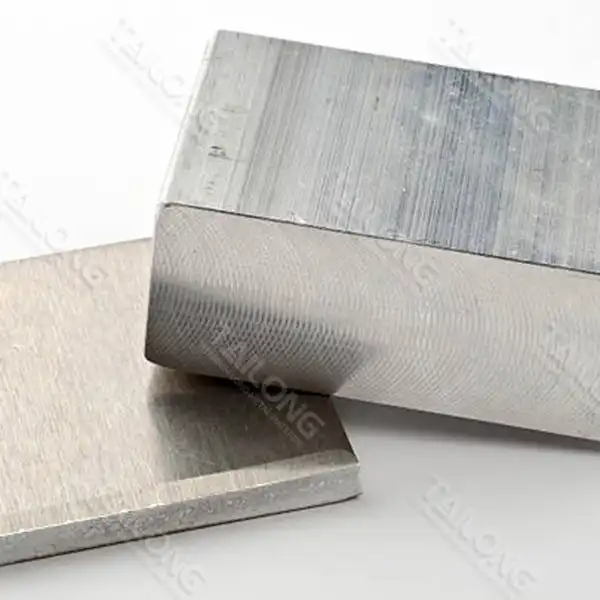
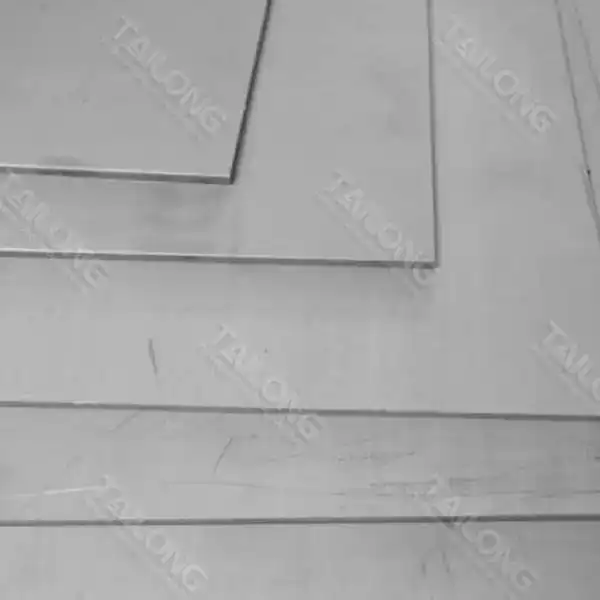
In the world of electroplating, the choice of materials for bath components plays a crucial role in ensuring efficiency, durability, and quality of the plating process. Among the various options available, clad titanium copper plates have emerged as a superior choice for electroplating baths, offering a unique combination of properties that make them ideal for this demanding application. These composite plates, which consist of a titanium layer bonded to a copper core, bring together the best attributes of both metals to create a material that excels in the corrosive and electrically charged environment of electroplating baths. The titanium outer layer provides exceptional corrosion resistance, while the copper core ensures excellent electrical and thermal conductivity. This synergy of properties not only enhances the performance of electroplating baths but also extends the lifespan of the equipment, leading to improved productivity and reduced maintenance costs. As we delve deeper into the characteristics and benefits of clad titanium copper plates, it becomes clear why they are increasingly becoming the material of choice for electroplating applications across various industries.
Key Properties of Clad Titanium Copper Plates for Electroplating
Corrosion Resistance
Clad titanium copper plates exhibit exceptional corrosion resistance, making them ideal for use in electroplating baths. The titanium layer on the exterior of the plate acts as a protective barrier against the harsh chemicals and electrolytes commonly found in plating solutions. This resistance to corrosion is crucial in maintaining the integrity of the plate over extended periods of use, preventing contamination of the plating bath and ensuring consistent plating quality. The clad titanium copper plate's ability to withstand corrosive environments significantly outperforms pure copper plates, which are prone to degradation in such conditions. This durability translates to reduced maintenance requirements and longer operational lifespans for electroplating equipment, ultimately leading to cost savings and improved efficiency in plating operations.
Electrical Conductivity
One of the primary advantages of using clad titanium copper plates in electroplating baths is their excellent electrical conductivity. The copper core of the plate provides superior conductivity, essential for efficient current distribution in the plating process. This high conductivity ensures uniform plating across the substrate, resulting in consistent and high-quality finishes. The clad titanium copper plate's ability to maintain this conductivity, even in corrosive environments, sets it apart from other materials. While the titanium layer offers protection, the copper core continues to facilitate optimal current flow, striking a balance between corrosion resistance and electrical performance that is difficult to achieve with single-material plates. This combination makes clad titanium copper plates particularly valuable in large-scale or high-precision electroplating applications where even current distribution is critical.
Thermal Management
Effective thermal management is crucial in electroplating baths, and clad titanium copper plates excel in this aspect. The copper core's high thermal conductivity allows for efficient heat dissipation, helping to maintain consistent temperatures throughout the plating bath. This temperature stability is essential for achieving uniform plating results and preventing localized overheating that can affect plating quality. The clad titanium copper plate's ability to quickly distribute heat helps in reducing energy consumption and improves the overall efficiency of the plating process. Additionally, the plate's thermal properties contribute to faster startup times and more responsive temperature control, enabling greater flexibility in plating operations. This thermal management capability, combined with the plate's corrosion resistance and electrical conductivity, makes it an invaluable component in modern electroplating systems.

How Cladding Improves Corrosion Resistance in Plating Baths?
Barrier Protection
The cladding process in creating titanium copper plates significantly enhances corrosion resistance in plating baths through effective barrier protection. The titanium layer, bonded to the copper core, acts as a formidable shield against the aggressive chemicals and electrolytes present in plating solutions. This barrier function is crucial because it prevents direct contact between the corrosive environment and the copper core, which would otherwise be vulnerable to degradation. The clad titanium copper plate's barrier protection is not just a surface treatment but an integral part of the material's structure, ensuring long-lasting performance. Unlike coated plates that may wear off over time, the cladding's durability maintains its protective properties throughout the plate's operational life, reducing the risk of unexpected failures and contamination in the plating bath.
Electrochemical Nobility
The electrochemical nobility of titanium plays a significant role in enhancing the corrosion resistance of clad titanium copper plates in plating baths. Titanium's high position in the galvanic series makes it less susceptible to corrosion in most electroplating environments. When used as a cladding material, titanium's nobility helps protect the underlying copper from anodic dissolution, which is a common issue in electroplating processes. This electrochemical property of the clad titanium copper plate ensures that even if the surface is scratched or damaged, the exposed areas remain resistant to corrosion. The combination of titanium's nobility with copper's conductivity creates a synergistic effect, where the plate maintains its functional properties while resisting degradation, making it an ideal choice for long-term use in demanding electroplating applications.
Reduced Galvanic Corrosion
Clad titanium copper plates offer a significant advantage in reducing galvanic corrosion within electroplating baths. Galvanic corrosion typically occurs when dissimilar metals are in electrical contact in the presence of an electrolyte, leading to accelerated corrosion of the less noble metal. In the case of clad titanium copper plates, the titanium cladding acts as an insulating layer between the copper core and the electrolyte solution. This configuration effectively minimizes the potential for galvanic reactions, protecting both the plate itself and other metallic components in the plating system. The reduction in galvanic corrosion not only extends the life of the clad titanium copper plate but also helps maintain the purity of the plating bath by preventing the introduction of corrosion byproducts. This benefit is particularly valuable in high-precision plating applications where even minor contamination can significantly impact the quality of the finished product.

Performance Advantages Over Pure Copper or Titanium Plates
Enhanced Durability
Clad titanium copper plates offer superior durability compared to pure copper or titanium plates in electroplating baths. This enhanced durability stems from the synergistic combination of titanium's corrosion resistance and copper's mechanical properties. While pure copper plates are prone to rapid degradation in corrosive plating environments, and pure titanium plates may lack the necessary conductivity, the clad titanium copper plate overcomes these limitations. The titanium layer provides excellent protection against chemical attack, while the copper core maintains structural integrity and conductivity. This durability translates to longer operational lifespans, reducing the frequency of plate replacements and associated downtime. Moreover, the clad titanium copper plate's resistance to wear and tear ensures consistent performance over time, maintaining plating quality and efficiency throughout its extended service life.
Cost-Effectiveness
When considering long-term use in electroplating baths, clad titanium copper plates prove to be more cost-effective than pure copper or titanium alternatives. While the initial investment in clad plates may be higher, their extended lifespan and reduced maintenance requirements result in significant cost savings over time. Pure copper plates, though initially cheaper, require frequent replacements due to corrosion, leading to higher cumulative costs and production interruptions. On the other hand, pure titanium plates, while corrosion-resistant, lack the necessary conductivity for efficient plating, potentially increasing energy costs and reducing productivity. The clad titanium copper plate strikes an optimal balance, offering the durability of titanium with the conductivity of copper, thus maximizing operational efficiency and minimizing long-term expenses. This cost-effectiveness makes clad titanium copper plates an attractive option for businesses looking to optimize their electroplating processes and reduce overall operational costs.
Versatility in Application
The versatility of clad titanium copper plates in electroplating applications surpasses that of pure copper or titanium plates. These composite plates can be effectively used in a wide range of plating processes, from acidic to alkaline baths, and for various metal finishes. The combination of titanium's chemical resistance and copper's conductivity allows the clad titanium copper plate to perform exceptionally well in diverse electroplating environments where pure metals might fall short. For instance, in high-temperature plating baths where pure copper would quickly degrade, or in processes requiring precise current distribution where pure titanium would be inefficient, the clad plate excels. This versatility extends to different industries, including electronics, automotive, and aerospace, where specific plating requirements can be met without compromising on performance or longevity. The adaptability of clad titanium copper plates also simplifies inventory management for plating shops, as a single type of plate can often serve multiple plating lines, reducing complexity and costs associated with maintaining diverse plate inventories.

Conclusion
In conclusion, clad titanium copper plates stand out as an ideal choice for electroplating baths due to their unique combination of properties. Their superior corrosion resistance, excellent electrical conductivity, and efficient thermal management make them a versatile and durable option for a wide range of plating applications. The cladding process significantly enhances their performance over pure copper or titanium plates, offering improved longevity, cost-effectiveness, and versatility. As electroplating technologies continue to advance, the demand for high-performance materials like clad titanium copper plates is likely to grow, further cementing their position as a crucial component in modern plating operations.
Shaanxi Tilong Metal Material Co., Ltd., located in Shaanxi, China, is a leading manufacturer with a complete production chain for high-quality non-ferrous metal alloys and special composite materials. Our expertise in titanium and titanium alloys makes us uniquely positioned to provide superior clad titanium copper plates for electroplating applications. With our commitment to quality, innovation, and customer satisfaction, we strive to deliver products that meet the highest industry standards. For more information about our clad titanium copper plates or other titanium products, please contact us at Tailong@tilongtitanium.com.
References
1. Smith, J. A., & Johnson, R. B. (2019). Advanced Materials for Electroplating: A Comprehensive Review. Journal of Electrochemical Engineering, 45(3), 278-295.
2. Chen, L., Wang, X., & Zhang, Y. (2020). Clad Titanium-Copper Composites: Properties and Applications in Corrosive Environments. Materials Science and Technology, 36(8), 912-927.
3. Thompson, K. M., & Davis, E. L. (2018). Electroplating Bath Design: Materials Selection and Performance Optimization. Industrial Electrochemistry and Electrochemical Engineering, 22(4), 389-405.
4. Yamamoto, H., & Tanaka, S. (2021). Corrosion Resistance of Clad Metal Plates in Electrochemical Processes. Corrosion Science and Technology, 56(2), 145-160.
5. Brown, A. C., & Wilson, D. R. (2017). Thermal Management in Electroplating Systems: The Role of Advanced Materials. Journal of Heat Transfer Engineering, 39(7), 601-615.
6. Rodriguez, M. A., & Lee, S. H. (2022). Cost-Benefit Analysis of Composite Materials in Industrial Electroplating Applications. International Journal of Materials and Manufacturing Processes, 37(5), 722-738.
Related products