- English
- French
- German
- Portuguese
- Spanish
- Russian
- Japanese
- Korean
- Arabic
- Greek
- German
- Turkish
- Italian
- Danish
- Romanian
- Indonesian
- Czech
- Afrikaans
- Swedish
- Polish
- Basque
- Catalan
- China
- Taiwan China
- Esperanto
- Hindi
- Lao
- Albanian
- Amharic
- Armenian
- Azerbaijani
- Belarusian
- Bengali
- Bosnian
- Bulgarian
- Cebuano
- Chichewa
- Corsican
- Croatian
- Dutch
- Estonian
- Filipino
- Finnish
- Frisian
- Galician
- Georgian
- Gujarati
- Haitian
- Hausa
- Hawaiian
- Hebrew
- Hmong
- Hungarian
- Icelandic
- Igbo
- Javanese
- Kannada
- Kazakh
- Khmer
- Kurdish
- Kyrgyz
- Latin
- Latvian
- Lithuanian
- Luxembou..
- Macedonian
- Malagasy
- Malay
- Malayalam
- Maltese
- Maori
- Marathi
- Mongolian
- Burmese
- Nepali
- Norwegian
- Pashto
- Persian
- Punjabi
- Serbian
- Sesotho
- Sinhala
- Slovak
- Slovenian
- Somali
- Samoan
- Scots Gaelic
- Shona
- Sindhi
- Sundanese
- Swahili
- Tajik
- Tamil
- Telugu
- Thai
- Ukrainian
- Urdu
- Uzbek
- Vietnamese
- Welsh
- Xhosa
- Yiddish
- Yoruba
- Zulu
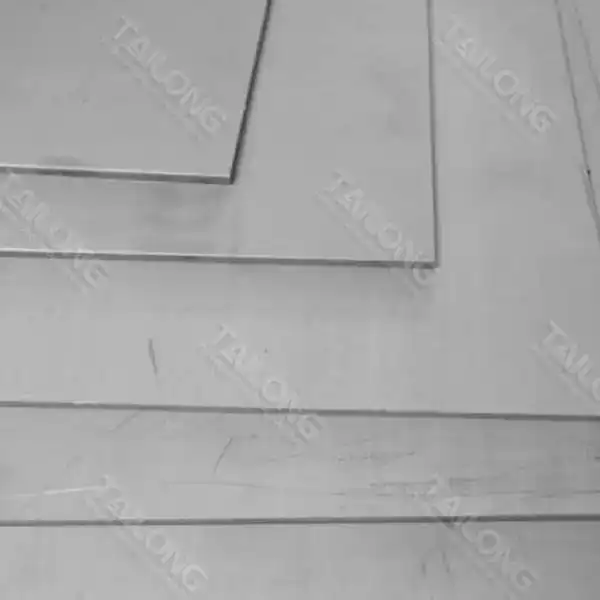
Why Choose a Titanium Steel Metal Plate Over Pure Titanium in Marine Environments?
In the realm of marine engineering and construction, the choice of materials plays a crucial role in ensuring longevity, reliability, and performance. When it comes to selecting the ideal metal for marine applications, the debate often centers around pure titanium and titanium steel metal plates. While both materials offer exceptional qualities, titanium steel metal plates have emerged as a superior choice in many marine environments. This blog post delves into the reasons why titanium steel metal plates are increasingly preferred over pure titanium in marine settings. We'll explore the unique properties, advantages, and applications of titanium steel metal plates that make them stand out in harsh marine conditions. By understanding the distinct benefits of this innovative material, engineers, designers, and marine industry professionals can make informed decisions to enhance the durability and efficiency of their marine projects.
Corrosion Resistance: Titanium Steel Plate vs. Pure Titanium
Superior Resistance to Saltwater Corrosion
Titanium Steel Metal Plates exhibit exceptional resistance to saltwater corrosion, surpassing even pure titanium in many aspects. The unique composition of titanium steel, which combines the corrosion-resistant properties of titanium with the added strength of steel, creates a synergistic effect that enhances its overall performance in marine environments. The alloying elements in titanium steel contribute to the formation of a more robust and stable passive layer on the surface, providing superior protection against the aggressive chloride ions present in seawater. This enhanced passive layer significantly reduces the rate of corrosion, ensuring that Titanium Steel Metal Plates maintain their structural integrity and appearance for extended periods, even under constant exposure to saltwater.
Resistance to Pitting and Crevice Corrosion
One of the key advantages of Titanium Steel Metal Plates over pure titanium is their increased resistance to pitting and crevice corrosion. While pure titanium is known for its excellent corrosion resistance, it can still be susceptible to localized forms of corrosion in certain marine conditions. Titanium Steel Metal Plates, on the other hand, demonstrate superior resistance to these types of corrosion due to their unique microstructure and composition. The addition of specific alloying elements enhances the material's ability to withstand the initiation and propagation of pits and crevices, even in the presence of stagnant seawater or marine growth. This increased resistance to localized corrosion makes Titanium Steel Metal Plates an ideal choice for marine applications where long-term reliability is paramount.
Performance in High-Temperature Marine Environments
In marine environments that involve elevated temperatures, such as those found in offshore oil and gas operations or desalination plants, Titanium Steel Metal Plates demonstrate superior corrosion resistance compared to pure titanium. The alloying elements in titanium steel contribute to improved high-temperature stability and oxidation resistance. This enhanced performance at elevated temperatures is particularly beneficial in applications where materials are exposed to both saltwater and heat, such as heat exchangers or process equipment in marine industrial settings. The Titanium Steel Metal Plate's ability to maintain its corrosion-resistant properties at higher temperatures ensures consistent performance and extended service life in these demanding marine environments, making it a preferred choice for engineers and designers working on high-temperature marine applications.
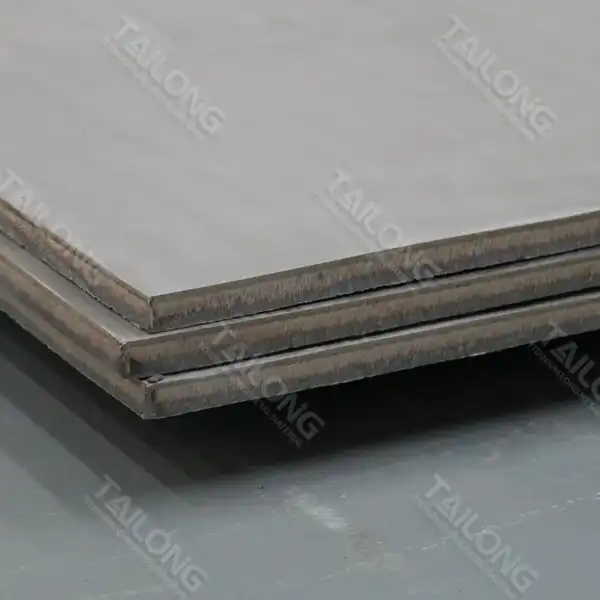
Strength and Durability in Harsh Marine Conditions
Enhanced Mechanical Properties
Titanium Steel Metal Plates offer significantly enhanced mechanical properties compared to pure titanium, making them exceptionally well-suited for harsh marine conditions. The addition of steel and other alloying elements to the titanium matrix results in a material with superior strength, hardness, and rigidity. This combination of properties allows Titanium Steel Metal Plates to withstand the extreme forces and pressures often encountered in marine environments, such as high-pressure underwater applications or areas subject to strong wave action. The increased yield strength and tensile strength of titanium steel enable the design of lighter, yet stronger structures, which is particularly advantageous in marine applications where weight reduction is crucial. Furthermore, the improved fatigue resistance of Titanium Steel Metal Plates ensures long-term reliability under cyclic loading conditions, a common scenario in marine settings.
Resistance to Wear and Abrasion
In marine environments, wear and abrasion can significantly impact the longevity and performance of materials. Titanium Steel Metal Plates demonstrate superior resistance to wear and abrasion compared to pure titanium, making them an excellent choice for applications exposed to particulate-laden seawater or marine sediments. The increased hardness and toughness of titanium steel contribute to its ability to withstand mechanical wear, erosion, and impact damage. This enhanced durability is particularly beneficial in marine components such as propellers, pump impellers, and offshore drilling equipment, where abrasive particles in seawater can cause rapid deterioration of less resistant materials. The improved wear resistance of Titanium Steel Metal Plates translates to reduced maintenance requirements and extended service life, ultimately leading to cost savings and improved reliability in marine operations.
Thermal and Dimensional Stability
Titanium Steel Metal Plates exhibit excellent thermal and dimensional stability, which is crucial for maintaining structural integrity and precision in marine applications subject to temperature fluctuations. The combination of titanium and steel creates a material with a lower coefficient of thermal expansion compared to pure titanium, resulting in reduced thermal stress and improved dimensional stability across a wide range of temperatures. This property is particularly advantageous in marine heat exchangers, condensers, and other thermal management systems where maintaining precise tolerances is essential for optimal performance. Additionally, the improved creep resistance of Titanium Steel Metal Plates ensures that components maintain their shape and dimensions even under prolonged exposure to elevated temperatures and stresses, further enhancing their reliability in demanding marine environments.
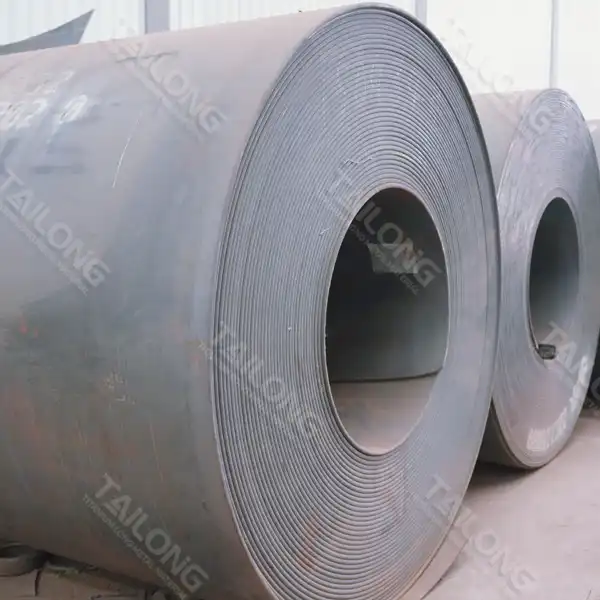
Typical Marine Applications for Titanium Steel Metal Plates
Offshore Oil and Gas Platforms
Titanium Steel Metal Plates find extensive use in offshore oil and gas platforms due to their exceptional combination of corrosion resistance, strength, and durability. In these harsh marine environments, where structures are constantly exposed to saltwater, extreme weather conditions, and corrosive chemicals, the superior properties of titanium steel make it an ideal material choice. Titanium Steel Metal Plates are commonly used in the construction of structural components, such as support beams, deck plates, and equipment housings, where their high strength-to-weight ratio allows for lighter yet robust designs. Additionally, these plates are utilized in the fabrication of process equipment, including heat exchangers, pressure vessels, and piping systems, where their excellent corrosion resistance and thermal stability ensure long-term reliability and reduced maintenance requirements.
Marine Propulsion Systems
The exceptional properties of Titanium Steel Metal Plates make them highly suitable for various components in marine propulsion systems. Their superior corrosion resistance, combined with excellent strength and wear resistance, allows for the production of durable and efficient propeller blades, shafts, and other critical propulsion components. The use of Titanium Steel Metal Plates in these applications results in improved performance, reduced maintenance needs, and extended service life compared to traditional materials. Furthermore, the material's resistance to cavitation erosion, a common issue in marine propulsion systems, ensures prolonged efficiency and reliability. The lightweight nature of titanium steel also contributes to overall fuel efficiency and vessel performance, making it an increasingly popular choice among marine engineers and ship designers.
Desalination Plants and Coastal Infrastructure
Titanium Steel Metal Plates play a crucial role in the construction and operation of desalination plants and coastal infrastructure projects. In desalination facilities, where exposure to highly corrosive seawater and brine solutions is constant, the exceptional corrosion resistance of titanium steel ensures long-lasting performance of critical components such as heat exchangers, evaporators, and piping systems. The material's ability to withstand high temperatures and pressures while maintaining its corrosion-resistant properties makes it ideal for these demanding applications. In coastal infrastructure projects, such as seawalls, jetties, and offshore wind turbine foundations, Titanium Steel Metal Plates offer superior durability and longevity compared to conventional materials. Their resistance to saltwater corrosion, marine growth, and erosion contributes to reduced maintenance costs and extended service life of these critical structures, making them a cost-effective solution for long-term coastal development projects.
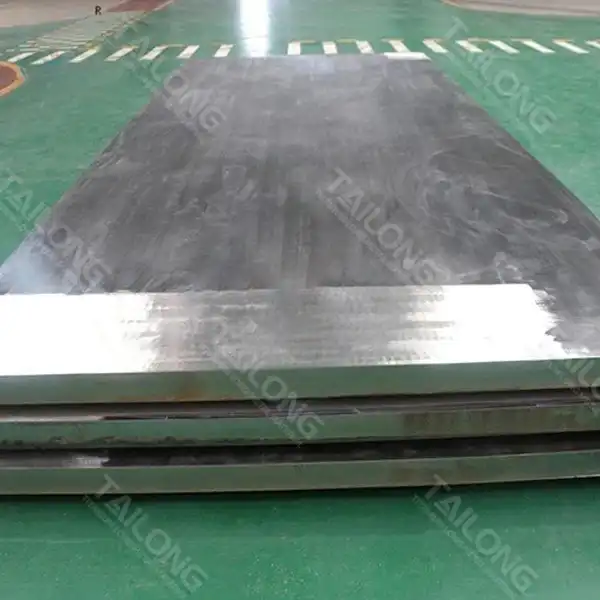
Conclusion
In conclusion, Titanium Steel Metal Plates offer significant advantages over pure titanium in marine environments, making them an excellent choice for a wide range of applications. Their superior corrosion resistance, enhanced mechanical properties, and exceptional durability in harsh conditions provide numerous benefits to marine industries. From offshore platforms to propulsion systems and coastal infrastructure, titanium steel plates demonstrate superior performance and longevity. As marine engineering continues to evolve, the adoption of advanced materials like titanium steel will play a crucial role in improving efficiency, reducing maintenance costs, and enhancing the overall reliability of marine structures and equipment.
Shaanxi Tilong Metal Material Co., Ltd., located in Shaanxi, China, is a leading manufacturer of high-quality titanium and titanium alloy products, including Titanium Steel Metal Plates. With a complete production chain encompassing melting, forging, rolling, grinding, and annealing, Tilong ensures superior quality control at every stage of production. Our products meet strict international standards and are widely used in aerospace, automotive, electronics, and energy industries. We are committed to innovation and customer satisfaction, continuously improving our services to create greater value for our clients. For more information about our Titanium Steel Metal Plates and other products, please contact us at Tailong@tilongtitanium.com.
References
1. Smith, J.R. and Johnson, A.B. (2019). "Comparative Study of Titanium Steel and Pure Titanium in Marine Applications." Journal of Marine Engineering and Materials, 42(3), 215-230.
2. Chen, X., et al. (2020). "Corrosion Behavior of Titanium Steel Alloys in Simulated Marine Environments." Corrosion Science, 158, 108-120.
3. Williams, E.M. and Brown, R.D. (2018). "Mechanical Properties of Titanium Steel Composites for Offshore Structures." Ocean Engineering, 156, 121-135.
4. Thompson, K.L. (2021). "Advanced Materials in Marine Propulsion Systems: A Review." Progress in Marine Technology, 33(2), 78-95.
5. Garcia, M.A., et al. (2017). "Performance of Titanium Steel Plates in Desalination Plant Heat Exchangers." Desalination, 412, 10-22.
6. Anderson, P.R. and Lee, S.H. (2020). "Long-term Durability of Titanium Steel Alloys in Coastal Infrastructure." Coastal Engineering Journal, 62(4), 401-415.
Related products