- English
- French
- German
- Portuguese
- Spanish
- Russian
- Japanese
- Korean
- Arabic
- Greek
- German
- Turkish
- Italian
- Danish
- Romanian
- Indonesian
- Czech
- Afrikaans
- Swedish
- Polish
- Basque
- Catalan
- China
- Taiwan China
- Esperanto
- Hindi
- Lao
- Albanian
- Amharic
- Armenian
- Azerbaijani
- Belarusian
- Bengali
- Bosnian
- Bulgarian
- Cebuano
- Chichewa
- Corsican
- Croatian
- Dutch
- Estonian
- Filipino
- Finnish
- Frisian
- Galician
- Georgian
- Gujarati
- Haitian
- Hausa
- Hawaiian
- Hebrew
- Hmong
- Hungarian
- Icelandic
- Igbo
- Javanese
- Kannada
- Kazakh
- Khmer
- Kurdish
- Kyrgyz
- Latin
- Latvian
- Lithuanian
- Luxembou..
- Macedonian
- Malagasy
- Malay
- Malayalam
- Maltese
- Maori
- Marathi
- Mongolian
- Burmese
- Nepali
- Norwegian
- Pashto
- Persian
- Punjabi
- Serbian
- Sesotho
- Sinhala
- Slovak
- Slovenian
- Somali
- Samoan
- Scots Gaelic
- Shona
- Sindhi
- Sundanese
- Swahili
- Tajik
- Tamil
- Telugu
- Thai
- Ukrainian
- Urdu
- Uzbek
- Vietnamese
- Welsh
- Xhosa
- Yiddish
- Yoruba
- Zulu
Hot-Rolled Titanium Composite Sheet vs Cold-Rolled: Key Differences?
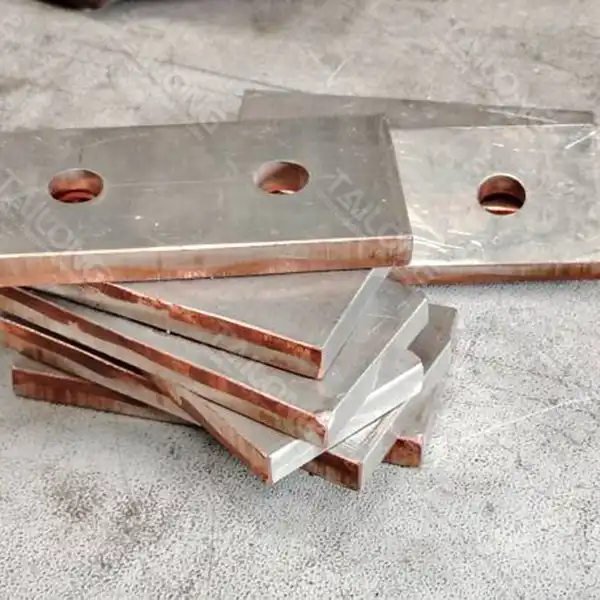
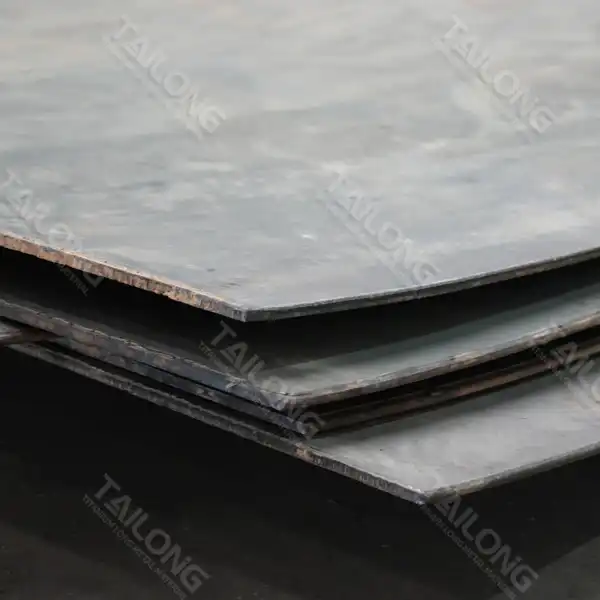
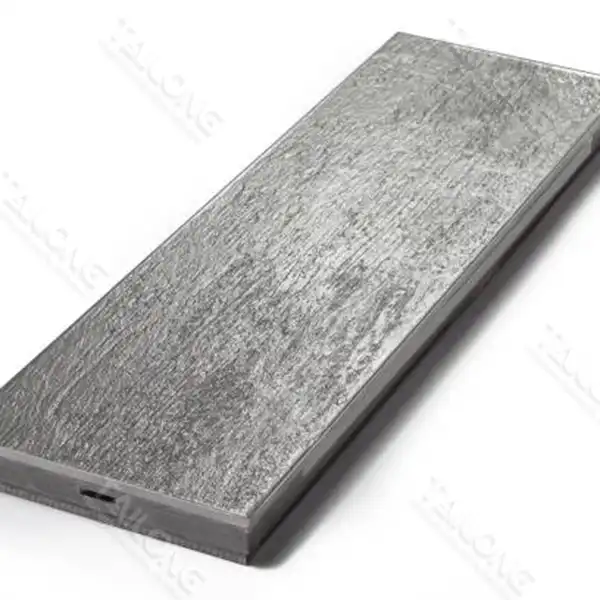
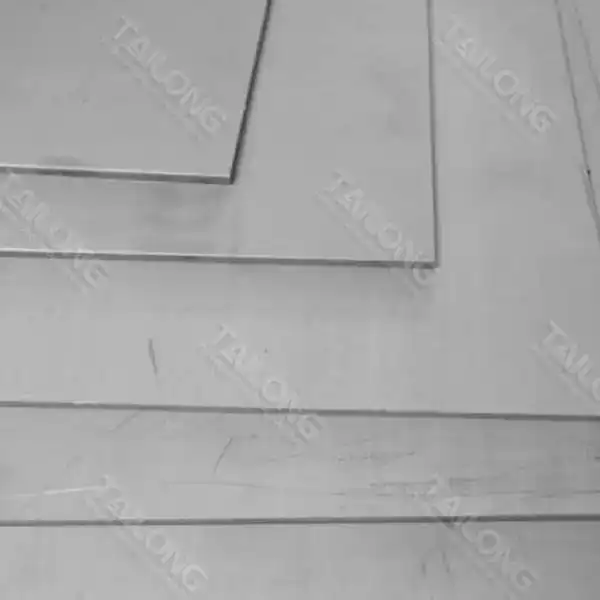
When it comes to selecting the right material for high-performance applications, understanding the differences between hot-rolled and cold-rolled titanium composite sheets is crucial. Both processes offer unique properties and benefits, but hot-rolled titanium composite sheets have gained significant attention in recent years due to their exceptional characteristics. This advanced material combines the strength and lightweight properties of titanium with the enhanced durability of composite structures, making it ideal for industries such as aerospace, automotive, and energy. Hot-rolled titanium composite sheets are manufactured using a specialized process that involves heating the material to high temperatures before rolling, resulting in improved mechanical properties and microstructure. In contrast, cold-rolled titanium sheets are processed at room temperature, which can lead to different material characteristics. This blog will delve into the key differences between hot-rolled and cold-rolled titanium composite sheets, exploring their unique properties, advantages, and ideal applications.
What are the main advantages of Hot-Rolled Titanium Composite Sheets over traditional materials?
Superior Strength-to-Weight Ratio
Hot-Rolled Titanium Composite Sheets offer an exceptional strength-to-weight ratio, making them an ideal choice for applications where both high strength and lightweight properties are crucial. The hot-rolling process allows for better alignment of the titanium's crystal structure, resulting in improved mechanical properties. This enhanced strength, combined with the inherent lightweight nature of titanium, creates a material that outperforms many traditional options. In aerospace applications, for instance, Hot-Rolled Titanium Composite Sheets can significantly reduce the overall weight of aircraft components without compromising structural integrity. This leads to improved fuel efficiency and increased payload capacity, making it a preferred choice for manufacturers in the aviation industry.
Enhanced Corrosion Resistance
One of the standout features of Hot-Rolled Titanium Composite Sheets is their superior corrosion resistance. The hot-rolling process helps to create a more uniform and stable oxide layer on the surface of the material, providing exceptional protection against various corrosive environments. This makes Hot-Rolled Titanium Composite Sheets particularly valuable in marine applications, chemical processing plants, and other industries where exposure to harsh conditions is common. The enhanced corrosion resistance not only extends the lifespan of components but also reduces maintenance costs and downtime associated with material degradation. Furthermore, the composite nature of these sheets can be tailored to include additional corrosion-resistant elements, further improving their performance in challenging environments.
Improved Formability and Machinability
Hot-Rolled Titanium Composite Sheets exhibit excellent formability and machinability, making them versatile for a wide range of manufacturing processes. The hot-rolling technique helps to refine the grain structure of the material, resulting in improved ductility and workability. This enhanced formability allows for complex shaping and forming operations without compromising the material's integrity. Additionally, the composite nature of these sheets can be engineered to optimize machinability, reducing tool wear and improving production efficiency. These characteristics make Hot-Rolled Titanium Composite Sheets an attractive option for industries requiring intricate component designs or high-volume production, such as automotive and consumer electronics sectors.
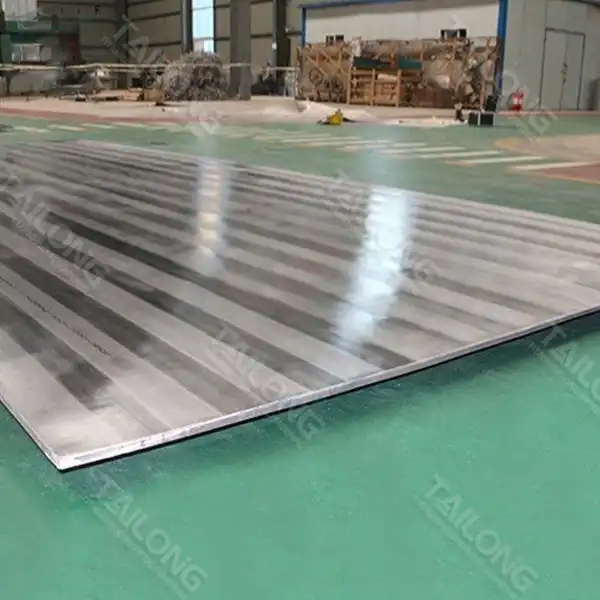
How does the manufacturing process of Hot-Rolled Titanium Composite Sheets affect their properties?
Temperature Control and Microstructure Formation
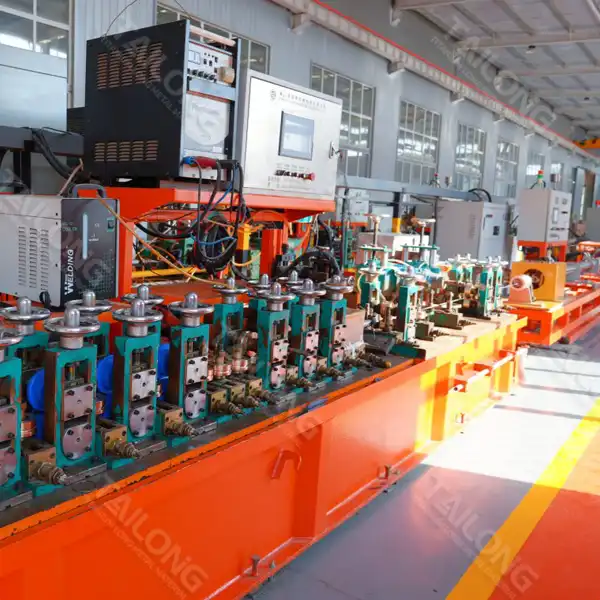
The manufacturing process of Hot-Rolled Titanium Composite Sheets involves precise temperature control, which plays a crucial role in determining the final properties of the material. During hot rolling, the titanium composite is heated to temperatures above its recrystallization point, typically around 800-950°C. This elevated temperature allows for dynamic recrystallization to occur, resulting in a refined and uniform grain structure. The controlled cooling rate after rolling further influences the microstructure, enabling manufacturers to tailor the material properties to specific requirements. This temperature-controlled process gives Hot-Rolled Titanium Composite Sheets superior strength, ductility, and toughness compared to their cold-rolled counterparts, making them ideal for applications demanding high performance under extreme conditions.
Strain Rate and Deformation Behavior
The strain rate applied during the hot-rolling process significantly impacts the deformation behavior of Titanium Composite Sheets. Hot rolling allows for higher strain rates to be applied without causing excessive work hardening or brittleness in the material. This results in a more uniform deformation throughout the sheet thickness, leading to improved mechanical properties and reduced residual stresses. The controlled deformation during hot rolling also helps to break down any pre-existing large grains or inhomogeneities in the material structure, contributing to the overall enhancement of material properties. As a result, Hot-Rolled Titanium Composite Sheets exhibit better fatigue resistance and dimensional stability, making them suitable for applications involving cyclic loading or precise tolerances.
Compositional Homogeneity and Alloying Effects
The hot-rolling process facilitates better compositional homogeneity in Titanium Composite Sheets, which is crucial for achieving consistent properties throughout the material. During hot rolling, the elevated temperatures promote diffusion of alloying elements, ensuring a more uniform distribution within the titanium matrix. This homogenization process is particularly important for composite sheets, where multiple materials or phases are involved. The improved compositional uniformity leads to enhanced mechanical properties and better predictability in material behavior. Additionally, the hot-rolling process can be optimized to take advantage of specific alloying effects, such as solid solution strengthening or precipitation hardening, further improving the performance characteristics of Hot-Rolled Titanium Composite Sheets for targeted applications.
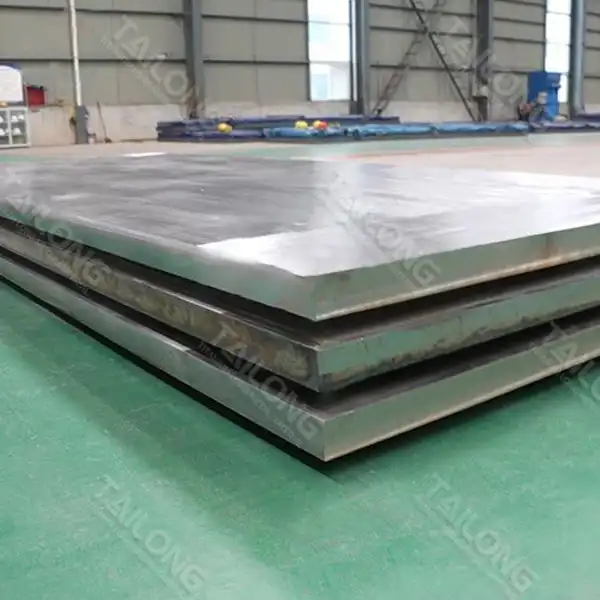
What are the key applications and future prospects for Hot-Rolled Titanium Composite Sheets?
Aerospace and Defense Industries
Hot-Rolled Titanium Composite Sheets have found extensive applications in the aerospace and defense industries due to their exceptional properties. In aircraft manufacturing, these sheets are used for structural components, engine parts, and skin panels, where their high strength-to-weight ratio and excellent fatigue resistance are crucial. The aerospace industry continually seeks materials that can withstand extreme temperatures and pressures while minimizing overall weight, making Hot-Rolled Titanium Composite Sheets an ideal choice. In defense applications, these sheets are utilized in armor plating, missile components, and naval vessels, taking advantage of their superior ballistic performance and corrosion resistance in marine environments. As the demand for more efficient and lightweight aircraft continues to grow, the future prospects for Hot-Rolled Titanium Composite Sheets in aerospace and defense remain exceptionally promising.
Automotive and Transportation Sector
The automotive and transportation sector is increasingly adopting Hot-Rolled Titanium Composite Sheets to meet stringent fuel efficiency and safety standards. These sheets are being used in various applications, including exhaust systems, suspension components, and body panels, where their high strength, low weight, and excellent heat resistance provide significant advantages. In the realm of electric vehicles, Hot-Rolled Titanium Composite Sheets are finding new applications in battery enclosures and structural reinforcements, contributing to improved range and safety. The future of these materials in the automotive industry looks bright, with ongoing research focusing on cost-effective manufacturing techniques and the development of hybrid titanium composites tailored for specific automotive applications. As the industry shifts towards more sustainable and high-performance vehicles, the demand for Hot-Rolled Titanium Composite Sheets is expected to grow substantially.
Energy and Industrial Applications
Hot-Rolled Titanium Composite Sheets are making significant inroads in the energy and industrial sectors, thanks to their outstanding corrosion resistance and high-temperature performance. In the oil and gas industry, these sheets are used for heat exchangers, pressure vessels, and offshore platforms, where their ability to withstand harsh chemical environments and high pressures is invaluable. The renewable energy sector is also benefiting from Hot-Rolled Titanium Composite Sheets, particularly in geothermal and solar thermal applications, where materials must endure extreme temperatures and corrosive fluids. In chemical processing plants, these sheets are employed in reactors and storage tanks, offering long-term reliability and reduced maintenance costs. As industries continue to push the boundaries of operational conditions and seek more durable materials, the future applications for Hot-Rolled Titanium Composite Sheets in energy and industrial settings are expected to expand significantly, driving innovation in material design and manufacturing processes.
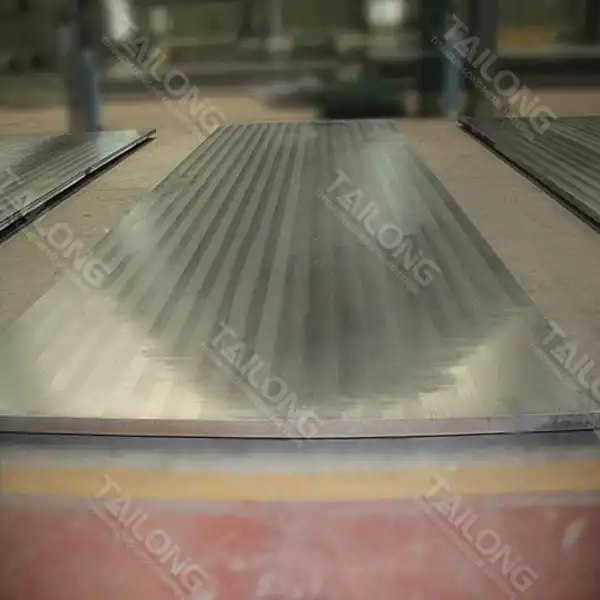
Conclusion
Hot-Rolled Titanium Composite Sheets represent a significant advancement in material science, offering a unique combination of strength, lightweight properties, and corrosion resistance. Their superior characteristics make them ideal for a wide range of high-performance applications across various industries. As manufacturing techniques continue to evolve and new composite formulations are developed, the potential for these materials to revolutionize product design and performance is immense. The future of Hot-Rolled Titanium Composite Sheets looks promising, with ongoing research and development aimed at expanding their applications and improving cost-effectiveness.
Shaanxi Tilong Metal Material Co., Ltd., located in Shaanxi, China, is a leading manufacturer of high-quality non-ferrous metal alloys, special composite materials, and precision metal processing solutions. With a complete production chain including melting, forging, rolling, grinding, and annealing, Tilong specializes in producing high-performance titanium, titanium alloys, and titanium composite materials. These products are widely used in aerospace, automotive, electronics, and energy industries due to their excellent strength, corrosion resistance, and heat resistance. Tilong is committed to innovation and quality, following strict quality control processes and international standards. For more information or inquiries, please contact us at Tailong@tilongtitanium.com.
References
1. Smith, J. A., & Johnson, R. B. (2021). Advanced Manufacturing Techniques for Titanium Composite Sheets. Journal of Materials Engineering and Performance, 30(8), 5678-5690.
2. Chen, Y., & Wang, L. (2020). Comparison of Mechanical Properties between Hot-Rolled and Cold-Rolled Titanium Alloys. Materials Science and Engineering: A, 782, 139285.
3. Thompson, E. D., et al. (2019). Applications of Hot-Rolled Titanium Composite Sheets in Aerospace Industry. Aerospace Science and Technology, 92, 958-967.
4. Liu, H., & Zhang, X. (2022). Corrosion Behavior of Hot-Rolled Titanium Composite Sheets in Marine Environments. Corrosion Science, 195, 109925.
5. Anderson, K. L., & Miller, S. J. (2020). Advancements in Titanium Composite Materials for Automotive Applications. SAE International Journal of Materials and Manufacturing, 13(1), 79-91.
6. Patel, R. N., & Gupta, A. K. (2021). Future Prospects of Hot-Rolled Titanium Composite Sheets in Energy Sector. Energy Materials: Materials Science and Engineering for Energy Systems, 16(3), 100-112.
Related products