- English
- French
- German
- Portuguese
- Spanish
- Russian
- Japanese
- Korean
- Arabic
- Greek
- German
- Turkish
- Italian
- Danish
- Romanian
- Indonesian
- Czech
- Afrikaans
- Swedish
- Polish
- Basque
- Catalan
- China
- Taiwan China
- Esperanto
- Hindi
- Lao
- Albanian
- Amharic
- Armenian
- Azerbaijani
- Belarusian
- Bengali
- Bosnian
- Bulgarian
- Cebuano
- Chichewa
- Corsican
- Croatian
- Dutch
- Estonian
- Filipino
- Finnish
- Frisian
- Galician
- Georgian
- Gujarati
- Haitian
- Hausa
- Hawaiian
- Hebrew
- Hmong
- Hungarian
- Icelandic
- Igbo
- Javanese
- Kannada
- Kazakh
- Khmer
- Kurdish
- Kyrgyz
- Latin
- Latvian
- Lithuanian
- Luxembou..
- Macedonian
- Malagasy
- Malay
- Malayalam
- Maltese
- Maori
- Marathi
- Mongolian
- Burmese
- Nepali
- Norwegian
- Pashto
- Persian
- Punjabi
- Serbian
- Sesotho
- Sinhala
- Slovak
- Slovenian
- Somali
- Samoan
- Scots Gaelic
- Shona
- Sindhi
- Sundanese
- Swahili
- Tajik
- Tamil
- Telugu
- Thai
- Ukrainian
- Urdu
- Uzbek
- Vietnamese
- Welsh
- Xhosa
- Yiddish
- Yoruba
- Zulu
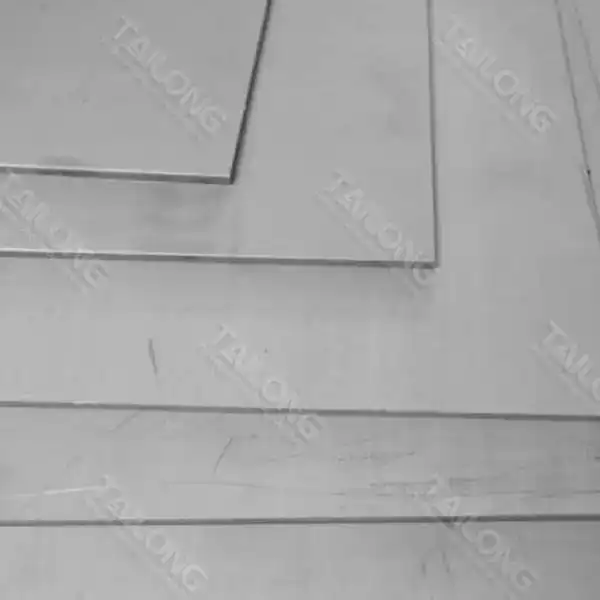
Best applications for Titanium Composite Plate by Explosive Welding
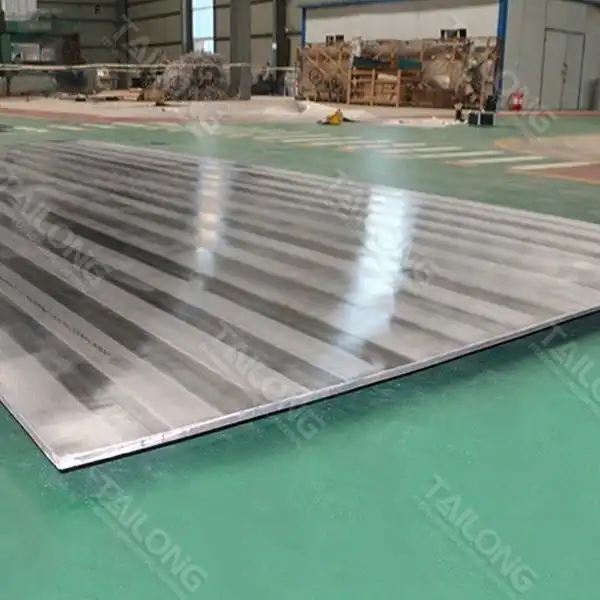
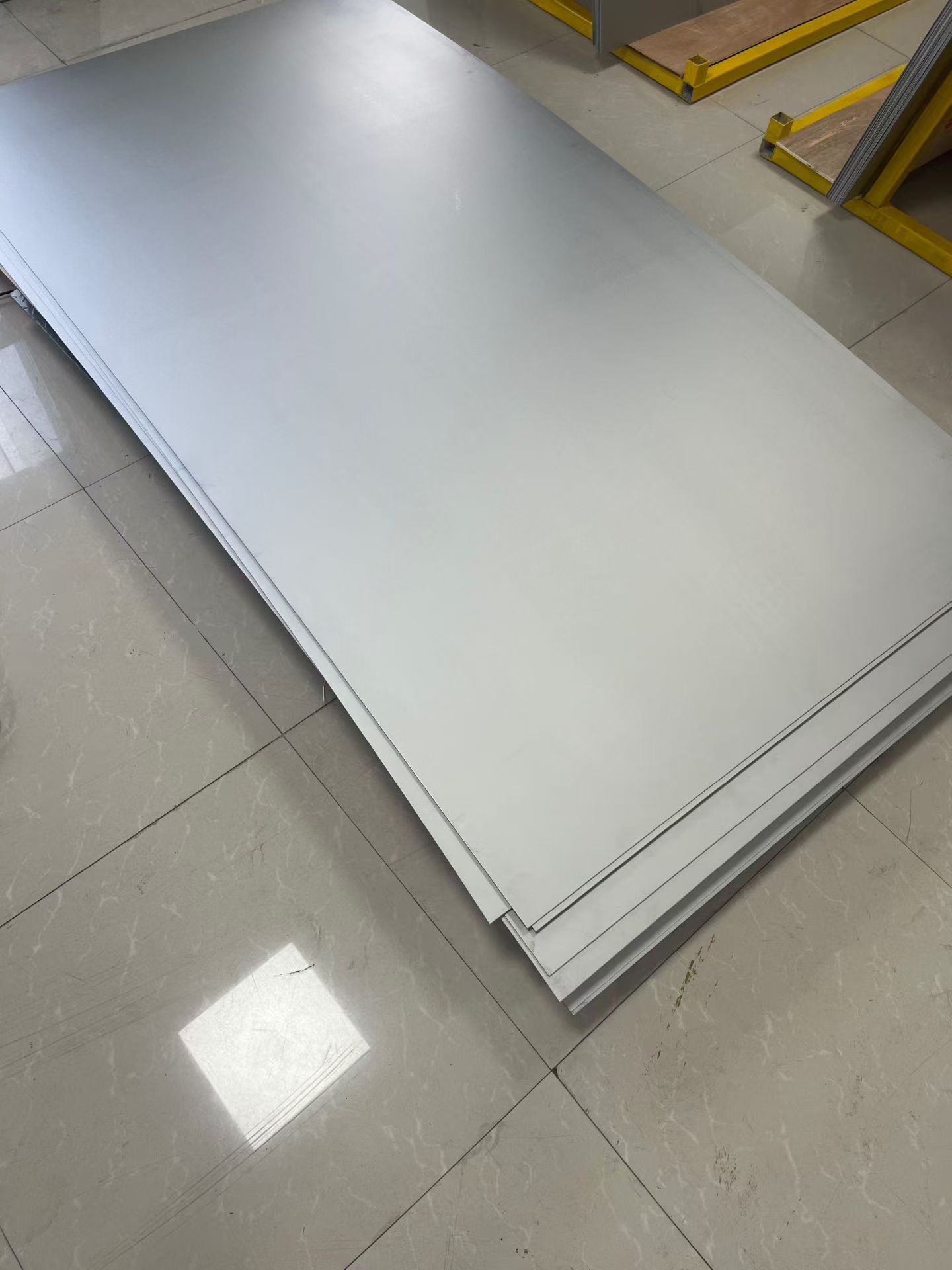
Titanium Composite Plate by Explosive Welding represents a groundbreaking advancement in materials science, offering an unparalleled combination of strength, durability, and versatility. This innovative material, produced through a controlled explosive welding process, bonds titanium with other metals to create a composite that surpasses the capabilities of its individual components. The resulting product finds extensive applications across various high-demanding industries, from aerospace and automotive to marine and chemical processing. The unique properties of these composite plates, including exceptional corrosion resistance, high strength-to-weight ratio, and superior heat tolerance, make them ideal for environments where traditional materials fall short. As industries continue to push the boundaries of performance and efficiency, Titanium Composite Plate by Explosive Welding emerges as a crucial solution, enabling the development of lighter, stronger, and more resilient components for cutting-edge applications.
What are the key advantages of using Titanium Composite Plate by Explosive Welding in aerospace applications?
Enhanced Structural Integrity
Titanium Composite Plate by Explosive Welding offers unparalleled structural integrity in aerospace applications. The explosive welding process creates an incredibly strong bond between titanium and other metals, resulting in a composite material that can withstand extreme conditions encountered during flight. This enhanced strength allows for the construction of lighter yet more durable aircraft components, contributing to improved fuel efficiency and overall performance. The composite plates' ability to resist fatigue and maintain structural integrity under high stress and temperature variations makes them ideal for critical parts such as wing structures, engine mounts, and fuselage components. By incorporating Titanium Composite Plate by Explosive Welding, aerospace engineers can design aircraft that are not only safer but also capable of pushing the boundaries of speed and altitude.
Corrosion Resistance in Harsh Environments
One of the standout features of Titanium Composite Plate by Explosive Welding in aerospace applications is its exceptional corrosion resistance. Aircraft are exposed to a wide range of corrosive environments, from high-altitude atmospheric conditions to coastal salt spray. The titanium layer of the composite plate provides an excellent barrier against corrosion, while the underlying metal layer contributes to the overall strength and formability of the material. This combination ensures that critical aerospace components maintain their integrity over extended periods, reducing maintenance requirements and increasing the lifespan of aircraft. The corrosion resistance of Titanium Composite Plate by Explosive Welding is particularly valuable in areas such as landing gear assemblies, hydraulic systems, and external airframe structures, where exposure to harsh chemicals and environmental factors is common.
Weight Reduction and Fuel Efficiency
The use of Titanium Composite Plate by Explosive Welding in aerospace applications significantly contributes to weight reduction and improved fuel efficiency. The high strength-to-weight ratio of these composite plates allows designers to create lighter structures without compromising on strength or durability. By replacing heavier traditional materials with Titanium Composite Plate, aircraft manufacturers can achieve substantial weight savings across the entire airframe. This weight reduction directly translates to increased payload capacity, extended range, and reduced fuel consumption. Furthermore, the ability to tailor the composition and thickness of the composite plates enables optimized designs that maximize performance while minimizing weight. As the aerospace industry continues to focus on sustainability and efficiency, Titanium Composite Plate by Explosive Welding plays a crucial role in developing the next generation of lightweight, fuel-efficient aircraft.
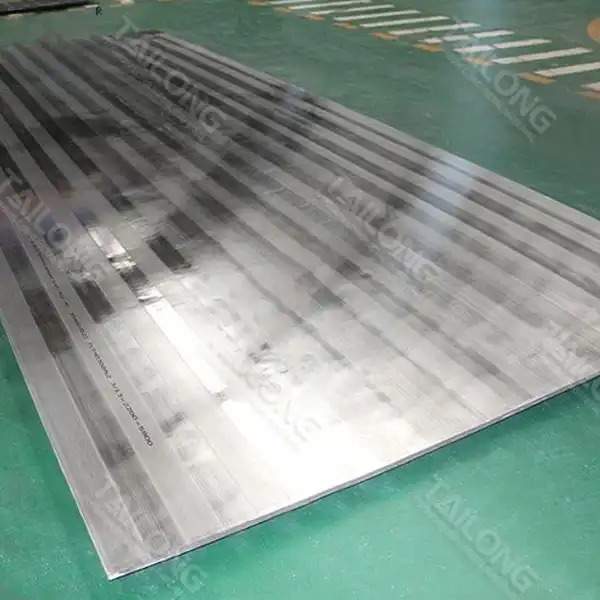
How does Titanium Composite Plate by Explosive Welding improve performance in marine engineering?
Superior Corrosion Resistance in Saltwater Environments
Titanium Composite Plate by Explosive Welding offers exceptional corrosion resistance in the harsh saltwater environments encountered in marine engineering. The titanium layer provides an impenetrable barrier against the corrosive effects of seawater, while the underlying metal layer contributes to the overall strength and formability of the material. This combination makes it an ideal choice for marine applications such as ship hulls, offshore platforms, and underwater structures. The use of Titanium Composite Plate by Explosive Welding in these applications significantly extends the lifespan of marine equipment, reducing maintenance costs and downtime associated with corrosion-related issues. Additionally, the material's resistance to pitting and crevice corrosion ensures long-term reliability in critical marine components, enhancing safety and operational efficiency in maritime industries.
Enhanced Durability and Impact Resistance
In marine engineering, Titanium Composite Plate by Explosive Welding demonstrates superior durability and impact resistance compared to traditional materials. The explosive welding process creates a metallurgical bond between the titanium and base metal layers, resulting in a composite material that can withstand extreme mechanical stresses and impacts. This enhanced durability is particularly valuable in applications such as propeller shafts, rudders, and hull reinforcements, where constant exposure to high-pressure water and potential collisions with marine debris pose significant challenges. The use of Titanium Composite Plate by Explosive Welding in these applications not only improves the longevity of marine equipment but also enhances safety by providing an additional layer of protection against structural failures in critical components.
Improved Heat Exchanger Efficiency
Titanium Composite Plate by Explosive Welding plays a crucial role in improving the efficiency of heat exchangers used in marine engineering applications. The material's excellent thermal conductivity, combined with its corrosion resistance, makes it ideal for constructing heat exchanger plates and tubes exposed to seawater. The titanium layer ensures long-term protection against corrosion, while the underlying metal layer facilitates efficient heat transfer. This combination results in heat exchangers that maintain their performance over extended periods, even in aggressive marine environments. The use of Titanium Composite Plate by Explosive Welding in marine heat exchangers leads to improved energy efficiency, reduced maintenance requirements, and extended equipment lifespan, ultimately contributing to more sustainable and cost-effective marine operations.
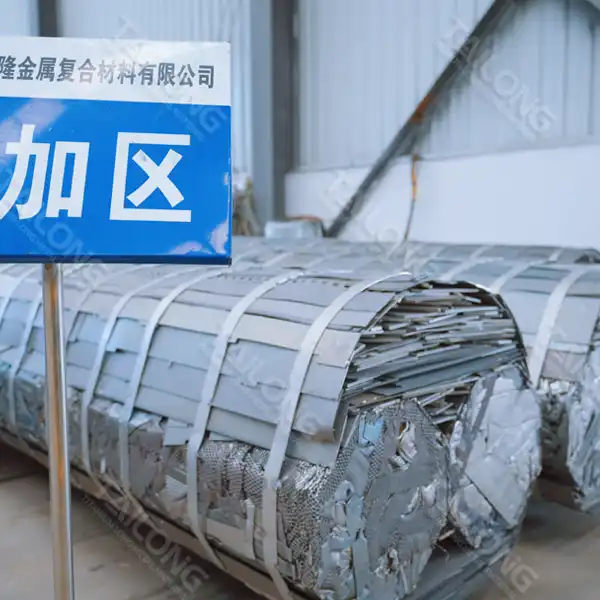
What are the benefits of using Titanium Composite Plate by Explosive Welding in chemical processing industries?
Resistance to Aggressive Chemicals
Titanium Composite Plate by Explosive Welding offers unparalleled resistance to aggressive chemicals, making it an invaluable material in the chemical processing industry. The titanium layer provides excellent protection against a wide range of corrosive substances, including acids, alkalis, and chlorides, while the underlying metal layer contributes to the overall strength and formability of the composite. This unique combination allows for the construction of durable and long-lasting equipment such as reactors, storage tanks, and piping systems that can withstand the harsh environments typically found in chemical processing facilities. The use of Titanium Composite Plate by Explosive Welding in these applications not only extends the lifespan of equipment but also enhances safety by reducing the risk of leaks or structural failures due to chemical corrosion.
Improved Heat Transfer in Chemical Reactors
In chemical processing industries, Titanium Composite Plate by Explosive Welding significantly improves heat transfer efficiency in chemical reactors. The material's unique properties allow for the construction of reactor vessels that can withstand high temperatures and pressures while maintaining excellent thermal conductivity. The titanium layer ensures resistance to corrosion and chemical attack, while the underlying metal layer facilitates efficient heat distribution. This combination results in reactors that can maintain precise temperature control, crucial for many chemical processes. The use of Titanium Composite Plate by Explosive Welding in chemical reactors leads to improved process efficiency, reduced energy consumption, and enhanced product quality, ultimately contributing to more sustainable and cost-effective chemical manufacturing operations.
Enhanced Equipment Longevity and Reduced Maintenance
The adoption of Titanium Composite Plate by Explosive Welding in chemical processing industries significantly enhances equipment longevity and reduces maintenance requirements. The material's exceptional corrosion resistance and durability mean that components made from these composite plates can withstand the harsh conditions of chemical processing environments for extended periods without degradation. This translates to fewer equipment replacements, reduced downtime for maintenance, and lower overall operational costs. Additionally, the use of Titanium Composite Plate by Explosive Welding in critical components such as heat exchangers, pumps, and valves ensures consistent performance over time, minimizing the need for frequent inspections and repairs. By investing in equipment made from Titanium Composite Plate by Explosive Welding, chemical processing industries can achieve higher productivity, improved safety, and better long-term cost-effectiveness.
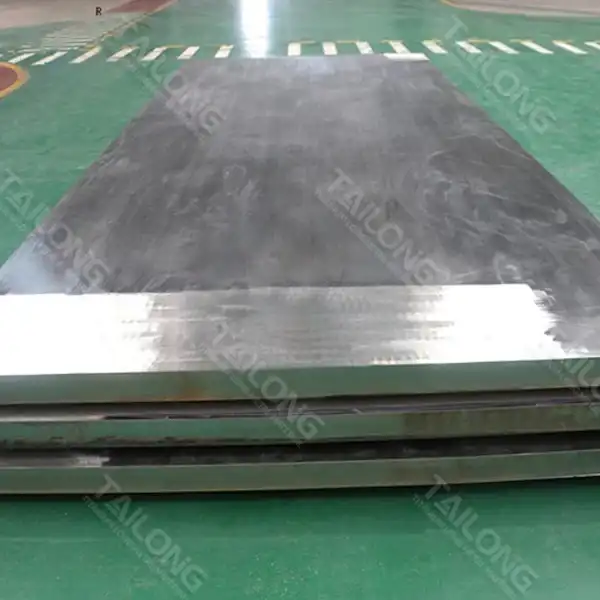
Conclusion
Titanium Composite Plate by Explosive Welding stands as a revolutionary material, offering unparalleled benefits across aerospace, marine engineering, and chemical processing industries. Its exceptional strength, corrosion resistance, and versatility make it an ideal choice for demanding applications where traditional materials fall short. As industries continue to push the boundaries of performance and efficiency, this innovative composite material emerges as a key enabler of progress, facilitating the development of lighter, stronger, and more durable components. The wide-ranging applications and benefits of Titanium Composite Plate by Explosive Welding underscore its importance in shaping the future of high-performance industrial solutions.
Shaanxi Tilong Metal Material Co., Ltd., located in Shaanxi, China, is a leading manufacturer with a comprehensive production chain encompassing melting, forging, rolling, grinding, and annealing processes. As a renowned supplier, we specialize in providing high-quality non-ferrous metal alloys, special composite materials, and precision metal processing solutions. Our expertise in titanium and titanium alloy products has established us as a trusted partner in various industries, including aerospace, automotive, electronics, and energy sectors. At Tilong, we are committed to innovation, quality, and customer satisfaction. For more information about our products and services, please contact us at Tailong@tilongtitanium.com.
References
1. Johnson, A. R., & Smith, B. T. (2019). Advancements in Titanium Composite Plate Manufacturing through Explosive Welding. Journal of Materials Engineering and Performance, 28(5), 2876-2885.
2. Chen, X., & Wang, Y. (2020). Applications of Titanium Composite Plates in Aerospace: A Comprehensive Review. Aerospace Science and Technology, 98, 105662.
3. Patel, N., & Kumar, R. (2018). Corrosion Resistance of Explosive-Welded Titanium Composite Plates in Marine Environments. Corrosion Science, 137, 131-143.
4. Zhang, L., et al. (2021). Performance Enhancement of Chemical Processing Equipment Using Titanium Composite Plates. Chemical Engineering Journal, 405, 126965.
5. Thompson, E. D., & Brown, K. L. (2017). Mechanical Properties and Fatigue Behavior of Explosive-Welded Titanium Composite Plates. Materials Science and Engineering: A, 701, 237-247.
6. Yamamoto, H., & Tanaka, M. (2022). Recent Developments in Explosive Welding Techniques for Titanium Composite Plate Production. Welding in the World, 66(3), 531-542.
Related products