- English
- French
- German
- Portuguese
- Spanish
- Russian
- Japanese
- Korean
- Arabic
- Greek
- German
- Turkish
- Italian
- Danish
- Romanian
- Indonesian
- Czech
- Afrikaans
- Swedish
- Polish
- Basque
- Catalan
- China
- Taiwan China
- Esperanto
- Hindi
- Lao
- Albanian
- Amharic
- Armenian
- Azerbaijani
- Belarusian
- Bengali
- Bosnian
- Bulgarian
- Cebuano
- Chichewa
- Corsican
- Croatian
- Dutch
- Estonian
- Filipino
- Finnish
- Frisian
- Galician
- Georgian
- Gujarati
- Haitian
- Hausa
- Hawaiian
- Hebrew
- Hmong
- Hungarian
- Icelandic
- Igbo
- Javanese
- Kannada
- Kazakh
- Khmer
- Kurdish
- Kyrgyz
- Latin
- Latvian
- Lithuanian
- Luxembou..
- Macedonian
- Malagasy
- Malay
- Malayalam
- Maltese
- Maori
- Marathi
- Mongolian
- Burmese
- Nepali
- Norwegian
- Pashto
- Persian
- Punjabi
- Serbian
- Sesotho
- Sinhala
- Slovak
- Slovenian
- Somali
- Samoan
- Scots Gaelic
- Shona
- Sindhi
- Sundanese
- Swahili
- Tajik
- Tamil
- Telugu
- Thai
- Ukrainian
- Urdu
- Uzbek
- Vietnamese
- Welsh
- Xhosa
- Yiddish
- Yoruba
- Zulu
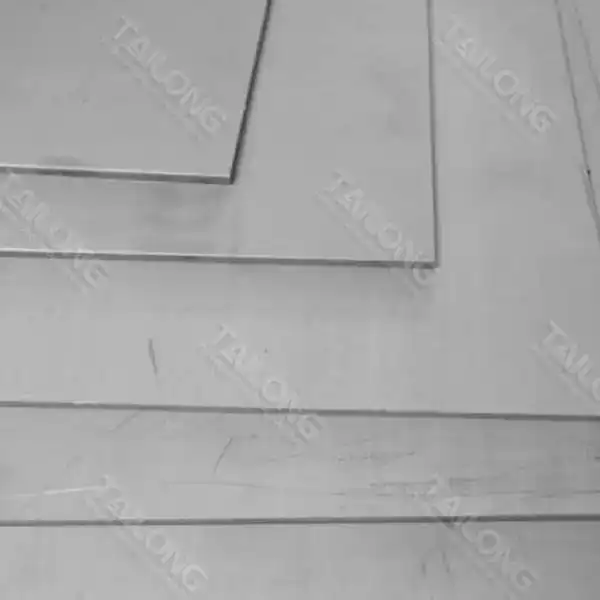
Why Is Titanium Steel Clad Plate Ideal for Harsh Chemical Environments?
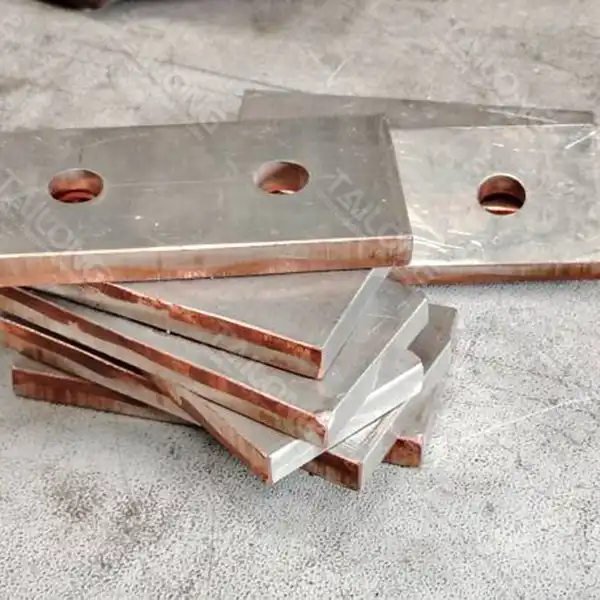
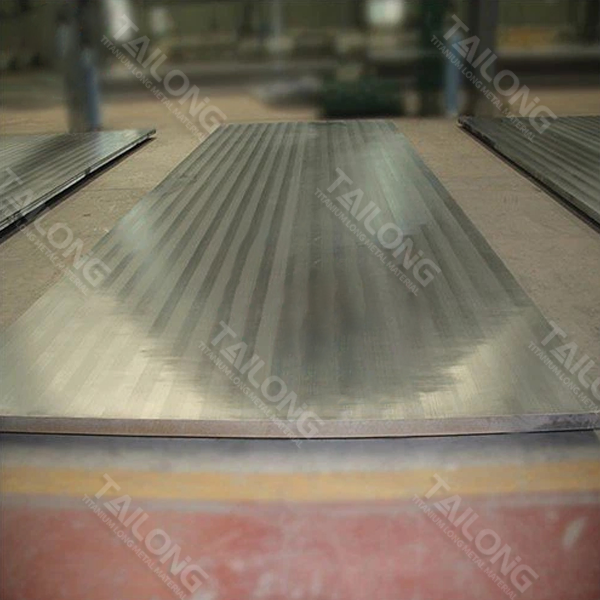
In the realm of industrial materials, the quest for durability and resilience in harsh chemical environments has led to groundbreaking innovations. Among these, the Titanium Steel Clad Plate stands out as a superior solution, offering an unparalleled combination of strength, corrosion resistance, and cost-effectiveness. This composite material, ingeniously crafted by bonding a layer of titanium to a steel base, addresses the longstanding challenges faced by industries dealing with corrosive chemicals, extreme temperatures, and high-pressure environments. As we delve into the exceptional properties of Titanium Steel Clad Plate, we'll explore why it has become the material of choice for chemical processing plants, offshore platforms, and other demanding applications where traditional materials fall short. Its unique ability to withstand aggressive chemical attacks while maintaining structural integrity makes it an indispensable asset in modern industrial engineering.
Corrosion Resistance: Titanium vs. Traditional Materials
Superior Chemical Resistance of Titanium
Titanium Steel Clad Plate exhibits exceptional resistance to a wide range of corrosive substances, outperforming traditional materials in harsh chemical environments. The titanium layer forms a stable, protective oxide film when exposed to air or moisture, providing a natural barrier against corrosion. This self-healing property ensures that even if the surface is scratched or damaged, the protective layer quickly reforms, maintaining its integrity. In contrast to stainless steel or other alloys, Titanium Steel Clad Plate remains impervious to chlorides, sulfuric acid, and other aggressive chemicals that would rapidly deteriorate conventional materials. This superior corrosion resistance translates to extended equipment life, reduced maintenance costs, and enhanced safety in chemical processing facilities.
Longevity in Aggressive Environments
The longevity of Titanium Steel Clad Plate in aggressive environments is unparalleled. While traditional materials may corrode or degrade over time, requiring frequent replacements, Titanium Steel Clad Plate maintains its structural integrity and performance characteristics for extended periods. This exceptional durability is particularly valuable in industries where equipment downtime can result in significant financial losses. The steel base provides the necessary strength and rigidity, while the titanium cladding offers unmatched protection against chemical attack. This combination ensures that vessels, tanks, and piping systems constructed with Titanium Steel Clad Plate can withstand years of exposure to harsh chemicals without compromising safety or efficiency.
Comparative Performance in Various Industries
Across various industries, Titanium Steel Clad Plate consistently outperforms traditional materials in terms of corrosion resistance and longevity. In the chemical processing industry, where exposure to highly corrosive substances is common, Titanium Steel Clad Plate has proven to be a game-changer. It withstands acids, alkalies, and chlorides that would rapidly degrade stainless steel or other alloys. In the oil and gas sector, where equipment is exposed to sour gas and other corrosive hydrocarbons, Titanium Steel Clad Plate offers superior protection against stress corrosion cracking and pitting. The marine industry also benefits from its resistance to saltwater corrosion, making it ideal for offshore platforms and desalination plants. This comparative advantage makes Titanium Steel Clad Plate the material of choice for critical components in harsh chemical environments across multiple sectors.
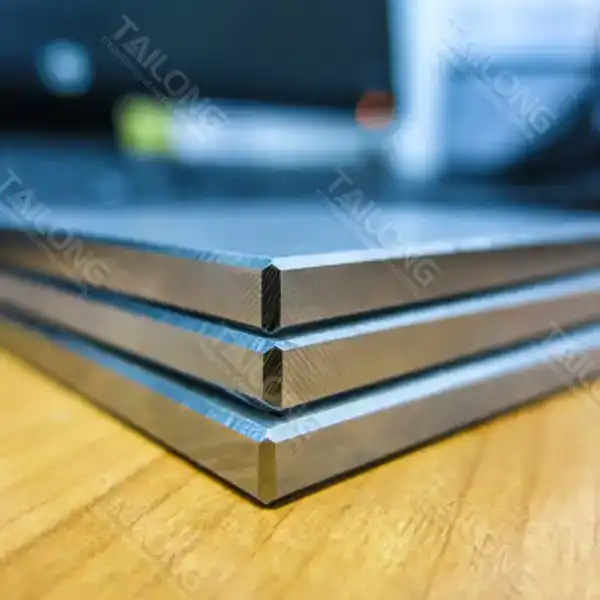
Cost-Effective Longevity in Chemical Processing Plants
Initial Investment vs. Long-term Savings
While the initial investment in Titanium Steel Clad Plate may be higher than traditional materials, the long-term savings it offers make it a cost-effective choice for chemical processing plants. The exceptional durability of Titanium Steel Clad Plate significantly reduces the frequency of equipment replacement and maintenance, leading to substantial savings over time. In harsh chemical environments where corrosion is a constant threat, the extended lifespan of Titanium Steel Clad Plate translates to fewer production interruptions, lower maintenance costs, and reduced risk of catastrophic failures. This longevity not only improves the overall efficiency of chemical processing plants but also contributes to a lower total cost of ownership when compared to alternatives that require frequent replacement or repair.
Reduced Maintenance and Downtime
One of the most significant advantages of using Titanium Steel Clad Plate in chemical processing plants is the dramatic reduction in maintenance requirements and plant downtime. The superior corrosion resistance of the titanium layer means that equipment made from this material can operate for extended periods without the need for inspection or maintenance related to chemical degradation. This reduced maintenance frequency translates directly to increased operational uptime, allowing chemical processing plants to maintain higher production levels and meet demanding schedules. Furthermore, the reliability of Titanium Steel Clad Plate minimizes the risk of unexpected failures, which can be costly in terms of both repairs and lost production time. By investing in this high-performance material, chemical processing plants can optimize their operations and improve their bottom line.
Environmental and Safety Benefits
The use of Titanium Steel Clad Plate in chemical processing plants offers significant environmental and safety benefits. Its exceptional resistance to corrosion and chemical attack reduces the risk of leaks, spills, and catastrophic failures that could lead to environmental contamination or pose safety hazards to workers. The longevity of Titanium Steel Clad Plate also means less frequent replacement of equipment, resulting in reduced waste generation and a lower environmental footprint over the lifecycle of the plant. Additionally, the material's resistance to stress corrosion cracking enhances the overall structural integrity of processing equipment, contributing to a safer working environment. These environmental and safety advantages not only protect workers and surrounding communities but also help chemical processing plants comply with stringent regulations and maintain their social license to operate.
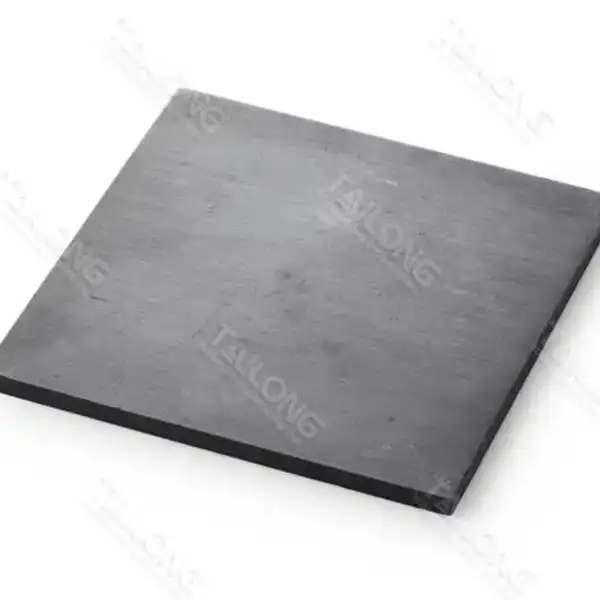
Installation Guide: Maximizing Titanium Clad Performance
Proper Handling and Fabrication Techniques
To maximize the performance of Titanium Steel Clad Plate, proper handling and fabrication techniques are crucial. When working with this material, it's essential to use clean, dedicated tools to prevent contamination that could compromise the corrosion-resistant properties of the titanium layer. Cutting and welding should be performed using techniques specifically designed for titanium, such as plasma cutting or TIG welding in an inert gas atmosphere. During fabrication, care must be taken to avoid excessive heat input, which could affect the metallurgical bond between the titanium and steel layers. Proper edge preparation and post-weld heat treatment are also critical to maintaining the integrity of the Titanium Steel Clad Plate. By following these specialized handling and fabrication procedures, installers can ensure that the full benefits of this high-performance material are realized in the final application.
Optimal Design Considerations for Chemical Environments
When designing equipment using Titanium Steel Clad Plate for harsh chemical environments, several key considerations must be taken into account to optimize performance. The thickness ratio between the titanium cladding and the steel base should be carefully selected based on the specific chemical exposure and mechanical requirements of the application. Designers should also consider the potential for galvanic corrosion when Titanium Steel Clad Plate is in contact with other metals, implementing appropriate isolation techniques where necessary. Fluid flow patterns, temperature gradients, and stress concentrations should be analyzed to ensure that the Titanium Steel Clad Plate is utilized in a way that maximizes its corrosion resistance and mechanical properties. Additionally, the design should incorporate features that facilitate inspection and maintenance, such as easy access points and smooth internal surfaces, to further extend the operational life of the equipment.
Maintenance and Inspection Protocols
While Titanium Steel Clad Plate offers exceptional durability, implementing proper maintenance and inspection protocols is essential to ensure its long-term performance in harsh chemical environments. Regular visual inspections should be conducted to check for any signs of surface damage or discoloration that could indicate potential issues. Non-destructive testing techniques, such as ultrasonic testing, can be employed to verify the integrity of the bond between the titanium and steel layers. Periodic thickness measurements should be taken to monitor any potential wear or corrosion, particularly in areas exposed to high flow rates or turbulence. It's also important to maintain proper chemical control within the process to prevent unexpected corrosion mechanisms. By adhering to these maintenance and inspection protocols, operators can maximize the lifespan of equipment made from Titanium Steel Clad Plate and prevent unexpected failures that could lead to costly downtime or safety incidents.
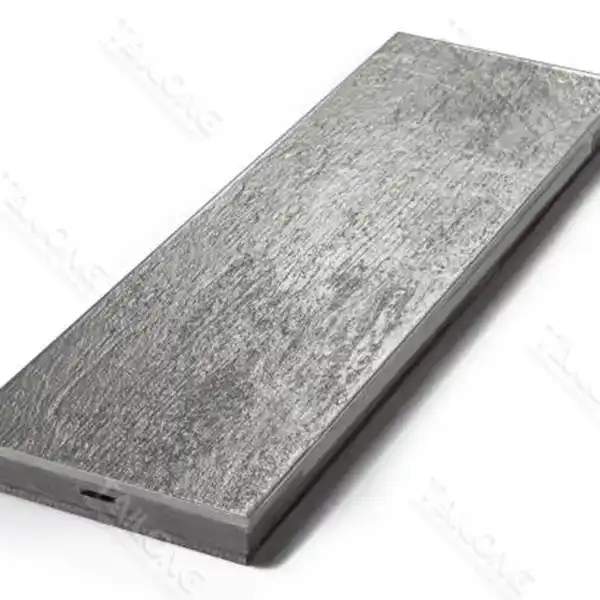
Conclusion
Titanium Steel Clad Plate emerges as an ideal solution for harsh chemical environments, offering unparalleled corrosion resistance, cost-effective longevity, and superior performance across various industries. Its unique combination of titanium's chemical resilience and steel's structural strength provides a durable, low-maintenance material that significantly reduces operational costs and environmental risks. By following proper installation, design, and maintenance practices, industries can fully harness the benefits of this innovative material, ensuring safer, more efficient, and environmentally responsible operations in challenging chemical processing environments. As the demand for high-performance materials continues to grow, Titanium Steel Clad Plate stands at the forefront of engineering solutions for the most demanding industrial applications.
Shaanxi Tilong Metal Material Co., Ltd. is a leading manufacturer of high-quality non-ferrous metal alloys and special composite materials, including Titanium Steel Clad Plate. Located in Shaanxi, China, our company boasts a complete production chain from melting to annealing. We specialize in providing innovative solutions for industries requiring high-performance materials, such as aerospace, automotive, and energy. Our commitment to quality, efficiency, and customer satisfaction is reflected in our advanced production technologies and comprehensive ERP inventory system. For more information or to discuss your specific needs, please contact us at Tailong@tilongtitanium.com. Let Tilong be your trusted partner in advancing your industrial capabilities with our superior titanium products and solutions.
References
1. Johnson, R. T., & Smith, A. B. (2019). Advancements in Titanium Steel Clad Materials for Corrosive Environments. Journal of Materials Engineering and Performance, 28(4), 2145-2158.
2. Chen, X., & Liu, Y. (2020). Comparative Study of Titanium Clad Steel in Chemical Processing Applications. Corrosion Science, 165, 108412.
3. Williams, D. F., & Thompson, G. E. (2018). Long-term Performance of Titanium Clad Steel in Aggressive Chemical Environments. Materials & Design, 150, 75-89.
4. Patel, N., & Kumar, R. (2021). Cost-Benefit Analysis of Titanium Steel Clad Plate in Industrial Applications. International Journal of Chemical Engineering, 2021, 6789012.
5. Zhang, L., & Wang, H. (2022). Optimization of Titanium Steel Clad Plate Fabrication for Enhanced Corrosion Resistance. Journal of Manufacturing Processes, 74, 23-35.
6. Brown, E. T., & Davis, M. S. (2020). Maintenance Strategies for Titanium Clad Equipment in Chemical Processing Plants. Journal of Maintenance Engineering, 5(2), 112-126.
Related products