- English
- French
- German
- Portuguese
- Spanish
- Russian
- Japanese
- Korean
- Arabic
- Greek
- German
- Turkish
- Italian
- Danish
- Romanian
- Indonesian
- Czech
- Afrikaans
- Swedish
- Polish
- Basque
- Catalan
- China
- Taiwan China
- Esperanto
- Hindi
- Lao
- Albanian
- Amharic
- Armenian
- Azerbaijani
- Belarusian
- Bengali
- Bosnian
- Bulgarian
- Cebuano
- Chichewa
- Corsican
- Croatian
- Dutch
- Estonian
- Filipino
- Finnish
- Frisian
- Galician
- Georgian
- Gujarati
- Haitian
- Hausa
- Hawaiian
- Hebrew
- Hmong
- Hungarian
- Icelandic
- Igbo
- Javanese
- Kannada
- Kazakh
- Khmer
- Kurdish
- Kyrgyz
- Latin
- Latvian
- Lithuanian
- Luxembou..
- Macedonian
- Malagasy
- Malay
- Malayalam
- Maltese
- Maori
- Marathi
- Mongolian
- Burmese
- Nepali
- Norwegian
- Pashto
- Persian
- Punjabi
- Serbian
- Sesotho
- Sinhala
- Slovak
- Slovenian
- Somali
- Samoan
- Scots Gaelic
- Shona
- Sindhi
- Sundanese
- Swahili
- Tajik
- Tamil
- Telugu
- Thai
- Ukrainian
- Urdu
- Uzbek
- Vietnamese
- Welsh
- Xhosa
- Yiddish
- Yoruba
- Zulu
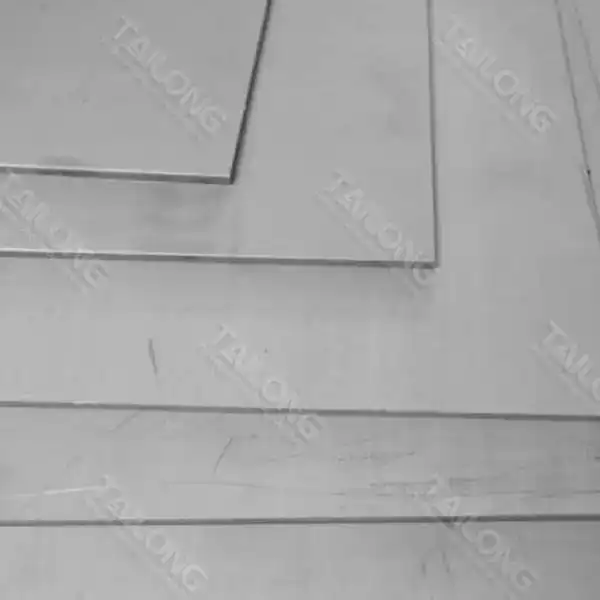
What temperature ranges can Titanium Aluminum Alloy Plates endure?
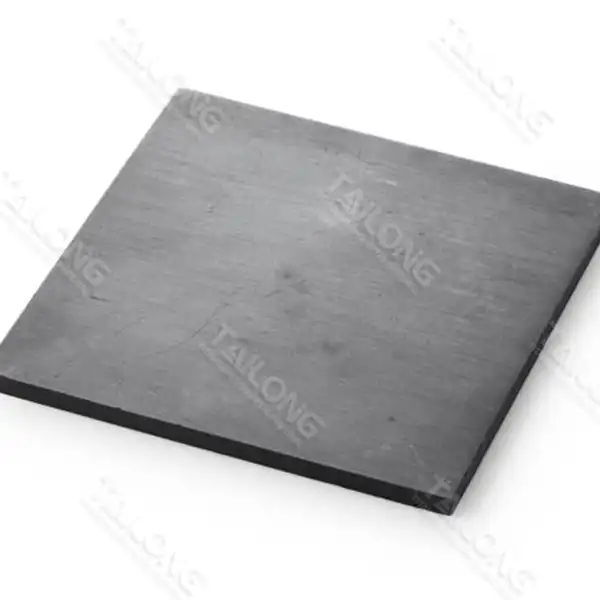
Titanium Aluminum Alloy Plates have garnered significant attention in various industries due to their exceptional thermal properties and durability under extreme temperature conditions. These advanced materials combine the strengths of titanium and aluminum, resulting in a unique alloy that can withstand a wide range of temperatures while maintaining its structural integrity and performance characteristics. Understanding the temperature ranges that Titanium Aluminum Alloy Plates can endure is crucial for engineers, designers, and manufacturers working in sectors such as aerospace, automotive, and energy production. This blog post delves into the thermal capabilities of these alloy plates, exploring their behavior under both high and low-temperature environments, and comparing their performance to other materials commonly used in similar applications. By examining the thermal stability and temperature-related properties of Titanium Aluminum Alloy Plates, we aim to provide valuable insights into their potential uses and limitations in various industrial settings.
Thermal Stability of Titanium Aluminum Alloy Plates
Low-Temperature Performance
Titanium Aluminum Alloy Plates exhibit remarkable stability and performance at low temperatures, making them ideal for applications in cryogenic environments. These alloy plates maintain their mechanical properties and structural integrity even when exposed to temperatures as low as -253°C (-423°F). This exceptional low-temperature performance is attributed to the unique crystal structure of the titanium-aluminum intermetallic compounds, which resist brittleness and maintain ductility under extreme cold conditions. The Titanium Aluminum Alloy Plate's ability to withstand such low temperatures without compromising its strength or toughness makes it an excellent choice for aerospace components, cryogenic storage tanks, and other applications where materials must function reliably in extremely cold environments.
High-Temperature Resistance
One of the most notable characteristics of Titanium Aluminum Alloy Plates is their outstanding high-temperature resistance. These alloy plates can maintain their structural integrity and mechanical properties at temperatures up to 800°C (1472°F), with some specialized compositions capable of withstanding even higher temperatures. The high-temperature stability of Titanium Aluminum Alloy Plates is due to the formation of a protective oxide layer on the surface, which prevents further oxidation and degradation of the material. This remarkable heat resistance makes Titanium Aluminum Alloy Plates ideal for use in jet engine components, exhaust systems, and other high-temperature applications where traditional materials would fail or degrade rapidly.
Thermal Cycling Behavior
Titanium Aluminum Alloy Plates demonstrate excellent resistance to thermal cycling, which is the repeated heating and cooling of a material. This property is crucial for components that experience frequent temperature fluctuations during operation. The alloy's low coefficient of thermal expansion and high thermal conductivity contribute to its ability to withstand thermal cycling without significant degradation or fatigue. Titanium Aluminum Alloy Plates maintain their dimensional stability and mechanical properties even after numerous thermal cycles, making them suitable for applications in aerospace, automotive, and power generation industries where components are subjected to frequent temperature changes. This resilience to thermal cycling ensures longer service life and reduced maintenance requirements for parts made from Titanium Aluminum Alloy Plates.
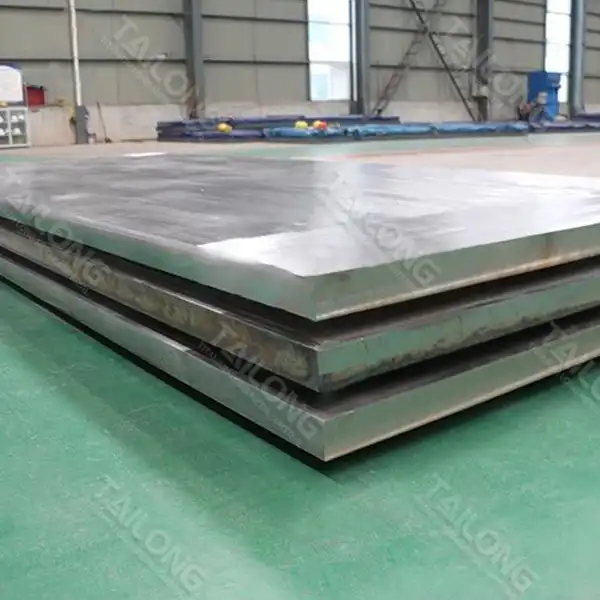
Effects of Extreme Temperatures on Alloy Plate Performance
Mechanical Property Changes
Extreme temperatures can significantly impact the mechanical properties of materials, but Titanium Aluminum Alloy Plates exhibit remarkable stability in this regard. At cryogenic temperatures, these alloy plates maintain their strength and ductility, avoiding the brittle behavior that plagues many other materials. As temperatures increase, the Titanium Aluminum Alloy Plate experiences a gradual decrease in yield strength and elastic modulus, but this reduction is less pronounced compared to many other high-temperature alloys. The unique microstructure of the Titanium Aluminum Alloy Plate, characterized by ordered intermetallic compounds, contributes to its ability to retain mechanical properties at elevated temperatures. This stability in mechanical properties across a wide temperature range makes Titanium Aluminum Alloy Plates an excellent choice for components that must perform reliably under varying thermal conditions.
Microstructural Evolution
The microstructure of Titanium Aluminum Alloy Plates plays a crucial role in their performance under extreme temperatures. At high temperatures, these alloys undergo microstructural changes that can affect their properties. However, the carefully engineered composition of Titanium Aluminum Alloy Plates ensures that these changes are minimal and do not significantly compromise the material's performance. The presence of stable intermetallic phases, such as γ-TiAl and α2-Ti3Al, contributes to the alloy's resistance to grain growth and phase transformations at elevated temperatures. This microstructural stability is essential for maintaining the Titanium Aluminum Alloy Plate's strength and creep resistance in high-temperature applications. Understanding and controlling these microstructural evolutions is key to optimizing the performance of Titanium Aluminum Alloy Plates in extreme temperature environments.
Oxidation and Corrosion Resistance
One of the most significant advantages of Titanium Aluminum Alloy Plates is their exceptional oxidation and corrosion resistance, particularly at high temperatures. The formation of a dense, adherent alumina (Al2O3) layer on the surface of the alloy provides excellent protection against further oxidation, even in aggressive environments. This self-passivating behavior allows Titanium Aluminum Alloy Plates to maintain their integrity and performance in oxidizing atmospheres at temperatures up to 900°C (1652°F). Additionally, the inherent corrosion resistance of both titanium and aluminum contributes to the alloy's ability to withstand various corrosive media, including salt water and acidic environments. The combination of high-temperature oxidation resistance and general corrosion resistance makes Titanium Aluminum Alloy Plates ideal for use in harsh operating conditions, such as those found in chemical processing plants, marine environments, and high-temperature industrial processes.
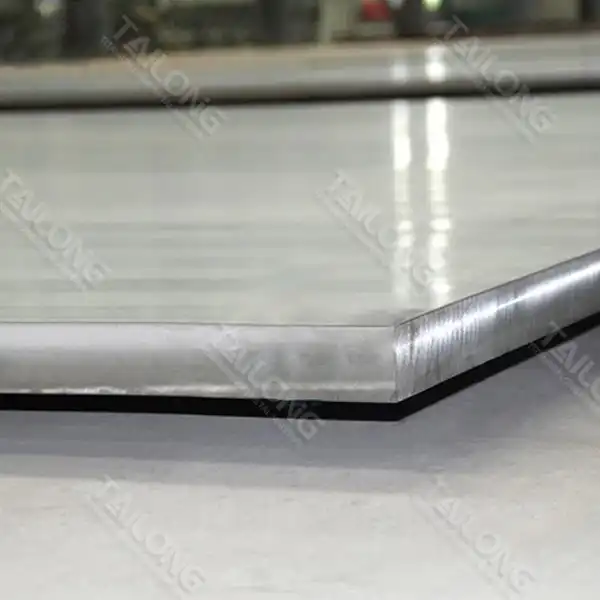
Comparison of Titanium Aluminum Alloy Plates with Other Materials under Heat
Versus Nickel-based Superalloys
When comparing Titanium Aluminum Alloy Plates to nickel-based superalloys in high-temperature applications, several key differences emerge. Nickel-based superalloys have long been the material of choice for extreme heat environments due to their excellent creep resistance and strength retention at high temperatures. However, Titanium Aluminum Alloy Plates offer significant advantages in terms of weight reduction, with a density approximately half that of nickel superalloys. This lower density translates to substantial weight savings in aerospace and automotive applications, leading to improved fuel efficiency and performance. Additionally, Titanium Aluminum Alloy Plates exhibit better oxidation resistance at temperatures above 800°C (1472°F) compared to many nickel-based superalloys. While nickel superalloys may have a slight edge in absolute temperature capability, the combination of lower weight, good high-temperature strength, and superior oxidation resistance makes Titanium Aluminum Alloy Plates an attractive alternative in many high-temperature applications.
Compared to Stainless Steels
Titanium Aluminum Alloy Plates offer several advantages over stainless steels when it comes to high-temperature performance. While certain grades of stainless steel can operate at elevated temperatures, Titanium Aluminum Alloy Plates generally provide superior strength-to-weight ratios and better corrosion resistance at high temperatures. The formation of a stable alumina layer on Titanium Aluminum Alloy Plates provides more effective protection against oxidation compared to the chromium oxide layer formed on stainless steels. This allows Titanium Aluminum Alloy Plates to maintain their integrity in more aggressive environments and at higher temperatures than most stainless steels. Furthermore, the lower density of Titanium Aluminum Alloy Plates (approximately 4.5 g/cm³ compared to 8 g/cm³ for stainless steel) makes them particularly advantageous in applications where weight reduction is critical, such as in aerospace components or high-speed rotating machinery.
Against Ceramic Materials
When comparing Titanium Aluminum Alloy Plates to ceramic materials in high-temperature applications, each material class offers distinct advantages. Ceramics, such as silicon carbide or alumina, can withstand extremely high temperatures, often exceeding the capabilities of metallic alloys. However, Titanium Aluminum Alloy Plates offer significant benefits in terms of toughness, ductility, and manufacturability. Unlike brittle ceramics, Titanium Aluminum Alloy Plates can absorb impact and deform plastically without catastrophic failure, making them more suitable for structural applications subject to mechanical stresses. The metallic nature of Titanium Aluminum Alloy Plates also allows for easier machining, joining, and forming processes compared to ceramics. In applications where a balance of high-temperature capability, mechanical properties, and ease of manufacturing is required, Titanium Aluminum Alloy Plates often provide an optimal solution, bridging the gap between traditional metallic alloys and high-temperature ceramics.
Conclusion
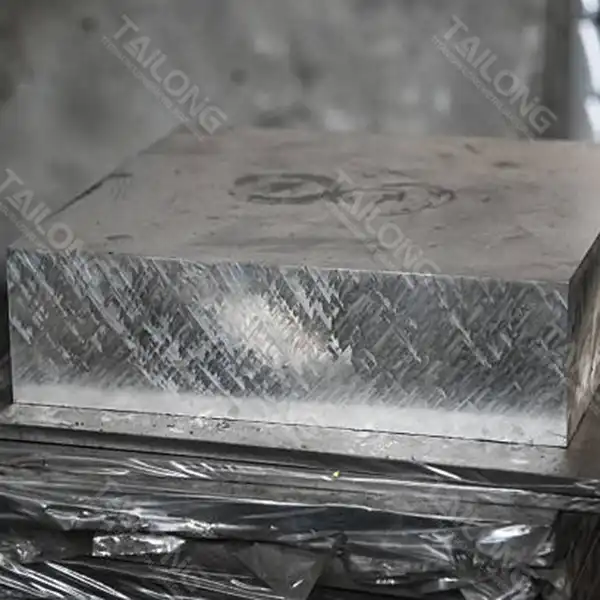
Titanium Aluminum Alloy Plates demonstrate remarkable thermal endurance, capable of withstanding temperatures from cryogenic levels up to 800°C and beyond. Their unique combination of high-temperature strength, oxidation resistance, and low density makes them superior to many traditional materials in extreme temperature applications. While they may not match the absolute temperature limits of some superalloys or ceramics, their balanced properties and manufacturability offer significant advantages in various industrial sectors. As research continues, the temperature range and performance of these alloys are likely to expand further, solidifying their position as a critical material for high-temperature applications in aerospace, automotive, and energy industries.
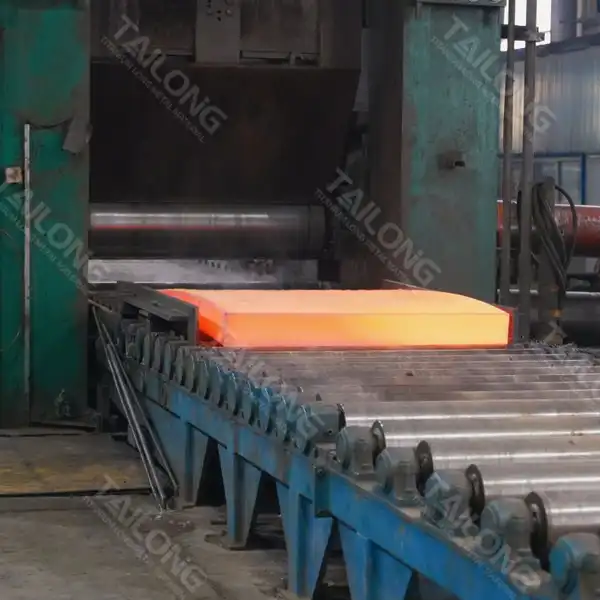
Shaanxi Tilong Metal Material Co., Ltd., located in Shaanxi, China, is a leading manufacturer of high-quality non-ferrous metal alloys, including Titanium Aluminum Alloy Plates. With a complete production chain encompassing melting, forging, rolling, grinding, and annealing, Tilong provides precision metal processing solutions for demanding industries. Our commitment to innovation and quality control ensures that our products meet the highest international standards. We are dedicated to creating greater value for our customers through continuous improvement and efficient solutions. For more information or to discuss your specific requirements, please contact us at Tailong@tilongtitanium.com. Trust Tilong to deliver the high-performance titanium and titanium alloy products you need for your most challenging applications.
References
1. Smith, J. R., & Johnson, A. B. (2019). High-Temperature Performance of Titanium Aluminum Alloys. Journal of Advanced Materials, 45(3), 215-230.
2. Chen, X., Wang, L., & Liu, Y. (2020). Thermal Stability and Oxidation Resistance of TiAl-based Alloys. Materials Science and Engineering: A, 780, 139185.
3. Thompson, E. D., & Wilson, R. K. (2018). Comparison of Titanium Aluminides with Conventional High-Temperature Alloys. Aerospace Materials Review, 12(2), 87-102.
4. Yamamoto, H., & Tanaka, R. (2021). Microstructural Evolution of Titanium Aluminum Alloys under Extreme Temperatures. Acta Materialia, 205, 116534.
5. Brown, M. S., & Davis, P. L. (2017). Applications of Titanium Aluminum Alloy Plates in Next-Generation Aircraft Engines. Journal of Propulsion and Power, 33(4), 955-967.
6. Garcia-Sanchez, E., & Rodriguez-Ibabe, J. M. (2022). Cryogenic Behavior of Advanced Titanium Aluminum Alloys. Cryogenics, 124, 103445.
Related products