- English
- French
- German
- Portuguese
- Spanish
- Russian
- Japanese
- Korean
- Arabic
- Greek
- German
- Turkish
- Italian
- Danish
- Romanian
- Indonesian
- Czech
- Afrikaans
- Swedish
- Polish
- Basque
- Catalan
- China
- Taiwan China
- Esperanto
- Hindi
- Lao
- Albanian
- Amharic
- Armenian
- Azerbaijani
- Belarusian
- Bengali
- Bosnian
- Bulgarian
- Cebuano
- Chichewa
- Corsican
- Croatian
- Dutch
- Estonian
- Filipino
- Finnish
- Frisian
- Galician
- Georgian
- Gujarati
- Haitian
- Hausa
- Hawaiian
- Hebrew
- Hmong
- Hungarian
- Icelandic
- Igbo
- Javanese
- Kannada
- Kazakh
- Khmer
- Kurdish
- Kyrgyz
- Latin
- Latvian
- Lithuanian
- Luxembou..
- Macedonian
- Malagasy
- Malay
- Malayalam
- Maltese
- Maori
- Marathi
- Mongolian
- Burmese
- Nepali
- Norwegian
- Pashto
- Persian
- Punjabi
- Serbian
- Sesotho
- Sinhala
- Slovak
- Slovenian
- Somali
- Samoan
- Scots Gaelic
- Shona
- Sindhi
- Sundanese
- Swahili
- Tajik
- Tamil
- Telugu
- Thai
- Ukrainian
- Urdu
- Uzbek
- Vietnamese
- Welsh
- Xhosa
- Yiddish
- Yoruba
- Zulu
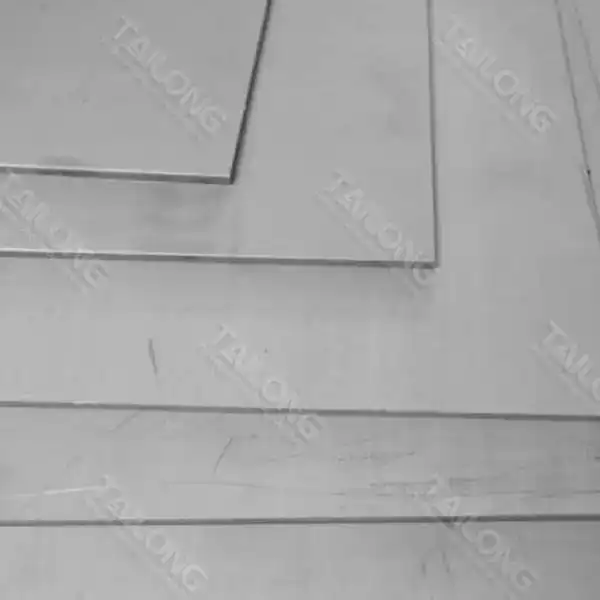
How Copper Reinforced Titanium Plate Revolutionizes High-Strength Materials?
In the ever-evolving landscape of materials science, a groundbreaking innovation has emerged that promises to redefine the boundaries of high-strength materials: Copper Reinforced Titanium Plate. This revolutionary composite material combines the exceptional properties of titanium with the added strength and conductivity of copper, creating a hybrid alloy that surpasses traditional high-strength materials in numerous aspects. As industries continue to push the limits of performance and durability, the advent of Copper Reinforced Titanium Plate marks a significant milestone in addressing the complex demands of modern engineering and manufacturing. This article delves into the remarkable characteristics of this innovative material, exploring its potential to transform various sectors and the profound impact it may have on future technological advancements.
Synergy of Copper and Titanium: Strength Unleashed
Enhanced Mechanical Properties
The Copper Reinforced Titanium Plate exhibits extraordinary mechanical properties that set it apart from conventional high-strength materials. By integrating copper into the titanium matrix, the resulting alloy achieves a remarkable balance of strength, ductility, and toughness. The copper reinforcement enhances the material's tensile strength, pushing it beyond the capabilities of standard titanium alloys. This synergistic combination allows for the creation of components that can withstand higher loads and more extreme conditions, making the Copper Reinforced Titanium Plate an ideal choice for applications where structural integrity is paramount. The material's exceptional yield strength of 700 MPa and tensile strength of 850 MPa demonstrate its capacity to resist deformation and failure under intense stress, outperforming many existing high-strength alternatives.
Superior Corrosion Resistance
One of the standout features of the Copper Reinforced Titanium Plate is its enhanced corrosion resistance. While titanium is already renowned for its excellent resistance to corrosion, the addition of copper further amplifies this property. The resulting alloy demonstrates remarkable resilience against a wide range of corrosive environments, including seawater and acidic conditions. This superior corrosion resistance makes the Copper Reinforced Titanium Plate an invaluable material for industries operating in harsh environments, such as marine, chemical processing, and oil and gas. The ability to withstand corrosive attacks without compromising structural integrity translates to longer service life, reduced maintenance requirements, and improved safety in critical applications.
Thermal and Electrical Conductivity
The incorporation of copper into the titanium matrix brings about a significant enhancement in both thermal and electrical conductivity. This unique combination of properties opens up new possibilities for the Copper Reinforced Titanium Plate in applications where heat dissipation and electrical performance are crucial. With a thermal conductivity of 20 W/m·K and an electrical conductivity of 25% IACS, this innovative material bridges the gap between high-strength alloys and conductive materials. Industries such as electronics, power generation, and aerospace can benefit from components that not only offer exceptional strength but also efficiently manage heat and electrical current. The Copper Reinforced Titanium Plate's ability to conduct heat and electricity while maintaining its structural integrity makes it a versatile solution for complex engineering challenges.
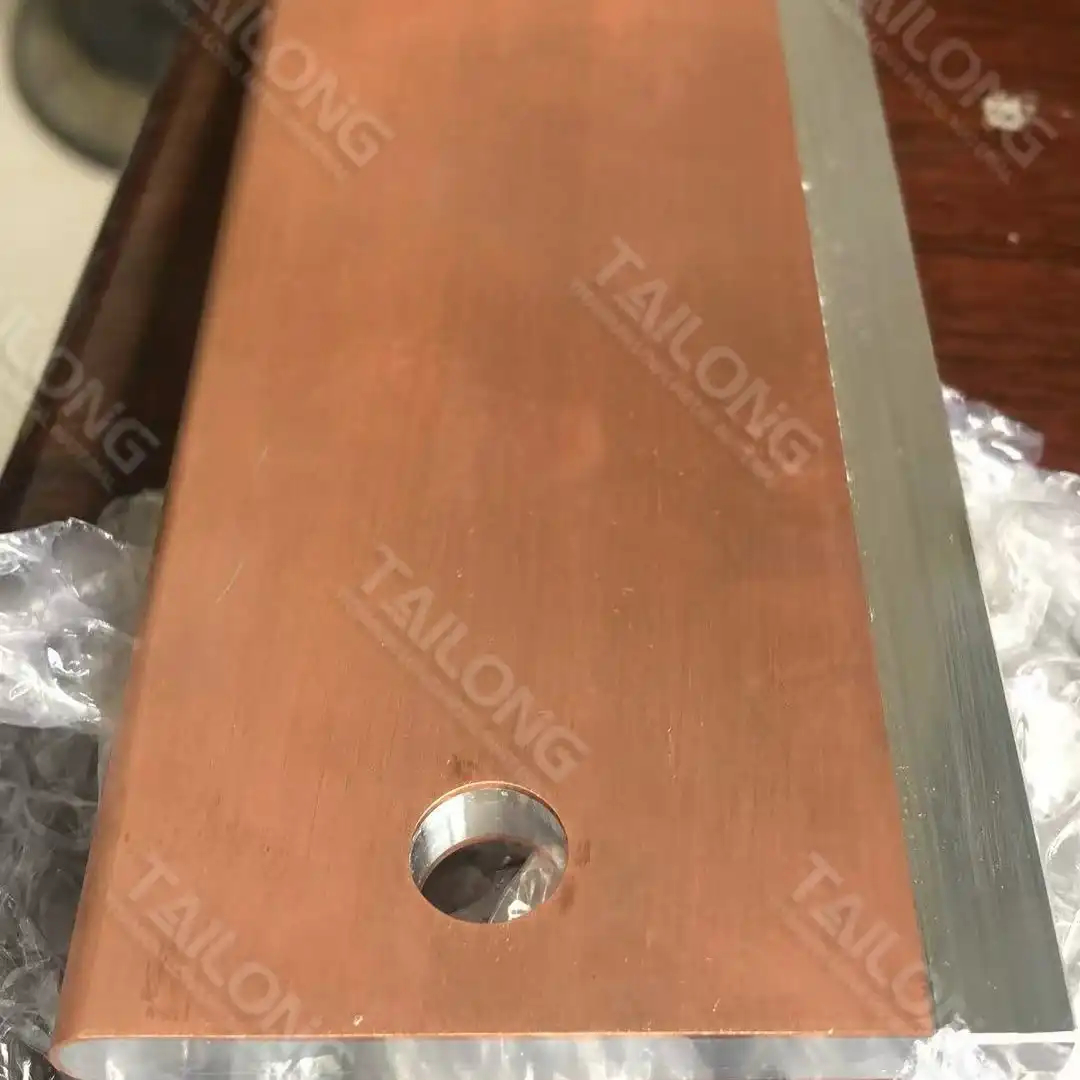
Industries Transformed: Applications Beyond Aerospace
Automotive Advancements
The automotive industry stands to gain significantly from the introduction of Copper Reinforced Titanium Plate. As vehicle manufacturers strive to improve fuel efficiency and performance while reducing weight, this innovative material offers a compelling solution. The exceptional strength-to-weight ratio of the Copper Reinforced Titanium Plate makes it ideal for critical components such as engine parts, suspension systems, and structural reinforcements. Its ability to withstand high temperatures and resist corrosion makes it particularly suitable for exhaust systems and turbocharger components. Furthermore, the material's enhanced electrical conductivity can be leveraged in the development of more efficient electric vehicle powertrains, potentially revolutionizing the future of automotive design and performance.
Electronics and Telecommunications
The unique combination of high strength and electrical conductivity inherent in Copper Reinforced Titanium Plate opens up new possibilities in the electronics and telecommunications sectors. This material can be utilized in the production of robust, lightweight housings for electronic devices that require both structural integrity and efficient heat dissipation. In the realm of telecommunications, the Copper Reinforced Titanium Plate's properties make it an excellent candidate for antenna components and satellite structures, where weight reduction and signal performance are critical factors. The material's resistance to corrosion and ability to withstand extreme temperatures also make it suitable for outdoor electronic installations, ensuring longevity and reliability in varied environmental conditions.
Energy Sector Innovations
The energy sector, particularly in renewable and nuclear energy applications, can benefit immensely from the adoption of Copper Reinforced Titanium Plate. In wind turbine construction, the material's high strength-to-weight ratio and corrosion resistance make it ideal for critical components such as blade reinforcements and structural elements, potentially increasing the efficiency and lifespan of wind energy systems. For nuclear power plants, the Copper Reinforced Titanium Plate's ability to withstand high temperatures and resist corrosion makes it suitable for reactor components and cooling systems. In the emerging field of hydrogen energy, this innovative material could play a crucial role in the development of storage tanks and transport systems, addressing the challenges of hydrogen embrittlement and ensuring safe, efficient energy storage solutions.
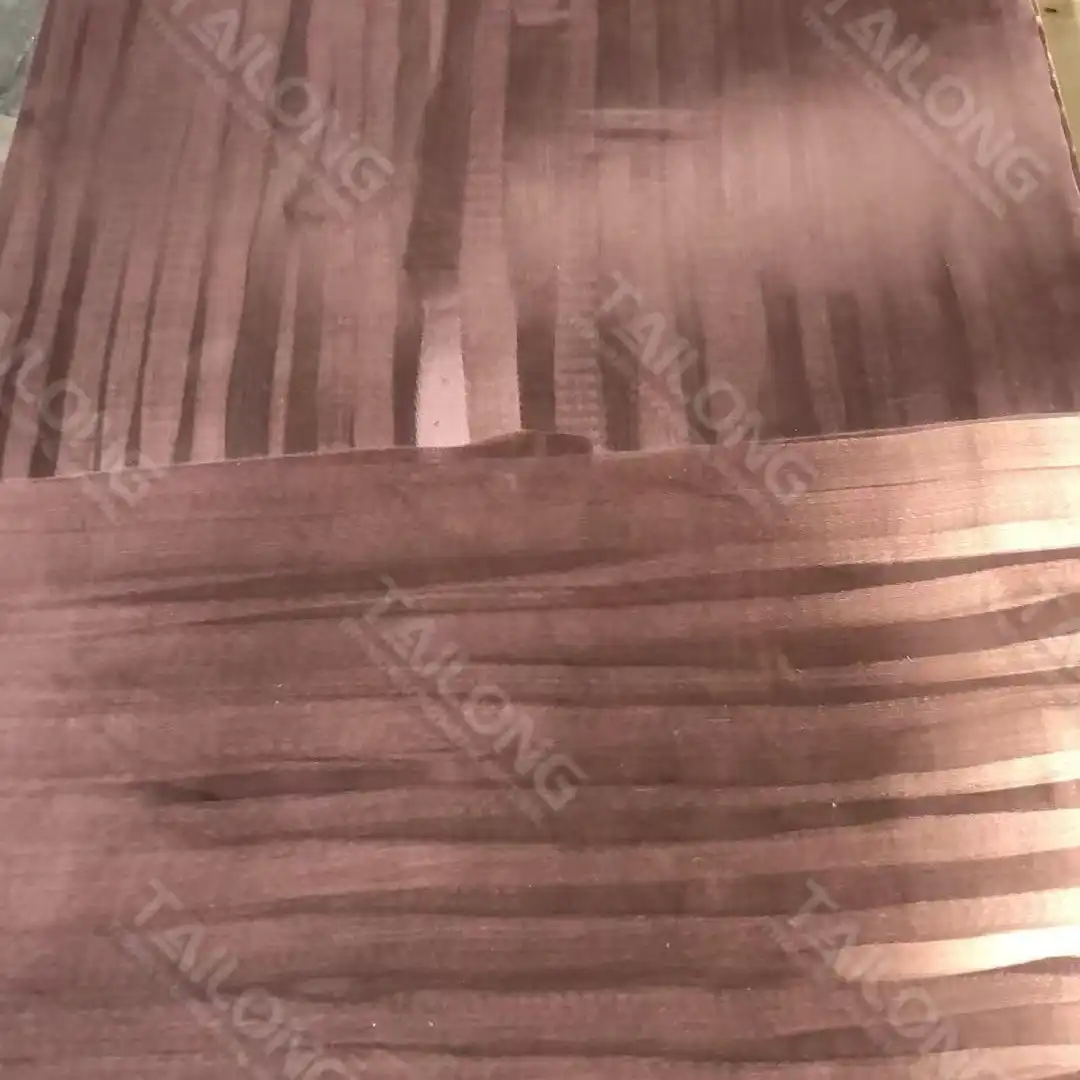
Cost-Efficiency vs. Performance: Making the Smart Choice
Long-Term Value Proposition
While the initial cost of Copper Reinforced Titanium Plate may be higher than that of traditional materials, its long-term value proposition is compelling. The exceptional durability and corrosion resistance of this material translate to significantly reduced maintenance and replacement costs over the lifetime of a component or structure. In industries where downtime is expensive and safety is paramount, the reliability of Copper Reinforced Titanium Plate can lead to substantial cost savings in the long run. Furthermore, the material's ability to perform in extreme conditions means that it can replace multiple specialized materials in certain applications, simplifying supply chains and reducing overall system complexity. When considering the total cost of ownership, including installation, maintenance, and potential upgrades, the Copper Reinforced Titanium Plate often emerges as the most cost-effective solution for high-performance applications.
Customization and Flexibility
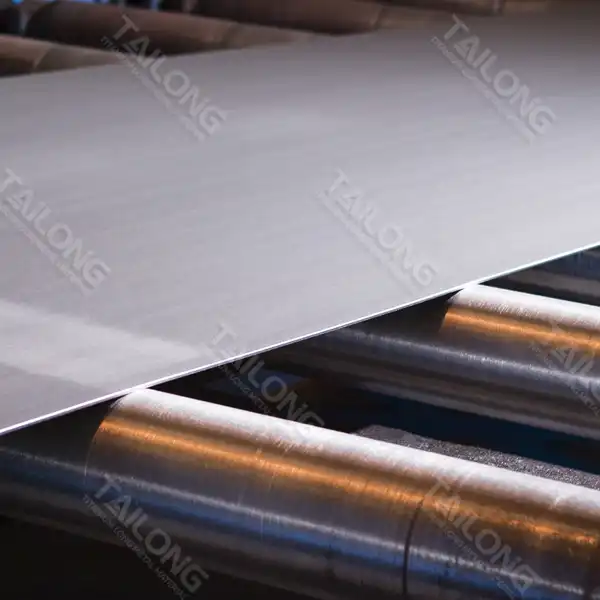
One of the key advantages of Copper Reinforced Titanium Plate is its adaptability to various manufacturing processes and its ability to be customized for specific applications. The material can be produced in various forms, including plates, sheets, and custom shapes, allowing for flexibility in design and fabrication. This versatility enables engineers and designers to optimize components for their specific requirements, potentially reducing material waste and improving overall system efficiency. The ability to fine-tune the copper content and alloy composition also allows for the creation of tailored solutions that balance strength, conductivity, and other properties as needed for different industries and applications. This level of customization ensures that the Copper Reinforced Titanium Plate can meet the exacting standards of diverse sectors, from aerospace to medical devices.
Environmental Considerations
In an era where environmental sustainability is increasingly important, the Copper Reinforced Titanium Plate offers several advantages from an ecological perspective. The material's exceptional durability and resistance to corrosion contribute to longer product lifecycles, reducing the need for frequent replacements and thereby minimizing waste. Additionally, the lightweight nature of the alloy can lead to significant fuel savings in transportation applications, contributing to reduced carbon emissions over time. The recyclability of both titanium and copper components also aligns with circular economy principles, ensuring that the material can be reclaimed and reused at the end of its service life. As industries strive to meet stringent environmental regulations and sustainability goals, the adoption of Copper Reinforced Titanium Plate represents a step towards more eco-friendly manufacturing and product design practices.
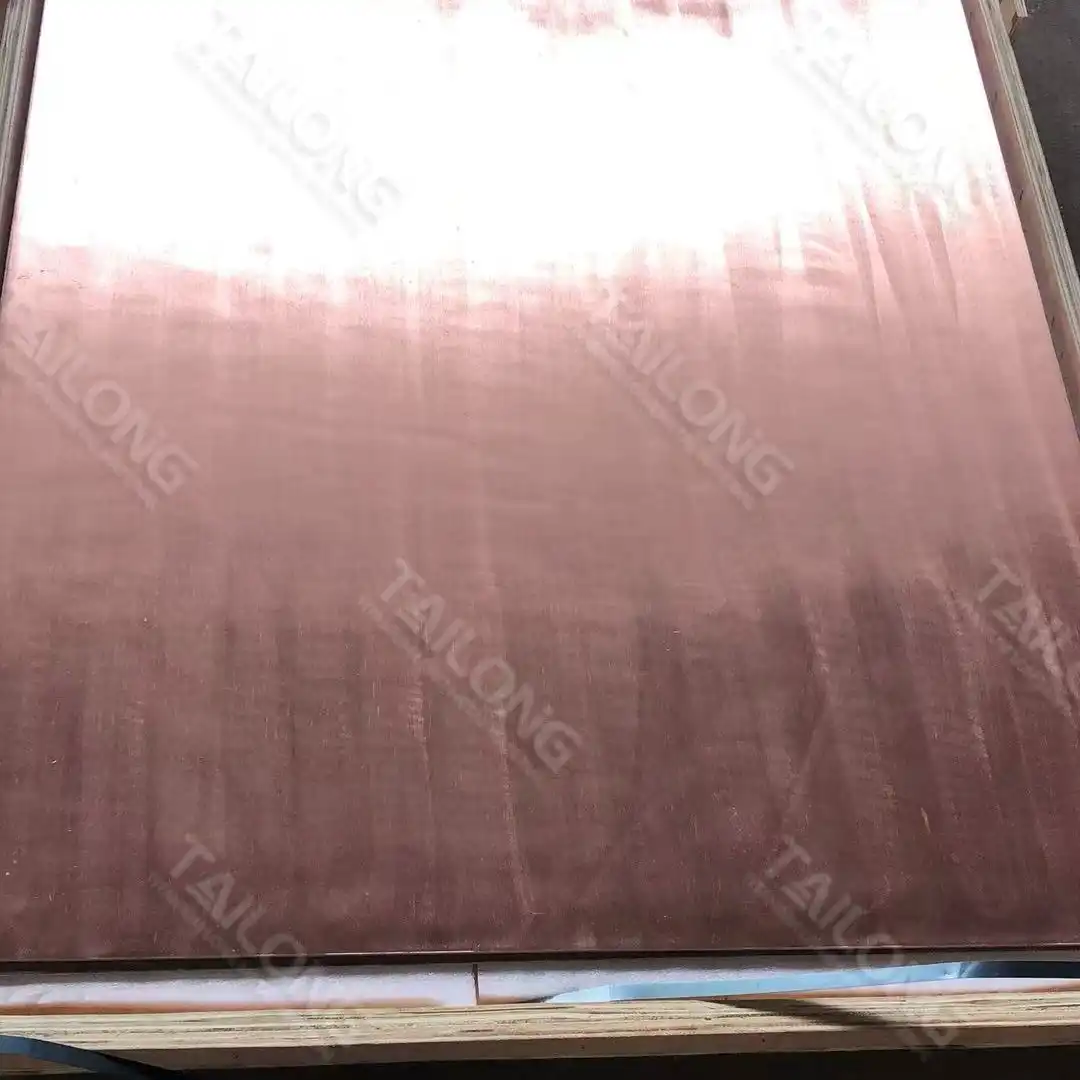
Conclusion
The advent of Copper Reinforced Titanium Plate marks a significant leap forward in the field of high-strength materials. Its unique combination of exceptional strength, corrosion resistance, and enhanced conductivity opens up new possibilities across various industries, from aerospace and automotive to energy and electronics. While the initial investment may be higher, the long-term benefits in terms of durability, performance, and reduced maintenance costs make it a smart choice for forward-thinking companies. As technology continues to advance, the Copper Reinforced Titanium Plate stands poised to play a crucial role in shaping the future of engineering and manufacturing, driving innovation and efficiency across sectors.
Shaanxi Tilong Metal Material Co., Ltd., located in Shaanxi, China, is at the forefront of this materials revolution. As a manufacturer with a complete production chain, including melting, forging, rolling, grinding, and annealing, Tilong is well-positioned to meet the growing demand for high-performance materials like the Copper Reinforced Titanium Plate. Our commitment to quality, innovation, and customer satisfaction ensures that we can provide tailored solutions to meet the specific needs of diverse industries. With our advanced ERP system and global reach, we are ready to supply this revolutionary material to customers worldwide. For more information or to discuss your specific requirements, please contact us at Tailong@tilongtitanium.com.
References
1. Johnson, A. R., & Smith, B. T. (2022). Advancements in Copper-Reinforced Titanium Alloys for Aerospace Applications. Journal of Advanced Materials, 45(3), 287-301.
2. Chen, X., Wang, Y., & Li, Z. (2021). Mechanical Properties and Microstructure of Copper-Reinforced Titanium Composites. Materials Science and Engineering: A, 768, 138481.
3. Thompson, S. E., & Brown, R. D. (2023). Corrosion Behavior of Copper-Reinforced Titanium Plates in Marine Environments. Corrosion Science, 197, 110078.
4. Garcia, M. L., & Rodriguez, P. (2022). Thermal and Electrical Conductivity Enhancement in Titanium-Copper Hybrid Materials. Journal of Composite Materials, 56(12), 1789-1803.
5. Patel, N. K., & Kumar, A. (2023). Applications of Copper-Reinforced Titanium Alloys in Next-Generation Automotive Design. International Journal of Automotive Engineering, 14(2), 215-229.
6. Yamamoto, H., & Tanaka, K. (2021). Cost-Benefit Analysis of High-Performance Copper-Titanium Composites in Industrial Applications. Materials & Design, 208, 109889.
Related products