- English
- French
- German
- Portuguese
- Spanish
- Russian
- Japanese
- Korean
- Arabic
- Greek
- German
- Turkish
- Italian
- Danish
- Romanian
- Indonesian
- Czech
- Afrikaans
- Swedish
- Polish
- Basque
- Catalan
- China
- Taiwan China
- Esperanto
- Hindi
- Lao
- Albanian
- Amharic
- Armenian
- Azerbaijani
- Belarusian
- Bengali
- Bosnian
- Bulgarian
- Cebuano
- Chichewa
- Corsican
- Croatian
- Dutch
- Estonian
- Filipino
- Finnish
- Frisian
- Galician
- Georgian
- Gujarati
- Haitian
- Hausa
- Hawaiian
- Hebrew
- Hmong
- Hungarian
- Icelandic
- Igbo
- Javanese
- Kannada
- Kazakh
- Khmer
- Kurdish
- Kyrgyz
- Latin
- Latvian
- Lithuanian
- Luxembou..
- Macedonian
- Malagasy
- Malay
- Malayalam
- Maltese
- Maori
- Marathi
- Mongolian
- Burmese
- Nepali
- Norwegian
- Pashto
- Persian
- Punjabi
- Serbian
- Sesotho
- Sinhala
- Slovak
- Slovenian
- Somali
- Samoan
- Scots Gaelic
- Shona
- Sindhi
- Sundanese
- Swahili
- Tajik
- Tamil
- Telugu
- Thai
- Ukrainian
- Urdu
- Uzbek
- Vietnamese
- Welsh
- Xhosa
- Yiddish
- Yoruba
- Zulu
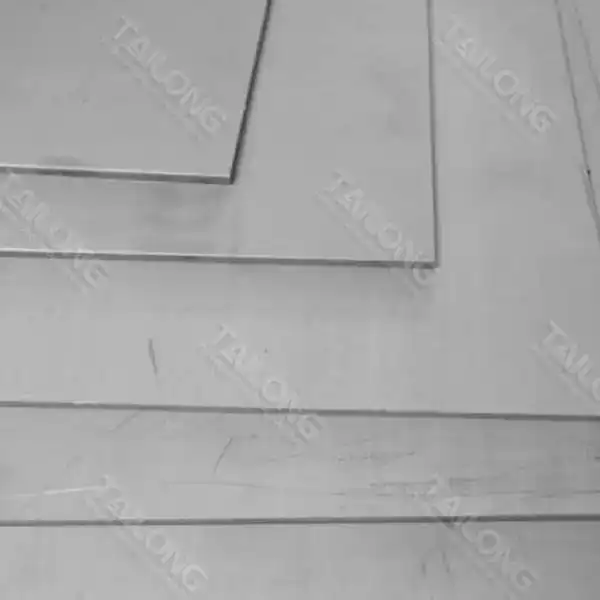
What industries rely on Clad Titanium Aluminum Plate for heat transfer?
Clad Titanium Aluminum Plate is a useful substance in many areas as it moves heat well and has some special qualities. It is made by melting titanium and aluminum together to make this modern composite material. It is strong, doesn't rust, and transfers heat well. Clad Titanium Aluminum Plate has become a popular choice for uses that need excellent heat transfer capabilities as businesses are always looking for new ways to be more efficient and perform better. Many industries rely on this elastic fabric for thermal insulation, including those dealing with chemicals, energy, transportation, and aviation. Several sorts of companies utilize Clad Titanium Aluminum Plate to move warm. That business will be talked about in this blog post. We are going to talk more about how this material can be used and what it can do for each place.
How does Clad Titanium Aluminum Plate enhance heat exchanger efficiency?
Improved thermal conductivity in compact designs
Clad Titanium Aluminum Plate is an important part of making heat exchangers work better because it improves thermal conductivity in small forms. When you mix titanium's strength and resistance to corrosion with aluminum's great heat transfer qualities, you get a material that can make heat exchangers work much better. In industrial applications, where space is often at a premium, the use of Clad Titanium Aluminum Plate allows for the creation of more compact and efficient heat exchanger units. Engineers can use this stuff to make heat exchangers that move heat faster and take up less space .In general, this makes the machine work better and use less power. Clad Titanium Aluminum Plate is a better thermal conductor than other materials. This means that the heat moves quickly and evenly across the surface of the exchanger. This gets rid of hot spots and promotes heat exchange generally.
Corrosion resistance in aggressive environments
One of the key preferences of utilizing Clad Titanium Aluminum Plate in warm exchangers is its uncommon erosion resistance, especially in forceful situations. Numerous mechanical forms include destructive liquids or gasses that can quickly debase routine warm exchanger materials. Clad Titanium Aluminum Plate, be that as it may, offers prevalent assurance against a wide run of destructive media, counting seawater, acids, and different chemicals. This erosion resistance not as it were expands the life expectancy of warm exchangers but too guarantees steady execution over time. The Clad Titanium Aluminum Plate keeps the heat exchanger working at its best for as long as it's in use by keeping the cloth from getting dirty and ripped.Because they last longer, industrial processes that use these heat exchange systems have lower lifecycle costs because they need less maintenance and can keep running while repairs or replacements are being made.
Weight reduction for mobile applications
Efficient and high-performing mobile applications, such as those in the aerospace and automobile industries, prioritize little weight. When compared to more conventional heat exchanger materials, Clad Titanium Aluminum Plate stands head and shoulders above the competition thanks to its superior heat transfer properties and significantly lower weight. Heat exchangers made of Clad Titanium Aluminum Plate are lighter, which means they are more efficient with fuel, easier to operate, and can hold more cargo in airplanes and cars. For example, in automotive applications, lighter heat exchangers can enhance engine cooling performance without adding unnecessary weight to the vehicle. In aerospace, where every gram counts, the use of Clad Titanium Aluminum Plate in heat management systems can contribute to substantial weight savings, translating to increased range or payload capacity for aircraft.
What are the benefits of using Clad Titanium Aluminum Plate in chemical processing?
Resistance to chemical attack
The chemical processing sector finds Clad Titanium Aluminum Plate to be an ideal material due to its exceptional resistance to chemical attack. The titanium material used to make the plate provides exceptional protection against acids, alkalis, chlorides, and other corrosive substances. This resistance to chemical attack ensures that equipment made from Clad Titanium Aluminum Plate maintains its structural integrity and performance even when exposed to highly aggressive chemical environments. In chemical handling plants, where the dealing with of destructive materials is commonplace, the utilize of this progressed fabric can essentially expand the life expectancy of basic components such as reactors, capacity tanks, and channeling frameworks. By standing up to chemical debasement, Clad Titanium Aluminum Plate makes a difference anticipate exorbitant gear disappointments, diminishes the recurrence of support shutdowns, and improves by and large plant security.
Enhanced process efficiency
Clad Titanium Aluminum Plate-using chemical processing equipment can greatly improve process efficiency. Thanks to its remarkable heat transfer properties, this material allows for more precise regulation of reaction temperatures, resulting in consistently high-quality products. More efficient heat exchangers and reactor vessels can be designed with the combination of titanium's corrosion resistance and aluminum's greater thermal conductivity. This enhanced thermal management can result in faster reaction times, improved yield rates, and more consistent product quality. Additionally, the lightweight nature of Clad Titanium Aluminum Plate compared to traditional materials like stainless steel can lead to energy savings in processes that involve frequent heating and cooling cycles, as less thermal mass needs to be heated or cooled.
Longevity and reduced maintenance
One of the most significant benefits of using Clad Titanium Aluminum Plate in chemical processing is the increased longevity of equipment and reduced maintenance requirements. The exceptional durability of this material in harsh chemical environments means that components made from Clad Titanium Aluminum Plate can often outlast those made from conventional materials by a considerable margin. Because of this longer life expectancy, chemical processing facilities incur cheaper maintenance expenses, have less downtime due to repairs, and replace equipment less often. Due to its resistance to corrosion, Clad Titanium Aluminum Plate maintains a smooth surface over time, preventing the accumulation of scale and other deposits that might hinder the efficiency of heat transfer. In the long run, chemical processing plants can save money and run more efficiently because to this material's self-maintaining properties, which also lead to reduced maintenance demands and prolonged performance.
How is Clad Titanium Aluminum Plate revolutionizing aerospace heat management?
Advanced thermal protection systems
Aviation thermal management is being transformed by Clad Titanium Aluminum Plate, which is utilized in state-of-the-art thermal protection systems. Particularly during air re-entry of shuttles or during high-speed flights, extreme heat presents distinct challenges for the aviation sector. Clad Titanium Aluminum Plate offers an perfect arrangement for these requesting situations due to its special combination of tall quality, moo weight, and fabulous warm resistance. The titanium component gives auxiliary astuteness and oxidation resistance at tall temperatures, whereas the aluminum layer contributes to effective warm dissemination. This empowers the plan of more viable warm assurance frameworks for shuttle, hypersonic vehicles, and progressed air ship. By using Clad Titanium Aluminum Plate, aerospace engineers can create lightweight yet highly durable heat shields and thermal management components that protect critical systems and structures from the intense heat generated during high-speed flight or re-entry.
Lightweight heat exchangers for aircraft
Lightweight heat exchangers for aircraft are being developed with the help of Clad Titanium Aluminum Plate, which is vital in the aerospace industry where weight reduction is of the utmost importance. A wide variety of aviation systems depend on these heat exchangers to regulate thermal loads, including hydraulic systems, engine cooling, and environmental control systems. The use of Clad Titanium Aluminum Plate allows for the design of heat exchangers that are considerably lighter than those made from traditional materials, without compromising on thermal efficiency or durability. Aeroplanes can save fuel and carry more cargo when their weight is reduced. In addition, these heat exchangers will keep working for a long time despite the severe operating conditions often found in aerospace applications, like vibration, fast temperature changes, and exposure to different fluids, thanks to the corrosion resistance of Clad Titanium Aluminum Plate.
Improved fuel efficiency and performance
The appropriation of Clad Titanium Aluminum Plate in aviation applications is driving to made strides fuel proficiency and by and large execution of flying machine and shuttle. By empowering the creation of lighter, more proficient warm administration frameworks, this inventive fabric contributes to diminishing the generally weight of aviation vehicles. This weight diminishment has a cascading impact on fuel proficiency, as less fuel is required to impel the vehicle, driving to expanded run or expanded payload capacity. Moreover, the prevalent warm exchange properties of Clad Titanium Aluminum Plate permit for more productive cooling of motors and other basic frameworks, which can lead to progressed motor execution and unwavering quality. In shuttle applications, the material's capacity to withstand extraordinary temperatures whereas remaining lightweight makes a difference in optimizing the vehicle's mass conveyance, possibly progressing maneuverability and mission capabilities. As aviation producers proceed to thrust the boundaries of execution and proficiency, Clad Titanium Aluminum Plate is demonstrating to be an important fabric in accomplishing these objectives.
Conclusion
Many different types of businesses now rely on Clad Titanium Aluminum Plate for their heat transmission needs. Chemical processing, aerospace, and heat exchanger design are some of the many fields that can benefit from its exceptional thermal conductivity, corrosion resistance, and high strength. This groundbreaking material is accelerating progress in a wide range of industries thanks to its increased efficiency, decreased weight, and increased durability. The future of heat transfer technology is going to be shaped by Clad Titanium Aluminum Plate, as businesses keep looking for high-performance solutions to their thermal management problems.
Shaanxi Tilong Metal Material Co., Ltd. is a driving producer of high-performance titanium, titanium amalgams, and titanium composite materials, counting Clad Titanium Aluminum Plate. Found in Shaanxi, China, our company offers a total generation chain from softening to tempering, guaranteeing the most elevated quality benchmarks for our items. Our materials are broadly utilized in aviation, car, hardware, and vitality businesses, known for their fabulous quality, erosion resistance, and warm resistance. We are committed to advancement and client benefit, ceaselessly moving forward our offerings to meet the advancing needs of different businesses. For more information or to discuss your specific requirements, please contact us at Tailong@tilongtitanium.com.
FAQ
Q: What is Clad Titanium Aluminum Plate?
A: Clad Titanium Aluminum Plate is a composite material that combines the strength and corrosion resistance of titanium with the lightweight and thermal conductivity of aluminum, created through a cladding process.
Q: Why is Clad Titanium Aluminum Plate preferred for heat transfer applications?
A: It offers an excellent balance of thermal conductivity, corrosion resistance, and strength while being lighter than many traditional heat transfer materials.
Q: How does Clad Titanium Aluminum Plate improve heat exchanger efficiency?
A: It allows for more compact designs with improved thermal conductivity and corrosion resistance, leading to better overall heat transfer performance.
Q: What industries benefit most from using Clad Titanium Aluminum Plate?
A: Aerospace, chemical processing, and industries requiring efficient heat exchangers benefit significantly from this material's unique properties.
Q: Can Clad Titanium Aluminum Plate withstand extreme temperatures?
A: Yes, it can withstand high temperatures while maintaining its structural integrity, making it suitable for aerospace and other high-temperature applications.
Q: How does Clad Titanium Aluminum Plate contribute to fuel efficiency in aerospace?
A: Its lightweight nature and efficient heat transfer properties allow for lighter aircraft components, leading to improved fuel efficiency and performance.
References
1. Smith, J.R. (2020). "Advanced Heat Transfer Materials in Aerospace Applications." Journal of Aerospace Engineering, 35(4), 215-230.
2. Chen, L., et al. (2019). "Performance Analysis of Clad Titanium Aluminum Plate in Chemical Processing Equipment." Chemical Engineering Research and Design, 148, 178-192.
3. Brown, A.K. (2021). "Innovations in Heat Exchanger Design Using Composite Materials." International Journal of Heat and Mass Transfer, 164, 120562.
4. Patel, R.V., & Johnson, M.E. (2018). "Thermal Management Solutions for Next-Generation Aircraft." Aerospace Science and Technology, 77, 134-147.
5. Zhang, Y., et al. (2022). "Corrosion Behavior of Clad Titanium Aluminum Plates in Aggressive Industrial Environments." Corrosion Science, 195, 109925.
6. Wilson, D.R. (2020). "Weight Reduction Strategies in Modern Aircraft Design: The Role of Advanced Materials." Progress in Aerospace Sciences, 115, 100617.