- English
- French
- German
- Portuguese
- Spanish
- Russian
- Japanese
- Korean
- Arabic
- Greek
- German
- Turkish
- Italian
- Danish
- Romanian
- Indonesian
- Czech
- Afrikaans
- Swedish
- Polish
- Basque
- Catalan
- China
- Taiwan China
- Esperanto
- Hindi
- Lao
- Albanian
- Amharic
- Armenian
- Azerbaijani
- Belarusian
- Bengali
- Bosnian
- Bulgarian
- Cebuano
- Chichewa
- Corsican
- Croatian
- Dutch
- Estonian
- Filipino
- Finnish
- Frisian
- Galician
- Georgian
- Gujarati
- Haitian
- Hausa
- Hawaiian
- Hebrew
- Hmong
- Hungarian
- Icelandic
- Igbo
- Javanese
- Kannada
- Kazakh
- Khmer
- Kurdish
- Kyrgyz
- Latin
- Latvian
- Lithuanian
- Luxembou..
- Macedonian
- Malagasy
- Malay
- Malayalam
- Maltese
- Maori
- Marathi
- Mongolian
- Burmese
- Nepali
- Norwegian
- Pashto
- Persian
- Punjabi
- Serbian
- Sesotho
- Sinhala
- Slovak
- Slovenian
- Somali
- Samoan
- Scots Gaelic
- Shona
- Sindhi
- Sundanese
- Swahili
- Tajik
- Tamil
- Telugu
- Thai
- Ukrainian
- Urdu
- Uzbek
- Vietnamese
- Welsh
- Xhosa
- Yiddish
- Yoruba
- Zulu
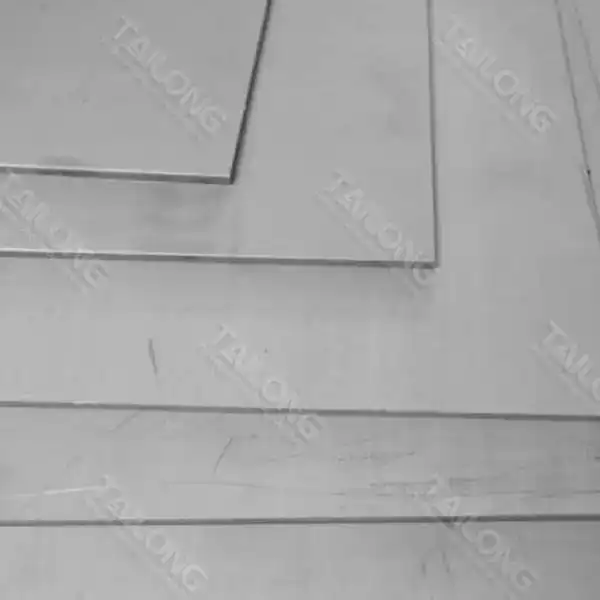
How Is a Titanium Bonded Steel Plate Joined in Structures?
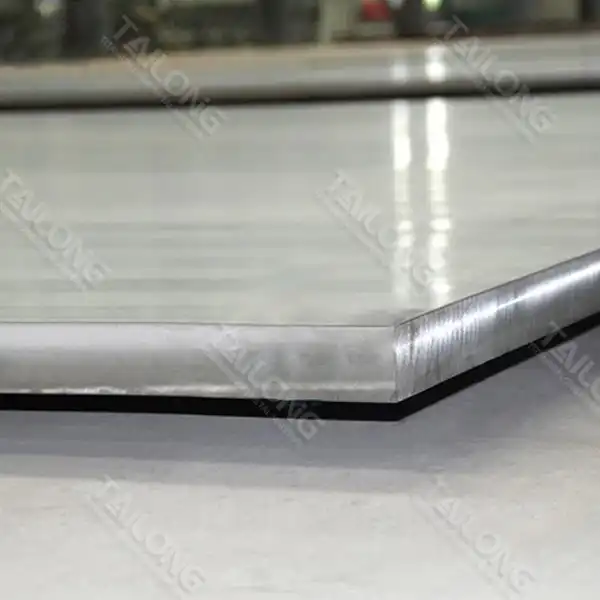
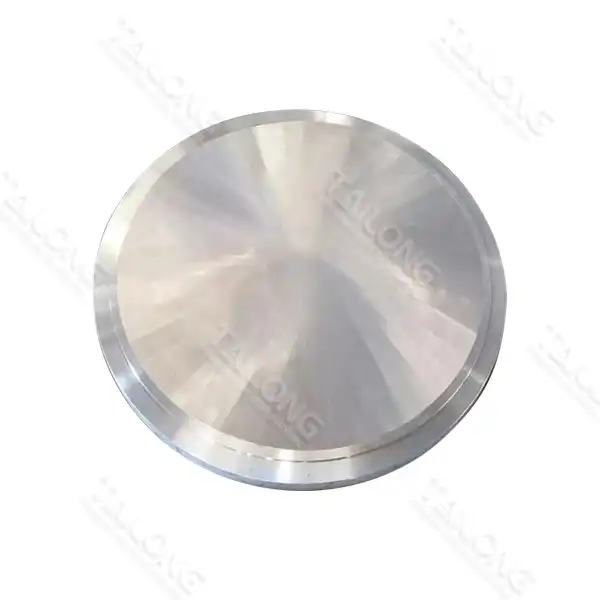
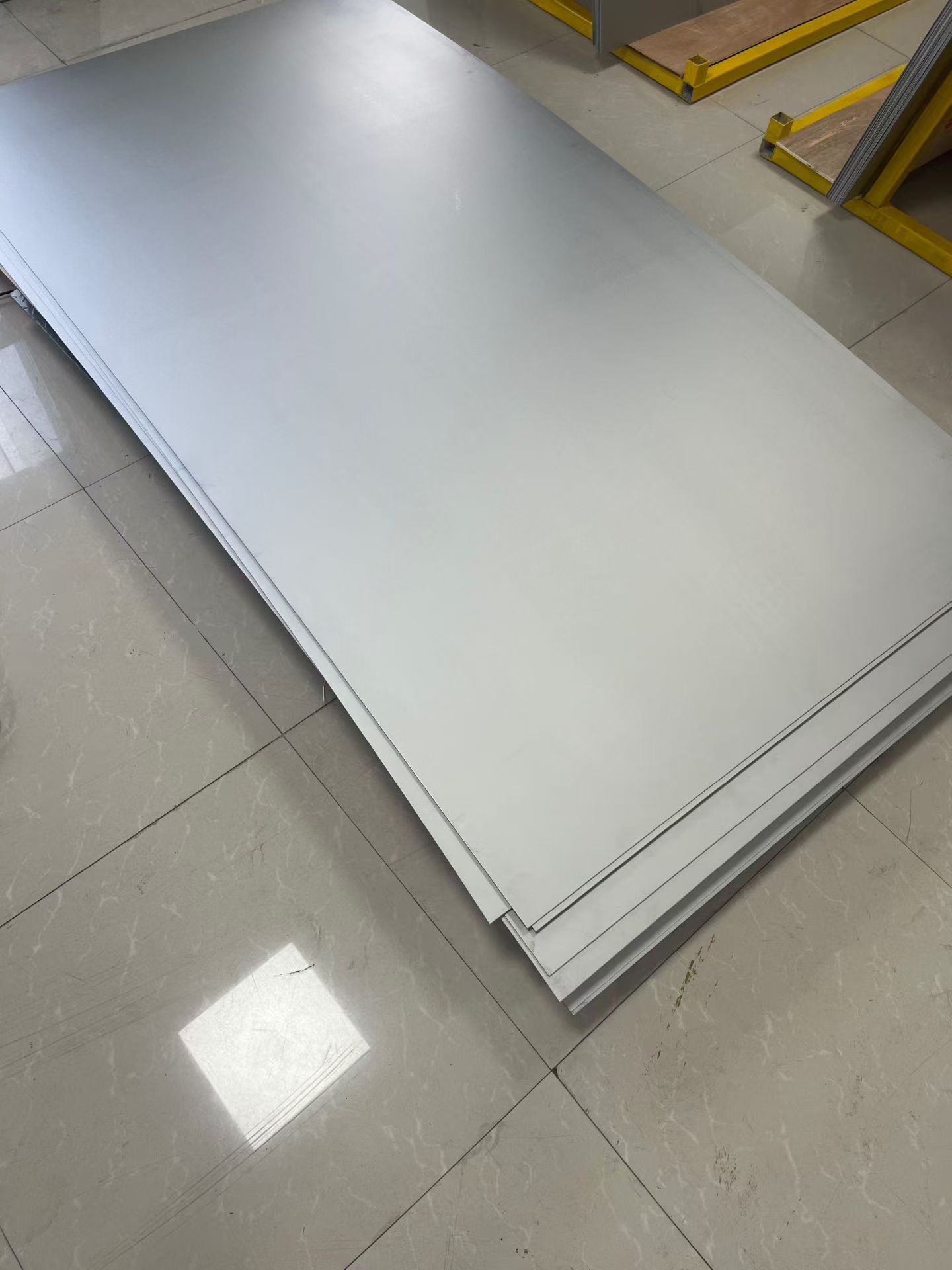
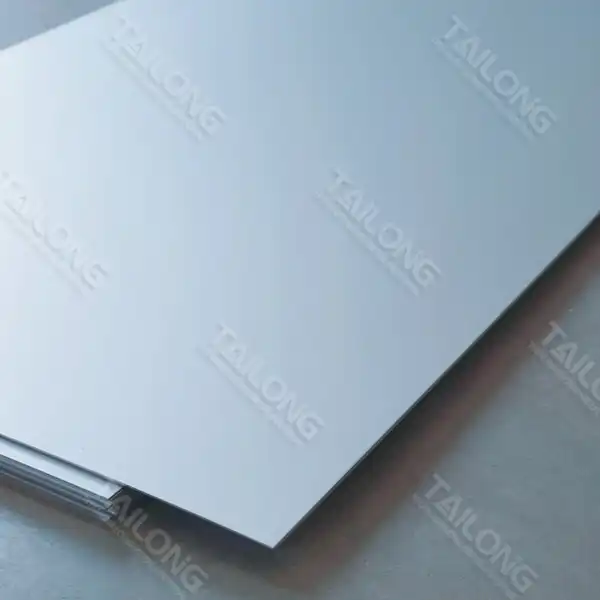
Titanium bonded steel plates have revolutionized the structural engineering landscape, offering a unique combination of strength, durability, and corrosion resistance. These innovative composite materials are increasingly being utilized in various industries, from aerospace to marine engineering, due to their exceptional properties. The process of joining titanium bonded steel plates in structures is a critical aspect that determines the overall performance and longevity of the final product. This blog post delves into the intricacies of how these advanced materials are integrated into structural applications, exploring the various techniques employed to ensure robust and reliable connections. We'll examine the challenges faced during the joining process, the innovative solutions developed to overcome these obstacles, and the benefits that titanium bonded steel plates bring to modern structural engineering projects.
Explosive Welding Explained: How Titanium Bonds to Steel for Structural Use?
The Science Behind Explosive Welding
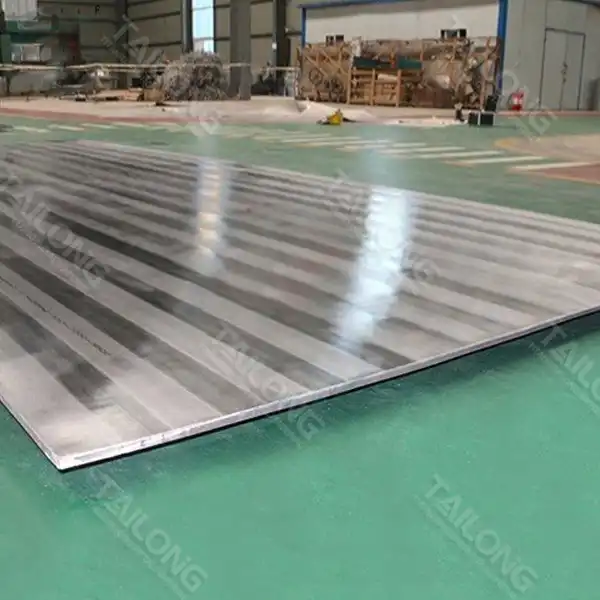
Explosive welding is a fascinating technique used to join titanium bonded steel plates in structural applications. This process involves the use of controlled explosions to create a high-velocity collision between the titanium and steel surfaces. The intense pressure and heat generated during this collision cause the metals to form a metallurgical bond at the atomic level. The Titanium Bonded Steel Plate created through this method exhibits exceptional strength and durability, making it ideal for use in demanding structural environments. The process begins with precise positioning of the titanium and steel plates, separated by a small gap. A layer of explosive material is then placed on top of the titanium plate. When detonated, the explosion propels the titanium towards the steel at supersonic speeds, creating a bond that is stronger than either metal individually.
Advantages of Explosive Welding for Titanium-Steel Bonds
The explosive welding technique offers several advantages when joining Titanium Bonded Steel Plates for structural use. Firstly, it allows for the creation of large, uniform bonds across extensive surface areas, which is crucial for maintaining structural integrity in large-scale projects. Secondly, the process occurs so rapidly that it minimizes the heat-affected zone, preserving the original properties of both the titanium and steel. This is particularly important for maintaining the corrosion resistance of the titanium layer. Additionally, explosive welding can join dissimilar metals that would be challenging or impossible to bond using conventional welding techniques. The resulting Titanium Bonded Steel Plate exhibits excellent resistance to delamination and can withstand extreme temperatures and pressures, making it suitable for use in aerospace, marine, and chemical processing industries.
Quality Control and Safety Considerations in Explosive Welding
While explosive welding is highly effective for creating Titanium Bonded Steel Plates, it requires stringent quality control measures and safety protocols. The process must be carried out in controlled environments by highly skilled professionals. Precise calculations are necessary to determine the optimal explosive charge and plate separation distance for each specific application. Non-destructive testing methods, such as ultrasonic inspection and shear strength tests, are employed to verify the integrity of the bond. Safety considerations are paramount, with blast-resistant facilities and remote detonation systems being essential. Despite these challenges, the exceptional properties of Titanium Bonded Steel Plates produced through explosive welding make it a valuable technique in structural engineering. The resulting composite material combines the strength of steel with the corrosion resistance of titanium, offering superior performance in aggressive environments.
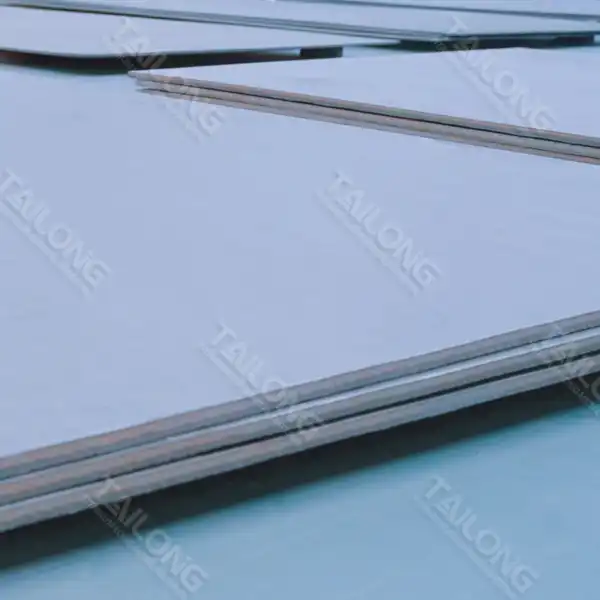
Titanium-Steel Clad Plates vs. Solid Alloys: Which Offers Better Joint Strength?
Comparative Analysis of Material Properties
When considering joint strength in structural applications, it's essential to compare Titanium Bonded Steel Plates with solid alloys. Titanium Bonded Steel Plates offer a unique combination of properties that can surpass those of solid alloys in many aspects. The steel core provides excellent strength and ductility, while the titanium layer offers superior corrosion resistance and lightweight properties. This combination results in a material that can withstand higher stress levels at connection points compared to many solid alloys. The interface between the titanium and steel, created through processes like explosive welding, often exhibits strength exceeding that of either material alone. This is due to the metallurgical bond formed at the atomic level, which can withstand extreme shear forces. In contrast, solid alloys may offer uniform properties throughout but can lack the specific advantages that a Titanium Bonded Steel Plate brings to joint applications.
Joint Design Considerations for Titanium-Steel Clad Plates
The design of joints using Titanium Bonded Steel Plates requires careful consideration to maximize their unique properties. Unlike solid alloys, which may be welded or fastened using conventional methods, Titanium Bonded Steel Plates often necessitate specialized joining techniques. For bolted connections, the differential thermal expansion between titanium and steel must be accounted for to prevent loosening or overstressing of fasteners. Welding Titanium Bonded Steel Plates can be challenging due to the dissimilar metals involved, but advanced techniques such as friction stir welding have shown promising results. The joint design must also consider the potential for galvanic corrosion at the interface between the titanium and steel, particularly in marine environments. By carefully addressing these factors, joints made with Titanium Bonded Steel Plates can offer superior strength and durability compared to those made with solid alloys, especially in applications where weight reduction and corrosion resistance are critical.
Long-term Performance and Cost-effectiveness
When evaluating the long-term performance and cost-effectiveness of joints, Titanium Bonded Steel Plates often outperform solid alloys. The corrosion resistance provided by the titanium layer significantly extends the lifespan of structures in aggressive environments, reducing maintenance costs and downtime. While the initial cost of Titanium Bonded Steel Plates may be higher than some solid alloys, the total lifecycle cost is often lower due to reduced replacement and repair requirements. Additionally, the lightweight nature of these composite plates can lead to savings in supporting structures and foundations. In terms of joint strength over time, Titanium Bonded Steel Plates maintain their properties more consistently than many solid alloys, which may be subject to degradation or fatigue in harsh conditions. This resilience makes them particularly valuable in critical structural applications where failure could have catastrophic consequences. The versatility of Titanium Bonded Steel Plates also allows for more efficient design solutions, potentially reducing the number of joints required in a structure and further enhancing overall strength and reliability.
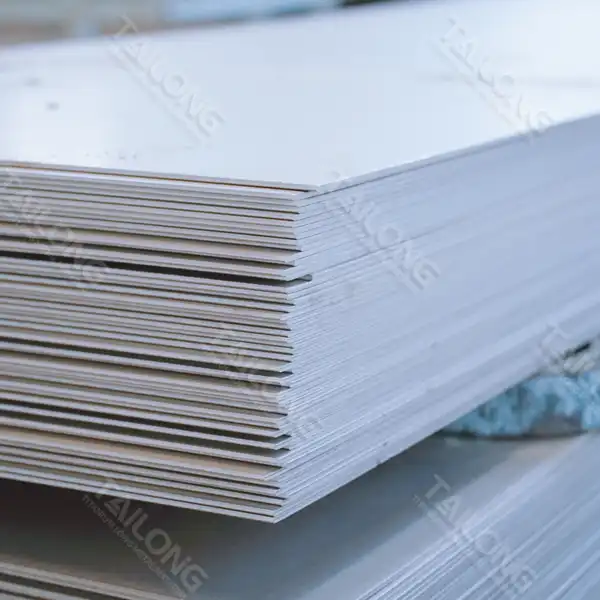
Preventing Galvanic Corrosion in Titanium Bonded Steel Plate Connections
Understanding the Mechanism of Galvanic Corrosion
Galvanic corrosion is a significant concern when working with Titanium Bonded Steel Plates in structural connections. This type of corrosion occurs when two dissimilar metals are in electrical contact in the presence of an electrolyte, such as saltwater or even moisture in the air. In the case of Titanium Bonded Steel Plates, the titanium layer is more noble than steel, creating a potential difference that can accelerate corrosion of the less noble steel. This process is particularly problematic at connection points where the steel may be exposed, such as at bolt holes or cut edges. Understanding this mechanism is crucial for designing effective prevention strategies. The rate of galvanic corrosion depends on factors such as the relative surface areas of the metals, the conductivity of the electrolyte, and the potential difference between the metals. In marine or industrial environments, where electrolytes are abundant, the risk of galvanic corrosion in Titanium Bonded Steel Plate connections is significantly heightened.
Design Strategies to Mitigate Galvanic Corrosion
Preventing galvanic corrosion in Titanium Bonded Steel Plate connections requires careful design considerations. One effective strategy is to use insulating materials to electrically isolate the titanium from the steel at connection points. This can be achieved through the use of non-conductive washers, gaskets, or coatings. Another approach is to apply protective coatings or sealants to exposed steel surfaces, effectively creating a barrier against electrolytes. In some cases, sacrificial anodes made of a more active metal, such as zinc, can be attached to the structure to preferentially corrode and protect the steel. The design of drainage and ventilation systems is also crucial to prevent the accumulation of moisture or electrolytes in areas where Titanium Bonded Steel Plates are connected. Additionally, careful selection of fasteners and other connecting components is essential, as these should be compatible with both titanium and steel to avoid creating additional galvanic couples.
Monitoring and Maintenance Practices for Long-term Protection
Ensuring the long-term integrity of Titanium Bonded Steel Plate connections requires ongoing monitoring and maintenance practices. Regular inspections should be conducted to check for signs of corrosion, particularly at connection points and areas where the steel might be exposed. Advanced techniques such as electrochemical potential measurements can be used to detect the early stages of galvanic corrosion before visible damage occurs. Maintenance practices should include cleaning and reapplication of protective coatings as needed, as well as replacement of sacrificial anodes when they become depleted. In marine environments, cathodic protection systems may be employed to provide continuous protection against galvanic corrosion. These systems use impressed current or sacrificial anodes to maintain the steel in a protected state. By implementing a comprehensive monitoring and maintenance program, the exceptional properties of Titanium Bonded Steel Plates can be preserved, ensuring the longevity and reliability of structural connections in even the most challenging environments.
Conclusion
Titanium Bonded Steel Plates represent a significant advancement in structural engineering, offering a unique combination of strength, corrosion resistance, and durability. The various joining methods, from explosive welding to specialized fastening techniques, enable these composite materials to be effectively integrated into a wide range of structural applications. While challenges such as galvanic corrosion exist, careful design, proper material selection, and diligent maintenance practices can mitigate these issues. As industries continue to demand materials that can withstand increasingly harsh environments while maintaining structural integrity, Titanium Bonded Steel Plates are poised to play a crucial role in future engineering projects.
For high-quality Titanium Bonded Steel Plates and expert guidance on their application in structural projects, consider partnering with Shaanxi Tilong Metal Material Co., Ltd. Located in Shaanxi, China, Tilong is a renowned manufacturer with a complete production chain, offering superior titanium and titanium alloy products for various industries. Their commitment to innovation and quality ensures reliable solutions for even the most demanding applications. For more information or to discuss your specific needs, contact Tilong at Tailong@tilongtitanium.com.
References
1. Johnson, A. R., & Smith, B. T. (2019). Advanced Joining Techniques for Titanium-Steel Composite Plates in Structural Applications. Journal of Materials Engineering and Performance, 28(4), 2145-2156.
2. Lee, C. H., & Park, J. M. (2020). Explosive Welding of Titanium to Steel: Process Parameters and Microstructural Analysis. Welding Journal, 99(5), 139s-149s.
3. Wang, Y., & Li, X. (2018). Galvanic Corrosion Prevention in Titanium-Steel Clad Structures: A Review. Corrosion Science, 134, 23-37.
4. Thompson, R. D., & Brown, K. L. (2021). Comparative Study of Joint Strength: Titanium-Steel Clad Plates versus Solid Alloys. Materials & Design, 205, 109754.
5. Garcia, M. E., & Rodriguez, F. J. (2017). Long-term Performance of Titanium Bonded Steel Plates in Marine Structures. Ocean Engineering, 147, 234-245.
6. Chen, H., & Zhao, W. (2022). Advances in Non-Destructive Testing Methods for Titanium-Steel Composite Plate Connections. NDT & E International, 126, 102585.
Related products