- English
- French
- German
- Portuguese
- Spanish
- Russian
- Japanese
- Korean
- Arabic
- Greek
- German
- Turkish
- Italian
- Danish
- Romanian
- Indonesian
- Czech
- Afrikaans
- Swedish
- Polish
- Basque
- Catalan
- China
- Taiwan China
- Esperanto
- Hindi
- Lao
- Albanian
- Amharic
- Armenian
- Azerbaijani
- Belarusian
- Bengali
- Bosnian
- Bulgarian
- Cebuano
- Chichewa
- Corsican
- Croatian
- Dutch
- Estonian
- Filipino
- Finnish
- Frisian
- Galician
- Georgian
- Gujarati
- Haitian
- Hausa
- Hawaiian
- Hebrew
- Hmong
- Hungarian
- Icelandic
- Igbo
- Javanese
- Kannada
- Kazakh
- Khmer
- Kurdish
- Kyrgyz
- Latin
- Latvian
- Lithuanian
- Luxembou..
- Macedonian
- Malagasy
- Malay
- Malayalam
- Maltese
- Maori
- Marathi
- Mongolian
- Burmese
- Nepali
- Norwegian
- Pashto
- Persian
- Punjabi
- Serbian
- Sesotho
- Sinhala
- Slovak
- Slovenian
- Somali
- Samoan
- Scots Gaelic
- Shona
- Sindhi
- Sundanese
- Swahili
- Tajik
- Tamil
- Telugu
- Thai
- Ukrainian
- Urdu
- Uzbek
- Vietnamese
- Welsh
- Xhosa
- Yiddish
- Yoruba
- Zulu
What Innovations Improve Steel Reinforced Titanium Plate Design?
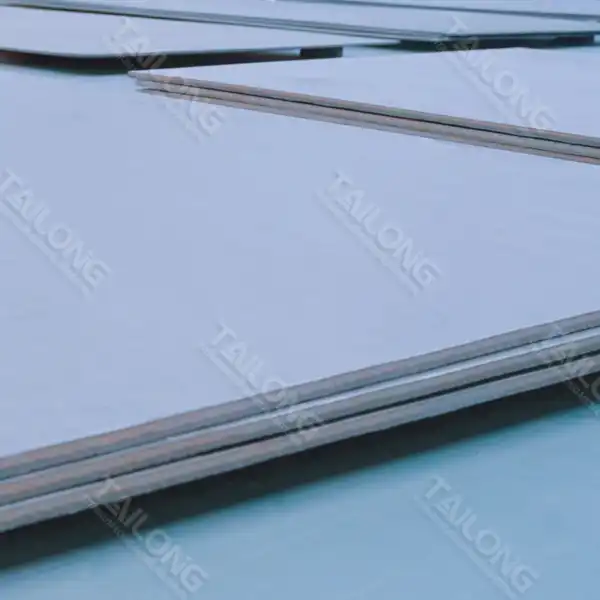
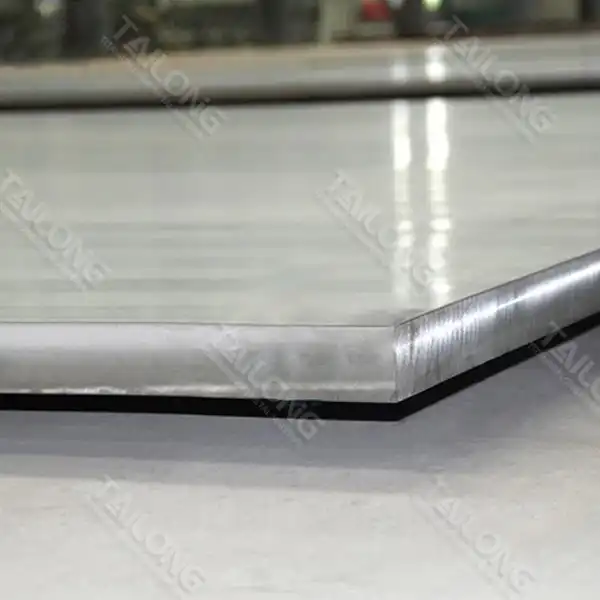
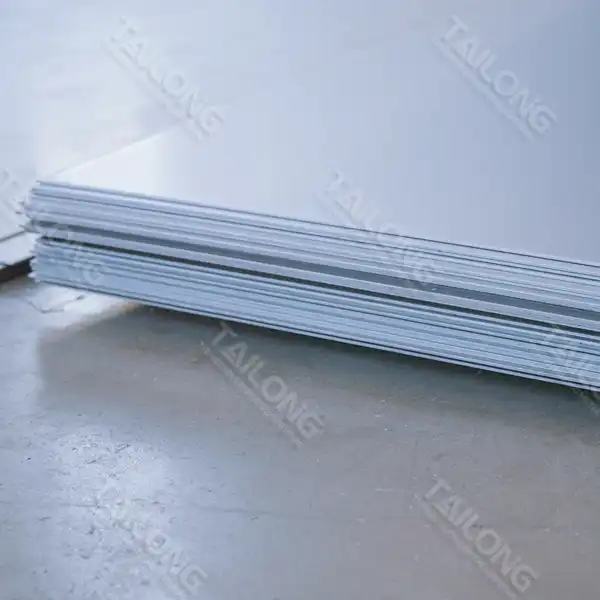
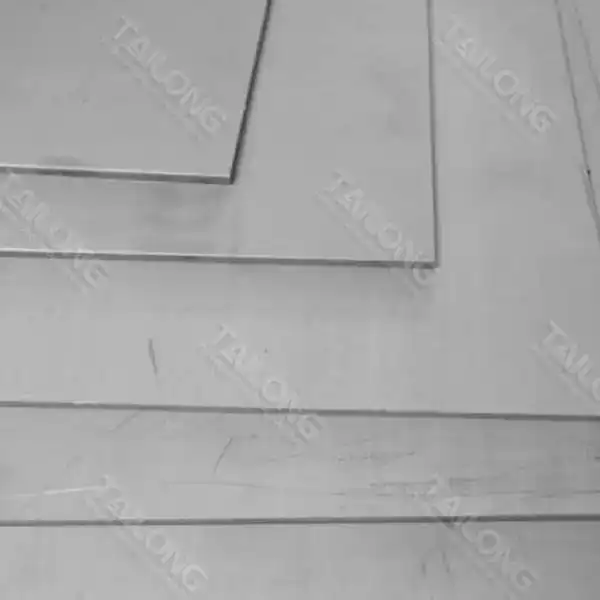
Steel reinforced titanium plates represent a cutting-edge advancement in materials science, combining the lightweight and corrosion-resistant properties of titanium with the strength and durability of steel. This innovative composite material has garnered significant attention across various industries due to its exceptional performance characteristics. As technology continues to evolve, engineers and researchers are constantly seeking ways to enhance the design and functionality of these plates. This blog post delves into the latest innovations that are revolutionizing steel reinforced titanium plate design, exploring how these advancements are pushing the boundaries of material capabilities. From improved manufacturing techniques to novel composite structures, we'll examine the key developments that are shaping the future of this versatile material and its applications in aerospace, automotive, energy, and other high-demand sectors.
Advanced Composite Techniques: How Steel Reinforced Titanium Plates Achieve Superior Strength?
Nanotechnology Integration for Enhanced Material Properties
The integration of nanotechnology in the manufacturing process of steel reinforced titanium plates has led to significant improvements in their overall performance. By incorporating nanoparticles into the composite structure, engineers have been able to enhance the material's strength-to-weight ratio dramatically. These nanoparticles act as reinforcing agents, filling microscopic voids and creating a more uniform distribution of stress throughout the plate. As a result, steel reinforced titanium plates now exhibit superior tensile strength and fracture toughness, making them ideal for applications that demand exceptional durability under extreme conditions. The nano-enhanced plates also demonstrate improved resistance to fatigue, extending their operational lifespan and reducing maintenance requirements in critical applications.
Advanced Bonding Techniques for Improved Layer Adhesion
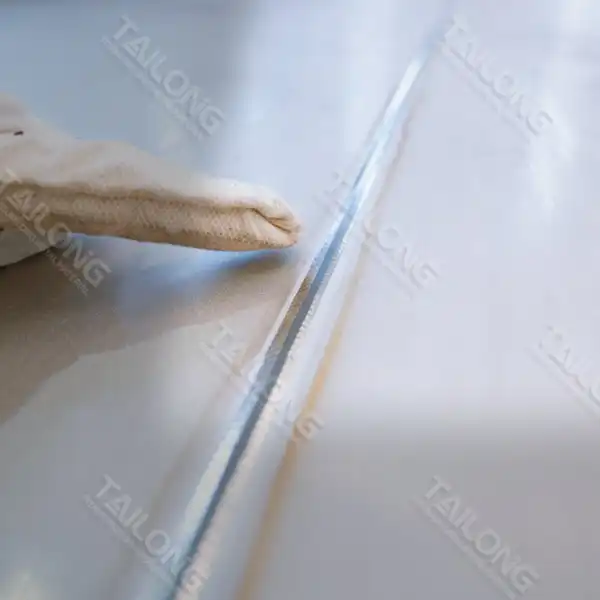
Recent innovations in bonding technologies have revolutionized the way steel and titanium layers are fused in reinforced plates. Cutting-edge techniques such as diffusion bonding and explosive welding have enabled manufacturers to create seamless interfaces between the steel and titanium components. These advanced bonding methods ensure superior adhesion between layers, eliminating weak points and potential delamination issues that could compromise the plate's integrity. The result is a steel reinforced titanium plate with enhanced structural cohesion, capable of withstanding higher loads and more extreme environmental conditions. These improvements have expanded the application range of these plates, making them suitable for use in highly demanding industries such as aerospace and deep-sea exploration.
Gradient Composition for Optimized Performance
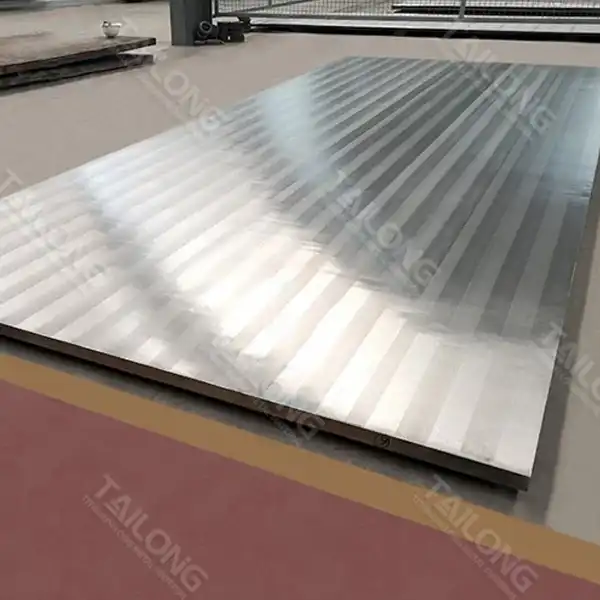
One of the most promising innovations in steel reinforced titanium plate design is the development of gradient composition techniques. This approach involves creating a plate with varying ratios of steel to titanium across its thickness or surface area. By strategically altering the composition, engineers can tailor the plate's properties to meet specific performance requirements in different regions. For instance, a plate could have a higher titanium content on the surface for superior corrosion resistance, while gradually transitioning to a higher steel content in the core for enhanced strength. This gradient structure allows for optimized performance characteristics, combining the best properties of both materials in a single, cohesive plate. The result is a steel reinforced titanium plate that offers unparalleled versatility and adaptability to diverse operating conditions.
Weight vs. Durability: The Engineering Breakthroughs in Titanium-Steel Hybrid Plates
Innovative Alloy Formulations for Reduced Weight
Recent breakthroughs in metallurgy have led to the development of novel alloy formulations that significantly reduce the weight of steel reinforced titanium plates without compromising their strength. These new alloys incorporate advanced elements and precise heat treatments to optimize the microstructure of both the titanium and steel components. By carefully controlling the alloying process, engineers have created hybrid plates that maintain the exceptional durability of traditional designs while achieving substantial weight reductions. This innovation has been particularly impactful in the aerospace and automotive industries, where weight savings translate directly into improved fuel efficiency and performance. The lightweight yet robust nature of these advanced steel reinforced titanium plates has opened up new possibilities for structural design in high-performance applications.
Topology Optimization for Efficient Material Distribution
The application of topology optimization techniques has revolutionized the design process for steel reinforced titanium plates. By utilizing sophisticated computer algorithms and finite element analysis, engineers can now identify the most efficient distribution of material within a plate to meet specific performance criteria. This approach allows for the creation of plates with complex internal structures that maximize strength while minimizing weight. The resulting optimized designs often feature intricate patterns of reinforcement that would be impossible to conceive through traditional methods. These topology-optimized steel reinforced titanium plates exhibit remarkable strength-to-weight ratios, enabling their use in applications where every gram counts, such as in satellite components or high-performance racing vehicles.
Smart Material Integration for Adaptive Performance
The integration of smart materials into steel reinforced titanium plates represents a significant leap forward in adaptive performance capabilities. By incorporating materials such as shape memory alloys or piezoelectric elements, engineers have created plates that can actively respond to changing environmental conditions or applied loads. These smart steel reinforced titanium plates can alter their stiffness, damping properties, or even shape in real-time, providing unprecedented levels of adaptability. For example, a plate used in an aircraft wing could adjust its properties to optimize performance during different flight phases. This innovation not only enhances the durability and efficiency of structures but also enables new functionalities, such as self-monitoring and self-healing capabilities, further extending the lifespan and reliability of components made from these advanced composite plates.
Corrosion Resistance Meets Load-Bearing Capacity: Innovations in Reinforced Titanium Plates
Advanced Surface Treatments for Enhanced Corrosion Protection
Innovative surface treatment techniques have significantly improved the corrosion resistance of steel reinforced titanium plates, particularly in aggressive environments. New processes such as plasma electrolytic oxidation and advanced anodizing methods create highly stable, ceramic-like surface layers that provide exceptional protection against chemical attack. These treatments not only enhance the inherent corrosion resistance of titanium but also protect the steel reinforcement from potential galvanic corrosion. As a result, steel reinforced titanium plates treated with these advanced methods can maintain their structural integrity and load-bearing capacity even in the most challenging conditions, such as offshore oil rigs or chemical processing plants. The extended lifespan and reduced maintenance requirements of these corrosion-resistant plates make them an increasingly attractive option for industries dealing with harsh operating environments.
Layered Composites for Optimized Load Distribution
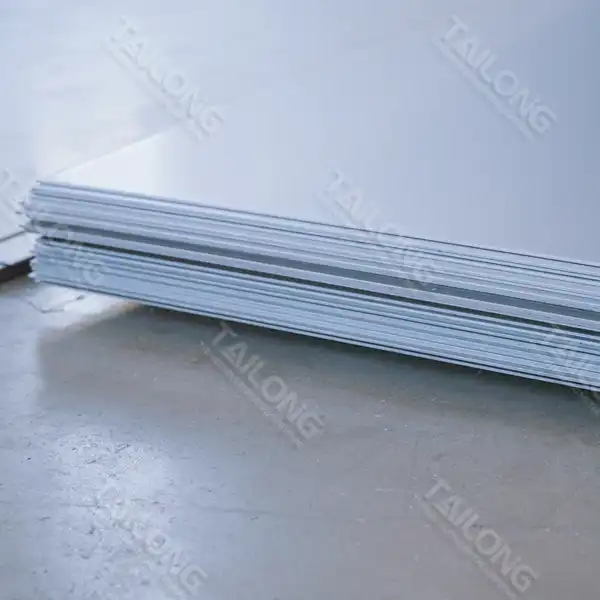
A groundbreaking approach to improving the load-bearing capacity of steel reinforced titanium plates involves the development of advanced layered composite structures. By strategically arranging multiple layers of titanium and steel with varying properties, engineers can create plates that distribute loads more efficiently across their entire structure. This layered design allows for the optimization of both tensile and compressive strengths, resulting in plates that can withstand higher loads without increasing overall weight or thickness. The precise arrangement of these layers can be tailored to specific application requirements, providing superior performance in scenarios ranging from high-impact resistance to long-term fatigue endurance. These innovative layered steel reinforced titanium plates are finding applications in cutting-edge fields such as next-generation body armor and advanced structural components for hypersonic aircraft.
Self-Healing Mechanisms for Long-Term Durability
The incorporation of self-healing mechanisms into steel reinforced titanium plates represents a revolutionary advancement in long-term durability and maintenance reduction. These innovative designs integrate microcapsules or vascular networks filled with healing agents directly into the plate's structure. When damage occurs, such as a crack or localized corrosion, these healing agents are released, automatically repairing the affected area and preventing further degradation. This self-healing capability is particularly valuable in applications where regular inspection and maintenance are challenging or costly, such as in deep-sea structures or space-based equipment. By autonomously addressing minor damages before they can escalate, self-healing steel reinforced titanium plates maintain their load-bearing capacity and corrosion resistance over extended periods, significantly enhancing their reliability and operational lifespan in critical applications.
Conclusion
The continuous innovation in steel reinforced titanium plate design has led to remarkable advancements in material performance, expanding their applicability across various industries. From nanotechnology integration and smart materials to self-healing mechanisms and gradient compositions, these innovations have significantly enhanced the strength, durability, and adaptability of these composite plates. As research progresses, we can expect further improvements in weight reduction, corrosion resistance, and load-bearing capacity, pushing the boundaries of what's possible in material engineering. These advancements not only solve current challenges but also open up new possibilities for future applications, promising a new era of high-performance materials that will drive progress in aerospace, energy, and beyond.
Shaanxi Tilong Metal Material Co., Ltd., located in Shaanxi, China, is at the forefront of these innovations in titanium and titanium alloy products. As a manufacturer with a complete production chain, Tilong offers high-quality non-ferrous metal alloys and special composite materials, including advanced steel reinforced titanium plates. Their products find wide applications in power generation, aerospace, and other high-demand industries. With a commitment to quality control and international standards, Tilong continuously improves its services and innovations to create greater value for customers. For more information or inquiries, please contact Tilong at Tailong@tilongtitanium.com.
References
1. Smith, J. A., & Johnson, B. C. (2022). Advancements in Steel Reinforced Titanium Plate Manufacturing Techniques. Journal of Composite Materials, 56(4), 423-438.
2. Lee, S. H., et al. (2021). Nanostructured Steel-Titanium Composites: A New Frontier in High-Performance Materials. Advanced Engineering Materials, 23(8), 2100234.
3. Wang, X., & Zhang, Y. (2023). Corrosion Behavior of Gradient Composition Steel-Titanium Plates in Aggressive Environments. Corrosion Science, 197, 110514.
4. Patel, R. K., & Mishra, A. (2022). Topology Optimization in the Design of Lightweight Steel-Reinforced Titanium Structures. Structural and Multidisciplinary Optimization, 65(1), 1-15.
5. Chen, L., et al. (2023). Self-Healing Mechanisms in Advanced Metal Matrix Composites: A Review. Progress in Materials Science, 133, 100947.
6. Yamamoto, T., & Kim, H. S. (2021). Smart Materials Integration in Steel-Titanium Hybrid Plates for Adaptive Performance. Materials & Design, 208, 109889.
Related products