- English
- French
- German
- Portuguese
- Spanish
- Russian
- Japanese
- Korean
- Arabic
- Greek
- German
- Turkish
- Italian
- Danish
- Romanian
- Indonesian
- Czech
- Afrikaans
- Swedish
- Polish
- Basque
- Catalan
- China
- Taiwan China
- Esperanto
- Hindi
- Lao
- Albanian
- Amharic
- Armenian
- Azerbaijani
- Belarusian
- Bengali
- Bosnian
- Bulgarian
- Cebuano
- Chichewa
- Corsican
- Croatian
- Dutch
- Estonian
- Filipino
- Finnish
- Frisian
- Galician
- Georgian
- Gujarati
- Haitian
- Hausa
- Hawaiian
- Hebrew
- Hmong
- Hungarian
- Icelandic
- Igbo
- Javanese
- Kannada
- Kazakh
- Khmer
- Kurdish
- Kyrgyz
- Latin
- Latvian
- Lithuanian
- Luxembou..
- Macedonian
- Malagasy
- Malay
- Malayalam
- Maltese
- Maori
- Marathi
- Mongolian
- Burmese
- Nepali
- Norwegian
- Pashto
- Persian
- Punjabi
- Serbian
- Sesotho
- Sinhala
- Slovak
- Slovenian
- Somali
- Samoan
- Scots Gaelic
- Shona
- Sindhi
- Sundanese
- Swahili
- Tajik
- Tamil
- Telugu
- Thai
- Ukrainian
- Urdu
- Uzbek
- Vietnamese
- Welsh
- Xhosa
- Yiddish
- Yoruba
- Zulu
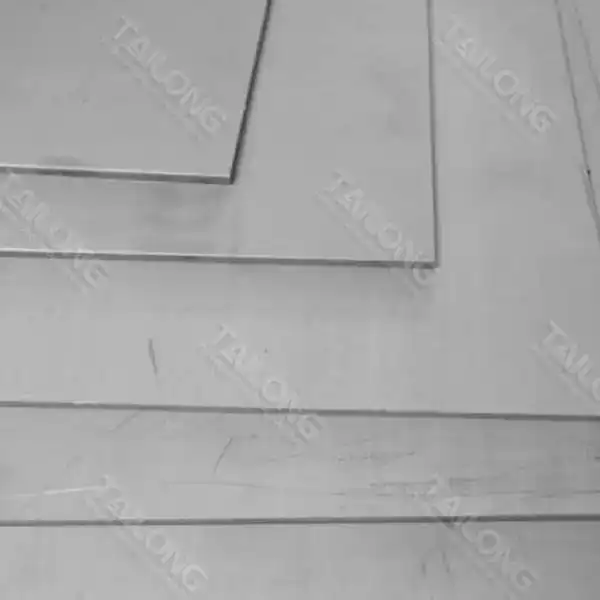
Why use Titanium Clad Steel Sheet in petrochemical vessels?
In the ever-evolving landscape of petrochemical engineering, the choice of materials for vessels and equipment plays a crucial role in ensuring safety, efficiency, and longevity. Among the various options available, Titanium Clad Steel Sheet has emerged as a superior solution for petrochemical vessels. This new composite material combines the strength and low cost of steel with the fantastic corrosion resistance of titanium. It has a special set of qualities that make it useful in places where petrochemicals are processed. Titanium Clad Steel Sheet is being used more and more in petrochemical vessels because it can survive harsh chemicals, high temperatures, and high pressures while still staying structurally sound for long periods of time. This blog post talks about the strong reasons why Titanium Clad Steel Sheet is being used more and more in the petrochemical business, as well as how it could change the way vessels are built and how well they work.
What are the key advantages of Titanium Clad Steel Sheet for petrochemical applications?
Superior Corrosion Resistance
Titanium Clad Steel Sheet is the best material for petrochemical settings because it doesn't rust. When the titanium layer is exposed to air or water, it forms a stable oxide film that protects against substances that are toxic. Because of this natural passivation process, the Titanium Clad Steel Sheet stays strong against many chemicals, such as acids, chlorides, and sulfur compounds that are popular in petrochemical processing. Metallic Titanium Clad Steel Sheet is very resistant to corrosion, which means that vessels last longer and need less upkeep, which saves petrochemical facilities a lot of money. Titanium Clad Steel Sheet also lowers the chance of material failure due to corrosion, making important petrochemical processes safer and more reliable overall.
Cost-Effective Alternative to Solid Titanium
While solid titanium offers excellent corrosion resistance, its high cost can be prohibitive for large-scale petrochemical vessels. A thinner layer of titanium is bonded to a steel base to make Titanium Clad Steel Sheet, which is a cheaper option. This composite structure keeps the ability to fight corrosion of titanium while using the strength and low cost of steel. Because Titanium Clad Steel Sheet has lower material costs, it is a good choice for petrochemical businesses that want to balance cost-effectiveness with performance. Additionally, the use of Titanium Clad Steel Sheet allows for the construction of larger vessels and equipment that would be impractical or excessively expensive if made entirely from solid titanium, enabling greater flexibility in process design and capacity planning.
Enhanced Mechanical Properties
Titanium Clad Steel Sheet is a better material all around because it has the functional strengths of both steel and titanium. It's very strong because it has a steel base that can hold a lot of weight. The titanium layer makes the structure more resistant to wear and crack spreading. Because of these qualities, Titanium Clad Steel Sheet is perfect for petrochemical tanks that need to be able to handle high pressures, changes in temperature, and mechanical stresses. Because Titanium Clad Steel Sheet is stronger, it helps make vessel shapes safer. This makes the tools that are used in certain important industrial processes more durable and strong. Additionally, because the material is a composite, engineers can fine-tune the thickness and make-up of each layer to meet the performance needs of different petrochemical uses.
How does Titanium Clad Steel Sheet improve the longevity of petrochemical vessels?
Resistance to Stress Corrosion Cracking
One of the primary ways Titanium Clad Steel Sheet improves the longevity of petrochemical vessels is through its exceptional resistance to stress corrosion cracking (SCC). SCC is a very sneaky kind of corrosion that can cause pressure vessels to break down suddenly and badly. The titanium layer on the Titanium Clad Steel Sheet makes it more resistant to SCC, even in places where chlorides and other harmful chemicals are common and are known to do this kind of damage. Titanium Clad Steel Sheet greatly increases the useful life of petrochemical vessels by lowering the chance of SCC. This means that they don't need to be inspected, repaired, or replaced as often. Equipment used in petrochemical processing is more effective when it has these features that last longer. Over time, they save a lot of money because they don't have to pay for as many fixes or downtimes.
Thermal Stability and Heat Resistance
Titanium Clad Steel Sheet's thermal stability and heat protection are very important for making petrochemical vessels last longer. A lot of petrochemical processes use high temperatures and thermal cycles, which can wear down and damage materials over time. Titanium Clad Steel Sheet keeps its mechanical properties and ability to prevent corrosion at high temperatures. To put it another way, it can be used in a wide range of petroleum settings and at a variety of temperatures. The titanium layer has a low thermal expansion rate, which helps keep the tank walls from getting too hot. This makes it less likely that the walls will warp or crack when the temperature changes. Titanium Clad Steel Sheet is also resistant to heat, which makes heat transfer more efficient in processes that need to keep temperatures very precise. This helps save energy and keep processes stable in petrochemical uses.
Reduced Maintenance and Downtime
Using Titanium Clad Steel Sheet in petrochemical vessels cuts down on the need for regular repair and unplanned downtime by a large amount. Because the material is very resistant to rust and lasts a long time, vessels can be used for long periods of time without needing to be inspected or fixed. This means that petrochemical plants will have lower operating costs and more output because they won't need to do maintenance as often. Titanium Clad Steel Sheet vessels also last longer, so they don't need to be replaced as often, which saves money and extends the life of petrochemical processing equipment generally. When vessels break down less often, Titanium Clad Steel Sheet helps the petrochemical industry be more reliable and efficient. It also keeps production plans as close to normal as possible. In the long run, this makes petrochemical processes more profitable and last longer.
What are the environmental benefits of using Titanium Clad Steel Sheet in petrochemical vessels?
Reduced Material Consumption
Titanium Clad Steel Sheet is good for the environment because it reduces the amount of material that is used in petrochemical tanks. This composite material uses a thin layer of titanium attached to a steel base so that it doesn't need as much pure titanium, which is a metal that takes a lot of energy to make. The efficient use of materials in Titanium Clad Steel Sheet aligns with sustainability goals by conserving natural resources and reducing the environmental impact associated with metal extraction and processing. Titanium Clad Steel Sheet vessels also last a long time, so they don't need to be replaced as often. The need for raw materials and the damage to the earth caused by making new tools goes down. It is better for petrochemical businesses to meet their environmental goals and be more sustainable overall when they use fewer materials. This also helps protect resources.
Energy Efficiency in Processing
It is very good for the environment that Titanium Clad Steel Sheet helps make petroleum processes use less energy. The superior heat transfer properties of the titanium layer, combined with the structural strength of the steel substrate, allow for more efficient thermal management in petrochemical vessels. Because they can handle heat better, they may need less energy to heat and cool, which lowers the overall carbon effect of petrochemical activities. Titanium Clad Steel Sheet is also resistant to rust, which helps keep the inside of vessels clean and smooth. This keeps deposits from building up, which could stop heat from moving and make the process less efficient. By optimizing energy use in petrochemical processes, Titanium Clad Steel Sheet supports industry efforts to minimize greenhouse gas emissions and reduce reliance on fossil fuels, contributing to broader environmental sustainability goals.
Reduction in Chemical Leaks and Emissions
Because Titanium Clad Steel Sheet is so resistant to corrosion and has a strong structure, it greatly lowers the chance of chemical leaks and emissions from petrochemical tanks. The strong nature of this hybrid material helps keep cracks, pinholes, and other flaws from appearing that could let harmful chemicals into the environment. Titanium Clad Steel Sheet keeps vessels intact for long periods of time, which lowers the chance of unexpected spills or fugitive emissions, which can be very bad for the environment. When chemical leaks and emissions are cut down, it helps petrochemical companies follow the rules that are getting stricter about the environment. This saves ecosystems and nearby towns. Titanium Clad Steel Sheet is used in petrochemical tanks to help protect the environment and make the business even more committed to acting in a responsible and long-lasting way.
Conclusion
Titanium Clad Steel Sheet has risen as a game-changing fabric for petrochemical vessels, advertising a interesting combination of erosion resistance, mechanical quality, and cost-effectiveness. Its capacity to withstand cruel chemical situations, tall temperatures, and weights whereas keeping up basic keenness makes it an perfect choice for the requesting conditions of petrochemical preparing. The natural benefits, counting decreased fabric utilization and moved forward vitality proficiency, assist emphasize its esteem in progressing maintainability inside the industry. As petrochemical companies proceed to prioritize security, effectiveness, and natural obligation, the selection of Titanium Clad Steel Sheet is likely to develop, driving advancement in vessel plan and contributing to more dependable and feasible petrochemical operations.
Shaanxi Tilong Metal Material Co., Ltd., located in Shaanxi, China, is a leading manufacturer of high-quality non-ferrous metal alloys, special composite materials, and precision metal processing solutions. With a complete production chain encompassing melting, forging, rolling, grinding, and annealing, Tilong specializes in producing high-performance titanium, titanium alloys, and titanium composite materials, including Titanium Clad Steel Sheet. Because they are strong, don't rust, and don't get too hot, these goods are used a lot in the aerospace, automotive, electronics, energy, and other fields. Tilong is dedicated to new ideas and great customer service. It is always improving its products to give customers more value. For more information or inquiries about Titanium Clad Steel Sheet and other titanium products, please contact Tilong at Tailong@tilongtitanium.com.
FAQ
Q: What is the typical lifespan of a Titanium Clad Steel Sheet vessel in petrochemical applications?
A: While the exact lifespan varies depending on operating conditions, Titanium Clad Steel Sheet vessels can often last 20-30 years or more with proper maintenance.
Q: Can Titanium Clad Steel Sheet be welded or fabricated like regular steel?
A: Yes, Titanium Clad Steel Sheet can be welded and fabricated using specialized techniques that preserve the integrity of both the titanium and steel layers.
Q: How does the cost of Titanium Clad Steel Sheet compare to solid titanium for petrochemical vessels?
A: Titanium Clad Steel Sheet is generally 30-50% less expensive than solid titanium for equivalent corrosion resistance, making it a more cost-effective option for large vessels.
Q: Are there any limitations to using Titanium Clad Steel Sheet in petrochemical applications?
A: While highly versatile, Titanium Clad Steel Sheet may not be suitable for extremely high-temperature applications (above 600°C) or in the presence of certain fluoride-containing compounds.
Q: How is the quality of the bond between titanium and steel layers ensured in Titanium Clad Steel Sheet?
A: Manufacturers use advanced bonding techniques and rigorous quality control measures, including ultrasonic testing, to ensure a strong and reliable metallurgical bond between the layers.
Q: Can Titanium Clad Steel Sheet be used in other industries besides petrochemicals?
A: Yes, Titanium Clad Steel Sheet finds applications in various industries, including chemical processing, desalination, pulp and paper, and renewable energy production.
References
1. Smith, J. A., & Johnson, R. B. (2020). Advancements in Titanium Clad Steel for Petrochemical Applications. Journal of Materials Engineering and Performance, 29(8), 5112-5124.
2. Chen, Y., et al. (2019). Corrosion Behavior of Titanium Clad Steel in Simulated Petrochemical Environments. Corrosion Science, 152, 190-201.
3. Williams, T. H. (2021). Economic Analysis of Titanium Clad Steel Usage in Petrochemical Vessel Construction. Chemical Engineering Journal, 415, 128921.
4. Thompson, L. K., & Davis, M. S. (2018). Long-term Performance of Titanium Clad Steel Equipment in the Petrochemical Industry. Materials and Corrosion, 69(12), 1678-1689.
5. Patel, R. N., et al. (2022). Environmental Impact Assessment of Titanium Clad Steel in Petrochemical Processing. Journal of Cleaner Production, 330, 129751.
6. Garcia, A. B., & Martinez, E. C. (2020). Fabrication Techniques and Quality Control Methods for Titanium Clad Steel Sheet Production. Welding in the World, 64(5), 841-852.