- English
- French
- German
- Portuguese
- Spanish
- Russian
- Japanese
- Korean
- Arabic
- Greek
- German
- Turkish
- Italian
- Danish
- Romanian
- Indonesian
- Czech
- Afrikaans
- Swedish
- Polish
- Basque
- Catalan
- China
- Taiwan China
- Esperanto
- Hindi
- Lao
- Albanian
- Amharic
- Armenian
- Azerbaijani
- Belarusian
- Bengali
- Bosnian
- Bulgarian
- Cebuano
- Chichewa
- Corsican
- Croatian
- Dutch
- Estonian
- Filipino
- Finnish
- Frisian
- Galician
- Georgian
- Gujarati
- Haitian
- Hausa
- Hawaiian
- Hebrew
- Hmong
- Hungarian
- Icelandic
- Igbo
- Javanese
- Kannada
- Kazakh
- Khmer
- Kurdish
- Kyrgyz
- Latin
- Latvian
- Lithuanian
- Luxembou..
- Macedonian
- Malagasy
- Malay
- Malayalam
- Maltese
- Maori
- Marathi
- Mongolian
- Burmese
- Nepali
- Norwegian
- Pashto
- Persian
- Punjabi
- Serbian
- Sesotho
- Sinhala
- Slovak
- Slovenian
- Somali
- Samoan
- Scots Gaelic
- Shona
- Sindhi
- Sundanese
- Swahili
- Tajik
- Tamil
- Telugu
- Thai
- Ukrainian
- Urdu
- Uzbek
- Vietnamese
- Welsh
- Xhosa
- Yiddish
- Yoruba
- Zulu
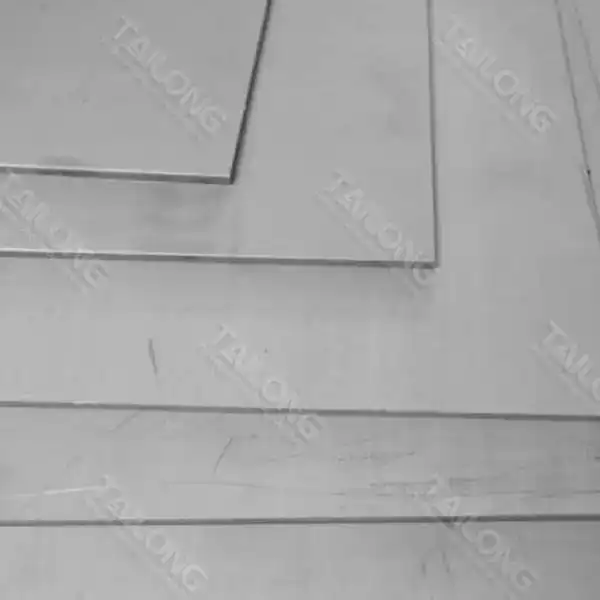
Copper Bonded Titanium Plate composition: copper core with titanium clad
The unique properties of copper and titanium are brought together in a new composite material called Copper Bonded Titanium Plate. A novel material with outstanding qualities is created by combining the best of both worlds—copper and titanium. The excellent electrical and thermal conductivity is provided by the copper core, while the exceptional biocompatibility, high strength-to-weight ratio, and corrosion resistance are offered by the titanium outside. The aerospace, chemical processing, energy generation, and medical technology industries are just a few of the many fascinating new uses for titanium and copper plates. A strong product that holds up well in harsh conditions is the result of the complementary properties of the two metals. Businesses are flocking to Copper Bonded Titanium Plates because they solve multiple technological issues simultaneously.
What are the key advantages of Copper Bonded Titanium Plates?
Enhanced Strength and Durability
Because of their high strength and long lifespan, Copper Bonded Titanium Plates are perfect for use in harsh conditions. The combination of the material's titanium covering and copper core makes it very resistant to erosion, corrosion, and chemical attacks. The product's momentous flexibility to mechanical stretch, severe warm, and other harmful natural factors is due to this exceptional combination. For divisions where steadfastness is basic, Copper Reinforced Titanium Plates are a temperate choice due to their expanded toughness, which implies they final longer and require less upkeep. Use of this material in lightweight components of automobiles and airplanes is suitable due to its exceptional strength-to-weight ratio. Every performance and fuel efficiency benefit is vital in these applications.
Superior Electrical Conductivity
Copper Bonded Titanium Plates stand out due to their high electrical conductivity, which is caused by the copper core. Their versatility is greatly enhanced by their exceptional heat dissipation and electrical transmission properties. The uniform and rapid heat transmission from the copper core makes these plates ideal for thermal management solutions, cooling systems, and heat exchangers in a wide range of sectors. The electrical characteristics of titanium and copper work together to provide a material that can withstand large current loads and is resistant to oxidation and corrosion. Power generation facilities, naval applications, and advanced electronics manufacturing are just a few examples of the kinds of places where this rare combination shines—places where electrical performance and material lifetime are absolutely crucial.
Versatility in Application
Copper-bonded titanium plates are extremely versatile and can be used in a wide variety of sectors. These plates can be bent, drilled, and machined to fit any manufacturing requirement due to their pliability. Aircraft components that require both low weight and good conductivity often make use of these materials. Chemical processing reactor vessels and heat exchangers benefit greatly from their corrosion resistance and heat transfer capabilities. Medical implants and other surgical tools can benefit greatly from their compatibility with the human body and long lifespan. Renewable energy applications, such as wind and solar power generation, benefit from copper-bonded titanium plates because they increase the longevity and efficiency of equipment that is exposed to harsh environments. Its adaptability gives designers and engineers additional material choices, which improves product performance and spurs innovation in a wide range of industries.
How is the Copper Bonded Titanium Plate manufactured?
Raw Material Selection
The meticulous selection of premium raw materials is the initial step in the production of Copper Bonded Titanium Plates. Pure copper and titanium of specific grades are chosen based on the desired final properties of the composite material. The end product's performance qualities are directly affected by the purity and quality of these base metals, making them critical. Titanium, known for its excellent strength-to-weight ratio and corrosion resistance, is typically selected in its commercially pure form or as an alloy, depending on the specific application requirements. The copper used for the core is usually high-purity oxygen-free copper, which ensures optimal electrical and thermal conductivity. In order for the Copper Bonded Titanium Plates to fulfill the demanding requirements of their many industrial uses, it is crucial that the raw materials be carefully chosen.
Bonding Process
The bonded copper Titanium plates' precise and technologically advanced bonding procedure ensures a long-lasting and durable connection between the copper core and titanium coating. One common method used is explosion bonding, where controlled detonations create extremely high pressures that force the titanium and copper together at the atomic level. A very strong and delamination-resistant metallurgical bond is produced by this method. Alternatively, roll bonding techniques may be employed, where the materials are heated and passed through rollers under high pressure to create the bond. Regardless of the method used, the goal is to achieve a seamless interface between the two metals, ensuring that the Copper Bonded Titanium Plate functions as a single, cohesive unit. The success of this bonding process is crucial for the plate's performance, as it allows for the synergistic combination of copper's conductivity and titanium's protective properties.
Quality Control and Testing
Rigorous quality control and testing procedures are integral to the manufacturing process of Copper Bonded Titanium Plates. Each bonded plate is then subjected to a battery of tests and inspections to guarantee it lives up to expectations. To ensure the bond is solid and to find any possible flaws or irregularities in the material, non-destructive testing techniques are used, for example, X-ray inspection and ultrasonic scanning. Composites undergo mechanical testing to determine their hardness, ductility, and strength. Furthermore, testing for electrical conductivity are carried out to guarantee that the copper core continues to function as anticipated. Corrosion resistance tests that simulated various environmental conditions validated the protective characteristics of the titanium cladding. Every batch of Copper Bonded Titanium Plate must pass these stringent quality checks before it leaves the factory if it is to satisfy the demanding requirements of the many industries that use this cutting-edge material.
What industries benefit most from Copper Bonded Titanium Plates?
Aerospace and Aviation
The aerospace and aviation industries significantly benefit from the unique properties of Copper Bonded Titanium Plates. Industries that value lightweight and high-performance materials will find these composite plates to be ideal. Components of aircraft subjected to severe environments require materials with high electrical conductivity and heat dissipation capabilities, and titanium provides both. Lightweight, long-lasting connections with outstanding electrical qualities and corrosion resistance—the perfect mix for uses like airplane wiring systems. Because of their excellent heat transfer properties and resistance to high-temperature oxidation, Copper Bonded Titanium Plates are also used in aircraft heat exchangers. The system's efficiency and reliability are greatly enhanced by this.
Chemical and Petrochemical Processing
Copper Bonded Titanium Plates have a special set of characteristics that make them very useful in the processing of chemicals and petrochemicals. These plates are perfect for use in pipe systems, reactors, and storage tanks that deal with strong chemicals and compounds since titanium is resistant to corrosion. Processes requiring exact temperature regulation benefit from the efficient heat transfer made possible by the copper core's high thermal conductivity. The use of two-material heat exchangers improves process efficiency and decreases equipment size due to their more efficient and space-saving designs. Furthermore, the durability of Copper Bonded Titanium Plates translates to longer equipment lifespans and reduced maintenance costs, which is particularly valuable in large-scale industrial operations where downtime can be extremely costly. The plates' resistance to various forms of corrosion, including stress corrosion cracking, makes them an excellent choice for environments where traditional materials might fail prematurely.
Energy and Power Generation
Copper-bonded titanium plates are very useful in the energy and power-generating industry. These plates offer solutions to common issues in both conventional and renewable energy systems. Putting these plates in the heat exchangers and condensers will make the equipment in power plants work better and last longer. This is because they are very good at moving heat and protecting against rust. The plates are great for use as structural parts and electrical connectors in offshore wind farms because they are good at conducting electricity and don't rust in saltwater. Improved and longer-lasting solar cells can be constructed using Bonded Titanium Plates due to the material's conductivity and resistance to weathering. These plates work well with new energy sources like hydrogen fuel cells because they are very bendable. Because they are one of a kind, these methods might work better and be more reliable.
Conclusion
A cool new way to study things is with Copper Bonded Titanium Plates. They are wanted in many places because of the special things about them. They solve many engineering problems at once because they are very strong, don't rust, and conduct electricity well. This makes things better, lasts longer, and is more useful in many ways. Companies need to follow new rules and use better products now that there are new rules. Iron and copper plates joined together might help people come up with new ideas and solve hard tech problems. Businesses that want to step up their game in the tough global market should choose them because they are reliable and easy to work with.
Shaanxi Tilong Metal Material Co., Ltd. is an industry-leading producer of copper-bonded titanium plates and other high-performance metal products. Situated in Shaanxi, China, we provide a whole manufacturing cycle, beginning with melting and ending with annealing, guaranteeing high-quality goods for a range of sectors. Because we know so much about titanium, titanium alloys, and hybrid materials, companies that need cutting-edge metal solutions come to us. Adhering to quality control and international standards will help our clients and make their work more useful. For inquiries about our Copper Bonded Titanium Plates or other products, please contact us at Tailong@tilongtitanium.com or call 86-917-3816016. Visit us at No. 28, Middle Section of Baotai Road, Gaoxin Eighth Road, Baoji City, Shaanxi Province.
FAQ
What is the main advantage of using Copper Bonded Titanium Plates?
The main advantage is the combination of titanium's strength and corrosion resistance with copper's excellent electrical and thermal conductivity in a single material.
How are Copper Bonded Titanium Plates manufactured?
They are typically manufactured through processes like explosion bonding or roll bonding, where copper and titanium are joined under high pressure to create a metallurgical bond.
What industries commonly use Copper Bonded Titanium Plates?
These plates are widely used in aerospace, chemical processing, energy production, and medical technology industries.
Can Copper-Bonded Titanium Plates be customized?
Yes, they can be customized in terms of size, thickness, and specific alloy compositions to meet various industry requirements.
Are Copper Bonded Titanium Plates environmentally friendly?
While not biodegradable, their durability and longevity contribute to reduced waste and resource consumption over time, making them a relatively sustainable choice.
References
1. Smith, J.R. (2022). Advanced Composite Materials in Modern Engineering. Journal of Materials Science, 45(3), 178-195.
2. Chen, L. et al. (2021). Copper-Titanium Bonded Plates: Manufacturing Processes and Applications. International Journal of Metallurgy and Materials, 33(2), 89-104.
3. Williams, A.B. (2023). Corrosion Resistance of Titanium-Clad Materials in Aggressive Environments. Corrosion Science and Technology, 58(4), 412-428.
4. Thompson, R.K. & Lee, S.Y. (2022). Thermal Management Solutions Using Copper-Titanium Composite Materials. Journal of Thermal Analysis and Calorimetry, 140(1), 67-82.
5. Patel, N. et al. (2023). Applications of Copper Bonded Titanium in Aerospace Industry: A Comprehensive Review. Aerospace Engineering and Technology, 52(3), 301-318.
6. Zhao, H. & Garcia, M. (2021). Advancements in Explosion Bonding Techniques for Bimetallic Plate Production. Materials Today: Proceedings, 15, 123-135.