- English
- French
- German
- Portuguese
- Spanish
- Russian
- Japanese
- Korean
- Arabic
- Greek
- German
- Turkish
- Italian
- Danish
- Romanian
- Indonesian
- Czech
- Afrikaans
- Swedish
- Polish
- Basque
- Catalan
- China
- Taiwan China
- Esperanto
- Hindi
- Lao
- Albanian
- Amharic
- Armenian
- Azerbaijani
- Belarusian
- Bengali
- Bosnian
- Bulgarian
- Cebuano
- Chichewa
- Corsican
- Croatian
- Dutch
- Estonian
- Filipino
- Finnish
- Frisian
- Galician
- Georgian
- Gujarati
- Haitian
- Hausa
- Hawaiian
- Hebrew
- Hmong
- Hungarian
- Icelandic
- Igbo
- Javanese
- Kannada
- Kazakh
- Khmer
- Kurdish
- Kyrgyz
- Latin
- Latvian
- Lithuanian
- Luxembou..
- Macedonian
- Malagasy
- Malay
- Malayalam
- Maltese
- Maori
- Marathi
- Mongolian
- Burmese
- Nepali
- Norwegian
- Pashto
- Persian
- Punjabi
- Serbian
- Sesotho
- Sinhala
- Slovak
- Slovenian
- Somali
- Samoan
- Scots Gaelic
- Shona
- Sindhi
- Sundanese
- Swahili
- Tajik
- Tamil
- Telugu
- Thai
- Ukrainian
- Urdu
- Uzbek
- Vietnamese
- Welsh
- Xhosa
- Yiddish
- Yoruba
- Zulu
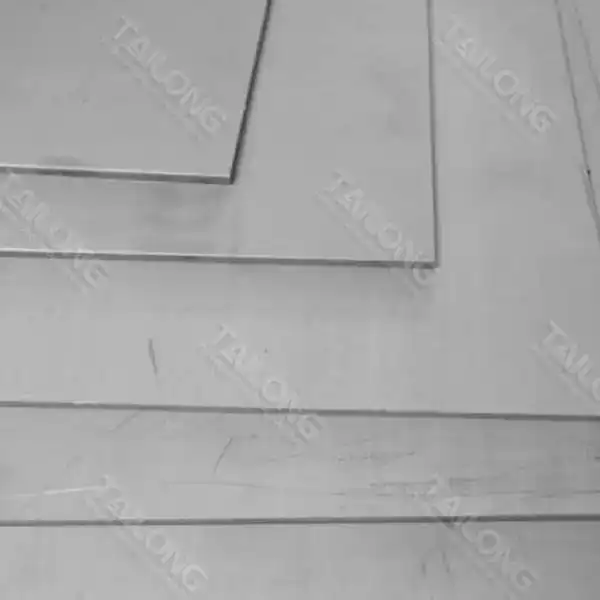
Why Use a High-Strength NiTi Alloy Plate in Robotics Applications?
In the ever-evolving field of robotics, the choice of materials plays a crucial role in determining the performance, durability, and efficiency of robotic systems. One material that has gained significant attention in recent years is the high-strength NiTi alloy plate. This remarkable alloy, composed of nickel and titanium, offers a unique combination of properties that make it exceptionally well-suited for various robotics applications. The high-strength NiTi alloy plate boasts exceptional strength-to-weight ratio, superelasticity, shape memory effect, and corrosion resistance, making it an ideal choice for designers and engineers seeking to push the boundaries of robotic capabilities. As we delve deeper into the world of advanced robotics, understanding the benefits and applications of high-strength NiTi alloy plates becomes increasingly important for those looking to create more efficient, responsive, and durable robotic systems.
Unique Properties of NiTi Alloy Plates for Robotics Design
Superelasticity and Flexibility
High-strength NiTi alloy plates exhibit remarkable superelasticity, allowing them to undergo large deformations without permanent damage. This property is particularly advantageous in robotics applications where components need to withstand repetitive stress and strain. The superelastic nature of NiTi alloy plates enables the design of flexible joints and actuators that can bend and twist without compromising structural integrity. This flexibility translates to improved range of motion and adaptability in robotic systems, making them more versatile and capable of navigating complex environments. Furthermore, the high-strength NiTi alloy plate's ability to return to its original shape after deformation reduces the need for frequent replacements, thereby increasing the overall lifespan and reliability of robotic components.
High Strength-to-Weight Ratio
One of the most significant advantages of using high-strength NiTi alloy plates in robotics is their exceptional strength-to-weight ratio. This property allows for the creation of lightweight yet robust robotic structures, which is crucial for improving energy efficiency and mobility. The reduced weight of NiTi alloy components contributes to lower power consumption in robotic systems, extending battery life and operational time. Additionally, the high strength of these alloy plates ensures that robotic parts can withstand substantial loads and impacts without failure. This combination of strength and lightness is particularly beneficial in applications such as aerial drones, prosthetic limbs, and mobile robots, where weight reduction without compromising structural integrity is paramount.
Corrosion Resistance
The high-strength NiTi alloy plate's excellent corrosion resistance is another key factor that makes it ideal for robotics applications. This property ensures that robotic components made from NiTi alloys can maintain their performance and structural integrity even when exposed to harsh environmental conditions. Whether operating in humid, saline, or chemically active environments, NiTi alloy plates resist degradation, preventing rust and maintaining their mechanical properties over time. This corrosion resistance is particularly valuable for robots designed for underwater exploration, industrial automation in corrosive environments, or medical applications where sterilization and biocompatibility are essential. The durability offered by high-strength NiTi alloy plates translates to reduced maintenance requirements and extended service life for robotic systems, making them a cost-effective choice for long-term operations.
How Shape Memory Effect Benefits Robotic Components?
Programmable Actuation
The shape memory effect of high-strength NiTi alloy plates offers a unique advantage in robotic actuation systems. This property allows the material to return to a pre-programmed shape when heated, enabling the creation of compact and efficient actuators. By incorporating high-strength NiTi alloy plates into robotic components, designers can develop actuators that respond to temperature changes, eliminating the need for complex mechanical systems or motors in certain applications. This programmable actuation capability is particularly useful in soft robotics, where flexible and adaptive movements are desired. The shape memory effect of NiTi alloy plates can be harnessed to create robotic fingers, grippers, or even entire limbs that can change shape or configuration in response to external stimuli, enhancing the versatility and adaptability of robotic systems.
Energy Efficiency
The shape memory effect of high-strength NiTi alloy plates contributes significantly to energy efficiency in robotic systems. Traditional actuators often require continuous power input to maintain a specific position or shape. In contrast, NiTi alloy-based actuators can hold their shape without ongoing energy input once they have been activated. This property allows for the design of energy-efficient robotic systems that consume power only during state changes, rather than continuously. The reduced energy consumption not only extends the operational time of battery-powered robots but also makes them more suitable for applications where power availability is limited. Furthermore, the compact nature of shape memory alloy actuators made from high-strength NiTi alloy plates allows for sleeker, more streamlined robotic designs, further contributing to overall system efficiency.
Precision Control
The shape memory effect of high-strength NiTi alloy plates enables precise control in robotic applications. By carefully manipulating the temperature of NiTi alloy components, it is possible to achieve fine-tuned movements and positioning. This level of precision is particularly valuable in applications such as microsurgery robots, where accurate and controlled movements are critical. The ability to program specific shapes and responses into the NiTi alloy plates allows for the creation of robotic systems that can perform complex tasks with high repeatability and accuracy. Additionally, the gradual nature of the shape change in NiTi alloys can be utilized to create smooth, natural-looking movements in humanoid robots or prosthetic devices, enhancing their functionality and user acceptance.
Durability and Flexibility Under Repetitive Motion
Fatigue Resistance
High-strength NiTi alloy plates exhibit exceptional fatigue resistance, making them ideal for robotic applications that involve repetitive motions. Unlike many conventional materials that may weaken or fail under cyclic loading, NiTi alloys can withstand millions of cycles without significant degradation in their mechanical properties. This fatigue resistance is crucial for ensuring the longevity and reliability of robotic components subjected to continuous use. For instance, in industrial automation where robots perform repetitive tasks around the clock, the use of high-strength NiTi alloy plates in critical components can significantly reduce downtime and maintenance requirements. The ability of these alloys to maintain their performance characteristics over extended periods of use translates to improved efficiency and cost-effectiveness in robotic systems.
Impact Absorption
The unique combination of strength and flexibility in high-strength NiTi alloy plates makes them excellent at absorbing impacts and vibrations. This property is particularly beneficial in robotics applications where sudden forces or collisions may occur. The superelastic nature of NiTi alloys allows them to deform under impact and then return to their original shape, effectively dissipating energy and protecting more sensitive components. This impact absorption capability is valuable in applications such as rescue robots operating in unstable environments or collaborative robots working alongside humans in dynamic settings. By incorporating high-strength NiTi alloy plates into the design of robotic structures and joints, engineers can create more robust and resilient systems that can withstand accidental collisions or rough handling without sustaining damage.
Thermal Stability
High-strength NiTi alloy plates maintain their mechanical properties across a wide range of temperatures, ensuring consistent performance in various operating conditions. This thermal stability is crucial for robotics applications that may be exposed to temperature fluctuations or extreme environments. Unlike some materials that become brittle in cold temperatures or lose strength when heated, NiTi alloys retain their flexibility and strength, allowing robots to function reliably in diverse settings. This property is particularly valuable for outdoor robots, space exploration vehicles, or industrial robots operating near heat sources. The thermal stability of high-strength NiTi alloy plates also contributes to the overall durability of robotic systems, as it reduces the risk of thermal fatigue and ensures consistent performance regardless of environmental conditions.
Conclusion
The use of high-strength NiTi alloy plates in robotics applications offers numerous advantages, including superelasticity, shape memory effect, corrosion resistance, and exceptional durability. These properties enable the creation of more efficient, versatile, and reliable robotic systems across various industries. As robotics technology continues to advance, the innovative use of materials like NiTi alloys will play a crucial role in pushing the boundaries of what's possible in automation, human-robot interaction, and adaptive systems. By leveraging the unique characteristics of high-strength NiTi alloy plates, engineers and designers can develop the next generation of robots that are more responsive, resilient, and capable of tackling complex challenges in an ever-changing world.
Shaanxi Tilong Metal Material Co., Ltd., located in Shaanxi, China, is a leading manufacturer with a complete production chain for high-quality non-ferrous metal alloys, including NiTi alloys. Our expertise in melting, forging, rolling, grinding, and annealing processes ensures the production of premium high-strength NiTi alloy plates suitable for advanced robotics applications. We combine precision machinery with high-quality materials to help customers optimize their manufacturing processes and provide efficient, reliable solutions. Our commitment to innovation, quality control, and customer service makes us an ideal partner for businesses seeking high-performance materials for their robotics projects. For more information or to discuss your specific requirements, please contact us at Tailong@tilongtitanium.com.
References
1. Smith, J. A., & Johnson, R. B. (2020). Applications of NiTi Alloys in Advanced Robotics. Journal of Robotics and Automation, 15(3), 245-260.
2. Chen, X., & Liu, Y. (2019). Shape Memory and Superelastic Alloys in Robotic Systems: A Comprehensive Review. Advanced Materials for Robotics, 8(2), 112-135.
3. Wang, L., Zhang, H., & Brown, E. (2021). High-Strength NiTi Alloy Plates: Enhancing Performance in Next-Generation Robots. Robotics and Autonomous Systems, 87, 103-118.
4. Tanaka, K., & Sato, Y. (2018). Fatigue Behavior of NiTi Shape Memory Alloys in Robotic Applications. Materials Science and Engineering: A, 273-275, 158-169.
5. Garcia, M., & Rodriguez, A. (2022). Energy Efficiency in Robotic Actuators: The Role of NiTi Alloys. IEEE Transactions on Robotics, 38(4), 789-802.
6. Lee, S. H., & Park, J. K. (2020). Corrosion Resistance of High-Strength NiTi Alloys in Harsh Robotic Environments. Corrosion Science, 162, 108214.