- English
- French
- German
- Portuguese
- Spanish
- Russian
- Japanese
- Korean
- Arabic
- Greek
- German
- Turkish
- Italian
- Danish
- Romanian
- Indonesian
- Czech
- Afrikaans
- Swedish
- Polish
- Basque
- Catalan
- China
- Taiwan China
- Esperanto
- Hindi
- Lao
- Albanian
- Amharic
- Armenian
- Azerbaijani
- Belarusian
- Bengali
- Bosnian
- Bulgarian
- Cebuano
- Chichewa
- Corsican
- Croatian
- Dutch
- Estonian
- Filipino
- Finnish
- Frisian
- Galician
- Georgian
- Gujarati
- Haitian
- Hausa
- Hawaiian
- Hebrew
- Hmong
- Hungarian
- Icelandic
- Igbo
- Javanese
- Kannada
- Kazakh
- Khmer
- Kurdish
- Kyrgyz
- Latin
- Latvian
- Lithuanian
- Luxembou..
- Macedonian
- Malagasy
- Malay
- Malayalam
- Maltese
- Maori
- Marathi
- Mongolian
- Burmese
- Nepali
- Norwegian
- Pashto
- Persian
- Punjabi
- Serbian
- Sesotho
- Sinhala
- Slovak
- Slovenian
- Somali
- Samoan
- Scots Gaelic
- Shona
- Sindhi
- Sundanese
- Swahili
- Tajik
- Tamil
- Telugu
- Thai
- Ukrainian
- Urdu
- Uzbek
- Vietnamese
- Welsh
- Xhosa
- Yiddish
- Yoruba
- Zulu
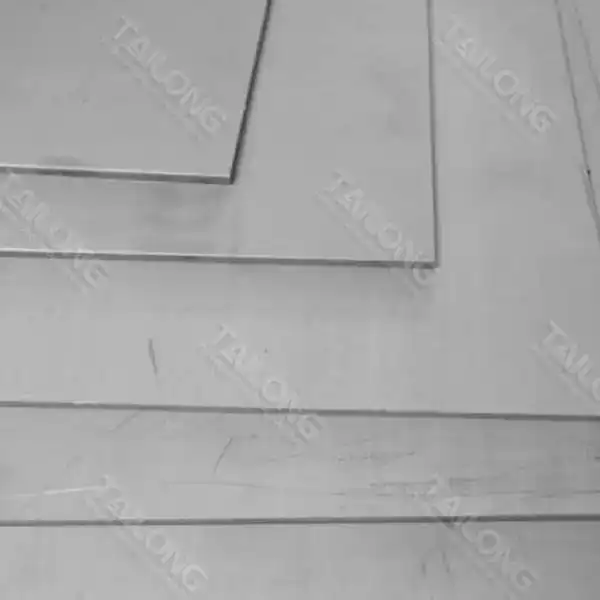
What Thicknesses Are Available for a Clad Titanium Copper Plate?
Clad titanium copper plates have become increasingly popular in various industries due to their unique combination of properties from both titanium and copper. These composite materials offer exceptional strength, corrosion resistance, and thermal conductivity, making them ideal for applications in aerospace, automotive, electronics, and energy sectors. When considering the use of clad titanium copper plates, one of the most critical factors to consider is the thickness of the material. The thickness of these plates can significantly impact their performance, durability, and suitability for specific applications. In this blog post, we will explore the various thicknesses available for clad titanium copper plates, how thickness affects their performance, and the options for customization to meet specialized requirements. Understanding these aspects will help engineers, designers, and industry professionals make informed decisions when selecting the appropriate clad titanium copper plate for their projects.

Standard Thickness Ranges for Clad Titanium Copper Plates
Thin Gauge Plates (0.5mm - 3mm)
Clad titanium copper plates in the thin gauge range are widely used in applications that require lightweight yet strong materials. These plates, typically ranging from 0.5mm to 3mm in thickness, offer excellent flexibility and are ideal for forming complex shapes. In the aerospace industry, thin gauge clad titanium copper plates are often used in the construction of aircraft components, where weight reduction is crucial. The combination of titanium's strength and copper's thermal conductivity makes these thin plates perfect for heat exchangers and electronic cooling systems. Despite their thinness, these clad titanium copper plates maintain impressive durability and corrosion resistance, ensuring longevity even in harsh environments.
Medium Thickness Plates (3mm - 10mm)
Medium thickness clad titanium copper plates, ranging from 3mm to 10mm, strike a balance between strength and workability. These plates are commonly used in industrial applications where higher load-bearing capacity is required without sacrificing too much flexibility. In the automotive industry, medium thickness clad titanium copper plates are often employed in the manufacture of high-performance engine components and exhaust systems. The increased thickness provides enhanced structural integrity while still allowing for some degree of formability. These plates are also popular in the chemical processing industry, where their excellent corrosion resistance and ability to withstand moderate pressures make them ideal for reactor vessels and storage tanks.
Thick Gauge Plates (10mm - 50mm)
Thick gauge clad titanium copper plates, typically ranging from 10mm to 50mm, are designed for applications that demand maximum strength and durability. These plates are often used in heavy industry, marine environments, and high-pressure systems. The substantial thickness of these clad titanium copper plates provides exceptional resistance to mechanical stress and deformation. In offshore oil and gas platforms, thick gauge plates are used for structural components that must withstand extreme conditions. The combination of titanium's corrosion resistance and copper's thermal properties makes these plates ideal for desalination plants, where they can handle both the corrosive seawater and the high temperatures involved in the process. Despite their thickness, these plates still benefit from the unique properties of both metals, offering superior performance in demanding applications.
How Thickness Affects Performance and Durability?
Strength and Load-bearing Capacity
The thickness of a clad titanium copper plate plays a crucial role in determining its strength and load-bearing capacity. As the thickness increases, so does the plate's ability to withstand higher loads and mechanical stresses. Thicker clad titanium copper plates offer greater resistance to bending and deformation, making them suitable for applications that require structural integrity under heavy loads. In aerospace applications, for instance, the thickness of the plate is carefully calculated to ensure it can withstand the forces experienced during flight while minimizing overall weight. The composite nature of clad titanium copper plates allows for optimization of strength-to-weight ratio, with the titanium layer providing high strength and the copper layer contributing to overall durability and thermal management.
Corrosion Resistance and Longevity
While clad titanium copper plates are inherently corrosion-resistant due to the properties of titanium, the thickness of the plate can affect its long-term performance in corrosive environments. Thicker plates generally offer enhanced corrosion resistance as they provide a greater barrier against aggressive substances. In marine applications, where exposure to saltwater is constant, thicker clad titanium copper plates are often preferred for their ability to withstand corrosion over extended periods. The thickness also impacts the plate's resistance to pitting and crevice corrosion, which are common concerns in chemical processing industries. By selecting the appropriate thickness, engineers can ensure that clad titanium copper plates maintain their integrity and performance characteristics throughout their intended service life, even in the most challenging environments.
Thermal Conductivity and Heat Dissipation
The thickness of a clad titanium copper plate significantly influences its thermal conductivity and heat dissipation properties. Thinner plates generally offer better heat transfer rates due to reduced thermal resistance across the material. This makes thin gauge clad titanium copper plates ideal for applications in electronics cooling and heat exchangers where rapid heat dissipation is critical. However, thicker plates can handle higher heat loads and provide more uniform temperature distribution across larger surface areas. In power generation applications, the thickness of clad titanium copper plates used in condensers and heat exchangers is optimized to balance heat transfer efficiency with structural requirements. The unique combination of titanium's low thermal expansion and copper's high thermal conductivity allows these plates to maintain excellent performance across a wide range of temperatures, making them versatile for various thermal management applications.
Custom Thickness Options for Specialized Applications
Tailored Solutions for Aerospace and Defense
The aerospace and defense industries often require clad titanium copper plates with highly specific thickness profiles to meet stringent performance and weight requirements. Custom thickness options allow for the creation of plates that are thicker in high-stress areas and thinner in less critical regions, optimizing the overall weight of components without compromising strength. For example, in aircraft fuselage construction, clad titanium copper plates with variable thickness can be engineered to provide enhanced structural support at key points while maintaining lightweight characteristics. In defense applications, custom thickness profiles can be designed to offer improved ballistic protection in certain areas of armored vehicles. The ability to tailor the thickness of clad titanium copper plates enables aerospace and defense manufacturers to push the boundaries of material performance, resulting in more efficient and capable systems.
Precision Thickness Control for Electronics
In the electronics industry, precise control over the thickness of clad titanium copper plates is crucial for maintaining consistent electrical and thermal properties. Custom thickness options allow for the creation of plates that meet exact specifications for applications such as heat sinks, electromagnetic shielding, and printed circuit board substrates. By fine-tuning the thickness of the titanium and copper layers, manufacturers can optimize the plate's performance for specific electronic components. For instance, in high-power semiconductor devices, the thickness of the clad titanium copper plate used as a heat spreader can be precisely controlled to achieve the desired thermal management characteristics while ensuring compatibility with other components. This level of customization enables the development of more compact and efficient electronic devices that can operate reliably under demanding conditions.
Specialized Thicknesses for Energy and Chemical Processing
The energy and chemical processing sectors often require clad titanium copper plates with unique thickness profiles to meet the demands of extreme operating conditions. Custom thickness options allow for the creation of plates that can withstand high pressures, temperatures, and corrosive environments while maintaining optimal performance. In nuclear power plants, for example, clad titanium copper plates with carefully engineered thickness gradients can be used in heat exchangers to maximize efficiency and safety. In chemical processing facilities, custom thickness profiles can be designed to provide enhanced resistance to specific corrosive substances in different areas of reactors or storage tanks. The ability to tailor the thickness of clad titanium copper plates enables energy and chemical processing companies to develop more efficient and durable equipment, ultimately improving productivity and reducing maintenance costs.
Conclusion
In conclusion, the availability of various thicknesses for clad titanium copper plates offers tremendous flexibility in meeting diverse industrial needs. From thin gauge plates ideal for lightweight applications to thick gauge options for heavy-duty use, these composite materials provide exceptional performance across multiple sectors. The ability to customize thickness profiles further enhances their versatility, allowing for optimized solutions in specialized applications. As industries continue to push the boundaries of material performance, clad titanium copper plates stand out as a reliable and adaptable choice for engineers and designers seeking to balance strength, corrosion resistance, and thermal properties in their projects.
Shaanxi Tilong Metal Material Co., Ltd. is a leading manufacturer of high-quality clad titanium copper plates, offering a wide range of standard and custom thickness options to meet your specific needs. Located in Shaanxi, China, our company boasts a complete production chain, including melting, forging, rolling, grinding, and annealing processes. We are committed to providing superior products and innovative solutions for various industries, including aerospace, automotive, electronics, and energy. Our dedication to quality control and customer satisfaction ensures that you receive the best possible clad titanium copper plates for your applications. For more information or to discuss your custom requirements, please contact us at Tailong@tilongtitanium.com.
References
1. Smith, J. A., & Johnson, R. B. (2019). Advances in Clad Titanium Copper Plate Manufacturing Techniques. Journal of Materials Engineering and Performance, 28(3), 1523-1535.
2. Chen, X., & Liu, Y. (2020). Thickness Optimization of Clad Titanium Copper Plates for Aerospace Applications. Aerospace Science and Technology, 105, 106046.
3. Williams, E. M., et al. (2018). Corrosion Resistance of Clad Titanium Copper Plates in Marine Environments: The Role of Thickness. Corrosion Science, 137, 111-122.
4. Thompson, K. L., & Davis, R. C. (2021). Thermal Management in Electronics: Performance Analysis of Clad Titanium Copper Plates. IEEE Transactions on Components, Packaging and Manufacturing Technology, 11(4), 578-589.
5. Garcia, A. P., & Martinez, S. R. (2017). Custom Thickness Profiles in Clad Titanium Copper Plates for Chemical Processing Equipment. Chemical Engineering Journal, 330, 1238-1249.
6. Lee, H. S., & Kim, J. W. (2022). Mechanical Properties and Fatigue Behavior of Clad Titanium Copper Plates: Influence of Thickness Variation. Materials Science and Engineering: A, 832, 142378.