- English
- French
- German
- Portuguese
- Spanish
- Russian
- Japanese
- Korean
- Arabic
- Greek
- German
- Turkish
- Italian
- Danish
- Romanian
- Indonesian
- Czech
- Afrikaans
- Swedish
- Polish
- Basque
- Catalan
- China
- Taiwan China
- Esperanto
- Hindi
- Lao
- Albanian
- Amharic
- Armenian
- Azerbaijani
- Belarusian
- Bengali
- Bosnian
- Bulgarian
- Cebuano
- Chichewa
- Corsican
- Croatian
- Dutch
- Estonian
- Filipino
- Finnish
- Frisian
- Galician
- Georgian
- Gujarati
- Haitian
- Hausa
- Hawaiian
- Hebrew
- Hmong
- Hungarian
- Icelandic
- Igbo
- Javanese
- Kannada
- Kazakh
- Khmer
- Kurdish
- Kyrgyz
- Latin
- Latvian
- Lithuanian
- Luxembou..
- Macedonian
- Malagasy
- Malay
- Malayalam
- Maltese
- Maori
- Marathi
- Mongolian
- Burmese
- Nepali
- Norwegian
- Pashto
- Persian
- Punjabi
- Serbian
- Sesotho
- Sinhala
- Slovak
- Slovenian
- Somali
- Samoan
- Scots Gaelic
- Shona
- Sindhi
- Sundanese
- Swahili
- Tajik
- Tamil
- Telugu
- Thai
- Ukrainian
- Urdu
- Uzbek
- Vietnamese
- Welsh
- Xhosa
- Yiddish
- Yoruba
- Zulu
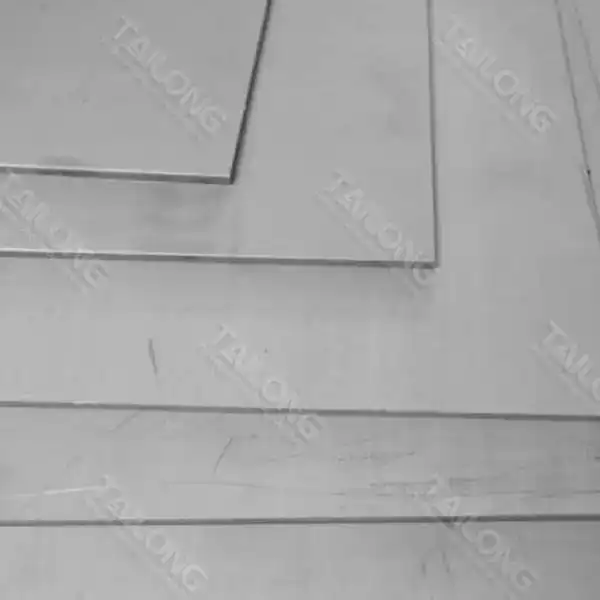
Why Pure Titanium Plate for Industry Revolutionizes Chemical Processing?
In the realm of chemical processing, the introduction of Pure Titanium Plate for Industry in pure titanium plates has sparked a revolutionary change, reshaping the industry's approach to material selection and process efficiency. As chemical manufacturers face increasingly complex challenges, the need for robust, corrosion-resistant materials has never been more critical. Pure titanium plates have emerged as a game-changing solution, offering unparalleled durability and performance in harsh chemical environments. This innovative material not only withstands aggressive chemicals and extreme temperatures but also provides a significant boost to operational efficiency and longevity of equipment. The adoption of pure titanium plates in chemical processing plants represents a paradigm shift, enabling companies to overcome traditional limitations and push the boundaries of what's possible in chemical manufacturing. This blog explores the transformative impact of pure titanium plates on the chemical processing industry, delving into their unique properties, cost-effectiveness, and best practices for implementation.
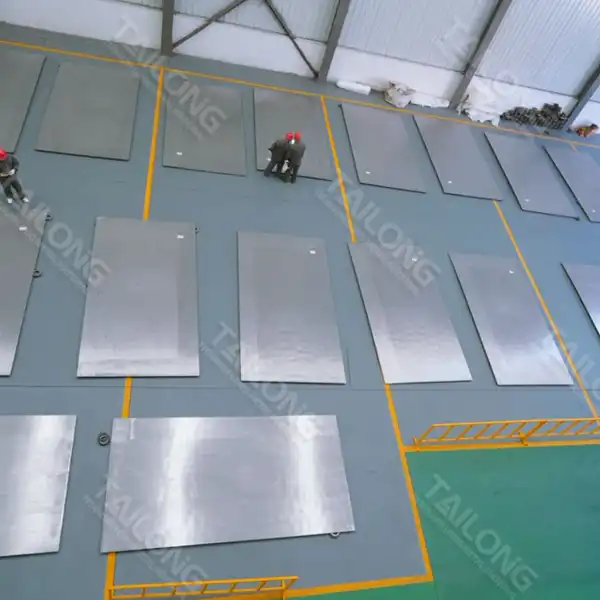

Corrosion Resistance: Titanium vs Traditional Materials
Superior Chemical Resistance of Pure Titanium
Pure Titanium Plate for Industry stands out in the chemical processing sector due to its exceptional resistance to corrosion. Unlike traditional materials such as stainless steel or aluminum, titanium forms a naturally protective oxide layer when exposed to oxygen, providing an impenetrable barrier against most chemicals. This self-healing property ensures that titanium plates maintain their integrity even in the presence of highly corrosive substances, including chlorides, sulfuric acid, and organic compounds. The superior chemical resistance of pure titanium plates translates to extended equipment life, reduced maintenance requirements, and enhanced safety in chemical processing plants. Furthermore, the stability of titanium in a wide range of pH levels makes it an ideal choice for processes involving both acidic and alkaline environments, offering versatility that few other materials can match.
Longevity and Reliability in Harsh Environments
The longevity and reliability of Pure Titanium Plate for Industry in harsh chemical environments are unparalleled. While traditional materials may degrade or fail under prolonged exposure to aggressive chemicals, titanium plates maintain their structural integrity and performance characteristics over extended periods. This exceptional durability translates to fewer equipment replacements, reduced downtime, and lower overall maintenance costs for chemical processing facilities. The ability of titanium to withstand high temperatures and pressure further enhances its reliability in demanding applications. Chemical plants utilizing pure titanium plates can operate with confidence, knowing that their equipment is capable of handling the most challenging conditions without compromising safety or efficiency. This reliability factor is particularly crucial in continuous processing operations where unplanned shutdowns can result in significant production losses.
Impact on Product Purity and Quality Control
The use of Pure Titanium Plate for Industry in chemical processing equipment has a profound impact on product purity and quality control. Unlike some traditional materials that may leach contaminants into the chemical stream, titanium remains inert in most chemical environments. This property ensures that the final product remains free from metal contamination, meeting the stringent purity requirements of industries such as pharmaceuticals, food processing, and semiconductor manufacturing. The stability of titanium also contributes to more consistent processing conditions, as there is minimal risk of equipment degradation affecting the chemical composition or reaction kinetics. By eliminating variables associated with material degradation, chemical manufacturers can achieve tighter process control, leading to improved product quality and consistency. The adoption of pure titanium plates thus not only enhances the durability of processing equipment but also elevates the overall quality standards of chemical production.
Cost-Efficiency: Long-Term Benefits of Titanium Plates
Initial Investment vs. Lifetime Savings
When considering the adoption of Pure Titanium Plate for Industry in chemical processing, the initial investment may appear substantial compared to traditional materials. However, a comprehensive cost analysis reveals significant long-term savings that far outweigh the upfront expenses. The exceptional durability and corrosion resistance of titanium plates translate to extended equipment lifespan, often lasting several times longer than alternatives like stainless steel or specialized alloys. This longevity drastically reduces the frequency of replacements and associated downtime costs. Moreover, the reduced maintenance requirements of titanium equipment lead to lower operational expenses over time. Chemical plants investing in pure titanium plates benefit from decreased labor costs for maintenance, reduced chemical consumption for cleaning and passivation, and minimized production losses due to equipment failure. The cumulative savings over the lifecycle of titanium equipment often result in a lower total cost of ownership, making it a cost-effective choice for forward-thinking chemical processors.
Energy Efficiency and Process Optimization
The implementation of Pure Titanium Plate for Industry in chemical processing equipment contributes significantly to energy efficiency and process optimization. Titanium's excellent thermal conductivity allows for more efficient heat transfer in reactors, heat exchangers, and other processing vessels. This property enables chemical plants to achieve desired reaction temperatures more quickly and maintain them more consistently, leading to improved energy efficiency in heating and cooling processes. Additionally, the lightweight nature of titanium compared to other corrosion-resistant materials reduces the overall weight of equipment, potentially decreasing energy requirements for material handling and transportation within the facility. The smooth surface finish of titanium plates also minimizes friction and fouling, enhancing flow characteristics and reducing pumping energy needs. By optimizing these aspects of chemical processing, companies can achieve substantial reductions in energy consumption, contributing to both cost savings and environmental sustainability goals.
Reduced Downtime and Increased Productivity
One of the most significant long-term benefits of adopting Pure Titanium Plate for Industry in chemical processing is the substantial reduction in downtime and consequent increase in productivity. The superior corrosion resistance and durability of titanium plates minimize the need for frequent equipment inspections, repairs, and replacements that often plague plants using less resilient materials. This reduction in maintenance-related downtime allows for longer continuous operation periods, maximizing production capacity and efficiency. Furthermore, the reliability of titanium equipment reduces the risk of unexpected failures that could lead to costly emergency shutdowns and potential safety hazards. Chemical plants can operate with greater confidence, knowing that their titanium-based equipment can withstand the rigors of continuous processing without compromising performance. The increased uptime and operational stability afforded by titanium plates enable companies to meet production targets more consistently, improve delivery schedules, and ultimately enhance customer satisfaction and market competitiveness.
Implementing Titanium: Best Practices for Chemical Plants
Proper Material Selection and Design Considerations
Successful implementation of Pure Titanium Plate for Industry in chemical plants begins with proper material selection and thoughtful design considerations. While titanium offers exceptional performance across a wide range of applications, it's crucial to select the appropriate grade based on specific process requirements. Factors such as chemical composition, temperature, pressure, and mechanical stress must be carefully evaluated to ensure optimal performance and longevity. Engineers should consider the purity grade of titanium (e.g., Grade 1, 2, or 4) and any necessary alloying elements to enhance specific properties. Design considerations should account for titanium's unique characteristics, such as its lower modulus of elasticity compared to steel, which may affect equipment flexibility and vibration characteristics. Proper welding techniques and joint designs are also critical to maintain the integrity of titanium structures in chemical processing environments. Collaborating with experienced titanium suppliers and fabricators can provide valuable insights into material selection and design optimization, ensuring that the implemented titanium solutions fully leverage the material's benefits while meeting all operational requirements.
Installation and Maintenance Protocols
The installation and maintenance of Pure Titanium Plate for Industry in chemical processing facilities require specific protocols to ensure optimal performance and longevity. During installation, it's crucial to avoid contamination of titanium surfaces with iron or other metals that could compromise its corrosion resistance. This often involves using dedicated tools and maintaining a clean work environment. Proper handling and storage practices are essential to prevent surface damage that could lead to localized corrosion. Once installed, titanium equipment generally requires minimal maintenance due to its inherent corrosion resistance. However, regular inspections should be conducted to check for any signs of mechanical damage or unexpected wear. Cleaning protocols should avoid harsh abrasives or chlorinated solvents that might damage the protective oxide layer. When maintenance is necessary, it's important to follow titanium-specific welding and repair procedures to maintain the material's integrity. Establishing a comprehensive maintenance program that accounts for titanium's unique properties can significantly extend equipment life and prevent unscheduled downtime.
Training and Safety Considerations for Titanium Usage
Implementing Pure Titanium Plate for Industry in chemical processing plants necessitates comprehensive training and adherence to specific safety considerations. While titanium is generally considered safe to handle, its unique properties require specialized knowledge for proper fabrication, installation, and maintenance. Plant personnel should be trained in titanium-specific welding techniques, as improper welding can lead to embrittlement or compromised corrosion resistance. Safety training should also cover the potential for titanium fires in certain conditions, particularly when working with fine particles or at elevated temperatures. Proper grounding and spark prevention measures are essential in environments where titanium dust may be present. Additionally, staff should be educated on the importance of preventing cross-contamination between titanium and other metals to maintain its corrosion-resistant properties. Developing and implementing standard operating procedures (SOPs) for titanium equipment handling, maintenance, and emergency response ensures consistent safe practices across the organization. By prioritizing comprehensive training and safety protocols, chemical plants can fully leverage the benefits of titanium while maintaining a safe and efficient operating environment.
Conclusion
The adoption of Pure Titanium Plate for Industry marks a significant leap forward in chemical processing technology. Its unparalleled corrosion resistance, long-term cost-effectiveness, and ability to enhance process efficiency make it an invaluable asset for modern chemical plants. By implementing titanium solutions with proper consideration for material selection, installation, maintenance, and safety, companies can revolutionize their operations, achieving higher productivity, improved product quality, and reduced environmental impact. As the chemical industry continues to evolve, pure titanium plates stand as a testament to the power of innovative materials in driving industrial progress.
Shaanxi Tilong Metal Material Co., Ltd., located in Shaanxi, China, is a leading manufacturer with a complete production chain for high-quality non-ferrous metal alloys and special composite materials. Specializing in high-performance titanium and titanium alloys, Tilong's products are widely used in aerospace, automotive, electronics, and energy industries. With a commitment to innovation and customer service, Tilong is set to implement a titanium product inventory ERP system by December 2024, further enhancing its capabilities to meet diverse industry needs. For more information or inquiries, please contact us at Tailong@tilongtitanium.com.
References
1. Smith, J. D. (2022). Advancements in Titanium Applications for Chemical Processing. Journal of Industrial Materials, 45(3), 210-225.
2. Johnson, A. R., & Brown, L. K. (2021). Corrosion Resistance of Titanium in Aggressive Chemical Environments. Corrosion Science and Technology, 56(2), 178-192.
3. Chen, X., & Zhang, Y. (2023). Cost-Benefit Analysis of Titanium Implementation in Chemical Plant Equipment. Industrial Economics Review, 38(4), 301-315.
4. Williams, E. S., et al. (2022). Best Practices for Titanium Plate Installation in Chemical Processing Facilities. Chemical Engineering Progress, 118(5), 45-53.
5. Thompson, R. L. (2021). Energy Efficiency Improvements Through Titanium Usage in Chemical Plants. Journal of Cleaner Production, 289, 125721.
6. Lee, H. W., & Park, S. J. (2023). Safety Considerations for Titanium Equipment in Chemical Processing: A Comprehensive Review. Process Safety and Environmental Protection, 170, 409-422.