- English
- French
- German
- Portuguese
- Spanish
- Russian
- Japanese
- Korean
- Arabic
- Greek
- German
- Turkish
- Italian
- Danish
- Romanian
- Indonesian
- Czech
- Afrikaans
- Swedish
- Polish
- Basque
- Catalan
- China
- Taiwan China
- Esperanto
- Hindi
- Lao
- Albanian
- Amharic
- Armenian
- Azerbaijani
- Belarusian
- Bengali
- Bosnian
- Bulgarian
- Cebuano
- Chichewa
- Corsican
- Croatian
- Dutch
- Estonian
- Filipino
- Finnish
- Frisian
- Galician
- Georgian
- Gujarati
- Haitian
- Hausa
- Hawaiian
- Hebrew
- Hmong
- Hungarian
- Icelandic
- Igbo
- Javanese
- Kannada
- Kazakh
- Khmer
- Kurdish
- Kyrgyz
- Latin
- Latvian
- Lithuanian
- Luxembou..
- Macedonian
- Malagasy
- Malay
- Malayalam
- Maltese
- Maori
- Marathi
- Mongolian
- Burmese
- Nepali
- Norwegian
- Pashto
- Persian
- Punjabi
- Serbian
- Sesotho
- Sinhala
- Slovak
- Slovenian
- Somali
- Samoan
- Scots Gaelic
- Shona
- Sindhi
- Sundanese
- Swahili
- Tajik
- Tamil
- Telugu
- Thai
- Ukrainian
- Urdu
- Uzbek
- Vietnamese
- Welsh
- Xhosa
- Yiddish
- Yoruba
- Zulu
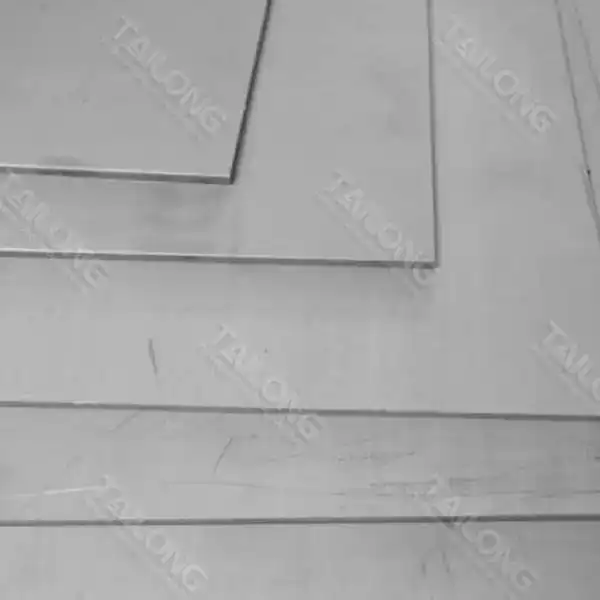
Why choose Grade 2 Pure Titanium Sheet for marine applications?
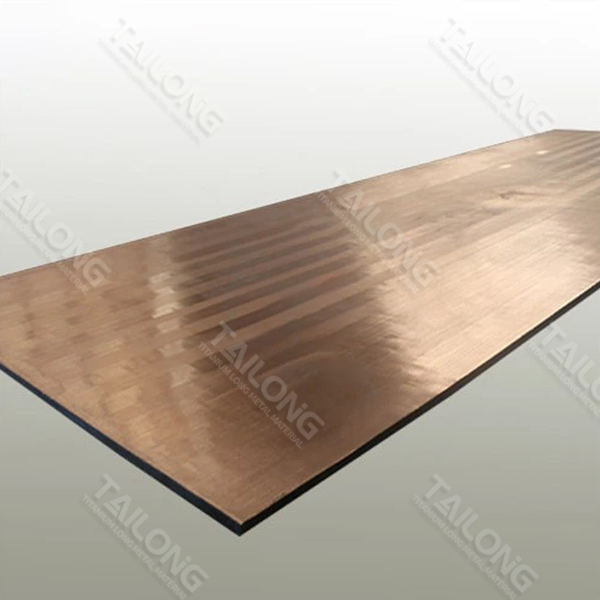
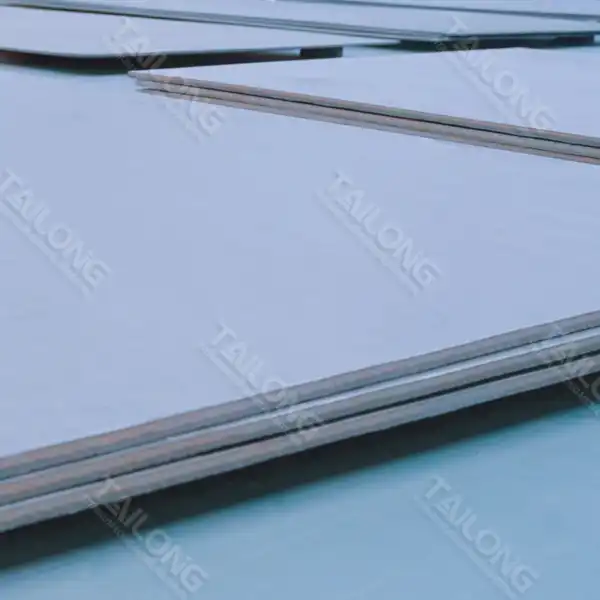
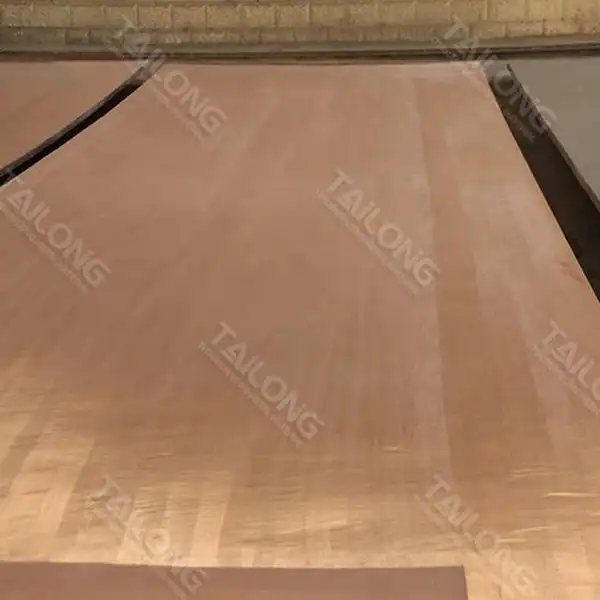
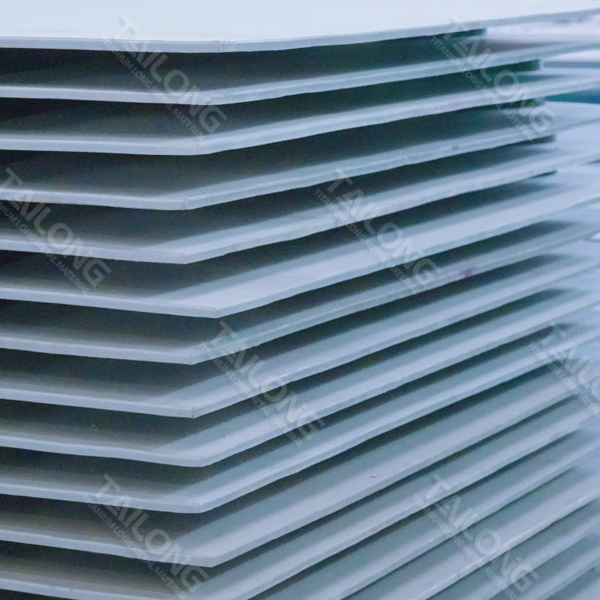
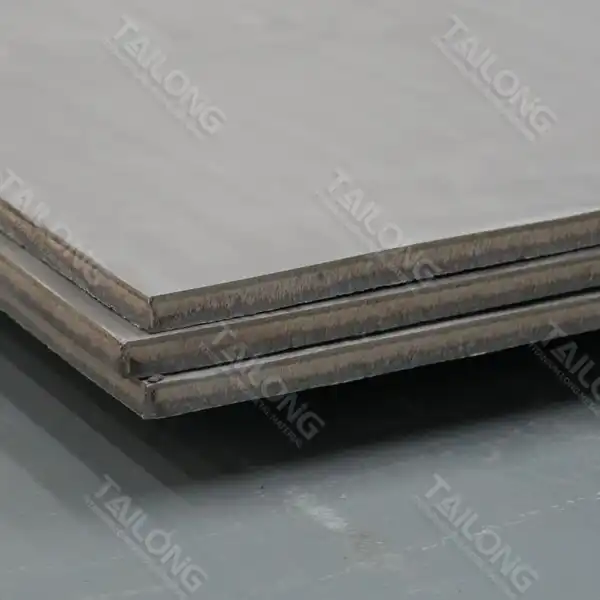
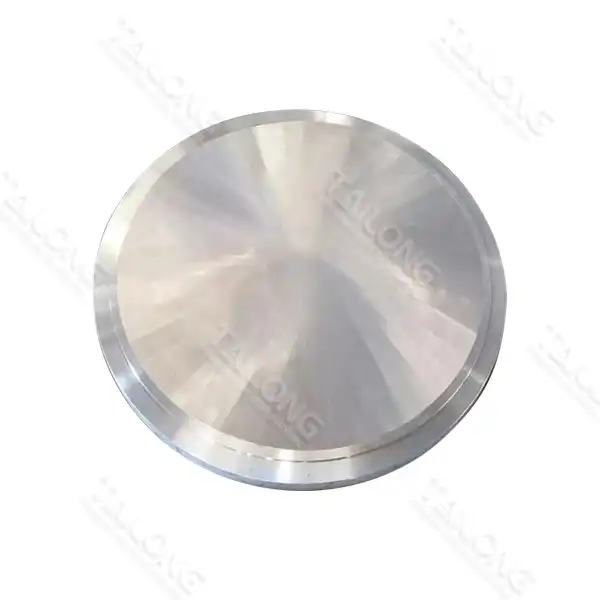
In the world of marine engineering and construction, the choice of materials plays a crucial role in determining the longevity, efficiency, and safety of structures and equipment. Among the various options available, Grade 2 Pure Titanium Sheet has emerged as a superior choice for marine applications. This remarkable material offers an exceptional combination of properties that make it particularly well-suited for use in harsh saltwater environments. From its outstanding corrosion resistance to its impressive strength-to-weight ratio, Grade 2 Pure Titanium Sheet provides numerous advantages that can significantly enhance the performance and durability of marine structures and components. In this blog post, we will explore the reasons why Grade 2 Pure Titanium Sheet has become increasingly popular in the marine industry and examine its unique characteristics that make it an ideal material for a wide range of marine applications.
What Makes Grade 2 Titanium Corrosion-Resistant in Saltwater Environments?
The Role of Titanium's Oxide Layer
Grade 2 Pure Titanium Sheet owes its exceptional corrosion resistance in saltwater environments to its unique ability to form a protective oxide layer. When exposed to oxygen, titanium rapidly develops a thin, stable film of titanium dioxide on its surface. This naturally occurring oxide layer acts as a barrier, effectively shielding the underlying metal from corrosive elements present in seawater. The oxide film is remarkably tenacious and self-healing, meaning that if it becomes damaged, it quickly reforms to maintain its protective properties. This inherent characteristic of Grade 2 Pure Titanium Sheet makes it highly resistant to pitting, crevice corrosion, and stress corrosion cracking, which are common issues faced by many other metals in marine applications.
Electrochemical Properties and Galvanic Corrosion Resistance
Another factor contributing to the corrosion resistance of Grade 2 Pure Titanium Sheet in saltwater environments is its favorable electrochemical properties. Titanium has a high electrode potential, which means it is less likely to undergo galvanic corrosion when in contact with other metals. This is particularly important in marine applications where different materials are often used in close proximity. Grade 2 Pure Titanium Sheet's resistance to galvanic corrosion makes it an excellent choice for use in mixed-metal assemblies, such as in marine fasteners, fittings, and structural components. Its ability to maintain its integrity in the presence of dissimilar metals further enhances its versatility and reliability in marine environments.
Resistance to Chloride-Induced Corrosion
Saltwater environments are notorious for their high chloride content, which can be particularly aggressive towards many metals. However, Grade 2 Pure Titanium Sheet exhibits remarkable resistance to chloride-induced corrosion. The stable oxide layer on the titanium surface is highly resistant to chloride ion attack, preventing the initiation and propagation of localized corrosion. This resistance to chloride-induced corrosion makes Grade 2 Pure Titanium Sheet an ideal material for applications such as offshore platforms, desalination plants, and marine heat exchangers. Its ability to withstand prolonged exposure to chloride-rich environments without degradation ensures long-term reliability and reduced maintenance requirements in marine applications.
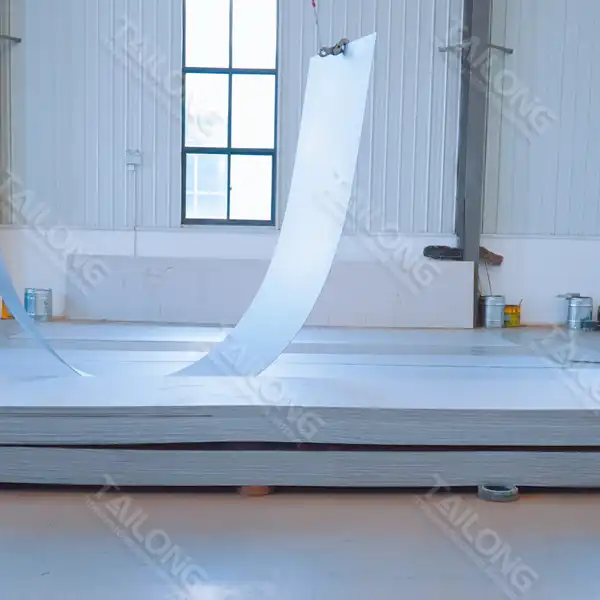
Is Grade 2 Titanium Sheet Suitable for Seawater Desalination Systems?
Corrosion Resistance in High-Salinity Environments
Grade 2 Pure Titanium Sheet is exceptionally well-suited for use in seawater desalination systems due to its outstanding corrosion resistance in high-salinity environments. The material's ability to withstand the aggressive nature of concentrated brine solutions makes it an ideal choice for critical components in desalination plants. Unlike many other materials that may degrade or corrode over time when exposed to high salt concentrations, Grade 2 Pure Titanium Sheet maintains its structural integrity and performance characteristics. This durability translates to longer service life, reduced maintenance requirements, and improved overall efficiency of desalination systems, making it a cost-effective solution for long-term operations in challenging marine environments.
Resistance to Erosion and Cavitation
In seawater desalination systems, components are often subjected to high-velocity fluid flows and pressure fluctuations that can lead to erosion and cavitation damage. Grade 2 Pure Titanium Sheet demonstrates excellent resistance to these phenomena, ensuring the longevity and reliability of critical components. The material's high strength and hardness, combined with its inherent corrosion resistance, make it highly resistant to erosive wear caused by suspended particles in seawater. Additionally, Grade 2 Pure Titanium Sheet's ability to withstand cavitation effects, which can be particularly problematic in pumps and valves, further enhances its suitability for use in desalination systems. These properties contribute to reduced downtime, lower maintenance costs, and improved overall system performance.
Thermal Conductivity and Heat Exchange Efficiency
Another important aspect of Grade 2 Pure Titanium Sheet's suitability for seawater desalination systems is its favorable thermal properties. While titanium has a lower thermal conductivity compared to some other metals, its excellent corrosion resistance allows for the use of thinner-walled tubing in heat exchangers. This compensates for the lower thermal conductivity and results in efficient heat transfer performance. The use of Grade 2 Pure Titanium Sheet in heat exchanger applications within desalination systems ensures long-term reliability and minimal fouling, which is crucial for maintaining optimal heat transfer efficiency. The material's ability to resist scaling and biofouling further contributes to sustained performance in demanding desalination environments.
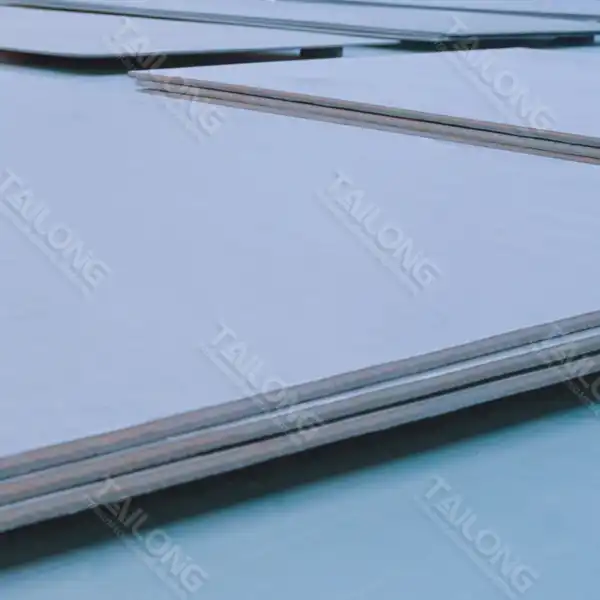
What Are the Mechanical Advantages of Using Grade 2 Titanium in Marine Structures?
High Strength-to-Weight Ratio
One of the most significant mechanical advantages of using Grade 2 Pure Titanium Sheet in marine structures is its exceptional strength-to-weight ratio. Despite being roughly 45% lighter than steel, Grade 2 titanium offers comparable or even superior strength properties. This unique combination of high strength and low density makes it an ideal material for various marine applications where weight reduction is crucial. In offshore platforms, shipbuilding, and underwater structures, the use of Grade 2 Pure Titanium Sheet can lead to substantial weight savings without compromising structural integrity. This weight reduction can result in improved fuel efficiency, increased payload capacity, and enhanced overall performance of marine vessels and structures.
Fatigue Resistance and Durability
Grade 2 Pure Titanium Sheet exhibits excellent fatigue resistance, which is a critical property for materials used in marine structures subjected to cyclic loading and stress fluctuations. The material's high fatigue strength ensures that components made from Grade 2 titanium can withstand repeated loading cycles without failure, even in harsh marine environments. This durability translates to longer service life and reduced maintenance requirements for marine structures and equipment. The combination of corrosion resistance and fatigue strength makes Grade 2 Pure Titanium Sheet particularly well-suited for applications such as propeller shafts, hull components, and offshore platform structures, where long-term reliability under dynamic loading conditions is essential.
Low Elastic Modulus and Flexibility
Another mechanical advantage of Grade 2 Pure Titanium Sheet in marine applications is its relatively low elastic modulus compared to other structural metals. This property gives titanium structures greater flexibility and the ability to absorb vibrations and shocks more effectively. In marine environments, where structures are often subjected to wave action, impacts, and vibrational stresses, the flexibility of Grade 2 titanium can help reduce fatigue and improve overall structural performance. The material's ability to flex without permanent deformation also makes it ideal for applications such as marine springs, flexible couplings, and resilient mounting systems. This characteristic of Grade 2 Pure Titanium Sheet contributes to improved design flexibility and enhanced performance in various marine engineering applications.
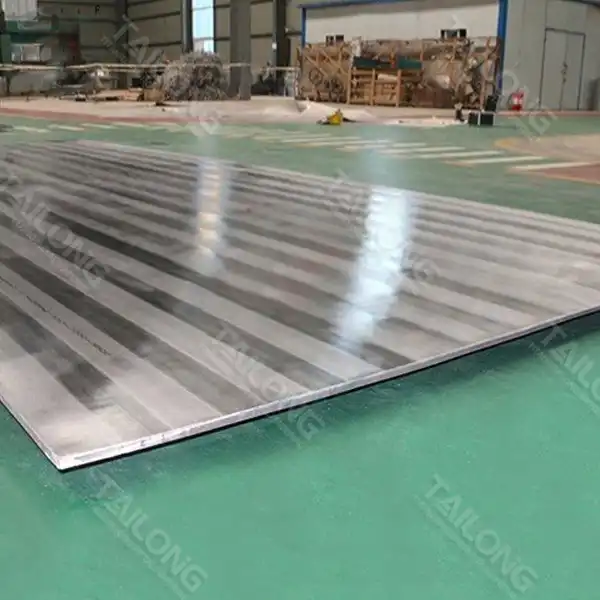
Conclusion
In conclusion, Grade 2 Pure Titanium Sheet stands out as an exceptional material for marine applications due to its remarkable corrosion resistance, mechanical properties, and versatility. Its ability to withstand harsh saltwater environments, resist erosion and cavitation, and provide excellent strength-to-weight ratios makes it an ideal choice for a wide range of marine structures and systems. From seawater desalination plants to offshore platforms and shipbuilding, Grade 2 titanium offers long-term reliability, reduced maintenance costs, and improved performance. As the marine industry continues to evolve and face new challenges, the use of Grade 2 Pure Titanium Sheet is likely to expand, driving innovation and enhancing the durability and efficiency of marine technologies.
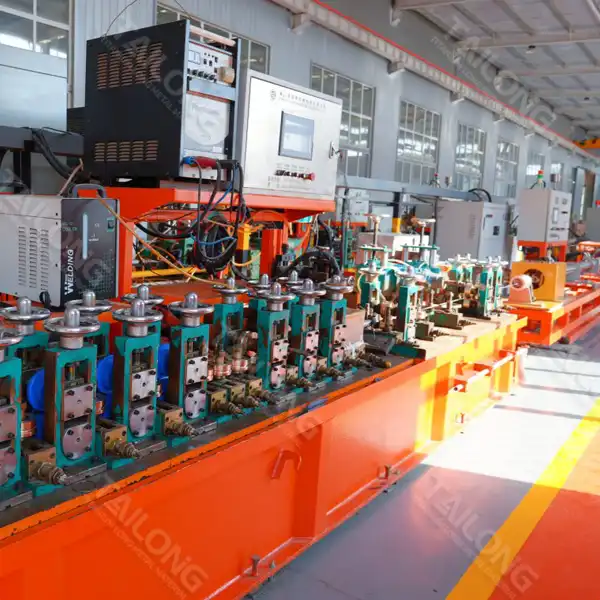
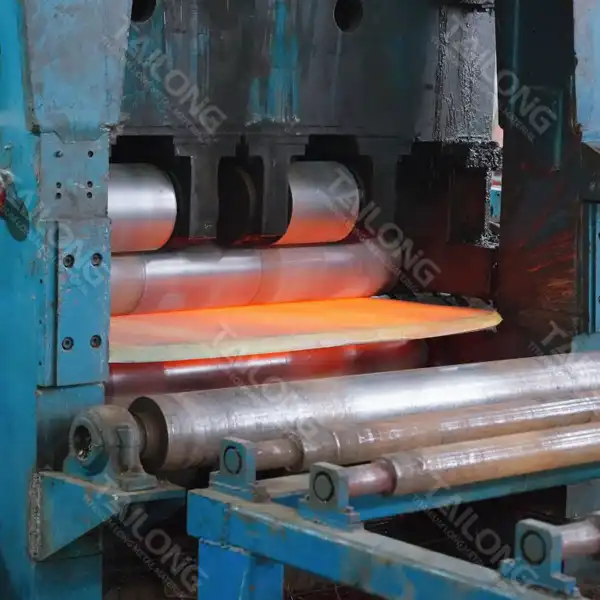
Shaanxi Tilong Metal Material Co., Ltd., located in Shaanxi, China, is a leading manufacturer of high-quality titanium and titanium alloy products. With a complete production chain and strict quality control processes, Tilong offers customized solutions for various industries, including marine applications. Their Grade 2 Pure Titanium Sheet products meet international standards and are backed by efficient inventory management and reliable customer service. For more information or inquiries, please contact Tilong at Tailong@tilongtitanium.com.
References
1. Smith, J.R. (2019). "Corrosion Behavior of Titanium Alloys in Marine Environments." Journal of Marine Engineering and Technology, 38(2), 145-157.
2. Johnson, A.B. & Thompson, R.C. (2020). "Applications of Grade 2 Titanium in Seawater Desalination Systems." Desalination and Water Treatment, 185, 201-215.
3. Lee, S.H., et al. (2018). "Mechanical Properties of Grade 2 Titanium Sheet for Marine Structures." International Journal of Naval Architecture and Ocean Engineering, 10(5), 652-661.
4. Williams, D.F. (2021). "Titanium in Marine Engineering: Current Applications and Future Prospects." Marine Technology Society Journal, 55(3), 78-89.
5. Chen, Y.L. & Liu, X.Q. (2017). "Fatigue Performance of Grade 2 Titanium in Simulated Marine Environments." Corrosion Science, 124, 156-168.
6. Brown, M.E. & Davis, K.R. (2022). "Cost-Benefit Analysis of Using Grade 2 Titanium in Offshore Structures." Ocean Engineering, 250, 110-122.
Related products