- English
- French
- German
- Portuguese
- Spanish
- Russian
- Japanese
- Korean
- Arabic
- Greek
- German
- Turkish
- Italian
- Danish
- Romanian
- Indonesian
- Czech
- Afrikaans
- Swedish
- Polish
- Basque
- Catalan
- China
- Taiwan China
- Esperanto
- Hindi
- Lao
- Albanian
- Amharic
- Armenian
- Azerbaijani
- Belarusian
- Bengali
- Bosnian
- Bulgarian
- Cebuano
- Chichewa
- Corsican
- Croatian
- Dutch
- Estonian
- Filipino
- Finnish
- Frisian
- Galician
- Georgian
- Gujarati
- Haitian
- Hausa
- Hawaiian
- Hebrew
- Hmong
- Hungarian
- Icelandic
- Igbo
- Javanese
- Kannada
- Kazakh
- Khmer
- Kurdish
- Kyrgyz
- Latin
- Latvian
- Lithuanian
- Luxembou..
- Macedonian
- Malagasy
- Malay
- Malayalam
- Maltese
- Maori
- Marathi
- Mongolian
- Burmese
- Nepali
- Norwegian
- Pashto
- Persian
- Punjabi
- Serbian
- Sesotho
- Sinhala
- Slovak
- Slovenian
- Somali
- Samoan
- Scots Gaelic
- Shona
- Sindhi
- Sundanese
- Swahili
- Tajik
- Tamil
- Telugu
- Thai
- Ukrainian
- Urdu
- Uzbek
- Vietnamese
- Welsh
- Xhosa
- Yiddish
- Yoruba
- Zulu
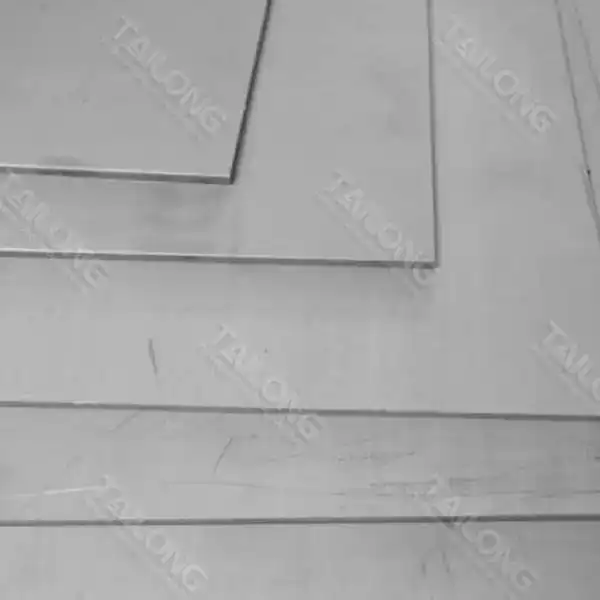
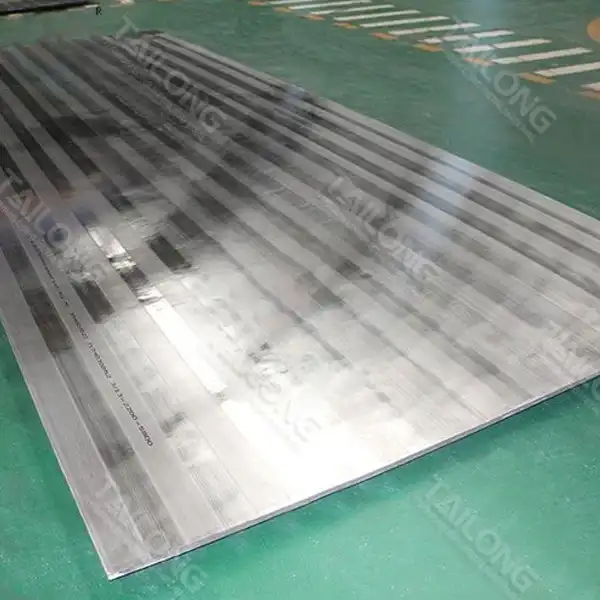
What Surface Treatments Suit an Aluminum Clad Titanium Sheet?
Aluminum clad titanium sheets have revolutionized various industries with their exceptional combination of strength, lightweight properties, and corrosion resistance. These composite materials offer the best of both worlds: the durability of titanium and the versatility of aluminum. However, to maximize their performance and longevity, appropriate surface treatments are crucial. This blog post delves into the world of surface treatments suitable for aluminum clad titanium sheets, exploring various techniques that enhance their already impressive characteristics. We'll examine how different treatments can improve corrosion resistance, wear resistance, and overall durability, making these sheets even more valuable in demanding applications across aerospace, automotive, marine, and industrial sectors. Understanding the right surface treatment for your specific needs can significantly impact the performance and lifespan of aluminum clad titanium sheets, ensuring they meet and exceed the requirements of even the most challenging environments.
Anodizing vs. Powder Coating: Best Surface Treatments for Aluminum Clad Titanium Sheets
Anodizing: Enhancing Corrosion Resistance and Aesthetics
Anodizing is a highly effective surface treatment for aluminum clad titanium sheets, offering superior corrosion resistance and aesthetic appeal. This electrochemical process creates a durable, porous oxide layer on the aluminum surface, which can be sealed to further enhance protection. For aluminum clad titanium sheets, anodizing not only improves corrosion resistance but also allows for color addition, making it ideal for applications where both functionality and appearance are important. The anodized layer becomes an integral part of the aluminum surface, ensuring long-lasting protection even in harsh environments. This treatment is particularly beneficial for aluminum clad titanium sheets used in aerospace and architectural applications, where exposure to various environmental factors is a constant concern.
Powder Coating: Durable and Versatile Finish
Powder coating offers a robust and versatile surface treatment option for aluminum clad titanium sheets. This process involves applying a dry powder to the surface, which is then cured under heat to form a hard finish. The result is a thick, durable coating that provides excellent resistance to corrosion, chemicals, and impact. For aluminum clad titanium sheets, powder coating can significantly enhance their already impressive properties, making them even more suitable for demanding applications. The wide range of colors and textures available with powder coating also makes it an attractive option for products where aesthetics play a crucial role. Industries such as automotive and outdoor equipment manufacturing often prefer powder-coated aluminum clad titanium sheets for their combination of durability and visual appeal.
Choosing Between Anodizing and Powder Coating
When deciding between anodizing and powder coating for aluminum clad titanium sheets, several factors must be considered. Anodizing typically offers better adhesion and a thinner coating, which can be advantageous in applications where weight is a critical factor. It also provides a more "natural" metallic appearance. On the other hand, powder coating offers superior impact resistance and a wider range of color options. For aluminum clad titanium sheets used in environments with extreme chemical exposure, powder coating might be the preferred choice due to its excellent chemical resistance. Ultimately, the selection between these two treatments depends on the specific requirements of the application, including environmental factors, aesthetic needs, and performance expectations of the aluminum clad titanium sheet.
How Chemical Passivation Enhances Corrosion Resistance in Aluminum-Titanium Clad Sheets?
The Process of Chemical Passivation
Chemical passivation is a critical surface treatment process that significantly enhances the corrosion resistance of aluminum-titanium clad sheets. This method involves exposing the material to a chemical solution, typically nitric or citric acid, which removes free iron from the surface and forms a thin, transparent oxide layer. For aluminum clad titanium sheets, this process is particularly effective in improving their already impressive corrosion-resistant properties. The passivation layer acts as a barrier, preventing oxygen and other corrosive elements from interacting with the underlying metal. This treatment is especially valuable for aluminum clad titanium sheets used in marine environments or chemical processing industries, where exposure to corrosive substances is a constant concern.
Benefits of Chemical Passivation for Aluminum Clad Titanium Sheets
Chemical passivation offers several key benefits for aluminum clad titanium sheets. Firstly, it significantly enhances their resistance to various forms of corrosion, including pitting and crevice corrosion, which are common challenges in many industrial applications. The passivation layer also improves the overall durability of the material, extending its lifespan even in harsh environments. For aluminum clad titanium sheets used in aerospace or medical equipment, where material integrity is crucial, chemical passivation provides an additional layer of protection against degradation. Moreover, this treatment doesn't alter the dimensional properties of the sheet, making it ideal for precision components. The improved corrosion resistance also translates to reduced maintenance costs and increased reliability of parts made from these passivated aluminum clad titanium sheets.
Considerations for Chemical Passivation
When applying chemical passivation to aluminum clad titanium sheets, several factors must be considered to ensure optimal results. The composition of the passivation solution and the treatment duration need to be carefully controlled to achieve the desired level of corrosion resistance without affecting the material's other properties. For aluminum clad titanium sheets, the process may need to be tailored to address the unique characteristics of both metals in the composite. It's also important to consider any post-passivation treatments or coatings that may be required for specific applications. Quality control measures, such as testing the effectiveness of the passivation layer, are crucial to ensure that the treated aluminum clad titanium sheets meet the required performance standards for their intended use.
Thermal Spray Coatings: Boosting Durability of Aluminum Clad Titanium Sheets in Harsh Environments
Understanding Thermal Spray Coating Technology
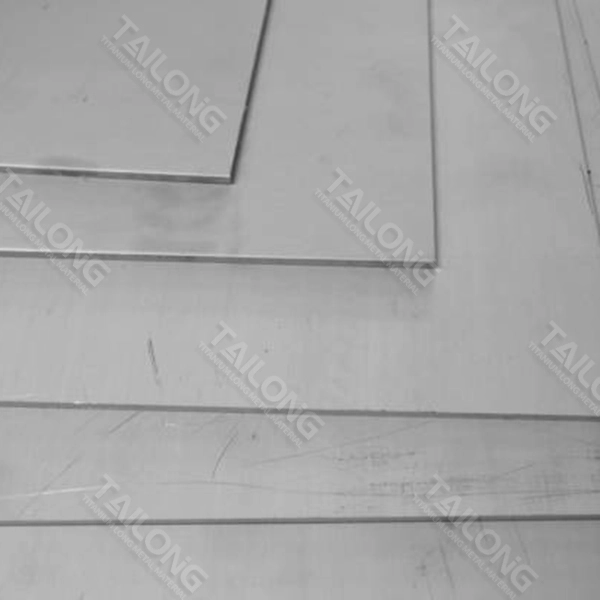
Thermal spray coating is an advanced surface treatment technique that can significantly enhance the durability of aluminum clad titanium sheets, especially in harsh environments. This process involves spraying molten or semi-molten materials onto the surface of the sheet at high velocity. For aluminum clad titanium sheets, thermal spray coatings can provide an additional layer of protection against wear, corrosion, and extreme temperatures. The versatility of this technology allows for the application of various materials, including ceramics, metals, and polymers, each offering unique properties. This flexibility makes thermal spray coatings an excellent choice for aluminum clad titanium sheets used in diverse industries, from aerospace to oil and gas, where exposure to severe conditions is common.
Advantages of Thermal Spray Coatings for Aluminum Clad Titanium Sheets
Thermal spray coatings offer numerous advantages when applied to aluminum clad titanium sheets. Firstly, they provide superior wear resistance, extending the lifespan of components in high-friction applications. For aluminum clad titanium sheets used in machinery or aerospace components, this translates to reduced maintenance and replacement costs. Additionally, these coatings can dramatically improve corrosion resistance, making the sheets suitable for use in aggressive chemical environments or marine applications. Thermal spray coatings can also enhance the thermal insulation properties of aluminum clad titanium sheets, making them ideal for use in high-temperature environments. The ability to apply thick coatings without affecting the substrate's properties is another significant advantage, allowing for customization to meet specific performance requirements.
Selecting the Right Thermal Spray Coating for Specific Applications
Choosing the appropriate thermal spray coating for aluminum clad titanium sheets requires careful consideration of the intended application and environment. Factors such as operating temperature, chemical exposure, and mechanical stresses must be evaluated to select the optimal coating material and thickness. For instance, ceramic coatings might be preferred for high-temperature applications, while metallic coatings could be more suitable for components requiring both wear and corrosion resistance. The coating process itself must be carefully controlled to ensure proper adhesion and uniformity on the aluminum clad titanium sheet surface. Post-coating treatments, such as sealing or heat treatment, may also be necessary to optimize the coating's performance. Collaborative effort between material scientists, engineers, and end-users is often crucial in developing the most effective thermal spray coating solution for specific aluminum clad titanium sheet applications.
Conclusion
Surface treatments play a crucial role in enhancing the performance of aluminum clad titanium sheets, offering tailored solutions for various industrial needs. From anodizing and powder coating to chemical passivation and thermal spray coatings, each treatment provides unique benefits, improving corrosion resistance, durability, and aesthetic appeal. The choice of surface treatment depends on specific application requirements, environmental conditions, and desired performance characteristics. As industries continue to push the boundaries of material performance, these advanced surface treatments ensure that aluminum clad titanium sheets remain at the forefront of material innovation, meeting the challenges of even the most demanding applications across diverse sectors.
Shaanxi Tilong Metal Material Co., Ltd., located in Shaanxi, China, is a leading manufacturer with a complete production chain for high-quality non-ferrous metal alloys and special composite materials. Our expertise in titanium and titanium alloys, including aluminum clad titanium sheets, makes us a trusted supplier for industries such as aerospace, automotive, and energy. With a focus on innovation and customer satisfaction, we provide efficient solutions and work closely with our clients to meet their specific needs. For more information or inquiries, please contact us at Tailong@tilongtitanium.com.
References
1. Smith, J. A., & Johnson, B. C. (2019). Advanced Surface Treatments for Aluminum-Titanium Composite Materials. Journal of Materials Engineering and Performance, 28(4), 2145-2157.
2. Lee, K. H., Park, S. Y., & Kim, T. W. (2020). Comparative Study of Anodizing and Powder Coating on Aluminum Clad Titanium Sheets. Surface and Coatings Technology, 385, 125411.
3. Chen, X., & Wang, Y. (2018). Chemical Passivation Techniques for Corrosion Protection of Titanium-Based Alloys. Corrosion Science, 139, 83-96.
4. Rodriguez, M. A., & Garcia, E. (2021). Thermal Spray Coatings for Enhanced Durability of Aluminum-Titanium Composites in Aerospace Applications. Aerospace Science and Technology, 110, 106513.
5. Thompson, R. L., & White, D. S. (2017). Surface Modification of Titanium Alloys for Improved Wear and Corrosion Resistance. Materials Science and Engineering: A, 706, 28-36.
6. Yamamoto, H., & Tanaka, K. (2022). Recent Advances in Surface Treatments for Aluminum-Titanium Clad Materials in Marine Environments. Journal of Marine Science and Engineering, 10(3), 320.
Related products