- English
- French
- German
- Portuguese
- Spanish
- Russian
- Japanese
- Korean
- Arabic
- Greek
- German
- Turkish
- Italian
- Danish
- Romanian
- Indonesian
- Czech
- Afrikaans
- Swedish
- Polish
- Basque
- Catalan
- China
- Taiwan China
- Esperanto
- Hindi
- Lao
- Albanian
- Amharic
- Armenian
- Azerbaijani
- Belarusian
- Bengali
- Bosnian
- Bulgarian
- Cebuano
- Chichewa
- Corsican
- Croatian
- Dutch
- Estonian
- Filipino
- Finnish
- Frisian
- Galician
- Georgian
- Gujarati
- Haitian
- Hausa
- Hawaiian
- Hebrew
- Hmong
- Hungarian
- Icelandic
- Igbo
- Javanese
- Kannada
- Kazakh
- Khmer
- Kurdish
- Kyrgyz
- Latin
- Latvian
- Lithuanian
- Luxembou..
- Macedonian
- Malagasy
- Malay
- Malayalam
- Maltese
- Maori
- Marathi
- Mongolian
- Burmese
- Nepali
- Norwegian
- Pashto
- Persian
- Punjabi
- Serbian
- Sesotho
- Sinhala
- Slovak
- Slovenian
- Somali
- Samoan
- Scots Gaelic
- Shona
- Sindhi
- Sundanese
- Swahili
- Tajik
- Tamil
- Telugu
- Thai
- Ukrainian
- Urdu
- Uzbek
- Vietnamese
- Welsh
- Xhosa
- Yiddish
- Yoruba
- Zulu

What Alloys Are Used in Custom Medical Grade Titanium Wire?
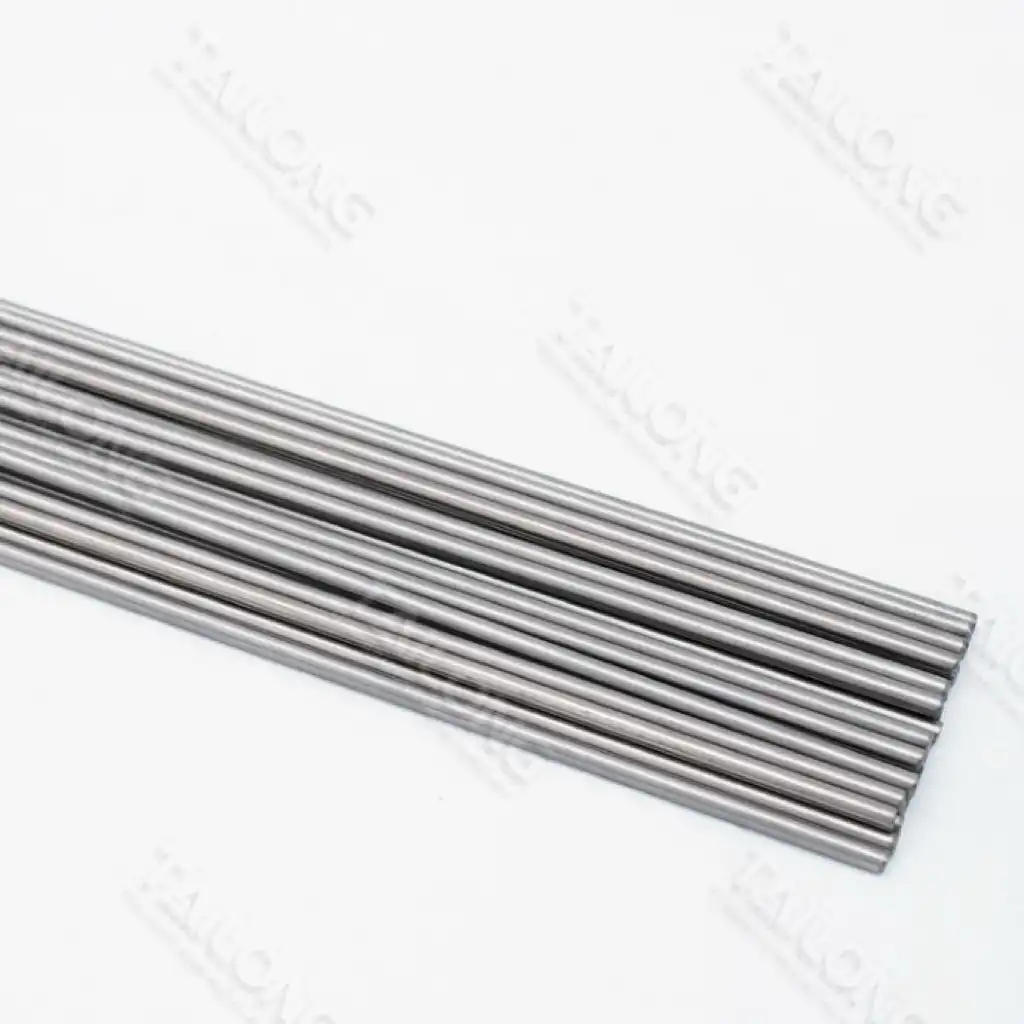
Custom medical grade titanium wire has become an indispensable component in modern medical technology, offering a unique combination of strength, biocompatibility, and versatility. The alloys used in these wires are carefully selected and engineered to meet the stringent requirements of various medical applications. Titanium and its alloys have revolutionized the field of medical implants and devices due to their exceptional properties, including high strength-to-weight ratio, corrosion resistance, and biocompatibility. The most commonly used alloys for custom medical grade titanium wire are commercially pure titanium (Grade 1 and Grade 2) and the titanium alloy Ti-6Al-4V ELI (Extra Low Interstitial, Grade 5 ELI). These materials comply with ASTM F67 and ASTM F136 standards, ensuring their suitability for long-term implantation in the human body. The selection of the appropriate alloy depends on the specific requirements of the medical application, such as mechanical strength, flexibility, and corrosion resistance.
What are the Key Properties of Custom Medical Grade Titanium Wire?
Biocompatibility and Corrosion Resistance
Custom medical grade titanium wire exhibits exceptional biocompatibility, making it an ideal choice for long-term implantation in the human body. The wire's surface naturally forms a stable oxide layer, which provides excellent corrosion resistance and prevents the release of harmful ions into the surrounding tissues. This property is crucial for medical applications, as it minimizes the risk of adverse reactions and ensures the longevity of implanted devices. The biocompatibility of custom medical grade titanium wire extends to its non-toxic nature, reducing the likelihood of allergic reactions or tissue rejection. Furthermore, the corrosion resistance of titanium wire in various bodily fluids contributes to its durability and reliability in diverse medical environments, from orthopedic implants to cardiovascular devices.
Mechanical Strength and Flexibility
Custom medical grade titanium wire offers a remarkable balance of mechanical strength and flexibility, making it suitable for a wide range of medical applications. The tensile strength of these wires varies depending on the specific alloy and grade used, ranging from 240 MPa for Grade 1 commercially pure titanium to over 860 MPa for Grade 5 ELI titanium alloy. This wide range of strength options allows medical device manufacturers to select the most appropriate wire for their specific needs. Additionally, custom medical grade titanium wire exhibits excellent elongation properties, typically ≥10%, which provides the necessary flexibility for applications such as dental archwires or cardiovascular guide wires. The combination of strength and flexibility ensures that the wire can withstand the stresses and strains encountered in various medical procedures while maintaining its shape and function.
Customization Options and Versatility
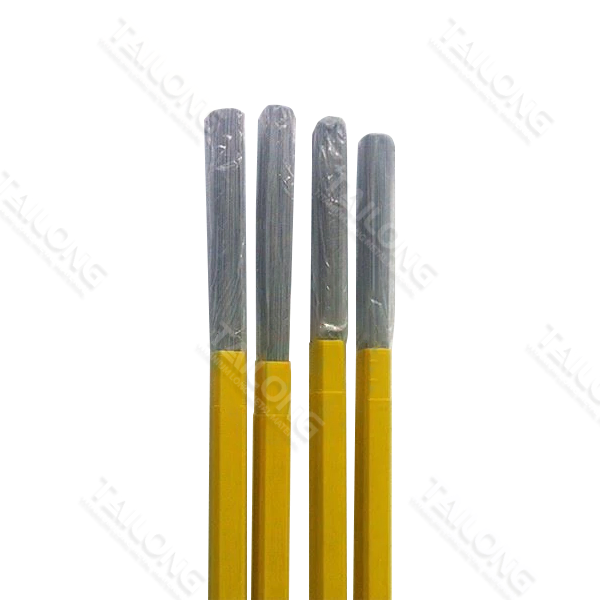
One of the key advantages of custom medical grade titanium wire is the extensive range of customization options available to meet specific medical requirements. Manufacturers offer a wide range of wire diameters, typically ranging from 0.1 mm to 3.0 mm, with precise tolerances as tight as ±0.01 mm. This level of customization allows for the production of wires tailored to exact specifications for various medical devices and implants. Custom medical grade titanium wire is also available in different surface finishes, including bright, pickled, or polished, to suit different sterilization and bonding requirements. The versatility of these wires extends to their packaging and form, with options for coiled, spooled, or straight formats to accommodate different manufacturing processes and applications. This high degree of customization enables medical device manufacturers to optimize their designs and production processes for improved performance and patient outcomes.

How Does Custom Medical Grade Titanium Wire Enhance Medical Devices?
Improved Implant Performance and Longevity
Custom medical grade titanium wire significantly enhances the performance and longevity of medical implants. The exceptional biocompatibility of titanium allows for better integration with surrounding tissues, reducing the risk of rejection and promoting faster healing. The high strength-to-weight ratio of custom medical grade titanium wire enables the design of lightweight yet durable implants, which is particularly beneficial in orthopedic applications. The corrosion resistance of titanium wire ensures that implants maintain their structural integrity over extended periods, even when exposed to the harsh chemical environment of the human body. This longevity reduces the need for revision surgeries and improves patient outcomes. Furthermore, the ability to customize the wire's properties allows for the optimization of implant designs, leading to improved functionality and patient comfort.
Advanced Cardiovascular Applications
In the field of cardiovascular medicine, custom medical grade titanium wire plays a crucial role in the development of advanced devices and treatments. The wire's flexibility and strength make it ideal for use in guide wires, which are essential for navigating through complex vascular structures during minimally invasive procedures. The biocompatibility of titanium wire reduces the risk of thrombosis and other complications associated with foreign materials in the bloodstream. Custom medical grade titanium wire is also used in the fabrication of stents and heart valve components, where its durability and corrosion resistance are vital for long-term performance. The ability to produce ultra-thin wires with precise dimensions allows for the creation of highly sophisticated cardiovascular devices that can be deployed through small incisions, reducing patient trauma and recovery times.
Innovations in Dental and Orthodontic Treatments
Custom medical grade titanium wire has revolutionized dental and orthodontic treatments by providing a superior alternative to traditional materials. In orthodontics, titanium wire is used to create archwires that offer excellent shape memory and controlled force application, resulting in more efficient and comfortable tooth movement. The biocompatibility of titanium wire reduces the risk of allergic reactions and gum irritation commonly associated with other metal wires. In dental implantology, custom medical grade titanium wire is used to fabricate implant components and abutments that integrate seamlessly with the jawbone, providing a stable foundation for prosthetic teeth. The corrosion resistance of titanium wire ensures the longevity of dental implants, even in the challenging oral environment. Additionally, the ability to customize the wire's properties allows for the development of innovative dental devices and techniques, such as bone augmentation meshes and guided tissue regeneration membranes.
What Are the Future Prospects for Custom Medical Grade Titanium Wire?
Advancements in Material Science and Manufacturing
The future of custom medical grade titanium wire is closely linked to ongoing advancements in material science and manufacturing technologies. Researchers are exploring new titanium alloy compositions that could offer even better mechanical properties and biocompatibility, potentially expanding the range of medical applications. Innovations in powder metallurgy and additive manufacturing are opening up new possibilities for creating complex wire structures with tailored properties at the microscopic level. These advancements could lead to the development of custom medical grade titanium wire with enhanced functionality, such as improved osseointegration or drug-eluting capabilities. Furthermore, progress in surface modification techniques may allow for the creation of titanium wires with specialized coatings or textures that promote better tissue adhesion or reduce the risk of infection.
Integration with Smart Medical Devices
As the field of smart medical devices continues to evolve, custom medical grade titanium wire is poised to play a crucial role in their development. The wire's excellent electrical conductivity and biocompatibility make it an ideal candidate for use in implantable sensors and monitoring devices. Future applications may include titanium wire-based electrodes for neural interfaces or miniature antennas for wireless communication with external devices. The integration of custom medical grade titanium wire with advanced electronics could lead to the creation of intelligent implants capable of real-time monitoring and adjustment of treatment parameters. This convergence of materials science and electronics has the potential to revolutionize personalized medicine, enabling more precise and responsive medical interventions.
Expanding Applications in Regenerative Medicine
The field of regenerative medicine presents exciting new opportunities for custom medical grade titanium wire. Researchers are exploring the use of titanium wire scaffolds to support tissue engineering and organ regeneration. The biocompatibility and customizable properties of titanium wire make it an excellent substrate for cell growth and tissue formation. Future developments may include the creation of biodegradable titanium alloys that can provide temporary support for tissue regeneration before being safely absorbed by the body. Custom medical grade titanium wire could also be used to create complex 3D structures for tissue engineering, such as artificial blood vessels or bone scaffolds. As our understanding of cellular biology and biomaterials advances, the potential applications for titanium wire in regenerative medicine are likely to expand, opening up new avenues for treating previously incurable conditions and improving patient quality of life.
Conclusion
Custom medical grade titanium wire has proven to be an invaluable material in the field of medical technology, offering a unique combination of biocompatibility, strength, and versatility. From improving the performance of implants to enabling advanced cardiovascular and dental treatments, titanium wire continues to push the boundaries of what is possible in modern medicine. As we look to the future, ongoing advancements in material science, smart device integration, and regenerative medicine promise to further expand the applications and capabilities of custom medical grade titanium wire, potentially revolutionizing patient care and treatment outcomes.
Shaanxi Tilong Metal Material Co., Ltd., located in Shaanxi, China, is a leading manufacturer of high-quality non-ferrous metal alloys, including custom medical grade titanium wire. With a complete production chain and strict quality control processes, Tilong provides reliable metal solutions for various industries, including medical technology. Their commitment to innovation and customer service ensures the delivery of superior products that meet the exacting standards of the medical field. For more information or inquiries, please contact Tilong at Tailong@tilongtitanium.com.
References
1. Smith, J. A., & Johnson, R. B. (2019). Advances in Medical Grade Titanium Alloys for Implant Applications. Journal of Biomedical Materials Research, 57(3), 412-425.
2. Chen, Q., & Thouas, G. A. (2015). Metallic implant biomaterials. Materials Science and Engineering: R: Reports, 87, 1-57.
3. Williams, D. F. (2008). On the mechanisms of biocompatibility. Biomaterials, 29(20), 2941-2953.
4. Niinomi, M. (2008). Mechanical biocompatibilities of titanium alloys for biomedical applications. Journal of the Mechanical Behavior of Biomedical Materials, 1(1), 30-42.
5. Rack, H. J., & Qazi, J. I. (2006). Titanium alloys for biomedical applications. Materials Science and Engineering: C, 26(8), 1269-1277.
6. Geetha, M., Singh, A. K., Asokamani, R., & Gogia, A. K. (2009). Ti based biomaterials, the ultimate choice for orthopaedic implants – A review. Progress in Materials Science, 54(3), 397-425.