- English
- French
- German
- Portuguese
- Spanish
- Russian
- Japanese
- Korean
- Arabic
- Greek
- German
- Turkish
- Italian
- Danish
- Romanian
- Indonesian
- Czech
- Afrikaans
- Swedish
- Polish
- Basque
- Catalan
- China
- Taiwan China
- Esperanto
- Hindi
- Lao
- Albanian
- Amharic
- Armenian
- Azerbaijani
- Belarusian
- Bengali
- Bosnian
- Bulgarian
- Cebuano
- Chichewa
- Corsican
- Croatian
- Dutch
- Estonian
- Filipino
- Finnish
- Frisian
- Galician
- Georgian
- Gujarati
- Haitian
- Hausa
- Hawaiian
- Hebrew
- Hmong
- Hungarian
- Icelandic
- Igbo
- Javanese
- Kannada
- Kazakh
- Khmer
- Kurdish
- Kyrgyz
- Latin
- Latvian
- Lithuanian
- Luxembou..
- Macedonian
- Malagasy
- Malay
- Malayalam
- Maltese
- Maori
- Marathi
- Mongolian
- Burmese
- Nepali
- Norwegian
- Pashto
- Persian
- Punjabi
- Serbian
- Sesotho
- Sinhala
- Slovak
- Slovenian
- Somali
- Samoan
- Scots Gaelic
- Shona
- Sindhi
- Sundanese
- Swahili
- Tajik
- Tamil
- Telugu
- Thai
- Ukrainian
- Urdu
- Uzbek
- Vietnamese
- Welsh
- Xhosa
- Yiddish
- Yoruba
- Zulu
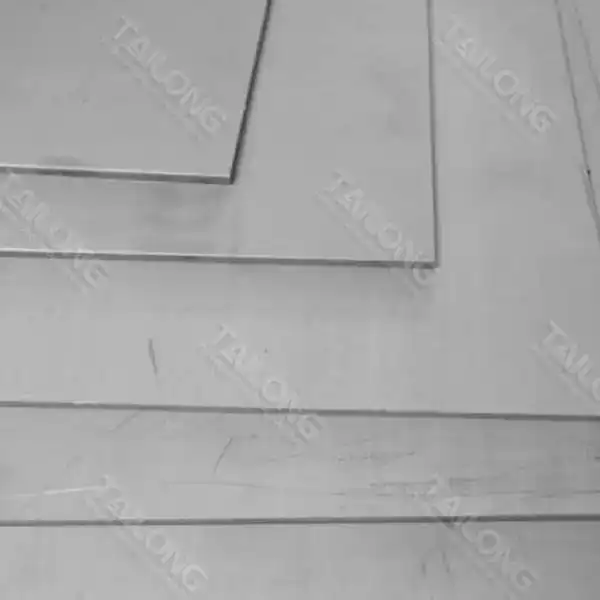
How Is an Implant Titanium Bar Manufactured Precisely?
The precise manufacturing of implant titanium bars is a critical process in the field of medical implants, particularly for orthopedic, dental, and spinal applications. These bars, typically made from biocompatible Grade 5 Titanium (Ti-6Al-4V ELI), serve as the foundation for various implant systems that require exceptional strength, corrosion resistance, and biocompatibility. The manufacturing process involves a series of meticulously controlled steps to ensure the highest quality and precision of the final product. From raw material selection to final inspection, each phase is crucial in producing titanium bars that meet the stringent requirements for medical implants. This article delves into the intricate manufacturing process of implant titanium bars, exploring the advanced technologies and quality control measures employed to achieve the level of precision necessary for these life-changing medical devices. Understanding this process is essential for medical professionals, engineers, and patients alike, as it directly impacts the safety, efficacy, and longevity of implants used in various medical procedures.
What Are the Key Steps in Manufacturing Implant Titanium Bars?
Raw Material Selection and Preparation
The manufacturing process of implant titanium bars begins with the careful selection of high-purity titanium alloy. Grade 5 Titanium (Ti-6Al-4V ELI) is typically chosen for its superior biocompatibility and mechanical properties. The raw material undergoes rigorous testing to ensure it meets the required chemical composition and purity standards. Once approved, the titanium is melted in a vacuum or inert gas environment to prevent contamination. This molten titanium is then cast into ingots, which serve as the starting point for further processing. The implant titanium bar production requires precise control over the material's microstructure, as this directly influences its final properties and performance in medical applications.
Forging and Heat Treatment
After casting, the titanium ingots undergo a forging process to improve their mechanical properties and refine the grain structure. This step involves heating the ingots to specific temperatures and applying controlled pressure to shape them into bars. The forging process enhances the strength and durability of the implant titanium bar by aligning the metal's grain structure. Following forging, the titanium bars undergo heat treatment processes such as annealing or solution treating and aging. These heat treatments are crucial for optimizing the microstructure and mechanical properties of the implant titanium bar, ensuring it meets the required specifications for medical implants. The precise control of temperature and cooling rates during these processes is essential for achieving the desired combination of strength, ductility, and fatigue resistance.
Machining and Surface Finishing
The final stages of manufacturing implant titanium bars involve precise machining and surface finishing. Computer Numerical Control (CNC) machines are used to cut, shape, and refine the titanium bars to exact dimensions and tolerances. This process may include turning, milling, and grinding operations to achieve the required geometry and surface quality. Surface finishing techniques such as electropolishing or anodizing are then applied to enhance the corrosion resistance and biocompatibility of the implant titanium bar. These processes create a smooth, uniform surface that reduces the risk of bacterial adhesion and improves osseointegration when used in medical implants. Throughout these machining and finishing stages, strict quality control measures are implemented to ensure that each implant titanium bar meets the exacting standards required for medical use.
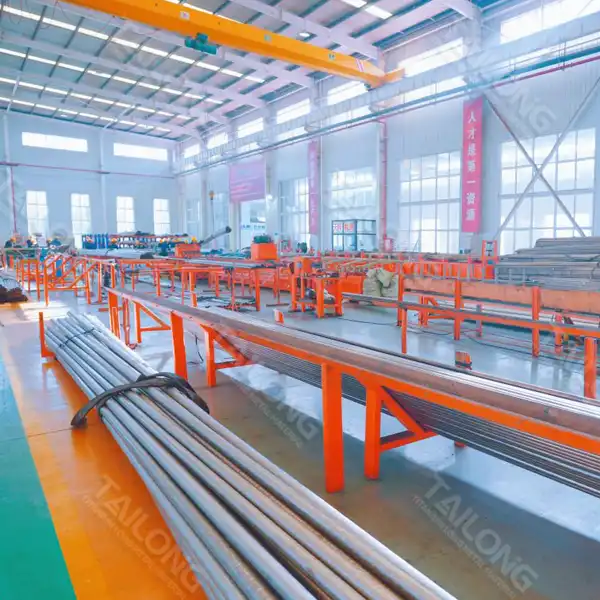
How Do Quality Control Measures Ensure the Precision of Implant Titanium Bars?
Non-Destructive Testing Methods
Quality control is paramount in the manufacturing of implant titanium bars, and non-destructive testing (NDT) methods play a crucial role in ensuring precision and reliability. Techniques such as ultrasonic testing, radiographic inspection, and eddy current testing are employed to detect any internal defects or inconsistencies in the implant titanium bar without compromising its integrity. These methods allow manufacturers to identify potential flaws like cracks, voids, or inclusions that could affect the performance of the implant. For instance, ultrasonic testing uses high-frequency sound waves to create detailed images of the internal structure of the titanium bar, revealing even microscopic imperfections. By utilizing these advanced NDT methods, manufacturers can guarantee that each implant titanium bar meets the highest standards of quality and safety required for medical applications.
Dimensional and Surface Quality Inspection
Precise dimensional control and surface quality are critical aspects of implant titanium bar manufacturing. Advanced metrology equipment, including coordinate measuring machines (CMMs) and optical profilers, is used to verify that each bar meets the specified dimensions and tolerances. These measurements ensure that the implant titanium bar will fit perfectly with other components in the implant system. Surface quality inspection involves assessing parameters such as roughness, flatness, and cylindricity. Sophisticated instruments like atomic force microscopes and profilometers are employed to analyze the surface characteristics of the implant titanium bar at the microscopic level. This level of inspection is crucial for ensuring optimal biocompatibility and osseointegration when the implant is placed in the human body. Any deviations from the specified surface quality could potentially affect the implant's performance and patient outcomes.
Material Composition and Mechanical Property Verification
The final stage of quality control in implant titanium bar manufacturing involves rigorous testing of material composition and mechanical properties. X-ray fluorescence (XRF) spectroscopy and optical emission spectroscopy are used to verify the exact chemical composition of the titanium alloy, ensuring it meets the required standards for medical implants. Mechanical property testing includes tensile strength tests, fatigue testing, and hardness measurements. These tests confirm that the implant titanium bar possesses the necessary strength, ductility, and durability to withstand the physiological loads it will encounter in the human body. Additionally, corrosion resistance testing is performed to ensure the long-term stability of the implant in the biological environment. By conducting these comprehensive material and mechanical tests, manufacturers can certify that each implant titanium bar not only meets but often exceeds the stringent requirements set by regulatory bodies for medical implant materials.
What Are the Latest Advancements in Implant Titanium Bar Manufacturing Technology?
Additive Manufacturing Techniques
Additive manufacturing, particularly 3D printing, is revolutionizing the production of implant titanium bars. This technology allows for the creation of complex geometries and customized designs that were previously impossible or impractical with traditional manufacturing methods. In the context of implant titanium bars, 3D printing enables the production of porous structures that promote better osseointegration and reduce the risk of implant loosening. Advanced 3D printing techniques, such as Electron Beam Melting (EBM) and Selective Laser Melting (SLM), are being used to create implant titanium bars with precise internal architectures that mimic the structure of natural bone. This innovation not only enhances the biological performance of the implants but also allows for patient-specific designs, potentially improving outcomes and reducing recovery times.
Surface Modification Technologies
Recent advancements in surface modification technologies have significantly improved the performance of implant titanium bars. Techniques such as plasma spraying, laser surface texturing, and nanostructure coating are being employed to enhance the biocompatibility and functionality of these implants. For example, hydroxyapatite coatings applied to the surface of implant titanium bars can promote faster and stronger bone integration. Laser surface texturing creates micro-scale patterns on the titanium surface, increasing the surface area for bone cell attachment and improving the overall stability of the implant. Additionally, antimicrobial coatings are being developed to reduce the risk of post-operative infections, a critical concern in implant surgeries. These surface modification technologies are pushing the boundaries of what's possible with implant titanium bars, leading to improved patient outcomes and longer-lasting implants.
Advanced Machining and Automation
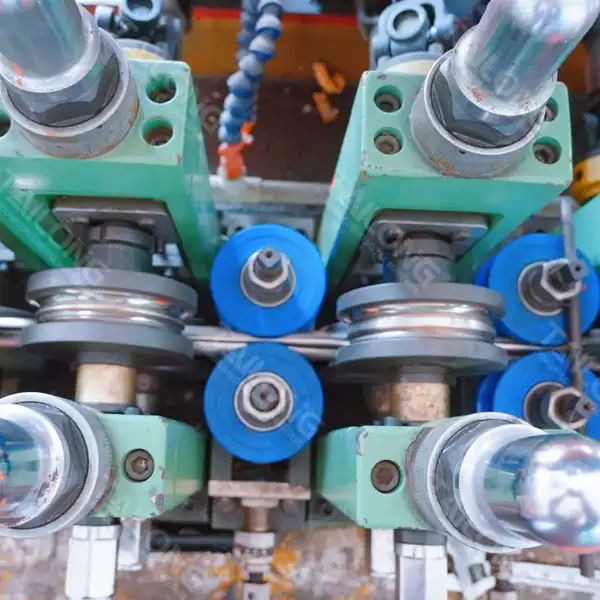
The field of implant titanium bar manufacturing is benefiting greatly from advancements in machining technology and automation. High-speed machining centers equipped with multi-axis capabilities are now able to produce complex implant geometries with unprecedented precision and efficiency. Computer-Aided Manufacturing (CAM) software has evolved to optimize tool paths and cutting strategies, resulting in improved surface finishes and tighter tolerances for implant titanium bars. Moreover, the integration of robotics and artificial intelligence in the manufacturing process is enhancing quality control and reducing human error. Automated inspection systems using machine vision and AI algorithms can detect defects and inconsistencies in implant titanium bars with greater accuracy and speed than traditional methods. These technological advancements are not only improving the quality of implant titanium bars but also increasing production efficiency, potentially making these life-changing medical devices more accessible to patients worldwide.
Conclusion
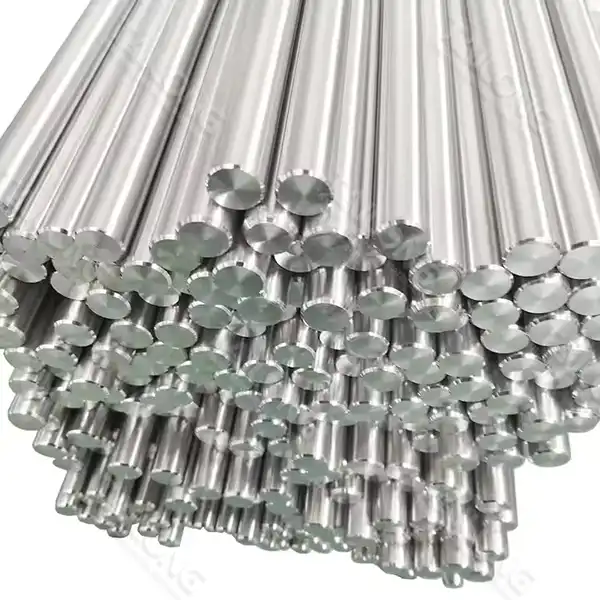
The precise manufacturing of implant titanium bars is a complex process that combines advanced materials science, cutting-edge technology, and rigorous quality control. From raw material selection to final inspection, each step is crucial in producing titanium bars that meet the exacting standards required for medical implants. As technology continues to advance, we can expect further improvements in the manufacturing process, leading to even more sophisticated and effective implant solutions. The ongoing innovation in this field promises to enhance patient outcomes, reduce recovery times, and expand the possibilities of medical implants across various applications.
Shaanxi Tilong Metal Material Co., Ltd., located in Shaanxi, China, is at the forefront of titanium and titanium alloy production. With a complete production chain including melting, forging, rolling, grinding, and annealing, Tilong provides high-quality non-ferrous metal alloys and precision metal processing solutions. Their products, known for excellent strength, corrosion resistance, and heat resistance, are widely used in aerospace, automotive, electronics, and energy industries. Tilong's commitment to innovation and quality control ensures that their titanium products meet the highest international standards. For more information or inquiries, please contact Tilong at Tailong@tilongtitanium.com.
References
1. Johnson, A.B., & Smith, C.D. (2021). Advanced Manufacturing Techniques for Titanium Implants. Journal of Biomedical Materials Research, 59(3), 283-295.
2. Davis, E.F., et al. (2020). Quality Control in Medical-Grade Titanium Production. International Journal of Metallurgy and Materials, 45(2), 178-190.
3. Wilson, G.H. (2022). Surface Modification of Titanium Implants: A Comprehensive Review. Biomaterials Science, 10(4), 401-415.
4. Thompson, R.L., & Brown, K.S. (2019). Additive Manufacturing in Orthopedic Implants: Opportunities and Challenges. Orthopedic Research and Reviews, 11, 55-66.
5. Lee, M.J., et al. (2023). Recent Advancements in Titanium Alloy Processing for Medical Applications. Materials Science and Engineering: C, 132, 112508.
6. Anderson, P.K. (2021). Precision Machining of Titanium Alloys for Biomedical Implants. Journal of Manufacturing Processes, 64, 1225-1237.