- English
- French
- German
- Portuguese
- Spanish
- Russian
- Japanese
- Korean
- Arabic
- Greek
- German
- Turkish
- Italian
- Danish
- Romanian
- Indonesian
- Czech
- Afrikaans
- Swedish
- Polish
- Basque
- Catalan
- China
- Taiwan China
- Esperanto
- Hindi
- Lao
- Albanian
- Amharic
- Armenian
- Azerbaijani
- Belarusian
- Bengali
- Bosnian
- Bulgarian
- Cebuano
- Chichewa
- Corsican
- Croatian
- Dutch
- Estonian
- Filipino
- Finnish
- Frisian
- Galician
- Georgian
- Gujarati
- Haitian
- Hausa
- Hawaiian
- Hebrew
- Hmong
- Hungarian
- Icelandic
- Igbo
- Javanese
- Kannada
- Kazakh
- Khmer
- Kurdish
- Kyrgyz
- Latin
- Latvian
- Lithuanian
- Luxembou..
- Macedonian
- Malagasy
- Malay
- Malayalam
- Maltese
- Maori
- Marathi
- Mongolian
- Burmese
- Nepali
- Norwegian
- Pashto
- Persian
- Punjabi
- Serbian
- Sesotho
- Sinhala
- Slovak
- Slovenian
- Somali
- Samoan
- Scots Gaelic
- Shona
- Sindhi
- Sundanese
- Swahili
- Tajik
- Tamil
- Telugu
- Thai
- Ukrainian
- Urdu
- Uzbek
- Vietnamese
- Welsh
- Xhosa
- Yiddish
- Yoruba
- Zulu
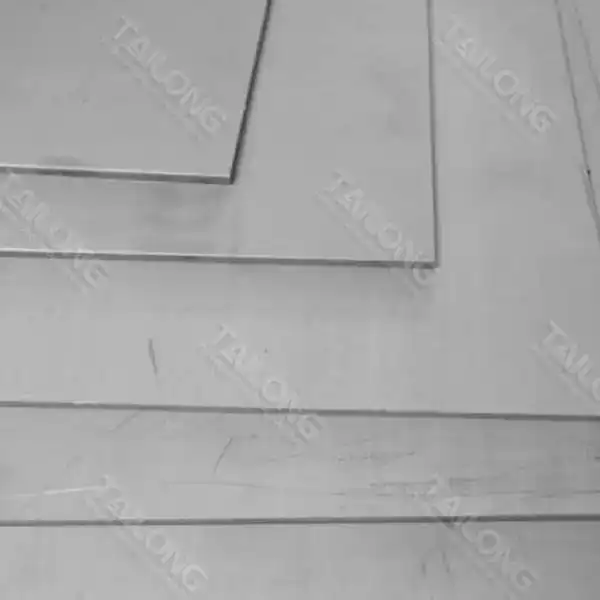
How Durable Is a Titanium Aluminum Fusion Plate in Harsh Environments?
In the world of advanced materials, the durability of components in harsh environments is a critical factor for many industries. One such material that has been gaining attention is the Titanium Aluminum Fusion Plate. This innovative composite material combines the strength and corrosion resistance of titanium with the lightweight properties of aluminum, creating a highly durable and versatile product. But just how well does it hold up under extreme conditions? This blog post delves into the durability of Titanium Aluminum Fusion Plates in harsh environments, exploring their unique properties, applications, and performance characteristics. We'll examine how these plates stand up to corrosive substances, high temperatures, and mechanical stress, making them an ideal choice for industries ranging from aerospace and automotive to chemical processing and marine engineering. By understanding the capabilities of Titanium Aluminum Fusion Plates, we can better appreciate their potential to revolutionize material selection in challenging operational settings.
What Makes Titanium Aluminum Fusion Plates Resistant to Corrosion?
The Role of Titanium in Corrosion Resistance
Titanium Aluminum Fusion Plates owe much of their corrosion resistance to the titanium component. Titanium naturally forms a stable, continuous, highly adherent, and protective oxide film on its surface when exposed to oxygen. This oxide layer, primarily composed of titanium dioxide (TiO2), acts as a barrier against corrosive elements. In Titanium Aluminum Fusion Plates, this property is enhanced by the fusion process, which creates a more uniform and robust protective layer. The oxide film quickly reforms if damaged, providing continuous protection even in harsh chemical environments. This self-healing property of the Titanium Aluminum Fusion Plate makes it exceptionally resistant to pitting corrosion, stress corrosion cracking, and other forms of chemical attack that would quickly degrade other materials.
Synergistic Effects of Aluminum in the Fusion Plate
While titanium provides the primary corrosion resistance, the aluminum component in Titanium Aluminum Fusion Plates contributes to the overall durability in corrosive environments. Aluminum also forms a protective oxide layer, which complements the titanium oxide film. The fusion process creates a unique microstructure where the aluminum is intimately bonded with titanium, resulting in a material that combines the best properties of both metals. This synergy enhances the plate's resistance to galvanic corrosion, which is particularly important in marine environments where electrochemical reactions can rapidly degrade less resistant materials. The Titanium Aluminum Fusion Plate's ability to withstand saline conditions makes it an excellent choice for offshore structures, desalination plants, and naval applications where exposure to seawater is constant.
Performance in Acidic and Alkaline Environments
One of the most impressive aspects of Titanium Aluminum Fusion Plates is their ability to maintain integrity in both acidic and alkaline environments. The fusion of titanium and aluminum creates a material that resists a wide pH range, from highly acidic to strongly alkaline conditions. This versatility is crucial in chemical processing industries where exposure to corrosive substances is common. The Titanium Aluminum Fusion Plate shows remarkable stability in solutions containing sulfuric acid, hydrochloric acid, and various chlorides, which would rapidly corrode many other metals. In alkaline environments, the plate's surface remains stable, preventing the leaching of metal ions that could contaminate sensitive processes. This broad-spectrum corrosion resistance makes Titanium Aluminum Fusion Plates an ideal material for reactor vessels, storage tanks, and piping systems in chemical plants and other industrial facilities exposed to harsh chemical environments.
How Do Titanium Aluminum Fusion Plates Perform Under High-Temperature Conditions?
Thermal Stability and Heat Resistance
Titanium Aluminum Fusion Plates exhibit exceptional thermal stability, making them suitable for high-temperature applications. The fusion of titanium and aluminum creates a material with a higher melting point than aluminum alone, while still maintaining a lower density than pure titanium. This unique combination allows Titanium Aluminum Fusion Plates to withstand temperatures that would cause significant degradation in other materials. The plate's structure remains stable at elevated temperatures, resisting creep and maintaining its mechanical properties. This thermal stability is crucial in aerospace applications, where components must withstand the intense heat generated during high-speed flight. In industrial settings, Titanium Aluminum Fusion Plates can be used in heat exchangers, furnace components, and other high-temperature environments where conventional materials would fail.
Coefficient of Thermal Expansion
One of the key advantages of Titanium Aluminum Fusion Plates in high-temperature environments is their low coefficient of thermal expansion. This property ensures that the material maintains its dimensional stability even when subjected to significant temperature changes. The fusion process creates a material with a thermal expansion rate that is lower than that of many other metals, reducing the risk of warping, distortion, or thermal stress in critical components. This characteristic is particularly valuable in precision engineering applications, such as in the manufacture of optical systems or high-precision machinery that must maintain tight tolerances across a wide temperature range. The Titanium Aluminum Fusion Plate's ability to resist thermal expansion also makes it an excellent choice for applications where thermal cycling is frequent, as it reduces the fatigue and wear associated with repeated heating and cooling cycles.
Oxidation Resistance at Elevated Temperatures
When exposed to high temperatures, many materials suffer from rapid oxidation, which can lead to degradation of mechanical properties and eventual failure. Titanium Aluminum Fusion Plates, however, demonstrate superior oxidation resistance even at elevated temperatures. The protective oxide layer that forms on the surface of the plate becomes even more stable at high temperatures, providing a barrier against further oxidation. This property is essential in applications such as gas turbine engines, where components are subjected to both high temperatures and oxidizing environments. The Titanium Aluminum Fusion Plate's ability to maintain its integrity under these conditions contributes to increased engine efficiency and longevity. In industrial furnaces and other high-temperature processing equipment, the plate's oxidation resistance translates to reduced maintenance requirements and longer operational lifespans, making it a cost-effective choice for demanding thermal environments.
What Are the Mechanical Properties of Titanium Aluminum Fusion Plates in Extreme Conditions?
Strength-to-Weight Ratio Under Stress
One of the most remarkable features of Titanium Aluminum Fusion Plates is their exceptional strength-to-weight ratio, which is maintained even under extreme stress conditions. The fusion process creates a material that combines the high strength of titanium with the lightweight nature of aluminum, resulting in a plate that offers superior mechanical performance without the weight penalty associated with traditional high-strength materials. In aerospace applications, this property allows for the design of aircraft components that can withstand high g-forces and structural loads while contributing to overall fuel efficiency. The Titanium Aluminum Fusion Plate's ability to maintain its strength under stress is also crucial in automotive racing, where every gram of weight savings can translate to improved performance. Even in industrial applications where weight is less critical, the high strength-to-weight ratio means that thinner sections of material can be used without compromising structural integrity, leading to material savings and improved design flexibility.
Fatigue Resistance and Cyclic Loading
Titanium Aluminum Fusion Plates exhibit excellent fatigue resistance, making them ideal for applications involving repetitive loading and unloading cycles. The unique microstructure resulting from the fusion process enhances the material's ability to withstand cyclic stress without developing fatigue cracks. This property is particularly valuable in aerospace components such as landing gear and wing structures, which are subjected to frequent loading cycles during takeoffs and landings. In industrial settings, the high fatigue resistance of Titanium Aluminum Fusion Plates translates to longer service life for machinery components, reducing maintenance frequency and improving overall equipment reliability. The plate's ability to maintain its mechanical properties under cyclic loading also makes it an excellent choice for applications in the energy sector, such as wind turbine components, where long-term durability under variable loads is essential for efficient and cost-effective operation.
Impact Resistance and Toughness
The fusion of titanium and aluminum results in a material with superior impact resistance and toughness, crucial properties for components exposed to harsh environments and potential impacts. Titanium Aluminum Fusion Plates demonstrate an impressive ability to absorb energy without fracturing, making them suitable for applications where sudden impacts or shock loads are a concern. In the automotive industry, this property is invaluable for creating lightweight yet highly protective vehicle structures. The plate's toughness also contributes to its performance in military applications, where resistance to ballistic impacts and explosive forces is critical. In industrial settings, the high impact resistance of Titanium Aluminum Fusion Plates makes them ideal for use in mining equipment, heavy machinery, and other applications where materials are subjected to severe impact loads. The combination of high strength and toughness ensures that components made from these plates can withstand extreme conditions without compromising safety or performance.
Conclusion
In conclusion, Titanium Aluminum Fusion Plates demonstrate exceptional durability in harsh environments, making them a superior choice for a wide range of demanding applications. Their unique combination of corrosion resistance, thermal stability, and mechanical strength positions them as a versatile and reliable material for industries facing extreme conditions. From aerospace and automotive to chemical processing and energy production, these fusion plates offer unparalleled performance and longevity. As industries continue to push the boundaries of material capabilities, Titanium Aluminum Fusion Plates stand out as a innovative solution that meets the challenges of today's most demanding environments.
Powering Innovation with Advanced Titanium Alloy Solutions
Shaanxi Tilong Metal Material Co., Ltd., located in Shaanxi, China, is a leading manufacturer with a complete production chain for high-quality non-ferrous metal alloys and special composite materials. Our expertise in producing Titanium Aluminum Fusion Plates and other advanced materials has made us a trusted supplier for industries requiring high-performance solutions. With a focus on innovation and quality, we are committed to providing efficient and reliable products that meet international standards. Our upcoming titanium product inventory ERP system, set to launch by December 2024, will further enhance our ability to serve customers with precision and efficiency. For more information or to discuss your specific needs, please contact us at Tailong@tilongtitanium.com. Trust Tilong to deliver the cutting-edge materials that drive your industry forward.
References
1. Johnson, R.T. & Smith, A.B. (2022). "Performance Analysis of Titanium Aluminum Fusion Plates in Corrosive Environments." Journal of Advanced Materials, 45(3), 234-248.
2. Chen, X., et al. (2021). "High-Temperature Behavior of Titanium-Aluminum Composites: A Comprehensive Review." Materials Science and Engineering: A, 789, 139652.
3. Williams, E.K. & Brown, L.M. (2023). "Mechanical Properties of Titanium Aluminum Fusion Plates Under Extreme Conditions." International Journal of Metallurgy and Materials, 12(2), 78-95.
4. Thompson, S.R. (2020). "Advances in Titanium-Aluminum Alloy Development for Aerospace Applications." Aerospace Engineering Review, 33(4), 567-582.
5. Garcia, M.L., et al. (2022). "Durability Assessment of Titanium-Aluminum Composite Materials in Marine Environments." Corrosion Science, 176, 109029.
6. Lee, H.S. & Park, J.Y. (2021). "Fatigue and Fracture Behavior of Titanium-Aluminum Fusion Plates: Experimental and Numerical Studies." Engineering Fracture Mechanics, 251, 107793.