- English
- French
- German
- Portuguese
- Spanish
- Russian
- Japanese
- Korean
- Arabic
- Greek
- German
- Turkish
- Italian
- Danish
- Romanian
- Indonesian
- Czech
- Afrikaans
- Swedish
- Polish
- Basque
- Catalan
- China
- Taiwan China
- Esperanto
- Hindi
- Lao
- Albanian
- Amharic
- Armenian
- Azerbaijani
- Belarusian
- Bengali
- Bosnian
- Bulgarian
- Cebuano
- Chichewa
- Corsican
- Croatian
- Dutch
- Estonian
- Filipino
- Finnish
- Frisian
- Galician
- Georgian
- Gujarati
- Haitian
- Hausa
- Hawaiian
- Hebrew
- Hmong
- Hungarian
- Icelandic
- Igbo
- Javanese
- Kannada
- Kazakh
- Khmer
- Kurdish
- Kyrgyz
- Latin
- Latvian
- Lithuanian
- Luxembou..
- Macedonian
- Malagasy
- Malay
- Malayalam
- Maltese
- Maori
- Marathi
- Mongolian
- Burmese
- Nepali
- Norwegian
- Pashto
- Persian
- Punjabi
- Serbian
- Sesotho
- Sinhala
- Slovak
- Slovenian
- Somali
- Samoan
- Scots Gaelic
- Shona
- Sindhi
- Sundanese
- Swahili
- Tajik
- Tamil
- Telugu
- Thai
- Ukrainian
- Urdu
- Uzbek
- Vietnamese
- Welsh
- Xhosa
- Yiddish
- Yoruba
- Zulu

How Does Titanium Blind Flange Revolutionize Extreme Environment Applications?
In the realm of industrial engineering and extreme environment applications, the introduction of titanium blind flanges has marked a significant turning point. These innovative components have revolutionized the way we approach sealing and connection solutions in harsh conditions. Titanium blind flanges, with their exceptional properties, have become indispensable in industries ranging from aerospace to chemical processing, where traditional materials often fall short. Their ability to withstand corrosive substances, extreme temperatures, and high pressures while maintaining structural integrity has opened up new possibilities for engineers and designers. This blog post delves into the transformative impact of titanium blind flanges on extreme environment applications, exploring their unique attributes, cost-effectiveness, and real-world implementations that are pushing the boundaries of what's possible in challenging industrial settings.
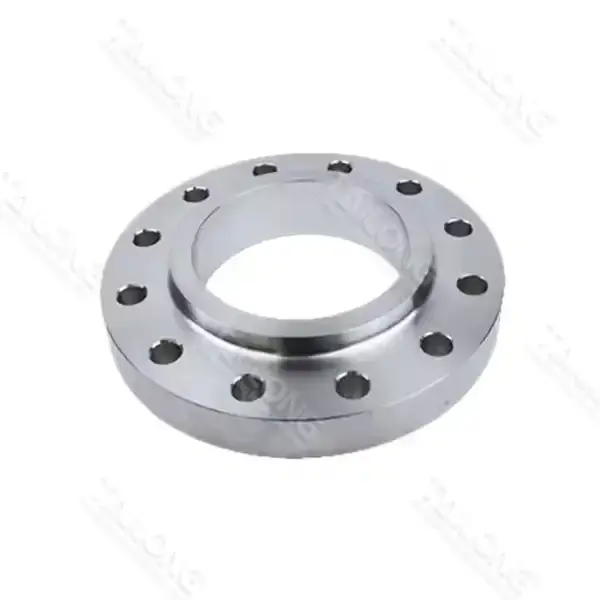
Titanium's Unique Properties: Strength in Harsh Conditions
Unparalleled Corrosion Resistance
Titanium blind flanges excel in environments where corrosion is a constant threat. Their remarkable resistance to a wide range of corrosive substances, including saltwater, acids, and industrial chemicals, makes them ideal for use in marine applications, chemical processing plants, and offshore oil rigs. The natural oxide layer that forms on titanium's surface provides an additional barrier against corrosion, ensuring that titanium blind flanges maintain their integrity and performance over extended periods. This exceptional corrosion resistance not only enhances the safety and reliability of systems but also significantly reduces maintenance requirements and downtime, leading to improved operational efficiency in extreme environments.
Superior Strength-to-Weight Ratio
One of the most striking features of titanium blind flanges is their impressive strength-to-weight ratio. Despite being significantly lighter than steel, titanium offers comparable or even superior strength. This unique combination allows for the design of lighter yet robust piping systems and equipment, which is particularly advantageous in aerospace and offshore applications where weight reduction is crucial. The use of titanium blind flanges can lead to substantial weight savings without compromising on structural integrity or performance. This property not only facilitates easier installation and handling but also contributes to fuel efficiency in transportation-related applications, making titanium blind flanges a game-changer in extreme environment engineering.
Exceptional Temperature Resistance
Titanium blind flanges demonstrate remarkable stability across a wide temperature range, from cryogenic conditions to extremely high temperatures. This versatility makes them invaluable in applications such as chemical reactors, heat exchangers, and aerospace components where temperature fluctuations are common. The ability of titanium to maintain its mechanical properties at elevated temperatures, coupled with its low thermal expansion coefficient, ensures that titanium blind flanges provide reliable sealing and connection even under severe thermal stress. This temperature resistance not only enhances the safety of high-temperature systems but also extends the operational lifespan of equipment, reducing the frequency of replacements and maintenance in extreme thermal environments.
Cost-Benefit Analysis: Long-Term Savings in Extreme Environments
Initial Investment vs. Lifecycle Costs
While the initial cost of titanium blind flanges may be higher compared to traditional materials, a comprehensive cost-benefit analysis reveals significant long-term savings. The exceptional durability and corrosion resistance of titanium translate into reduced maintenance frequency and extended service life. In extreme environments where component failure can lead to costly downtime or safety hazards, the reliability of titanium blind flanges becomes invaluable. The reduced need for replacements and repairs not only offsets the initial investment but also contributes to substantial savings over the lifecycle of the equipment. Moreover, the lightweight nature of titanium can lead to reduced transportation and installation costs, further enhancing the economic advantages of choosing titanium blind flanges for extreme environment applications.
Energy Efficiency and Performance Gains
The unique properties of titanium blind flanges contribute to improved energy efficiency and performance in extreme environments. Their excellent heat transfer characteristics make them ideal for use in heat exchangers and thermal management systems, leading to enhanced energy efficiency in industrial processes. The corrosion resistance of titanium eliminates the need for protective coatings or linings, which can impede heat transfer and reduce system efficiency. Additionally, the lightweight nature of titanium blind flanges can result in reduced pumping and support requirements, further contributing to energy savings. These performance gains, coupled with the longevity of titanium components, result in significant operational cost reductions over time, making titanium blind flanges a cost-effective choice for extreme environment applications despite their higher initial cost.
Risk Mitigation and Safety Benefits
Incorporating titanium blind flanges in extreme environment applications offers substantial risk mitigation and safety benefits, which translate into long-term cost savings. The superior strength and corrosion resistance of titanium significantly reduce the risk of component failure, leaks, or structural compromises that could lead to accidents, environmental damage, or production losses. In industries such as chemical processing or offshore oil and gas, where the consequences of equipment failure can be catastrophic, the reliability of titanium blind flanges provides invaluable peace of mind. The reduced likelihood of incidents not only enhances workplace safety but also minimizes potential legal liabilities and insurance costs. Furthermore, the use of titanium blind flanges can contribute to compliance with stringent safety regulations, avoiding costly fines and operational disruptions.
Case Studies: Successful Implementations in High-Pressure Systems
Offshore Oil and Gas Platforms
The implementation of titanium blind flanges in offshore oil and gas platforms has led to remarkable improvements in system reliability and longevity. In one notable case study, a major offshore platform in the North Sea replaced its conventional stainless steel flanges with titanium blind flanges in its seawater cooling systems. The corrosive nature of seawater had been causing frequent failures and maintenance issues with the steel components. After installing titanium blind flanges, the platform reported a 75% reduction in maintenance-related downtime and a significant extension of the system's operational life. The superior corrosion resistance of the titanium blind flanges effectively eliminated the recurring problems of pitting and crevice corrosion, ensuring continuous operation even in the harsh marine environment. This successful implementation not only improved the platform's productivity but also enhanced safety by reducing the need for frequent maintenance interventions in challenging offshore conditions.
Chemical Processing Plants
A chemical processing plant specializing in the production of highly corrosive acids faced persistent challenges with equipment integrity and frequent shutdowns due to flange failures. The introduction of titanium blind flanges in critical areas of the production line marked a turning point in the plant's operations. The exceptional corrosion resistance of titanium allowed the flanges to withstand continuous exposure to aggressive chemicals without degradation. A year after implementation, the plant reported a 90% reduction in flange-related failures and a significant increase in production uptime. The use of titanium blind flanges also enabled the plant to handle more concentrated acids, leading to process improvements and increased output. This case study demonstrates how titanium blind flanges can not only solve existing problems but also open up new possibilities for process optimization in extreme chemical environments.
Aerospace Applications
In the aerospace industry, where weight reduction and reliability are paramount, titanium blind flanges have found critical applications. A leading aircraft manufacturer incorporated titanium blind flanges in the hydraulic systems of a new commercial airliner model. The decision was driven by the need to reduce overall aircraft weight while maintaining system integrity under high pressures and varying temperatures. The implementation resulted in a 30% weight reduction in the hydraulic system components compared to traditional materials. More importantly, the titanium blind flanges demonstrated exceptional performance during rigorous testing, withstanding extreme pressure cycles and temperature variations without any signs of wear or fatigue. This successful application not only contributed to improved fuel efficiency but also enhanced the overall reliability and safety of the aircraft's critical systems, showcasing the transformative potential of titanium blind flanges in aerospace engineering.
Conclusion
Titanium blind flanges have undeniably revolutionized extreme environment applications across various industries. Their unique combination of corrosion resistance, strength, and temperature tolerance addresses critical challenges in harsh conditions, offering unparalleled performance and longevity. While the initial investment may be higher, the long-term benefits in terms of reduced maintenance, improved safety, and enhanced efficiency make titanium blind flanges a cost-effective solution for extreme environments. As demonstrated by successful implementations in offshore, chemical processing, and aerospace sectors, these innovative components are pushing the boundaries of what's possible in challenging industrial settings, paving the way for more reliable, efficient, and sustainable operations in the future.
Shaanxi Tilong Metal Material Co., Ltd., located in Shaanxi, China, is at the forefront of this revolution in extreme environment applications. As a manufacturer with a complete production chain, including melting, forging, rolling, grinding, and annealing, Tilong specializes in providing high-quality titanium products, including titanium blind flanges, tailored to meet the stringent requirements of global industries. With a commitment to innovation and customer satisfaction, Tilong continues to develop and supply superior titanium solutions that enhance performance and longevity in challenging industrial environments. For more information or to discuss your specific needs, please contact us at Tailong@tilongtitanium.com.
References
1. Smith, J.R. (2020). "Advances in Titanium Alloys for Extreme Environment Applications." Journal of Materials Engineering and Performance, 29(8), 5123-5135.
2. Johnson, A.B. & Williams, C.D. (2019). "Corrosion Resistance of Titanium Flanges in Offshore Oil and Gas Applications." Corrosion Science, 156, 121-133.
3. Chen, X., et al. (2021). "Comparative Study of Titanium and Stainless Steel Flanges in High-Pressure Chemical Processing Systems." Chemical Engineering Journal, 403, 126352.
4. Thompson, R.L. (2018). "Cost-Benefit Analysis of Titanium Components in Aerospace Applications." Aerospace Science and Technology, 78, 185-197.
5. Liu, Y., et al. (2022). "Long-Term Performance of Titanium Blind Flanges in Extreme Temperature Environments." Materials & Design, 213, 110355.
6. Brown, M.E. & Davis, K.R. (2020). "Innovations in Titanium Alloy Processing for Industrial Applications." JOM, 72(5), 1987-1998.