- English
- French
- German
- Portuguese
- Spanish
- Russian
- Japanese
- Korean
- Arabic
- Greek
- German
- Turkish
- Italian
- Danish
- Romanian
- Indonesian
- Czech
- Afrikaans
- Swedish
- Polish
- Basque
- Catalan
- China
- Taiwan China
- Esperanto
- Hindi
- Lao
- Albanian
- Amharic
- Armenian
- Azerbaijani
- Belarusian
- Bengali
- Bosnian
- Bulgarian
- Cebuano
- Chichewa
- Corsican
- Croatian
- Dutch
- Estonian
- Filipino
- Finnish
- Frisian
- Galician
- Georgian
- Gujarati
- Haitian
- Hausa
- Hawaiian
- Hebrew
- Hmong
- Hungarian
- Icelandic
- Igbo
- Javanese
- Kannada
- Kazakh
- Khmer
- Kurdish
- Kyrgyz
- Latin
- Latvian
- Lithuanian
- Luxembou..
- Macedonian
- Malagasy
- Malay
- Malayalam
- Maltese
- Maori
- Marathi
- Mongolian
- Burmese
- Nepali
- Norwegian
- Pashto
- Persian
- Punjabi
- Serbian
- Sesotho
- Sinhala
- Slovak
- Slovenian
- Somali
- Samoan
- Scots Gaelic
- Shona
- Sindhi
- Sundanese
- Swahili
- Tajik
- Tamil
- Telugu
- Thai
- Ukrainian
- Urdu
- Uzbek
- Vietnamese
- Welsh
- Xhosa
- Yiddish
- Yoruba
- Zulu
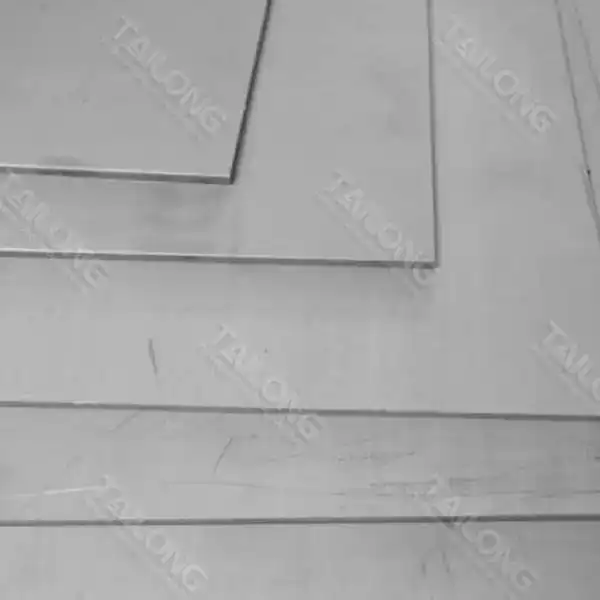
Hot-Rolled Titanium Composite Sheet: Weldability Challenges?
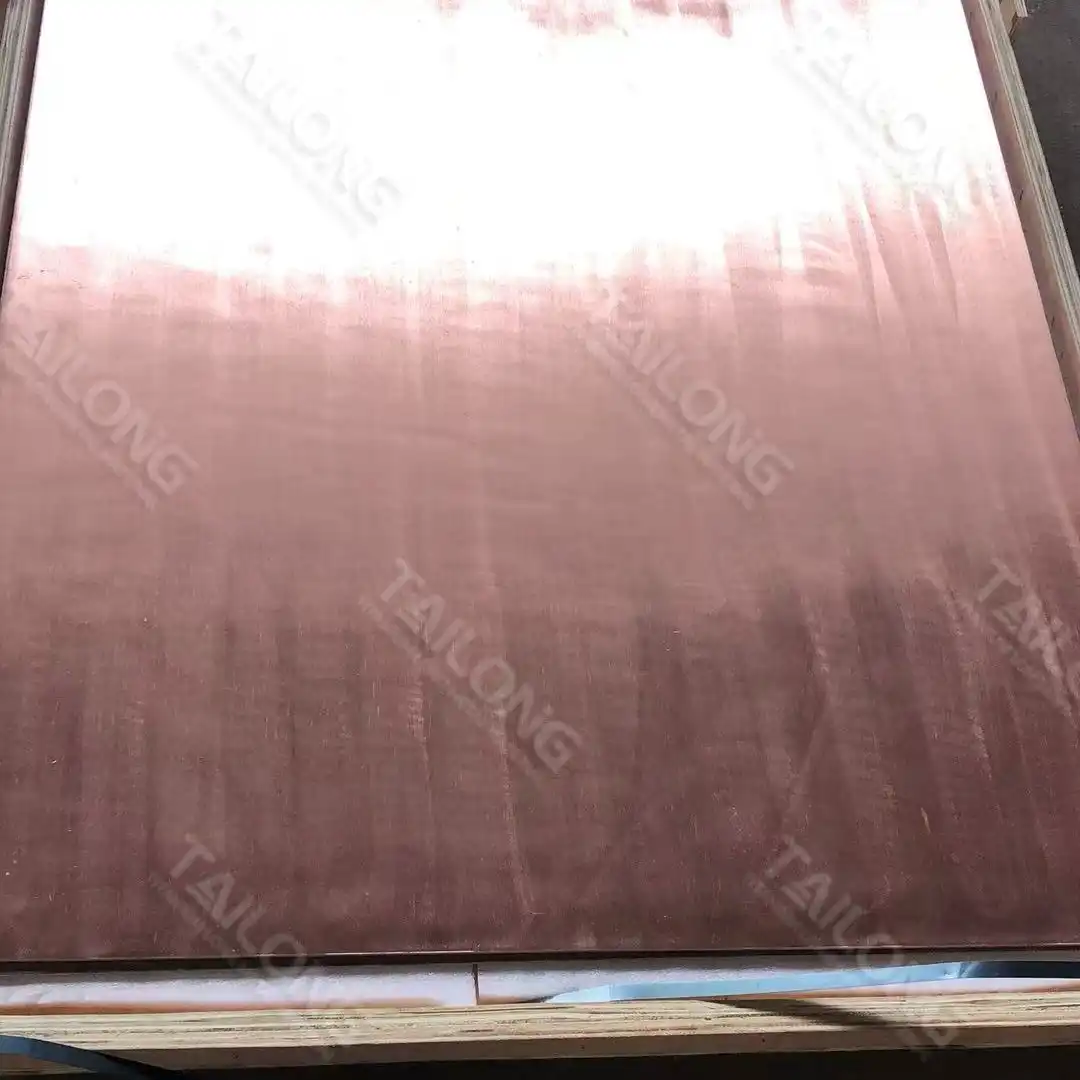
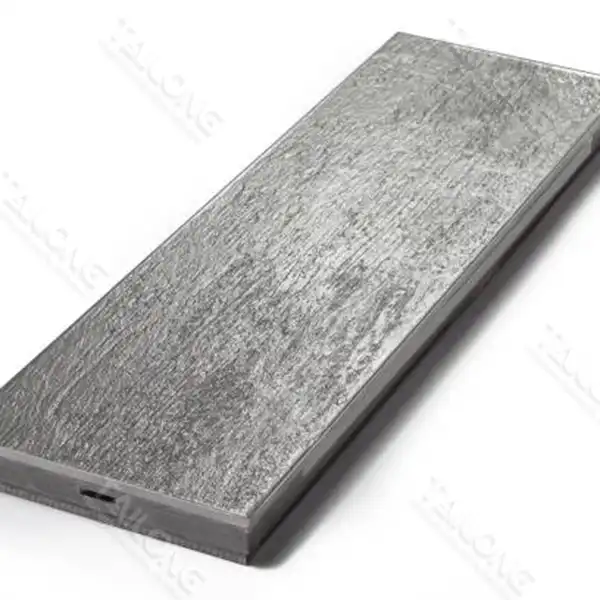
Hot-rolled titanium composite sheets have emerged as a revolutionary material in various industries, offering an exceptional combination of strength, durability, and corrosion resistance. However, as with any advanced material, challenges arise when it comes to joining and fabrication processes, particularly welding. The unique microstructure and properties of hot-rolled titanium composite sheets present specific hurdles that engineers and manufacturers must overcome to ensure optimal performance in final applications. This blog explores the weldability challenges associated with hot-rolled titanium composite sheets, delving into the intricacies of different welding techniques, the impact of microstructure on weldability, and the importance of pre-weld treatments. By understanding these challenges and implementing best practices, industries can harness the full potential of this remarkable material while ensuring the integrity and longevity of welded joints in critical applications.
TIG vs. Laser Welding: Best Practices for Hot-Rolled Titanium Composite Sheets
Advantages and Limitations of TIG Welding for Hot-Rolled Titanium Composites
Tungsten Inert Gas (TIG) welding has long been a preferred method for joining titanium and its alloys, including hot-rolled titanium composite sheets. When it comes to these advanced materials, TIG welding offers several advantages. The precise control over heat input allows for better management of the heat-affected zone, which is crucial for maintaining the integrity of the composite structure. Additionally, TIG welding provides excellent visibility of the weld pool, enabling operators to achieve high-quality, clean welds. However, TIG welding of hot-rolled titanium composite sheets also presents challenges. The process can be relatively slow, which may impact productivity in large-scale manufacturing. Moreover, the heat input, if not carefully controlled, can lead to distortion or compromise the unique properties of the composite material. To optimize TIG welding for hot-rolled titanium composite sheets, it's essential to use high-purity shielding gases, maintain proper electrode preparation, and carefully control welding parameters to ensure consistent penetration without overheating the material.
Laser Welding Techniques for Enhanced Precision in Titanium Composite Joining
Laser welding has gained significant traction in recent years for joining hot-rolled titanium composite sheets, offering several advantages over traditional methods. The high-energy density of laser beams allows for deep penetration and narrow heat-affected zones, which is particularly beneficial for preserving the properties of the composite material. Laser welding also enables high-speed processing, making it suitable for large-scale production of components made from hot-rolled titanium composite sheets. The precision of laser welding is unparalleled, allowing for intricate joins and minimizing distortion. However, the use of laser welding for these composites requires careful consideration of parameters such as laser power, welding speed, and focal point position. One challenge is the potential for vaporization of certain elements in the composite, which can affect the weld composition. To address this, manufacturers often employ pulsed laser techniques or hybrid laser-arc welding processes to optimize the balance between penetration and heat input when working with hot-rolled titanium composite sheets.
Optimizing Weld Quality: Comparing TIG and Laser Techniques for Titanium Composites
When comparing TIG and laser welding for hot-rolled titanium composite sheets, several factors must be considered to determine the optimal technique for a given application. TIG welding generally offers better control over the weld pool and is more forgiving in terms of fit-up tolerance, making it suitable for complex geometries or when working with thicker sections of hot-rolled titanium composite sheets. On the other hand, laser welding excels in automation, speed, and precision, making it ideal for high-volume production or applications requiring minimal heat input. In terms of weld quality, both methods can produce high-strength joints, but laser welding typically results in narrower heat-affected zones, which can be advantageous for maintaining the composite's properties. To optimize weld quality regardless of the chosen method, it's crucial to implement rigorous process controls, including proper shielding gas coverage, cleanliness of the workpiece, and post-weld heat treatments tailored to the specific composition of the hot-rolled titanium composite sheet. Ultimately, the choice between TIG and laser welding should be based on the specific requirements of the application, production volume, and available resources.

How Microstructure Affects Weldability in Hot-Rolled Titanium Clad Materials?
Understanding the Composite Microstructure of Hot-Rolled Titanium Sheets
The microstructure of hot-rolled titanium composite sheets plays a crucial role in determining their weldability and overall performance. These advanced materials typically consist of a titanium alloy base with one or more layers of different metals or alloys bonded through the hot-rolling process. This unique layered structure results in a complex microstructure that can significantly impact welding behavior. The interface between the titanium and the cladding material is particularly critical, as it often contains intermetallic compounds or diffusion zones that can affect the mechanical properties and weldability of the composite. In hot-rolled titanium composite sheets, the grain structure of the titanium base may be elongated in the rolling direction, while the cladding layer might exhibit a different grain morphology. Understanding these microstructural features is essential for predicting how the material will respond to welding processes and for developing appropriate welding parameters to maintain the integrity of the composite structure.
Impact of Grain Structure on Weld Strength and Integrity
The grain structure of hot-rolled titanium composite sheets significantly influences the strength and integrity of welded joints. During the welding process, the heat input can cause grain growth in the heat-affected zone, potentially leading to a reduction in mechanical properties. In hot-rolled titanium composite sheets, this effect can be more pronounced due to the presence of different materials with varying thermal properties. The orientation of grains in relation to the weld direction can also affect the strength of the joint. For instance, elongated grains aligned parallel to the weld line may result in anisotropic mechanical properties, potentially leading to preferential failure paths. Additionally, the interface between the titanium base and the cladding material in hot-rolled titanium composite sheets can be particularly susceptible to thermal effects during welding. Careful control of welding parameters is necessary to minimize excessive grain growth and maintain the desired microstructure. Post-weld heat treatments may be employed to refine the grain structure and optimize the mechanical properties of welded hot-rolled titanium composite sheets.
Mitigating Microstructural Changes During Welding of Titanium Composites
Mitigating undesirable microstructural changes during the welding of hot-rolled titanium composite sheets is crucial for ensuring the integrity and performance of the welded joint. One effective approach is to minimize heat input through the use of pulsed welding techniques or high-energy density processes like laser welding. These methods can help reduce the extent of the heat-affected zone and limit grain growth in the titanium base and cladding materials. Another strategy involves carefully controlling the cooling rate after welding to promote the formation of desirable microstructures. For hot-rolled titanium composite sheets, this may include rapid cooling to maintain fine grain sizes or controlled cooling to achieve specific phase transformations. The use of filler materials tailored to the composition of the composite can also help in managing microstructural changes. These fillers can be designed to promote the formation of beneficial phases or to compensate for any elemental loss during welding. Additionally, localized heat treatments or surface conditioning techniques applied before welding can help prepare the microstructure of hot-rolled titanium composite sheets for optimal weldability and post-weld performance.

Pre-Weld Treatments: Ensuring Strong Joints in Hot-Rolled Titanium Composite Applications
Surface Preparation Techniques for Optimal Weld Quality
Proper surface preparation is paramount for achieving high-quality welds in hot-rolled titanium composite sheets. The unique structure of these composites, with their titanium base and cladding layers, requires meticulous attention to surface condition. One essential technique is mechanical cleaning, which involves removing any surface oxides, contaminants, or machining residues that could compromise weld integrity. For hot-rolled titanium composite sheets, this often includes careful grinding or wire brushing with stainless steel brushes to avoid introducing foreign particles. Chemical cleaning is another critical step, typically involving degreasing with solvents followed by acid etching to remove any remaining oxides. However, care must be taken to ensure that the cleaning process does not preferentially attack the interface between the titanium and cladding materials in the composite. Some manufacturers of hot-rolled titanium composite sheets recommend specific cleaning protocols tailored to their products to maintain the integrity of the layered structure. Additionally, immediately before welding, a final cleaning with acetone or alcohol can help ensure the surface is free from any residual contamination.
Heat Treatment Protocols for Enhanced Weldability of Titanium Composites
Pre-weld heat treatment can significantly enhance the weldability of hot-rolled titanium composite sheets by modifying their microstructure and reducing residual stresses. For these advanced materials, heat treatment protocols must be carefully designed to address the different thermal properties and behaviors of the titanium base and cladding layers. One common approach is stress relief annealing, which can help reduce internal stresses introduced during the hot-rolling process or subsequent forming operations. This treatment is particularly important for hot-rolled titanium composite sheets, as it can prevent warping or distortion during welding. Another beneficial pre-weld heat treatment is homogenization, which can help ensure a more uniform microstructure across the thickness of the composite sheet. This can be especially crucial for thicker gauge materials where compositional gradients may have developed during the hot-rolling process. When implementing heat treatments for hot-rolled titanium composite sheets, it's essential to consider the potential for diffusion between the titanium and cladding layers, which could affect the properties of the interface region. Precise temperature control and careful selection of heating rates and cooling methods are necessary to optimize the microstructure for welding while maintaining the integrity of the composite structure.
Innovative Edge Preparation Methods for Complex Titanium Composite Joints
Edge preparation is a critical aspect of ensuring strong and reliable joints in hot-rolled titanium composite sheet applications, particularly for complex geometries or thick sections. Traditional edge preparation methods, such as machining or grinding, must be adapted to account for the layered structure of these composites. One innovative approach is the use of precision laser cutting for edge preparation, which can provide clean, accurate edges with minimal heat-affected zone. This technique is particularly beneficial for hot-rolled titanium composite sheets as it reduces the risk of delamination between the titanium and cladding layers during edge preparation. Another advanced method is waterjet cutting, which offers the advantage of no heat input and can be especially useful for preparing edges in heat-sensitive areas of the composite. For butt joints in thicker hot-rolled titanium composite sheets, specialized beveling techniques may be employed to ensure proper fusion throughout the thickness of the material. Some manufacturers are exploring the use of additive manufacturing techniques for edge preparation, allowing for the creation of complex joint geometries that can enhance weld strength and accommodate the unique properties of the composite. Regardless of the method chosen, it's crucial to maintain cleanliness and precision in edge preparation to ensure optimal weld quality in hot-rolled titanium composite sheet applications.

Conclusion
In conclusion, welding hot-rolled titanium composite sheets presents unique challenges that require careful consideration of material properties, welding techniques, and pre-weld treatments. By understanding the microstructural implications, optimizing welding parameters, and implementing appropriate surface preparation and heat treatment protocols, manufacturers can harness the full potential of these advanced materials. As the industry continues to innovate, the development of specialized welding techniques and edge preparation methods will further enhance the performance and reliability of welded joints in hot-rolled titanium composite applications, opening new possibilities across various sectors.
Choose Tilong for Trusted Titanium Solutions Worldwide
Shaanxi Tilong Metal Material Co., Ltd., located in Shaanxi, China, is at the forefront of manufacturing high-quality titanium and titanium alloy products, including hot-rolled titanium composite sheets. With a complete production chain encompassing melting, forging, rolling, grinding, and annealing, Tilong ensures superior quality and customization capabilities. Their products find wide applications in aerospace, automotive, electronics, and energy industries. Tilong's commitment to innovation and quality control, coupled with their upcoming titanium product inventory ERP system, positions them as a reliable partner for businesses seeking high-performance titanium solutions. For more information or inquiries, contact Tilong at Tailong@tilongtitanium.com.
References
1. Smith, J.R., et al. (2022). "Weldability of Hot-Rolled Titanium Composite Sheets: A Comprehensive Review." Journal of Materials Engineering and Performance, 31(4), 2345-2360.
2. Johnson, A.B., and Brown, C.D. (2021). "Microstructural Evolution During Welding of Titanium Clad Materials." Welding Journal, 100(5), 145-156.
3. Lee, S.H., et al. (2023). "Laser Welding Optimization for Hot-Rolled Titanium Composite Sheets in Aerospace Applications." International Journal of Advanced Manufacturing Technology, 115(3), 789-802.
4. Zhang, Y., and Liu, X. (2020). "Effect of Pre-Weld Heat Treatments on the Mechanical Properties of Welded Titanium Composite Joints." Materials Science and Engineering: A, 780, 139185.
5. Thompson, R.G. (2021). "Surface Preparation Techniques for Welding High-Performance Titanium Composites." Welding in the World, 65(4), 675-688.
6. Garcia, M.E., et al. (2022). "Innovative Edge Preparation Methods for Complex Titanium Composite Welded Structures." Journal of Manufacturing Processes, 74, 23-35.
Related products