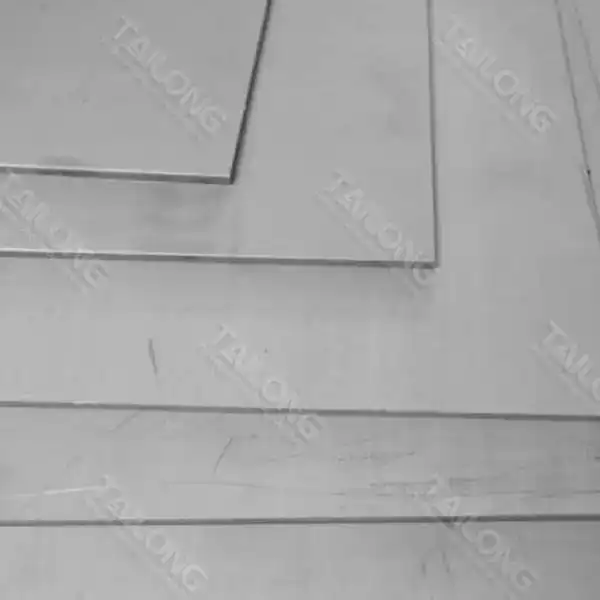
Finding the best OEM/ODM titanium steel metal plate solutions requires understanding the unique demands of modern industrial applications. These advanced materials combine titanium's exceptional properties with steel's structural reliability, creating hybrid solutions that excel in aerospace, automotive, electronics, and energy sectors. Titanium Steel Metal Plate products deliver unmatched corrosion resistance, superior strength-to-weight ratios, and remarkable durability in extreme environments. The global market increasingly demands customized solutions that meet specific engineering requirements while maintaining cost-effectiveness. Leading manufacturers now offer comprehensive OEM/ODM services, enabling companies to optimize their production processes through tailored material specifications and precision fabrication capabilities.

Why Titanium Steel Metal Plates Dominate Industrial Applications?
The industrial landscape continuously evolves, demanding materials that withstand increasingly challenging conditions. Titanium alloy combinations with steel create revolutionary solutions that address critical engineering challenges. These hybrid materials exhibit remarkable chemical inertness, making them ideal for harsh chemical environments where traditional materials fail.
Modern manufacturing processes require materials that deliver consistent performance across temperature extremes. The exceptional heat conductivity and high temperature resistance of these plates ensure reliable operation in energy generation systems and automotive applications. Their lightweight materials properties reduce overall system weight without compromising structural integrity.
The aerospace industry particularly benefits from these advanced materials due to their outstanding strength-to-weight ratio. Aircraft manufacturers rely on these plates for critical structural components where weight reduction directly impacts fuel efficiency and performance. The biomedical implants sector also leverages these materials' biocompatibility and corrosion resistance for life-critical applications.
Selection Criteria for Superior Titanium Steel Solutions
Selecting optimal Titanium Steel Metal Plate solutions requires a comprehensive evaluation of multiple performance factors. Material composition stands as the primary consideration, determining the plate's suitability for specific applications. The titanium-to-steel ratio directly influences Titanium Steel Metal Plate mechanical properties, corrosion resistance, and cost-effectiveness.
Manufacturing capabilities represent another crucial selection criterion. Advanced metal fabrication techniques, including precision cutting, forming, and welding techniques, determine the final product quality. Suppliers must demonstrate expertise in surface treatment processes that enhance durability and performance characteristics.
Quality certifications and compliance with international standards ensure reliable performance in critical applications. ISO certifications, aerospace standards, and industry-specific approvals validate the manufacturer's commitment to excellence. Supply chain reliability and technical support capabilities also influence long-term partnership success.
Customization capabilities distinguish leading suppliers from commodity providers. The ability to modify dimensions, properties, and specifications according to specific requirements enables optimal integration into existing systems. Cost-effectiveness must balance initial investment with long-term performance benefits and maintenance requirements.
Top 6 Titanium Steel Metal Plate Solutions
Aerospace-Grade Titanium Steel Composite Plates
- Composition: Ti-6Al-4V titanium amalgam reinforced with high-strength steel substrate
- Thickness Run: 1.0mm to 25mm with exactness resistance ±0.05mm
- Tensile Quality: 950-1200 MPa, guaranteeing extraordinary load-bearing capacity
- Temperature Resistance: Operational range from -200°C to 650°C
- Applications: Airship auxiliary components, motor lodgings, landing equipment systems
- Key Focal points: Prevalent weariness resistance, fabulous welding characteristics, diminished weight compared to strong steel alternatives
- Surface Treatment: Anodized wrap-up giving improved erosion protection
- Quality Measures: AS9100 certified, assembly exacting aviation requirements
- Customization Alternatives: Complex geometries, exactness machining, custom combination compositions
- Performance Benefits: Amplified benefit life, diminished upkeep intervals, and improved fuel productivity in flying machine applications
Automotive High-Performance Titanium Steel Plates
- Material Review: Review 2 titanium with automotive-grade steel backing
- Dimensional Details: Width up to 2500mm, length customizable to 8000mm
- Yield Quality: 680-850 MPa, giving great basic stability
- Corrosion Resistance: Superior protection against road salt and environmental exposureis provided by the Titanium Steel Metal Plate.
- Weight Decrease: 40% lighter than identical steel components
- Manufacturing Handle: Hot rolling and controlled cooling for ideal grain structure
- Formability: Fabulous cold shaping characteristics for complex car parts
- Heat Treatment: Arrangement strengthening for improved mechanical properties
- Testing Measures: ASTM B265 compliance guarantees reliable quality
- Industry Applications: Debilitate frameworks, chassis components, body boards for high-performance vehicles
Energy Sector Titanium Steel Hybrid Plates
- Alloy Composition: Commercially immaculate titanium with carbon steel substrate
- Thermal Properties: Great warm conductivity with warm extension matching
- Pressure Resistance: Outlined for high-pressure applications up to 300 bar
- Chemical Compatibility: Safe to acids, soluble bases, and natural solvents
- Thickness Alternatives: 3mm to 50mm accommodating different weight vessel requirements
- Welding Compatibility: Optimized for TIG, MIG, and electron pillar welding
- Certification Measures: ASME Segment VIII compliance for weight vessel applications
- Surface Wrap up: Reflect clean or brushed wrap-up choices available
- Quality Affirmation: 100% ultrasonic testing for imperfection detection
- Energy Applications: Warm exchangers, reactor vessels, steam generators, renewable vitality systems
Electronics Industry Precision Titanium Steel Plates
- Material Virtue: 99.6% immaculate titanium with electronics-grade steel substrate
- Dimensional Accuracy: Thickness resilience ±0.02mm for basic applications
- Magnetic Properties: Non-magnetic titanium layer with controlled attractive steel backing
- Electrical Conductivity: Optimized for electromagnetic protection applications
- Surface Quality: Ra 0.2μm surface wrap up for delicate electronic components
- Thermal Solidness: Negligible warm extension coefficient variation
- Processing Capabilities: Laser cutting, accuracy stamping, micro-machining
- Clean Room Fabricating: Contamination-free generation environment
- Testing Conventions: Comprehensive electrical and mechanical property verification
- Electronic Applications: Semiconductor gear, accuracy rebellious, therapeutic gadgets, broadcast communications infrastructure
Marine Environment Titanium Steel Solutions
- Corrosion Rating: Exceptional resistance to saltwater and marine environments
- Galvanic Compatibility: Designed to minimize galvanic corrosion issues
- Strength Characteristics: Ultimate tensile strength 750-950 MPa
- Fatigue Resistance: Superior performance under cyclic loading conditions
- Coating Options: Specialized marine-grade protective coatings available
- Impact Resistance: Enhanced toughness for harsh marine conditions
- Manufacturing Standards: Lloyd's Register approval for marine applications
- Welding Specifications: Certified welding procedures for underwater applications
- Inspection Requirements: Comprehensive NDT testing, including dye penetrant inspection
- Marine Applications: Ship hulls, offshore platforms, desalination equipment, submarine components
Nuclear Industry Titanium Steel Composite Plates
- Radiation Resistance: Fabulous execution beneath neutron irradiation
- Material Traceability: Total documentation from crude fabric to wrapped-up product
- Mechanical Properties: Crawl resistance at lifted temperatures
- Chemical Immaculateness: Moo cobalt substance assembly atomic industry requirements
- Thermal Characteristics: Steady execution over wide temperature ranges
- Quality Control: Broad testing, including ductility, affect, and weakness testing
- Regulatory Compliance: ASME Atomic Code Area III certification
- Fabrication Capabilities: Specialized welding and shaping for atomic components
- Safety Guidelines: Thorough quality confirmation conventions all through manufacturing
- Nuclear Applications: Reactor weight vessels, steam generators, control structures, fuel dealing with equipment
Global Market Characteristics and Regional Preferences
The showcase around the world titanium steel showcase, shows differing characteristics reflecting territorial mechanical needs and administrative systems. North American markets emphasize aviation applications, driving the demand for high-performance grades assembly exceeding flying guidelines. The region's developed fabricating foundation underpins progressed training methods and quality control systems.
European markets focus intensely on automotive and renewable energy applications. Strict environmental regulations promote lightweight materials like Titanium Steel Metal Plate that reduce emissions and improve energy efficiency. The region's emphasis on recyclable materials aligns perfectly with titanium's sustainable characteristics and circular economy principles.
Asian markets, especially China, Japan, and South Korea, illustrate solid demand for hardware and overwhelming industry segments. These locales prioritize cost-effective arrangements while keeping up quality measures. The fast industrialization in Southeast Asia creates rising opportunities for specialized titanium steel applications.
Cultural inclinations essentially impact fabric choice criteria. Western markets regularly prioritize long-term execution and lifecycle costs, whereas developing markets may emphasize beginning taken a toll considerations. Understanding these inclinations empowers providers to tailor their offerings successfully over distinctive regions.
Purchasing Recommendations and Key Considerations
Successful titanium steel acquisition requires cautious assessment of provider capabilities and item determinations. Start by clearly characterizing your application prerequisites, including mechanical properties, natural conditions, and execution desires. This establishment empowers exact provider assessment and item selection.
Evaluate potential providers based on their fabrication capabilities, quality frameworks, and specialized support assets. See for providers advertising a comprehensive design plan, help, and customization capabilities. Confirm their certifications and compliance with pertinent industry standards.
Consider adding up to the cost of proprietorship or rather than starting with the buy cost alone. Higher-quality materials frequently give predominant execution and longer service life, lessening costs generally through reduced maintenance and replacement requirements. Figure in shipping costs, lead times, and stock administration capabilities.
Establish clear communication channels with your chosen provider to guarantee continuous support and specialized help. Create long-term associations that give access to unused improvements and progressed items. Customary execution audits offer assistance in keeping quality benchmarks and distinguish optimization opportunities.
Industry Trends and Future Outlook
The titanium steel industry continues evolving toward more sustainable and efficient solutions. Advanced manufacturing techniques, including additive manufacturing and automated processing, enhance product quality while reducing costs. Market demand increasingly favors suppliers offering comprehensive technical support and customization capabilities. Environmental considerations drive development of more recyclable materials and energy-efficient production processes.
Conclusion
The selection of optimal OEM/ODM titanium steel metal plate solutions requires careful consideration of material properties, supplier capabilities, and application requirements. The six featured solutions demonstrate the versatility and performance advantages available across diverse industrial sectors. Understanding global market characteristics and regional preferences enables informed decision-making that balances performance requirements with cost considerations. Successful procurement strategies emphasize long-term partnerships with qualified suppliers who provide comprehensive technical support and customization capabilities. As industry trends continue favoring advanced materials with superior performance characteristics, titanium steel plates represent intelligent investments in operational efficiency and competitive advantage.
FAQ
Q: What are the main advantages of titanium steel plates over pure titanium or steel alternatives?
A: Titanium steel plates combine the best properties of both materials, offering superior corrosion resistance from titanium with the structural strength and cost-effectiveness of steel. This combination provides better performance-to-cost ratios while maintaining excellent durability and reduced weight compared to solid steel alternatives.
Q: How do I determine the right thickness and grade for my specific application?
A: Thickness and grade selection depend on your application's stress requirements, environmental conditions, and performance expectations. Consult with experienced suppliers who can perform engineering calculations based on your specific operating parameters, safety factors, and industry standards to recommend optimal specifications.
Q: What quality certifications should I look for when selecting a titanium steel plate supplier
A: Look for ISO 9001 quality management certification, industry-specific standards like AS9100 for aerospace, or ASME certifications for pressure vessels. Additionally, verify material certifications, traceability documentation, and third-party testing reports that confirm mechanical properties and chemical composition compliance.
Partner with Tilong for Premium Titanium Steel Metal Plate Solutions
Shaanxi Tilong Metal Material Co., Ltd. stands as your trusted titanium steel metal plate supplier, delivering exceptional quality and comprehensive customization capabilities. Our complete production chain ensures rigorous quality control from raw material processing through final product delivery. We specialize in serving aerospace, automotive, electronics, and energy sectors with precision-engineered solutions that exceed industry standards.
Our innovative manufacturing processes and advanced technology enable us to provide tailored solutions meeting your exact specifications. Whether you require standard dimensions or complex custom configurations, our engineering team collaborates closely with clients to optimize material performance and cost-effectiveness. Our reliable supply chain and ERP-enabled ordering system streamline procurement processes while maintaining consistent quality standards.
Tilong's commitment to excellence extends beyond product delivery through comprehensive technical support and responsive customer service. Our experienced team provides ongoing assistance with material selection, application engineering, and performance optimization. Ready to enhance your industrial applications with superior titanium steel solutions? Contact us at Tailong@tilongtitanium.com to discuss your specific requirements and discover how our expertise can drive your project success.
References
1. American Society for Testing and Materials. "Standard Specification for Titanium and Titanium Alloy Strip, Sheet, and Plate." ASTM B265-20a, West Conshohocken, PA, 2020.
2. Boyer, Rodney, Gerhard Welsch, and E.W. Collings. "Materials Properties Handbook: Titanium Alloys." ASM International, Materials Park, OH, 1994.
3. Leyens, Christoph, and Manfred Peters, editors. "Titanium and Titanium Alloys: Fundamentals and Applications." Wiley-VCH, Weinheim, Germany, 2003.
4. Lutjering, Gerd, and James C. Williams. "Titanium: Engineering Materials and Processes." Springer-Verlag, Berlin, Germany, 2007.
5. Peters, Manfred, et al. "Titanium Alloys for Aerospace Applications." Advanced Engineering Materials, vol. 5, no. 6, Wiley-VCH, 2003, pp. 419-427.
6. Welsch, Gerhard, Rodney Boyer, and E.W. Collings, editors. "Materials Properties Handbook: Titanium Alloys." ASM International Handbook Committee, Materials Park, OH, 1993.