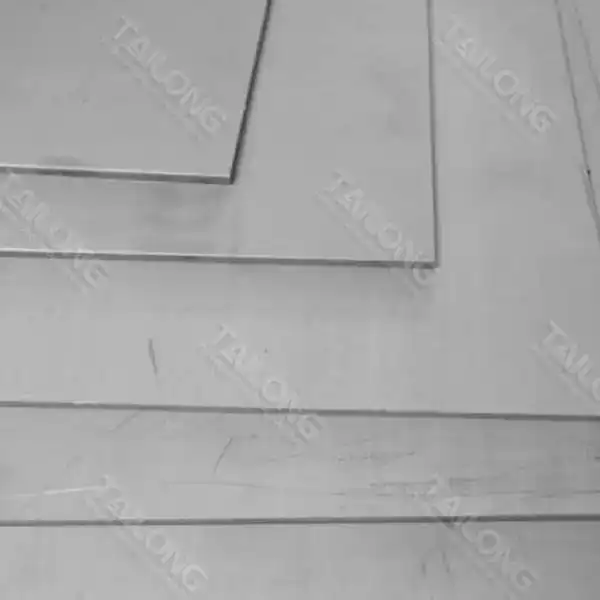
Clad Titanium Copper Plate represents the pinnacle of metallurgical engineering for electrolytic cell applications. This innovative bimetallic plate combines titanium's exceptional corrosion resistance with copper's superior electrical conductivity, creating an unmatched solution for electrochemical processes. The metallurgical bonding between these metals delivers structural integrity while maintaining optimal performance in harsh industrial environments. Industries worldwide recognise this composite material as the gold standard for electrolytic applications, where traditional materials simply cannot withstand the demanding operational conditions.
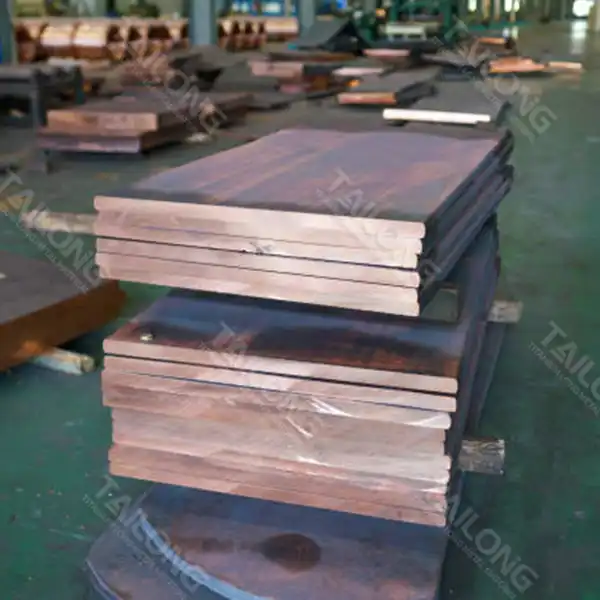
Selection Criteria for Optimal Electrolytic Cell Materials
Choosing the perfect fabric for electrolytic cells requires cautious assessment of numerous execution components. Electrical conductivity stands as the essential thought, specifically affecting vitality effectiveness and operational costs. Materials must keep up reliable conductivity all through their benefit life, indeed beneath forceful working conditions.
Corrosion resistance speaks to another basic calculate, especially in applications including acidic or soluble electrolytes. The material's capacity to stand up to chemical assault decides support recurrence and in general framework unwavering quality. Metal manufacture methods utilized in generation too impact the last product's execution characteristics and dimensional stability.
Mechanical properties counting ductile quality, surrender quality, and weariness resistance guarantee basic astuteness beneath operational stretch. The fabric must withstand warm cycling, mechanical vibration, and electrochemical stretch without debasement. Welding strategies compatibility gets to be fundamental for establishment and support procedures.
Cost-effectiveness envelops both introductory fabric costs and lifecycle costs. Whereas premium materials may require higher forthright speculation, their expanded benefit life frequently comes about in lower add up to possession costs. Accessibility and lead times moreover figure into fabric choice, especially for basic applications requiring negligible downtime.
Top 5 Clad Titanium Copper Plate Solutions for Electrolytic Applications
Grade 1 Titanium-Copper Composite Plate
This premium composite material combines commercially pure Grade 1 titanium with high-conductivity copper through advanced metal cladding processes. The resulting Clad Titanium Copper Plate bimetallic plate offers exceptional corrosion resistance while maintaining optimal electrical performance. The titanium layer provides superior chemical resistance against aggressive electrolytes, while the copper substrate ensures minimal electrical losses.
Manufacturing includes dangerous holding or roll holding procedures that make a lasting metallurgical bond between the two metals. This handle kills delamination dangers common with mechanically joined materials. The interface quality regularly surpasses 200 MPa, guaranteeing solid execution beneath warm cycling conditions.
Applications incorporate cathode substrates in aluminum generation, electroplating frameworks, and chlor-alkali forms. The material's solidness diminishes substitution recurrence by up to 300% compared to conventional copper anodes. Thickness combinations run from 1mm titanium on 10mm copper to custom arrangements coordinating particular application requirements.
The lightweight nature decreases auxiliary stacking whereas keeping up electrical execution. Establishment costs diminish due to disentangled taking care of methods and decreased back structure prerequisites. Surface medicines can be connected to either layer, improving particular execution characteristics for focused on applications.
Grade 2 Titanium-Copper Engineered Plate
Grade 2 titanium offers upgraded quality characteristics whereas keeping up great erosion resistance properties. This mechanical application centered arrangement gives expanded mechanical strength for requesting electrolytic situations. The marginally higher quality titanium review withstands higher mechanical push levels without compromising chemical resistance.
The building prepare optimizes the thickness proportion between titanium and copper layers based on particular operational necessities. Warm extension coefficients are carefully coordinated to minimize stretch concentrations amid temperature varieties. This consideration to warm compatibility expands benefit life essentially compared to jumbled fabric combinations.
Electroplating applications advantage from the improved mechanical properties amid high-current thickness operations. The fabric stands up to distorting and dimensional changes that compromise cathode situating and current dissemination. Quality control forms guarantee steady holding quality over expansive plate dimensions.
Manufacturing capabilities incorporate custom shaping and machining operations to make complex geometries. The fabric reacts well to routine metal manufacture strategies counting cutting, boring, and shaping. Welding methods have been created for field establishment and repair applications.
High-Conductivity Copper Core Titanium Clad Plate
This specialized setup maximizes electrical conductivity through an expanded copper center thickness whereas keeping up fundamental erosion assurance. The plan reasoning prioritizes electrical productivity for high-current applications where control misfortunes specifically affect operational costs. Progressed sheet metal handling procedures guarantee uniform thickness and predominant surface finish.
The copper center utilizes oxygen-free copper grades accomplishing conductivity levels surpassing 95% IACS (Universal Tempered Copper Standard). This remarkable electrical execution interprets to decreased vitality utilization and made strides handle proficiency. Warm scattering capabilities too move forward due to copper's prevalent warm conductivity properties.
Manufacturing forms incorporate exactness rolling and controlled environment holding to avoid oxidation at the interface. The coming about composite fabric shows fabulous levelness and dimensional soundness basic for huge terminal gatherings. Quality affirmation incorporates ultrasonic testing to confirm bond keenness all through the plate.
Applications span electrowinning operations, electrolytic refining, and water treatment frameworks requiring tall current densities. The material's warm administration capabilities demonstrate especially important in persistent operation situations where warm buildup influences handle efficiency.
Aerospace-Grade Titanium Copper Composite
Developed utilizing aviation industry guidelines, this premium composite fabric offers the most elevated execution characteristics accessible. The fabricating handle joins exacting quality controls and progressed testing methods guaranteeing steady fabric properties. Amalgam composition optimization gives upgraded execution over different operational parameters.
The titanium layer utilizes specialized preparing strategies that improve surface characteristics for made strides electrochemical execution. Grain structure control amid fabricating optimizes both mechanical and electrical properties. The coming about fabric shows predominant weakness resistance basic for applications including electrical cycling.
Testing conventions incorporate quickened erosion testing, electrical conductivity confirmation, and mechanical property approval. Each bunch experiences comprehensive quality affirmation methods guaranteeing compliance with aviation industry measures. Traceability documentation goes with each shipment for applications requiring fabric certification.
The upgraded mechanical properties empower more slender plans without compromising basic astuteness. This weight lessening advantage demonstrates especially important in applications where auxiliary stacking restrictions exist. The material's unwavering quality record in aviation applications illustrates remarkable toughness beneath extraordinary conditions.
Custom Engineered Titanium-Copper Solution
Tailored composite materials planned to meet particular application prerequisites speak to the extreme in execution optimization. The designing handle starts with nitty gritty application examination counting working conditions, execution necessities, and establishment imperatives. Fabric properties are at that point optimized to convey most extreme esteem for the expecting application.
Design flexibility of the Clad Titanium Copper Plate allows optimization of layer thicknesses, surface treatments, and dimensional specifications. The engineering team works closely with clients to understand unique operational challenges and develop targeted Clad Titanium Copper Plate solutions. Computer modeling predicts Clad Titanium Copper Plate performance characteristics before manufacturing, ensuring optimal results.
Manufacturing capabilities incorporate specialized shaping operations, custom surface medicines, and exactness machining. Quality control methods are adjusted to particular application necessities guaranteeing all basic parameters meet determinations. Testing conventions can be customized to mimic real working conditions.
This approach conveys materials superbly coordinated to application prerequisites, maximizing execution whereas minimizing costs. The building back proceeds through establishment and commissioning stages, guaranteeing ideal framework execution. Long-term execution observing gives information for nonstop enhancement initiatives.
Global Market Characteristics and Regulatory Considerations
The worldwide electrolytic cell market demonstrates significant regional variations in material preferences and regulatory requirements. European markets emphasize environmental compliance and energy efficiency, driving demand for advanced composite materials that reduce power consumption. Asian markets focus on cost-effectiveness while maintaining acceptable performance levels.
North American regulations prioritize workplace safety and environmental protection, influencing material selection toward corrosion-resistant options that minimize maintenance exposure. The regulatory landscape continues evolving with increasing emphasis on sustainability and lifecycle environmental impact.
International standards organizations have developed guidelines for electrolytic cell materials, though regional interpretations vary significantly. Material certification requirements differ across markets, necessitating flexible manufacturing approaches that accommodate diverse compliance needs. Cultural preferences also influence material selection, with some regions favoring proven technologies while others embrace innovative solutions.
Supply chain considerations vary globally, with some regions prioritizing local sourcing while others focus on material quality regardless of origin. Currency fluctuations impact material costs, making long-term supply agreements increasingly important for cost predictability.
Purchasing Recommendations and Key Considerations
When evaluating composite materials like Clad Titanium Copper Plate for electrolytic applications, prioritize suppliers with demonstrated expertise in metallurgical bonding techniques. Verify manufacturing capabilities for Clad Titanium Copper Plate through facility audits and quality system assessments. Request Clad Titanium Copper Plate material samples for evaluation under actual operating conditions before committing to large purchases.
Consider lifecycle costs rather than initial material prices when making purchasing decisions. Higher-performance materials often provide superior value through extended service life and reduced maintenance requirements. Evaluate supplier technical support capabilities, particularly for custom applications requiring engineering assistance.
Establish clear performance specifications including electrical conductivity requirements, corrosion resistance standards, and mechanical property minimums. Require material certifications and test data documenting compliance with specifications. Consider supplier financial stability and supply chain reliability for critical applications.
Negotiate flexible delivery schedules accommodating maintenance windows and operational requirements. Establish quality agreements defining acceptance criteria and testing procedures. Consider long-term supply agreements for price stability and guaranteed availability.
Industry Trends and Summary
The electrolytic cell industry continues evolving toward higher efficiency and reduced environmental impact. Advanced composite materials play a crucial role in achieving these objectives through improved electrical performance and extended service life. Market trends indicate growing acceptance of premium materials that deliver superior lifecycle value despite higher initial costs. The integration of digital monitoring systems with advanced materials enables predictive maintenance strategies that optimize replacement timing and minimize operational disruptions.
Conclusion
The selection of appropriate electrode materials significantly impacts electrolytic cell performance, operational costs, and maintenance requirements. Clad titanium copper plates offer an optimal combination of electrical conductivity, corrosion resistance, and mechanical durability that traditional materials cannot match. The five solutions discussed provide options suitable for diverse applications while delivering superior lifecycle value.
Global market trends favor advanced composite materials that enhance efficiency while reducing environmental impact. Careful evaluation of supplier capabilities, material specifications, and lifecycle costs ensures optimal purchasing decisions. The investment in premium electrode materials typically pays dividends through reduced maintenance costs, improved energy efficiency, and extended service life.
FAQ
Q1: How does the bonding strength between titanium and copper layers affect long-term performance?
A: The metallurgical bonding strength directly impacts material reliability and service life. Properly bonded interfaces exhibit shear strengths exceeding 200 MPa, ensuring no delamination under normal operating conditions. Advanced bonding techniques create atomic-level bonds that withstand thermal cycling and mechanical stress throughout the material's service life.
Q2: What maintenance procedures are required for clad titanium copper electrodes?
A: Routine maintenance involves visual inspection for surface damage and electrical connection integrity verification. The corrosion-resistant titanium surface typically requires minimal cleaning compared to traditional materials. Electrical resistance measurements help monitor performance degradation, while thermal imaging can identify hotspots indicating connection problems.
Q3: How do thermal expansion differences between titanium and copper affect performance?
A: Proper manufacturing techniques accommodate thermal expansion differences through controlled stress relief and optimized thickness ratios. The bonding process creates a transition zone that manages thermal stress effectively. Operating temperature ranges up to 500°C are achievable with appropriate design considerations and installation procedures.
Partner with Tilong for Superior Clad Titanium Copper Plate Solutions
Selecting the right clad titanium copper plate manufacturer transforms your electrolytic cell operations through enhanced performance and reduced maintenance costs. Shaanxi Tilong Metal Material Co., Ltd. combines decades of metallurgical expertise with advanced manufacturing capabilities to deliver solutions that exceed industry standards.
Our comprehensive approach begins with detailed application analysis and continues through material engineering, manufacturing, and ongoing technical support. The ERP-enabled ordering system streamlines procurement while ensuring precise delivery scheduling that minimizes operational disruptions. Quality control procedures verified through international certifications guarantee consistent material properties across every shipment.
Tilong's full industry chain integration advantages enable cost-effective solutions without compromising quality. Leading technological innovation capabilities deliver customized materials engineered for your specific operational requirements. The fast and efficient customer response mechanism ensures technical questions receive prompt, expert answers from our engineering team.
Experience the difference that superior materials and expert support make in your electrolytic cell operations. Our team stands ready to analyze your requirements and recommend optimal solutions that deliver measurable performance improvements. contact us atTailong@tilongtitanium.com to discuss your clad titanium copper plate supplier needs and discover how our expertise can enhance your operational efficiency.