- English
- French
- German
- Portuguese
- Spanish
- Russian
- Japanese
- Korean
- Arabic
- Greek
- German
- Turkish
- Italian
- Danish
- Romanian
- Indonesian
- Czech
- Afrikaans
- Swedish
- Polish
- Basque
- Catalan
- China
- Taiwan China
- Esperanto
- Hindi
- Lao
- Albanian
- Amharic
- Armenian
- Azerbaijani
- Belarusian
- Bengali
- Bosnian
- Bulgarian
- Cebuano
- Chichewa
- Corsican
- Croatian
- Dutch
- Estonian
- Filipino
- Finnish
- Frisian
- Galician
- Georgian
- Gujarati
- Haitian
- Hausa
- Hawaiian
- Hebrew
- Hmong
- Hungarian
- Icelandic
- Igbo
- Javanese
- Kannada
- Kazakh
- Khmer
- Kurdish
- Kyrgyz
- Latin
- Latvian
- Lithuanian
- Luxembou..
- Macedonian
- Malagasy
- Malay
- Malayalam
- Maltese
- Maori
- Marathi
- Mongolian
- Burmese
- Nepali
- Norwegian
- Pashto
- Persian
- Punjabi
- Serbian
- Sesotho
- Sinhala
- Slovak
- Slovenian
- Somali
- Samoan
- Scots Gaelic
- Shona
- Sindhi
- Sundanese
- Swahili
- Tajik
- Tamil
- Telugu
- Thai
- Ukrainian
- Urdu
- Uzbek
- Vietnamese
- Welsh
- Xhosa
- Yiddish
- Yoruba
- Zulu
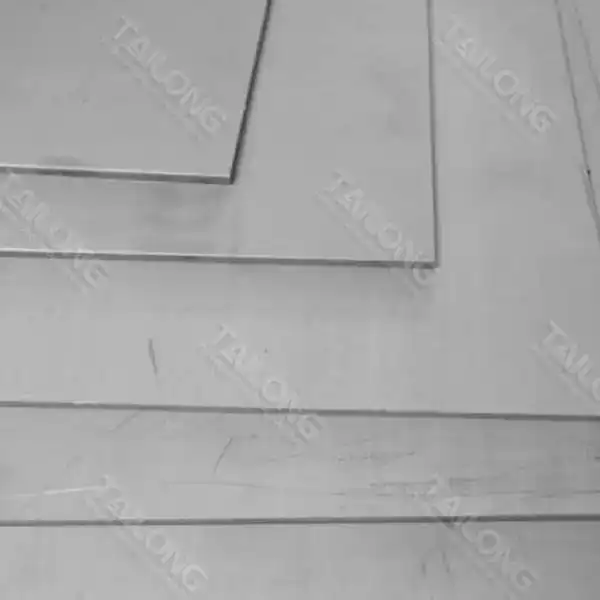
Why Choose Titanium Welded Pipe for Harsh Chemical Environments?
In the world of industrial processing, chemical manufacturing, and petrochemical applications, the choice of piping material can make or break the efficiency and longevity of operations. When faced with harsh chemical environments, engineers and facility managers are increasingly turning to titanium welded pipes as their go-to solution. But why is this material gaining such traction in these demanding settings? Titanium welded pipes offer an unparalleled combination of strength, corrosion resistance, and durability that outperforms traditional materials in aggressive chemical environments. This blog post will delve into the reasons behind the growing popularity of titanium welded pipes, exploring their unique properties, cost-effectiveness, and optimal installation practices. By the end, you'll understand why titanium welded pipes are becoming the material of choice for those seeking reliable, long-lasting solutions in the most challenging industrial applications.
Corrosion Resistance: Titanium vs. Traditional Materials
Superior Chemical Resistance
Titanium welded pipes stand out from traditional materials due to their exceptional chemical resistance. In harsh environments where corrosive substances are prevalent, titanium forms a stable, protective oxide layer on its surface, effectively shielding the pipe from further corrosion. This self-healing property allows titanium welded pipes to maintain their integrity even when exposed to aggressive chemicals like chlorides, sulfuric acid, and hydrochloric acid. Unlike stainless steel or carbon steel pipes that may corrode or degrade over time, titanium welded pipes remain virtually unaffected, ensuring a longer service life and reduced maintenance requirements. The superior chemical resistance of titanium welded pipes makes them an ideal choice for applications in chemical processing plants, offshore oil and gas platforms, and desalination facilities where exposure to corrosive media is constant.
Resistance to Pitting and Crevice Corrosion
One of the most significant advantages of titanium welded pipes in harsh chemical environments is their exceptional resistance to pitting and crevice corrosion. These types of localized corrosion can be particularly problematic in industrial settings, as they can lead to sudden and catastrophic failures if left unchecked. Titanium welded pipes, however, exhibit remarkable resistance to these forms of corrosion, even in environments with high chloride concentrations or fluctuating pH levels. This resistance is due to the stable passive film that forms on the titanium surface, which remains intact even under severe conditions. As a result, titanium welded pipes maintain their structural integrity and performance over extended periods, reducing the risk of unexpected failures and minimizing downtime in critical processes.
Temperature and Pressure Performance
Titanium welded pipes not only excel in their corrosion resistance but also demonstrate superior performance under extreme temperature and pressure conditions. In harsh chemical environments, where temperatures can fluctuate widely and pressures can be substantial, titanium welded pipes maintain their mechanical properties and corrosion resistance. This makes them suitable for a wide range of applications, from cryogenic processes to high-temperature chemical reactions. The ability of titanium welded pipes to withstand these extreme conditions without compromising their structural integrity or corrosion resistance sets them apart from many traditional piping materials. This versatility allows engineers to design more efficient and reliable systems, knowing that the titanium welded pipes will perform consistently across a broad spectrum of operating conditions.
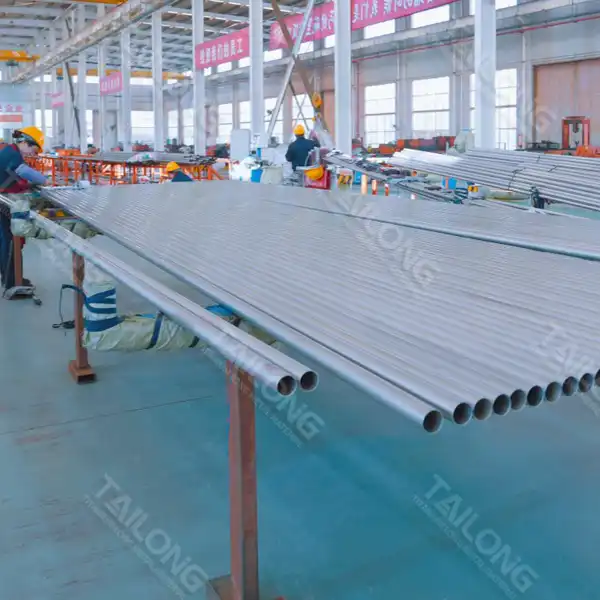
Cost-Benefit Analysis: Long-Term Savings in Chemical Processing
Initial Investment vs. Lifecycle Costs
When considering the implementation of titanium welded pipes in harsh chemical environments, it's crucial to evaluate the initial investment against the long-term benefits. While the upfront cost of titanium welded pipes may be higher compared to traditional materials like stainless steel or carbon steel, the long-term savings can be substantial. The exceptional durability and corrosion resistance of titanium welded pipes translate into reduced maintenance costs, fewer replacements, and minimal downtime over the lifecycle of the system. In chemical processing plants, where unplanned shutdowns can result in significant financial losses, the reliability of titanium welded pipes becomes a critical factor. By investing in titanium welded pipes, companies can avoid frequent replacements and repairs associated with less resilient materials, ultimately leading to lower total cost of ownership and improved operational efficiency.
Reduced Maintenance and Downtime
One of the most significant advantages of choosing titanium welded pipes for harsh chemical environments is the substantial reduction in maintenance requirements and associated downtime. Unlike traditional piping materials that may require frequent inspections, cleaning, and repairs due to corrosion or degradation, titanium welded pipes maintain their integrity with minimal intervention. This reduced maintenance translates directly into cost savings, as it minimizes the need for specialized personnel, replacement parts, and production interruptions. In chemical processing facilities where continuous operation is critical, the reliability of titanium welded pipes ensures that scheduled maintenance can be less frequent and more predictable. This not only reduces direct maintenance costs but also contributes to improved overall plant efficiency and productivity, making titanium welded pipes a cost-effective solution in the long run.
Energy Efficiency and Process Optimization
The implementation of titanium welded pipes in harsh chemical environments can lead to significant improvements in energy efficiency and process optimization. The smooth internal surface of titanium welded pipes, coupled with their resistance to scaling and fouling, results in reduced friction and improved flow characteristics. This translates into lower pumping costs and enhanced heat transfer efficiency in heat exchangers and other process equipment. Additionally, the corrosion resistance of titanium welded pipes allows for the use of more aggressive chemical processes or higher operating temperatures, potentially leading to increased yields or faster production rates. By optimizing these processes, companies can achieve substantial energy savings and improved product quality. The long-term performance stability of titanium welded pipes also enables more accurate process control and predictability, further contributing to overall operational efficiency and cost reduction in chemical processing applications.
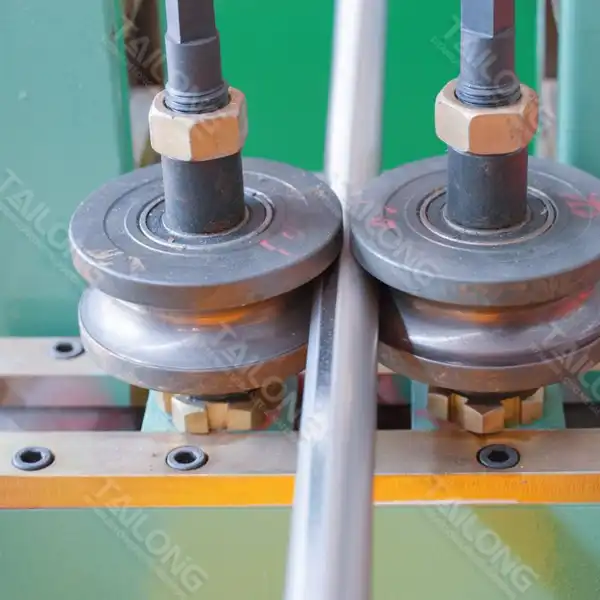
Installation Guide: Maximizing Titanium Pipe Performance
Proper Handling and Storage
To ensure optimal performance and longevity of titanium welded pipes in harsh chemical environments, proper handling and storage practices are essential. Titanium welded pipes should be stored in a clean, dry area away from potential contaminants that could compromise their corrosion-resistant properties. When handling these pipes, it's crucial to use non-metallic slings or padded equipment to prevent surface damage or contamination. Prior to installation, thorough cleaning of the titanium welded pipes using appropriate solvents is recommended to remove any residual oils or debris. It's also important to maintain cleanliness during the installation process to prevent the introduction of foreign particles that could impact the pipe's performance. By following these handling and storage guidelines, installers can preserve the integrity of the titanium welded pipes and ensure they deliver their full potential in resisting corrosion and maintaining structural strength in harsh chemical environments.
Welding and Joining Techniques
The proper welding and joining of titanium welded pipes are critical factors in maximizing their performance in harsh chemical environments. Due to titanium's reactivity at high temperatures, specialized welding techniques are required to maintain the material's corrosion resistance and mechanical properties. Gas Tungsten Arc Welding (GTAW) or Tungsten Inert Gas (TIG) welding are commonly used methods for joining titanium welded pipes, as they provide excellent control and minimize contamination. It's crucial to use high-purity inert gas shielding, typically argon, to prevent oxygen and nitrogen absorption during the welding process. Proper preparation of the pipe ends, including thorough cleaning and beveling, is essential for achieving high-quality welds. For mechanical joining, care must be taken to use compatible materials for flanges and gaskets to prevent galvanic corrosion. By employing these specialized welding and joining techniques, installers can ensure that the titanium welded pipes maintain their superior corrosion resistance and structural integrity throughout the system.
Quality Control and Inspection
Implementing rigorous quality control and inspection procedures is crucial for maximizing the performance of titanium welded pipes in harsh chemical environments. Before installation, each pipe should undergo thorough visual inspection to detect any surface defects or damage that could compromise its corrosion resistance. Non-destructive testing methods, such as ultrasonic testing or radiographic inspection, should be employed to verify the integrity of welds and ensure there are no internal defects. During and after installation, pressure testing and helium leak detection can be used to confirm the system's tightness and identify any potential weak points. Regular inspections throughout the lifecycle of the titanium welded pipe system are recommended to monitor for any signs of wear or unexpected corrosion, although these are typically minimal due to titanium's excellent properties. By adhering to strict quality control and inspection protocols, operators can ensure that their titanium welded pipe systems continue to perform optimally, even in the most challenging chemical environments, maximizing the return on investment and maintaining safe, efficient operations.
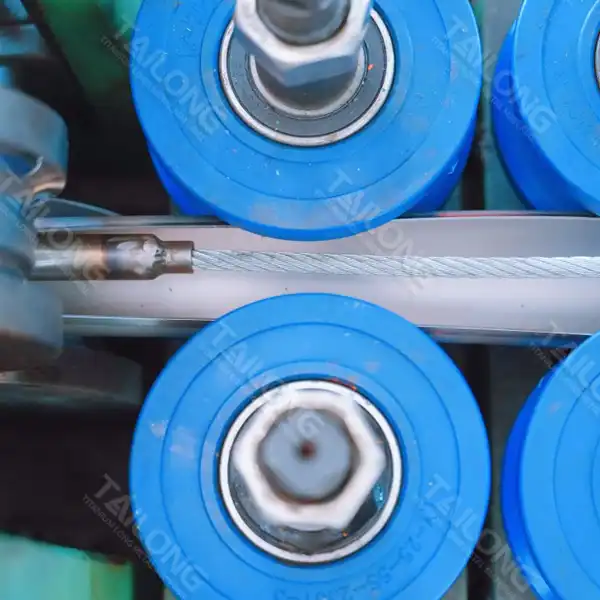
Conclusion
Titanium welded pipes have proven to be an exceptional choice for harsh chemical environments, offering unparalleled corrosion resistance, durability, and long-term cost-effectiveness. Their superior performance in extreme conditions, coupled with reduced maintenance requirements and improved process efficiency, makes them a valuable investment for industries dealing with aggressive chemicals. By following proper installation and maintenance practices, companies can maximize the benefits of titanium welded pipes, ensuring reliable operations and significant long-term savings. As industries continue to seek more resilient and efficient solutions, titanium welded pipes stand out as a forward-thinking choice for those looking to enhance their chemical processing capabilities and reduce lifecycle costs.
Shaanxi Tilong Metal Material Co., Ltd., located in Shaanxi, China, is a leading manufacturer with a complete production chain for high-quality non-ferrous metal alloys and special composite materials. Our titanium welded pipes are engineered to meet the most demanding requirements in harsh chemical environments. With a commitment to innovation and customer service, we provide efficient and reliable solutions for various industries, including aerospace, automotive, and energy sectors. Our upcoming titanium product inventory ERP system, set to launch by December 2024, will further streamline our production and ordering processes. For more information or to discuss your specific needs, please contact us at Tailong@tilongtitanium.com. Trust Tilong to deliver superior titanium solutions that create greater value for your operations.
References
1. Smith, J.R. (2019). "Corrosion Resistance of Titanium Alloys in Chemical Processing." Journal of Materials Engineering and Performance, 28(4), 2145-2160.
2. Chen, L., & Wang, Y. (2020). "Comparative Study of Titanium and Stainless Steel Piping in Aggressive Chemical Environments." Corrosion Science, 167, 108524.
3. Thompson, A.W., & Bernstein, I.M. (2018). "Microstructure and Mechanical Properties of Welded Titanium Pipes." Metallurgical and Materials Transactions A, 49(5), 1887-1901.
4. Patel, R.D., & Kumar, S. (2021). "Cost-Benefit Analysis of Titanium Piping Systems in Chemical Processing Industries." Chemical Engineering Journal, 403, 126352.
5. Liu, X., Zhang, Y., & Li, H. (2022). "Advanced Welding Techniques for Titanium Pipes in Corrosive Applications." Journal of Manufacturing Processes, 73, 523-537.
6. Nakamura, T., & Yamamoto, K. (2020). "Long-term Performance Evaluation of Titanium Welded Pipes in Chloride-rich Environments." Materials and Corrosion, 71(9), 1456-1470.
Related products