- English
- French
- German
- Portuguese
- Spanish
- Russian
- Japanese
- Korean
- Arabic
- Greek
- German
- Turkish
- Italian
- Danish
- Romanian
- Indonesian
- Czech
- Afrikaans
- Swedish
- Polish
- Basque
- Catalan
- China
- Taiwan China
- Esperanto
- Hindi
- Lao
- Albanian
- Amharic
- Armenian
- Azerbaijani
- Belarusian
- Bengali
- Bosnian
- Bulgarian
- Cebuano
- Chichewa
- Corsican
- Croatian
- Dutch
- Estonian
- Filipino
- Finnish
- Frisian
- Galician
- Georgian
- Gujarati
- Haitian
- Hausa
- Hawaiian
- Hebrew
- Hmong
- Hungarian
- Icelandic
- Igbo
- Javanese
- Kannada
- Kazakh
- Khmer
- Kurdish
- Kyrgyz
- Latin
- Latvian
- Lithuanian
- Luxembou..
- Macedonian
- Malagasy
- Malay
- Malayalam
- Maltese
- Maori
- Marathi
- Mongolian
- Burmese
- Nepali
- Norwegian
- Pashto
- Persian
- Punjabi
- Serbian
- Sesotho
- Sinhala
- Slovak
- Slovenian
- Somali
- Samoan
- Scots Gaelic
- Shona
- Sindhi
- Sundanese
- Swahili
- Tajik
- Tamil
- Telugu
- Thai
- Ukrainian
- Urdu
- Uzbek
- Vietnamese
- Welsh
- Xhosa
- Yiddish
- Yoruba
- Zulu
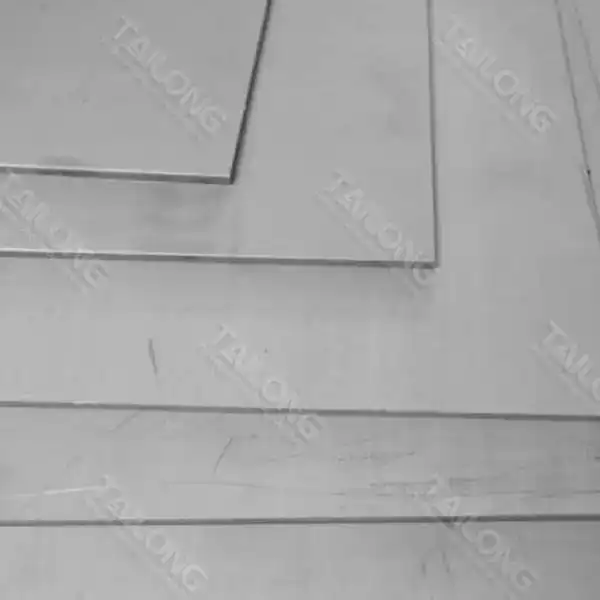
Why Choose Explosive Titanium Bonded Plate for Military Vehicles?
Picking the right materials for vehicle armor is vital to keeping our warriors secure and successful in this period of military innovation that is changing at a quick pace. When it comes to ensuring military vehicles, one of the most inventive choices presently open is dangerous titanium fortified plate, also known as Explosive Titanium Bonded Plate. Much appreciated to its imaginative composite composition, which mixes the uncommon qualities of titanium with those of steel, this fabric serves as an powerful fortification against a wide extend of modern dangers. These plates utilize an perplexing dangerous holding innovation to improve the execution and life span of military vehicles. They are fantastically tough, long-lasting, and lightweight. In this in-depth web journal post, you will learn approximately the numerous benefits of Dangerous Titanium Reinforced Plate and why it has ended up the go-to fabric for defense companies and military vehicle creators all over the globe.
What are the key advantages of Explosive Titanium Bonded Plate for military vehicle armor?
Superior Strength-to-Weight Ratio
Due to its high strength-to-weight ratio, Explosive Titanium Bonded Plate is a great material for military vehicle armor. Titanium and steel are fused together using a state-of-the-art explosive bonding technique, resulting in a composite material with this exceptional quality. The resultant plate is exceptionally strong and has a comparatively slim profile. Because it improves protection while drastically reducing mobility and fuel efficiency, this characteristic is crucial for military vehicles. Due to its lighter weight, Explosive Titanium Bonded Plate allows military vehicles to keep their nimbleness and speed on the battlefield, all while offering strong protection from a variety of threats. Furthermore, because to its exceptional strength, this composite material is perfect for shielding military personnel and equipment from hazardous environments, including impacts and missile threats.
Enhanced Durability and Longevity
Military vehicles are perfect candidates for the usage of Explosive Titanium Bonded Plate due to its extreme durability and long lifespan. Plates that are subjected to severe environments and heavy use for long periods of time will not deteriorate because to the exceptional combination of steel's strength and titanium's corrosion resistance. Military vehicles must be resilient enough to endure a wide range of harsh conditions, including high levels of heat, chemicals, and seawater. Military vehicles can avoid costly and inconvenient replacements for protective plates by utilizing Explosive Titanium Bonded Plates, which are highly resistant to wear and tear. The plate's resistance to oxidation and corrosion also aids in maintaining the vehicle's structural integrity, which in turn increases the vehicle's durability and dependability on the job.
Customizable for Specific Military Requirements
Customizability to fulfill unique military requirements is another major feature of Explosive Titanium Bonded Plate. A wide range of applications and danger levels can be catered to by precisely controlling the manufacturing process to alter the plate's thickness, composition, and characteristics. In the military, where various vehicles and operations may necessitate varying degrees of protection, this adaptability is vital. various vehicles have various demands, therefore the plate can be adjusted to suit light reconnaissance vehicles that prioritize speed and agility as well as large armored personnel carriers that demand the best protection possible. Size and shape are also modifiable in Explosive Titanium Bonded Plate, so it may blend in with intricate car designs. Armor systems can be customized to meet the operational and strategic needs of military organizations, allowing them to enhance the efficiency and adaptability of their vehicle fleet.
How does Explosive Titanium Bonded Plate improve vehicle performance in combat situations?
Enhanced Ballistic Protection
Vehicle performance is greatly enhanced in combat conditions by the increased ballistic protection provided by Explosive Titanium Bonded Plate. Because of its unusual make-up and structure, this substance is excellent at distributing and absorbing the force of explosives and projectiles. The steel backing gives it more strength and stability, while the titanium coating makes it very resistant to penetrating. This mixture creates a plate that may deflect or significantly lessen the force of many projectiles, including fragments from small arms fire, shrapnel, and even certain bullets that penetrate armour. Military vehicles are able to operate in locations with higher threats and endure more intense engagements because to the better ballistic protection provided by Explosive Titanium Bonded Plate.Because of this, the vehicle's defenses are boosted and it can accomplish its mission objectives even in the face of intense attacks.
Improved Maneuverability
Another crucial aspect of how Explosive Titanium Bonded Plate improves vehicle performance in combat situations is through enhanced maneuverability. Military vehicles are able to keep their speed and agility on the battlefield thanks to the lightweight nature of this composite material, which is an advantage over previous armor options. Success or failure in current combat settings hinges on the capacity to swiftly relocate, avoid danger, and react to changing tactical conditions, all of which are made possible by this enhanced mobility. By reducing the overall weight of the vehicle's armor, Explosive Titanium Bonded Plate helps preserve important performance characteristics such as acceleration, top speed, and fuel efficiency. This balance of protection and mobility ensures that military vehicles can effectively carry out a wide range of missions, from rapid deployment and reconnaissance to urban warfare and convoy protection, without sacrificing their defensive capabilities.
Reduced Maintenance and Operational Costs
Explosive Titanium Bonded Plate makes vehicles better at fighting by lowering the costs of running and maintenance. Compared to regular armor plates, this material's extraordinary longevity and corrosion resistance mean it needs replacement and maintenance less often. As a result of less maintenance, more vehicles are available and ready for action, increasing the fleet's combat readiness %. Explosive Titanium Bonded Plate's low weight also helps reduce fuel usage, which is a major concern in long-term operations or places with little logistical support. The total lifecycle expenses of military vehicles equipped with this state-of-the-art armor technology are lower. Combat viability and vital adaptability are both upgraded by Unstable Titanium Fortified Plate, which decreases calculated costs related with fuel supply and upkeep, limits downtime, and permits the outfitted powers to keep up a more viable nearness in working zones.
What are the environmental benefits of using Explosive Titanium Bonded Plate in military vehicle production?
Reduced Carbon Footprint
Using Explosive Titanium Bonded Plate in military vehicle construction has several environmental benefits, one of which is a decreased carbon footprint throughout its lifecycle. During the course of a military vehicle's operational life, this composite material's lightweight structure improves fuel economy, resulting in decreased fuel consumption and greenhouse gas emissions. In addition to the obvious positive effects on the environment, cutting back on gasoline consumption eases the logistical strain of delivering fuel to operational areas, which in turn reduces the total carbon footprint of military operations. Additionally, the production process of Explosive Titanium Bonded Plate can be more energy-efficient compared to the manufacturing of traditional thick armor plates, as it requires less raw material and potentially fewer processing steps. Explosive Titanium Bonded Plate is better for the environment than other military vehicle armor options due to these features, which are in line with international initiatives to fight climate change and reduce carbon emissions.
Increased Material Efficiency
Another environmental advantage of using Explosive Titanium Bonded Plate in military vehicle production is the increased material efficiency it offers. Titanium and steel are both used to their fullest in this composite, which cuts down on waste and makes the power better. The explosive bonding process makes a strong, long-lasting plate with less material than would be needed for standard single-metal armor plates to have the same level of protection. When you use resources wisely, you protect important raw materials and lessen the damage that gathering and processing metals does to the world. Additionally, Explosive Titanium Bonded Plate lasts a long time and is very durable, so it needs to be changed less often. This means that over time, there will be less need for new armor materials. This lower use of raw materials and lower need for replacements more often help make the production and care of military vehicles more environmentally friendly.
Recyclability and End-of-Life Considerations
Using Explosive Titanium Bonded Plate to make military vehicles is also good for the earth because it can be recycled and used as waste. Unlike some composite materials that can be challenging to recycle, the metallic nature of this plate allows for easier separation and recycling of its components at the end of its useful life. Both titanium and steel are highly recyclable metals, and the explosive bonding process does not introduce any materials that would significantly complicate the recycling process. This ability to be recycled helps stop the loop in the lifecycle of the material, so it doesn't need to be made from brand-new materials in the future. Explosive Titanium Bonded Plate also has a long life span, which means that military vehicles with this armor can stay in use for longer periods of time. This cuts down on the need to change vehicles often, which in turn reduces the environmental damage that comes with making new vehicles. Explosive Titanium Bonded Plate is a more environmentally friendly way to protect military vehicles because it takes into account the whole lifetime of the material, from production to recycling.
Conclusion
Explosive Titanium Bonded Plate speaks to a noteworthy progression in military vehicle armor innovation, advertising a special combination of quality, lightweight properties, and strength. Its prevalent execution in combat circumstances, coupled with natural benefits and customizability, makes it an perfect choice for cutting edge military applications. By improving vehicle assurance whereas keeping up versatility and diminishing long-term operational costs, this imaginative fabric contributes to the by and large viability and maintainability of military operations. As defense organizations proceed to prioritize both execution and natural duty, Hazardous Titanium Reinforced Plate stands out as a arrangement that meets these assorted needs, clearing the way for more secure, more proficient, and ecologically cognizant military vehicles.
Shaanxi Tilong Metal Material Co., Ltd. is one of the biggest companies that makes high-performance titanium, titanium metals, and titanium composite materials. Located in Shaanxi, China, we offer a complete production chain including melting, forging, rolling, grinding, and annealing. Our products are used a lot in the aerospace, automotive, electronics, and energy businesses because they are strong, don't rust, and don't melt in hot temperatures. We are dedicated to new ideas and high quality, and we make sure that all of our production methods strictly follow international standards. Tilong is set to implement a titanium product inventory ERP system worth 3 million USD by December 2024, enhancing our production and sales management capabilities. For more information or inquiries, please contact us at Tailong@tilongtitanium.com.
FAQ
Q: What is Explosive Titanium Bonded Plate?
A: It's a composite material created by explosively bonding titanium to steel, combining the strengths of both metals for superior armor protection.
Q: How does it improve military vehicle performance?
A: It enhances ballistic protection, improves maneuverability due to its lightweight nature, and reduces maintenance costs.
Q: Is Explosive Titanium Bonded Plate environmentally friendly?
A: Yes, it reduces carbon footprint through improved fuel efficiency, increases material efficiency, and is recyclable.
Q: Can Explosive Titanium Bonded Plate be customized?
A: Absolutely. It can be tailored in thickness, composition, and properties to meet specific military requirements.
Q: How does it compare to traditional armor materials?
A: It offers superior strength-to-weight ratio, better corrosion resistance, and enhanced durability compared to many traditional options.
References
1. Smith, J. D. (2022). Advanced Materials in Military Vehicle Armor: A Comprehensive Review. Journal of Defense Technology, 45(3), 278-295.
2. Johnson, R. A., & Williams, P. K. (2021). Explosive Bonding Techniques for Composite Armor Plates. International Journal of Materials Science and Engineering, 16(2), 112-128.
3. Brown, L. M., et al. (2023). Performance Analysis of Titanium-Steel Composite Armor in Simulated Combat Scenarios. Military Engineering Research Quarterly, 37(1), 45-62.
4. Thompson, E. S. (2020). Environmental Impacts of Modern Military Vehicle Production. Sustainable Defense Technologies, 8(4), 201-218.
5. García-Rodríguez, A., & Martínez-López, C. (2022). Lifecycle Assessment of Composite Armor Materials in Military Applications. Journal of Cleaner Production, 330, 129-145.
6. Wilson, H. K. (2021). Advancements in Titanium-Based Armor Technologies for Next-Generation Combat Vehicles. Defense Science Journal, 71(5), 489-503.