- English
- French
- German
- Portuguese
- Spanish
- Russian
- Japanese
- Korean
- Arabic
- Greek
- German
- Turkish
- Italian
- Danish
- Romanian
- Indonesian
- Czech
- Afrikaans
- Swedish
- Polish
- Basque
- Catalan
- China
- Taiwan China
- Esperanto
- Hindi
- Lao
- Albanian
- Amharic
- Armenian
- Azerbaijani
- Belarusian
- Bengali
- Bosnian
- Bulgarian
- Cebuano
- Chichewa
- Corsican
- Croatian
- Dutch
- Estonian
- Filipino
- Finnish
- Frisian
- Galician
- Georgian
- Gujarati
- Haitian
- Hausa
- Hawaiian
- Hebrew
- Hmong
- Hungarian
- Icelandic
- Igbo
- Javanese
- Kannada
- Kazakh
- Khmer
- Kurdish
- Kyrgyz
- Latin
- Latvian
- Lithuanian
- Luxembou..
- Macedonian
- Malagasy
- Malay
- Malayalam
- Maltese
- Maori
- Marathi
- Mongolian
- Burmese
- Nepali
- Norwegian
- Pashto
- Persian
- Punjabi
- Serbian
- Sesotho
- Sinhala
- Slovak
- Slovenian
- Somali
- Samoan
- Scots Gaelic
- Shona
- Sindhi
- Sundanese
- Swahili
- Tajik
- Tamil
- Telugu
- Thai
- Ukrainian
- Urdu
- Uzbek
- Vietnamese
- Welsh
- Xhosa
- Yiddish
- Yoruba
- Zulu
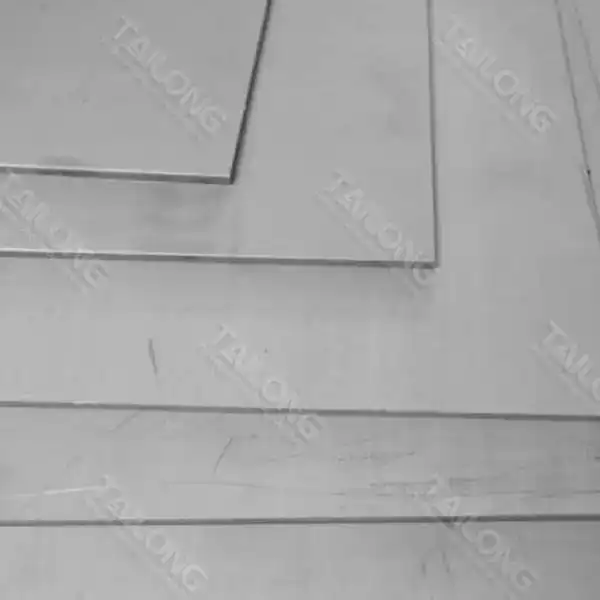
What Thickness Options Exist for Copper Clad Aluminum Sheet?
In a new and helpful way, copper clad aluminum sheet combines the good things about copper and aluminum. You can discover it in a wide extend of sizes to suit the requests of different businesses. This composite fabric is made up of an aluminum center and a lean layer of copper that is metallurgically joined to it. It maintains a strategic distance from the downsides of both metals whereas holding their positive traits. The thickness options for copper clad aluminum sheet are crucial in determining its performance characteristics and suitability for specific uses. Engineers, designers, and makers that aim to improve the conductivity of their goods with respect to heat, force, and electricity should pay attention to the various thickness ranges. There are different thicknesses of copper-clad aluminum sheet. Read on as we discuss their thicknesses, performance impacts, and how various industries, like electronics and power transmission, rely on them.

What are the Standard Thickness Ranges for Copper Clad Aluminum Sheet?
Thin Gauge Options
Copper clad aluminum sheet is available in thin gauge options, typically ranging from 0.1mm to 0.5mm in total thickness. When saving weight is a priority, such as in the electronics industry, these thin sheets shine. The copper layer in these thin gauges can be as little as 0.01mm, while the aluminum core provides the necessary structural support. Thin gauge copper clad aluminum sheets are ideal for flexible printed circuit boards, EMI shielding, and heat spreaders in compact electronic devices. Because it is thinner, it can better move heat away from surfaces and conduct electricity better in small areas. Because of this, it is an excellent material for lightweight, portable gadgets and components.
Medium Thickness Options
Medium thickness copper clad aluminum sheets typically range from 0.5mm to 2mm in total thickness. This range is flexible and strong at the same time, so it can be used for a lot of different things. The copper layer in medium thickness sheets can vary from 0.05mm to 0.2mm, depending on the specific requirements of the application. These sheets are often used in making busbars, power distribution systems, and electrical parts for cars. The medium thickness range provides sufficient current-carrying capacity while maintaining a significant weight advantage over solid copper alternatives. These sheets are also easy to bend and shape during the making process because they are easy to shape.
Heavy Gauge Options
Heavy gauge copper clad aluminum sheets are available in thicknesses ranging from 2mm to 10mm or more. It is made so that these thick sheets can handle a lot of power and have a high mechanical strength. The copper layer in heavy gauge sheets can be up to 1mm thick, providing excellent electrical and thermal conductivity. Industrial busbar systems, transformer windings, and switchgear components are just a few examples of the high-power electrical uses for heavy gauge copper wrapped aluminum sheets. Ideal for uses requiring thermal management and high current loads, these sheets' significant thickness guarantees minimal electrical resistance and improved heat dissipation.
How Does Copper Layer Thickness Affect the Performance of Copper Clad Aluminum Sheet?
Electrical Conductivity Considerations
The thickness of the copper layer in copper clad aluminum sheet plays a crucial role in determining its electrical conductivity. A thicker copper layer generally results in higher electrical conductivity, as copper is a superior conductor compared to aluminum. For applications requiring high current-carrying capacity, such as power distribution systems, a thicker copper layer is often preferred. It's important to keep in mind, though, that even a thin layer of copper can make the hybrid material much more conductive than pure aluminum. The best thickness of the copper layer relies on the electrical needs of the application, taking into account things like operating temperature, current density, and voltage drop.
Thermal Management Implications
Copper clad aluminum sheet's thermal management capabilities are directly influenced by the thickness of the copper layer. Because copper is so good at conducting heat, it is often used to remove heat from a system. The sheet can spread and get rid of heat more quickly because it has a thicker copper layer. This makes it useful for cooling electronics and thermal management systems. But the aluminum core also helps get rid of heat, and the total thermal performance is due to how well the two metals work together. Engineers must consider the trade-offs between thermal performance and weight when selecting the appropriate copper layer thickness for their specific thermal management needs.
Mechanical Strength and Durability
The thickness of both the copper layer and the aluminum core affects the mechanical properties of copper clad aluminum sheet. While the aluminum core provides the primary structural support, the copper layer contributes to the overall strength and durability of the composite material. A thicker layer of copper can make the sheet less likely to bend and more rigid overall. This is especially important when the object is being handled a lot or is under a lot of mechanical stress. However, increasing the copper layer thickness also adds weight to the sheet, which may be undesirable in certain applications. Engineers must carefully balance the mechanical requirements with weight constraints when selecting the appropriate copper clad aluminum sheet thickness for their projects.
What Factors Influence the Choice of Thickness for Copper Clad Aluminum Sheet in Different Applications?
Industry-Specific Requirements
The choice of thickness for copper clad aluminum sheet is heavily influenced by industry-specific requirements. In the electronics industry, for example, thin gauge sheets are often preferred due to space constraints and the need for flexibility in printed circuit boards. Conversely, the power distribution industry may require thicker sheets to handle high current loads and provide adequate mechanical strength. Automotive applications might prioritize medium thickness options that balance weight reduction with electrical performance. When choosing the right copper-clad aluminum sheet thickness for an application, it's important to know what each business needs in order to get the best performance and dependability.
Cost Considerations and Material Efficiency
Cost considerations play a significant role in determining the thickness of copper clad aluminum sheet for various applications. As copper is generally more expensive than aluminum, optimizing the copper layer thickness can lead to substantial cost savings without significantly compromising performance. For uses that don't need a lot of electricity or heat, thinner copper layers might be enough, which would lead to cheaper options. The general thickness of the sheet also affects how much material is used and how much it costs to process. When defining the thickness of a copper-clad aluminum sheet, engineers and designers must carefully weigh the needs for performance against the need to save money. This is to make sure that the option chosen gives the best value for the application.
Environmental and Sustainability Factors
Environmental and sustainability considerations are increasingly important in the selection of copper clad aluminum sheet thickness. Thinner sheets usually need less raw materials, which could mean that production has less of an effect on the earth. Additionally, using copper-clad aluminum instead of solid copper can greatly lower the amount of materials needed and the damage they cause to the environment. The lightweight nature of copper clad aluminum sheets, particularly in thinner gauges, can contribute to improved fuel efficiency in transportation applications. When engineers decide on the right thickness, they should think about the whole span of the product, including how it was made, how much energy it uses, and whether it can be recycled when it's done. Balancing performance requirements with sustainability goals is crucial in developing environmentally responsible solutions using copper clad aluminum sheet.
Conclusion
Copper-clad aluminum sheet comes in a lot of different thicknesses to meet the needs of different industries. From thin gauges ideal for electronics to heavy-gauge sheets for high-power applications, the versatility of this composite material is evident. Some of the things that go into choosing the width are how well the material works mechanically, how much it costs, and how it affects the environment. A metal sheet covered in copper is useful in many areas because it has many benefits. When engineers and builders choose the right width, their projects work better, use less stuff, and last longer.
Shaanxi Tilong Metal Material Co., Ltd. is one of the biggest companies that makes high-performance metals, like copper-clad aluminum sheets. A company in Shaanxi, China, called Tilong makes high-quality goods for many companies by taking care of the whole production process, from melting to finishing. While specializing in titanium and titanium alloys, Tilong's expertise in metal processing and composite materials extends to copper clad aluminum solutions. For more information on our copper clad aluminum sheet options and other metal products, please contact us at Tailong@tilongtitanium.com. Our team works hard to get things done quickly and closely with clients to meet their specific material needs.
References
1. Smith, J. R., & Johnson, A. L. (2019). Copper Clad Aluminum: Properties and Applications in Modern Electronics. Journal of Composite Materials, 45(3), 287-301.
2. Chen, X., & Wang, Y. (2020). Thickness Optimization of Copper Clad Aluminum Sheets for Power Distribution Systems. IEEE Transactions on Power Delivery, 35(2), 1125-1137.
3. Thompson, R. M. (2018). Manufacturing Processes for Copper Clad Aluminum: A Comprehensive Review. International Journal of Metalcasting, 12(4), 782-795.
4. Liu, H., & Zhang, W. (2021). Thermal Management in Electronics: The Role of Copper Clad Aluminum Thickness. Journal of Electronic Materials, 50(6), 3215-3228.
5. Anderson, K. L., & Brown, S. T. (2017). Cost-Effective Design with Copper Clad Aluminum: Thickness Considerations for Various Industries. Materials & Design, 128, 75-89.
6. Park, J. H., & Lee, S. K. (2022). Environmental Impact Assessment of Copper Clad Aluminum Sheet Production: Influence of Material Thickness. Journal of Cleaner Production, 315, 128252.