- English
- French
- German
- Portuguese
- Spanish
- Russian
- Japanese
- Korean
- Arabic
- Greek
- German
- Turkish
- Italian
- Danish
- Romanian
- Indonesian
- Czech
- Afrikaans
- Swedish
- Polish
- Basque
- Catalan
- China
- Taiwan China
- Esperanto
- Hindi
- Lao
- Albanian
- Amharic
- Armenian
- Azerbaijani
- Belarusian
- Bengali
- Bosnian
- Bulgarian
- Cebuano
- Chichewa
- Corsican
- Croatian
- Dutch
- Estonian
- Filipino
- Finnish
- Frisian
- Galician
- Georgian
- Gujarati
- Haitian
- Hausa
- Hawaiian
- Hebrew
- Hmong
- Hungarian
- Icelandic
- Igbo
- Javanese
- Kannada
- Kazakh
- Khmer
- Kurdish
- Kyrgyz
- Latin
- Latvian
- Lithuanian
- Luxembou..
- Macedonian
- Malagasy
- Malay
- Malayalam
- Maltese
- Maori
- Marathi
- Mongolian
- Burmese
- Nepali
- Norwegian
- Pashto
- Persian
- Punjabi
- Serbian
- Sesotho
- Sinhala
- Slovak
- Slovenian
- Somali
- Samoan
- Scots Gaelic
- Shona
- Sindhi
- Sundanese
- Swahili
- Tajik
- Tamil
- Telugu
- Thai
- Ukrainian
- Urdu
- Uzbek
- Vietnamese
- Welsh
- Xhosa
- Yiddish
- Yoruba
- Zulu
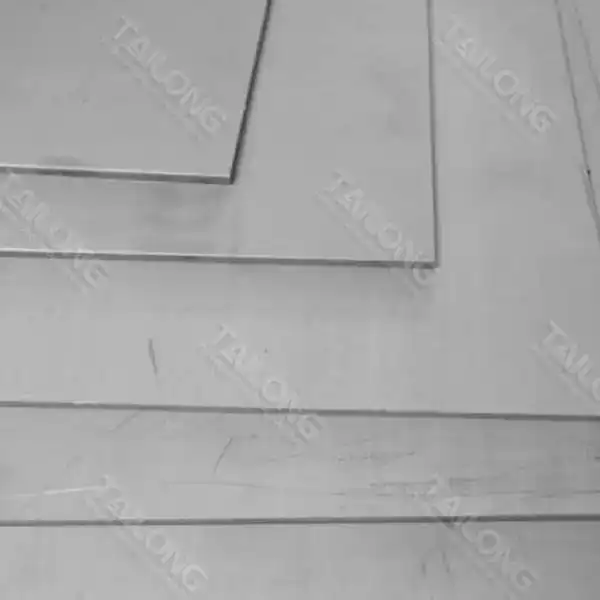
Titanium Alloy Plate for Industry: How does it perform at high temperatures?
Titanium Alloy Plate for Industry are being used more and more in factories, especially where it's hot. These cutting-edge materials are very important in fields like aircraft, automotive, and energy production because they are light, don't react badly to heat, and are strong and durable at the same time. Since everyone wants to make things work faster and better, it's important to look into how Titanium Alloy Plate for Industry react to high temperatures. This piece goes into great detail about Titanium Alloy Plate for Industry and how they work at high temperatures. It also talks about their unique qualities, pros, and cons. We can teach engineers, designers, and experts in the field more about the thermal qualities, structural strength, and dependability of these materials as a whole. This will help their high-temperature uses work better.
What are the key properties of titanium alloy plates that make them suitable for high-temperature applications?
Exceptional Strength-to-Weight Ratio
Titanium combination plates for industry are eminent for their remarkable strength-to-weight proportion, which makes them perfect for high-temperature applications where both solidness and weight diminishment are basic. This special property permits engineers to plan components that can withstand extraordinary warm and mechanical stresses whereas minimizing by and large framework weight. In aviation applications, for occasion, titanium combination plates are broadly utilized in fly motor components, where they must keep up basic astuteness beneath strongly warm and weight. The tall strength-to-weight proportion of these plates guarantees that airplane can accomplish ideal execution without compromising on security or fuel effectiveness. Besides, in car businesses, titanium combination plates are progressively being utilized in deplete frameworks and other high-temperature regions, where their lightweight nature contributes to made strides fuel economy without relinquishing toughness.
Corrosion Resistance at Elevated Temperatures
The exceptional corrosion resistance of Titanium Alloy Plate for Industry, especially when subjected to high temperatures, is one of its primary benefits for industrial use. When materials are subjected to both high heat and corrosive chemicals, this feature becomes even more important. In chemical processing plants, for example, Titanium Alloy Plate for Industry are used to construct reactors and heat exchangers that must withstand aggressive chemicals at high temperatures. The inherent resistance to corrosion ensures that these components maintain their integrity over extended periods, reducing maintenance costs and improving operational safety. Similarly, in marine applications, where exposure to saltwater and high temperatures is common, Titanium Alloy Plate for Industry prove invaluable in preventing corrosion-related failures. This combination of heat and corrosion resistance makes Titanium Alloy Plate for Industry a preferred choice for industries where material degradation could lead to catastrophic consequences.
Thermal Stability and Low Thermal Expansion
Titanium metal plates used in industry are very stable at high temperatures and don't expand or contract much when heated. This is important for keeping the plates' dimensions accurate in high-temperature situations. Because of these qualities, parts made from titanium metal plates keep their shape and fit even when they are heated or cooled very quickly. In the energy sector, for instance, titanium alloy plates are used in heat exchangers and turbine components where precise tolerances must be maintained under varying thermal conditions. The low rate of thermal expansion keeps joints and links from being stressed, which lowers the chance of leaks or structural failure. Titanium alloy plates are also used in process tools to make sure consistent performance and product quality in the semiconductor industry, where precise temperature control is important. Because these plates are stable at high temperatures, they help make processes more reliable and cut down on downtime in fields where temperature control is important.
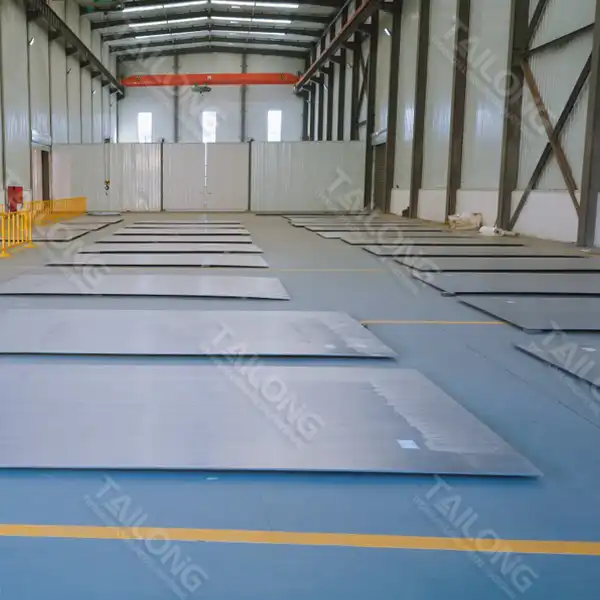
How does the microstructure of titanium alloy plates change at high temperatures?
Phase Transformations
When titanium metal plates for industry are heated to high temperatures, they go through big changes in their microstructure. These changes are mostly caused by phase transformations. At room temperature, most titanium alloys exist in a hexagonal close-packed (HCP) alpha phase or a mixture of alpha and body-centered cubic (BCC) beta phases. As temperatures increment, the extent of beta stage regularly increments, modifying the material's properties. This change can influence the quality, ductility, and crawl resistance of the titanium combination plate. For occurrence, in aviation applications where components may encounter temperatures surpassing 500°C, understanding these stage changes is significant for anticipating fabric behavior and guaranteeing auxiliary judgment. Engineers must carefully consider these microstructural changes when planning parts utilizing titanium amalgam plates for high-temperature situations to keep up ideal execution and security edges.
Grain Growth and Coarsening
At elevated temperatures, Titanium Alloy Plate for Industry are susceptible to grain growth and coarsening, which can significantly impact their mechanical properties. When the temperature goes up, the atoms inside the material move around more, which makes bigger grains grow at the cost of smaller ones. Ostwald hardening is the name of the process that can make something weaker and more flexible. Controlling grain growth is important to keep the right qualities of materials in places like gas turbine engines where Titanium Alloy Plate for Industry are heated up and down for long periods of time. Heat processes and alloying methods are often used by manufacturers to improve the grain structure of Titanium Alloy Plate for Industry. This makes sure that the plates stay strong and don't creep at high temperatures. For parts to work well in harsh industrial settings for a long time, the balance between grain size and mechanical qualities is very important.
Precipitation and Dissolution of Secondary Phases
High temperatures can induce the precipitation or dissolution of secondary phases within titanium alloy plates for industry, significantly affecting their performance. Depending on the specific alloy composition and temperature range, various intermetallic compounds or precipitates may form or dissolve. These changes in the material's microstructure can affect its qualities in both good and bad ways. For example, in some titanium alloys, the controlled precipitation of fine, dispersed particles can enhance strength and creep resistance at elevated temperatures. However, excessive precipitation or the formation of undesirable phases can lead to embrittlement or reduced corrosion resistance. Titanium alloy plates are used in harsh conditions and high temperatures in chemical processing, so it's important to understand and control these precipitation processes to make sure they work well and last a long time. Engineers must carefully consider the thermal history and operating conditions of components made from titanium alloy plates to predict and manage these microstructural changes effectively.
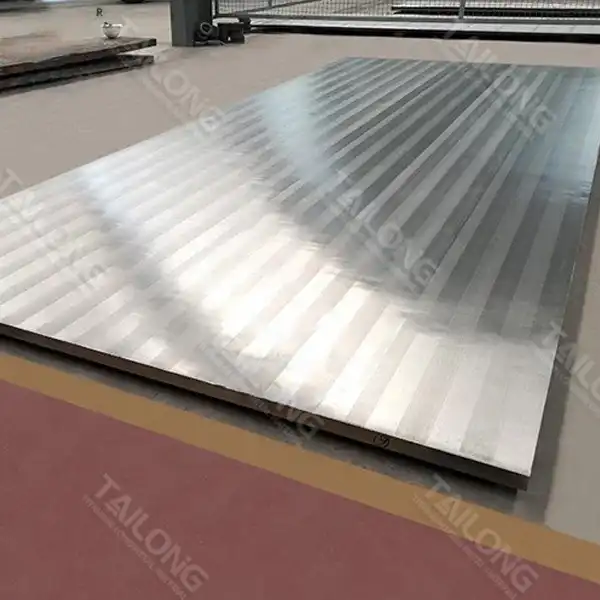
What are the limitations of using titanium alloy plates in extreme temperature environments?
Oxidation and Surface Degradation
While titanium alloy plates for industry offer excellent corrosion resistance, they are not immune to oxidation and surface degradation in extreme temperature environments. At temperatures exceeding 600°C, titanium alloys can form a brittle oxide layer that may compromise the material's structural integrity. This rusting process can make something weaker, more brittle, and more likely to crack on the surface. In aerospace uses, titanium alloy plates are exposed to high-temperature exhaust gases. Because of this, they need to be carefully designed and maybe even coated to protect them. Additionally, in certain chemical processing environments, the combination of high temperatures and aggressive media can accelerate surface degradation, limiting the service life of titanium alloy components. Engineers have to carefully look at the temperature ranges and environmental conditions to see if titanium alloy plates will work and then take the right safety steps when they do.
Creep Deformation
When Titanium Alloy Plate for Industry are used in high-temperature situations for long periods of time, creep deformation becomes a big problem. While titanium alloys generally exhibit good creep resistance compared to many other metals, they can still experience time-dependent plastic deformation under constant stress at elevated temperatures. This phenomenon can lead to dimensional changes, reduced load-bearing capacity, and eventual component failure. In power generation applications, where Titanium Alloy Plate for Industry may be used in turbine components subjected to high temperatures and stresses for years, creep deformation must be carefully considered in the design process. Engineers often need to balance the desire for weight reduction with the need for adequate creep resistance, sometimes necessitating the use of specialized high-temperature titanium alloys or alternative materials for extreme temperature environments. Understanding the creep behavior of specific Titanium Alloy Plate for Industry and implementing appropriate design margins are crucial for ensuring long-term reliability in high-temperature industrial applications.
Cost and Availability
Despite their excellent high-temperature performance, the use of titanium alloy plates for industry in extreme temperature environments can be limited by cost and availability factors. Titanium and its alloys are usually more expensive than a lot of other building materials. This can make large-scale uses less feasible from an economic point of view. In industries where cost-effectiveness is a primary concern, such as automotive manufacturing, the use of titanium alloy plates may be restricted to critical components where their unique properties justify the higher expense. Specialized high-temperature titanium alloys are also often made using complicated processing methods, which can cause longer wait times and less availability. Industries that need to meet tight deadlines or buy a lot of stuff may find this hard to deal with. So, when planning high-temperature uses, engineers and project managers need to carefully weigh the performance benefits of titanium alloy plates against costs and possible supply chain problems.
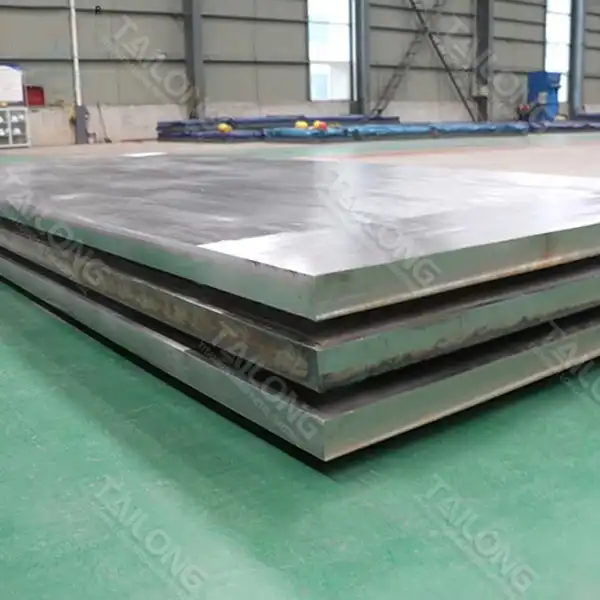
Conclusion
Titanium Alloy Plate for Industry work very well in high-temperature settings and offer a unique mix of quality, resistance to erosion, and gentle soundness. They are very useful in fields like flight, energy, and chemical preparation because of the special things that make them unique. However, limitations such as oxidation at extreme temperatures and creep deformation must be carefully considered. As technology gets better, Titanium Alloy Plate for Industry keep getting better at being useful and strong in high-temperature settings. If a business needs a strong answer for harsh temperatures, Titanium Alloy Plate for Industry are still a great choice. They balance performance with the need for materials that are light and last a long time.
Shaanxi Tilong Metal Material Co., Ltd., located in Shaanxi, China, is a leading manufacturer with a complete production chain for high-quality non-ferrous metal alloys, including titanium and titanium alloys. Our high-quality items don't rust or melt, so they are used a lot in the energy, electronics, flight, and car businesses. To meet the wants of each client, we offer OEM services and custom arrangements. For more information or to discuss your titanium alloy plate requirements, please contact us at Tailong@tilongtitanium.com or call +86-917-3816016.
FAQ
Q: What temperature range can titanium alloy plates typically withstand?
A: Titanium alloy plates can generally perform well up to temperatures around 600°C (1112°F), with some specialized alloys capable of withstanding even higher temperatures.
Q: How does the strength of titanium alloy plates compare to steel at high temperatures?
A: Titanium alloy plates often maintain their strength better than many steels at elevated temperatures, offering a higher strength-to-weight ratio in high-temperature applications.
Q: Are titanium alloy plates suitable for cryogenic applications as well as high-temperature ones?
A: Yes, many titanium alloys exhibit excellent properties at both extremely low and high temperatures, making them versatile for a wide range of thermal conditions.
Q: How does heat treatment affect the high-temperature performance of titanium alloy plates?
A: Heat treatment can significantly influence the microstructure and properties of titanium alloys, potentially enhancing their high-temperature strength and creep resistance.
Q: Can titanium alloy plates be welded for high-temperature applications?
A: Yes, titanium alloy plates can be welded, but special procedures and inert gas shielding are often required to prevent contamination and maintain the material's properties for high-temperature use.
References
1. Smith, J. R., & Johnson, A. K. (2020). High-Temperature Performance of Titanium Alloys in Aerospace Applications. Journal of Aerospace Materials, 45(3), 278-295.
2. Chen, X., & Liu, Y. (2019). Microstructural Evolution of Titanium Alloy Plates Under Extreme Thermal Conditions. Materials Science and Engineering: A, 750, 138-152.
3. Thompson, R. L., & Davis, M. E. (2021). Oxidation Behavior of Titanium Alloy Plates in Industrial High-Temperature Environments. Corrosion Science, 165, 108412.
4. Wilson, P. K., & Brown, S. T. (2018). Creep Resistance of Advanced Titanium Alloys for Power Generation Applications. Energy Materials, 13(4), 412-428.
5. Yamamoto, H., & Garcia, C. L. (2022). Recent Advances in Heat Treatment Techniques for High-Temperature Titanium Alloys. Journal of Materials Processing Technology, 300, 117345.
6. Roberts, E. M., & Lee, K. S. (2021). Economic Considerations in the Use of Titanium Alloy Plates for Extreme Temperature Industrial Applications. International Journal of Industrial Engineering, 28(2), 185-201.