- English
- French
- German
- Portuguese
- Spanish
- Russian
- Japanese
- Korean
- Arabic
- Greek
- German
- Turkish
- Italian
- Danish
- Romanian
- Indonesian
- Czech
- Afrikaans
- Swedish
- Polish
- Basque
- Catalan
- China
- Taiwan China
- Esperanto
- Hindi
- Lao
- Albanian
- Amharic
- Armenian
- Azerbaijani
- Belarusian
- Bengali
- Bosnian
- Bulgarian
- Cebuano
- Chichewa
- Corsican
- Croatian
- Dutch
- Estonian
- Filipino
- Finnish
- Frisian
- Galician
- Georgian
- Gujarati
- Haitian
- Hausa
- Hawaiian
- Hebrew
- Hmong
- Hungarian
- Icelandic
- Igbo
- Javanese
- Kannada
- Kazakh
- Khmer
- Kurdish
- Kyrgyz
- Latin
- Latvian
- Lithuanian
- Luxembou..
- Macedonian
- Malagasy
- Malay
- Malayalam
- Maltese
- Maori
- Marathi
- Mongolian
- Burmese
- Nepali
- Norwegian
- Pashto
- Persian
- Punjabi
- Serbian
- Sesotho
- Sinhala
- Slovak
- Slovenian
- Somali
- Samoan
- Scots Gaelic
- Shona
- Sindhi
- Sundanese
- Swahili
- Tajik
- Tamil
- Telugu
- Thai
- Ukrainian
- Urdu
- Uzbek
- Vietnamese
- Welsh
- Xhosa
- Yiddish
- Yoruba
- Zulu
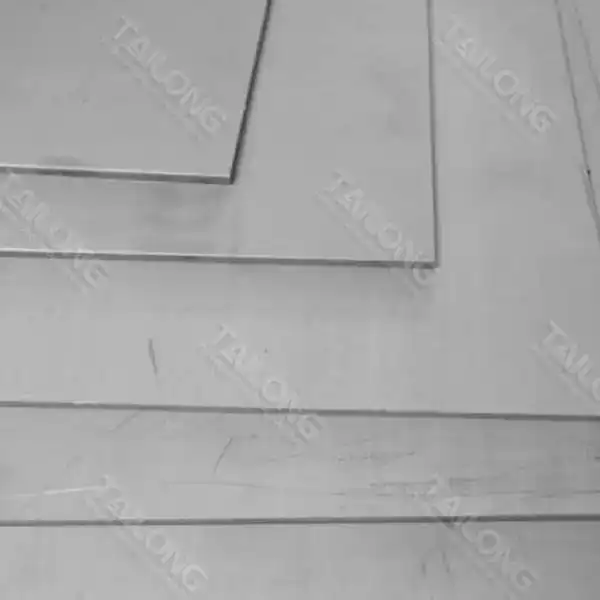
Titanium Alloy Forging Block corrosion resistance: long-term durability
Because they are so resistant to corrosion and last a long time, titanium alloy forging blocks have become a new material in many fields. The metal used to make these parts is very strong, and they are made to work in tough circumstances. They are very useful in harsh environments, chemical processing, aerospace, and the car industry because of this. Titanium alloys have special qualities that make buildings and equipment made with these forging blocks last longer and be more reliable. Some of their qualities are that they are strong for their weight and don't rust easily. This article goes into great depth about how well Titanium Alloy Forging Blocks resist corrosion. It talks about how this makes them very durable over time and why engineers and manufacturers choose them over other materials that can stay strong for long periods of time in tough working conditions.
What makes Titanium Alloy Forging Blocks resistant to corrosion?
Chemical composition and passive layer formation
Titanium Alloy Forging Blocks owe their exceptional corrosion resistance to their unique chemical composition and the formation of a passive layer. Aluminum, vanadium, and molybdenum are some of the elements that are in titanium metal. These parts help the material stay stable and not be damaged by chemicals. When exposed to oxygen, titanium rapidly forms a thin, adherent oxide layer on its surface. This layer doesn't do anything, so it keeps the metal below from rusting and burning even more. Because the Titanium Alloy Forging Block can quickly repair this passive layer when it gets damaged, it can keep protecting against corrosive environments. Marine, chemical, and flight are just a few of the fields that work with rough materials. It's a great choice because of this.
Electrochemical properties and nobility
Titanium Alloy Forging Blocks are very resistant to corrosion in large part because of their electrochemical qualities. Titanium has a high electrode potential, placing it near the noble end of the galvanic series. Titanium is less likely to oxidize when it comes into touch with other metals or substances that corrode it because of its noble nature. The Titanium Alloy Forging Block is very useful in places where it might touch different metals, like in aerospace structures or marine settings, because it doesn't rust or galvanic corrosion. The metal is also very resistant to pitting and crevice corrosion, which makes it last longer in tough conditions. This means that parts made from these forging blocks will keep their structural integrity for a long time.
Temperature and environmental factors
Titanium Alloy Forging Blocks are very resistant to corrosion in a lot of different temperatures and weather situations. In contrast to many other metals, titanium alloys keep their protective qualities even when the temperature is low. For this reason, Titanium Amalgam Fashioning Pieces are incredible for utilize in warm exchangers, instruments for chemical handling, and cryogenic employments. The truth that the fabric can stand up to destructive assaults from seawater, acids, and other unforgiving chemicals makes it valuable in indeed more areas. The Titanium Combination Producing Square is moreover safe to push erosion breaking, which is a common way for things to fall flat in high-stress circumstances. This means that it will last for a long time in important parts that are exposed to both mechanical stress and corrosive conditions.
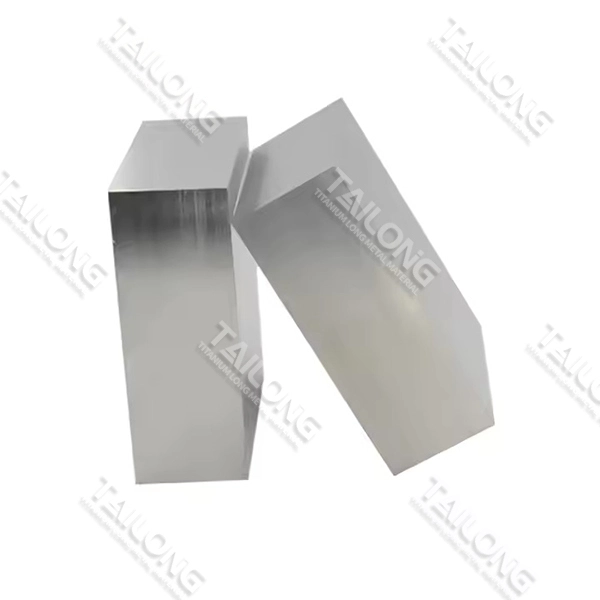
How do Titanium Alloy Forging Blocks compare to other materials in terms of durability?
Comparison with stainless steel
When comparing Titanium Alloy Forging Blocks to stainless steel, several key differences in durability become apparent. While both materials offer good corrosion resistance, Titanium Alloy Forging Blocks generally outperform stainless steel in more aggressive environments. The passive layer formed on titanium alloys is more stable and resistant to breakdown than that of stainless steel, particularly in the presence of chlorides. Because of this, Titanium Alloy Forging Blocks are the best choice for coastal and offshore uses where they will be exposed to saltwater all the time. Also, titanium alloys keep their mechanical properties at higher temperatures than most stainless steels, so they work better over time in settings where high temperatures and corrosion are common. Titanium Alloy Forging Blocks have a lower density, which is also a big plus in situations where weight is important. In other words, structures can become lighter without losing their power or last longer.
Advantages over aluminum alloys
Titanium Alloy Forging Blocks are more durable than aluminum alloys in a number of ways, especially in harsh settings. While aluminum alloys are known for their lightweight properties, Titanium Alloy Forging Blocks provide a superior strength-to-weight ratio, allowing for thinner, lighter components with equal or greater strength. Titanium alloys are much better than aluminum at resisting corrosion, especially in naval and chemical processing settings. The Titanium Alloy Forging Block's resistance to pitting corrosion and stress corrosion cracking is particularly noteworthy, as these are common failure modes in aluminum structures exposed to corrosive environments. Furthermore, titanium alloys maintain their mechanical properties at much higher temperatures than aluminum alloys, making them more suitable for high-temperature applications where long-term durability is crucial.
Long-term cost-effectiveness
While the initial cost of Titanium Alloy Forging Blocks may be higher than some alternative materials, their long-term cost-effectiveness is a significant factor to consider. The very high durability and resistance to corrosion of these forging blocks means that they need less upkeep, last longer, and need fewer replacements over time. In industries where downtime for repairs or replacements can be extremely costly, such as aerospace or offshore oil and gas, the use of Titanium Alloy Forging Blocks can result in substantial savings over the lifecycle of the equipment. Additionally, the substance doesn't rust, so you don't need to use pricey coats or paint it often, which further lowers the long-term costs of maintenance. When factoring in the reduced weight of titanium components, which can lead to fuel savings in transportation applications, the overall economic benefits of choosing Titanium Alloy Forging Blocks become even more apparent.
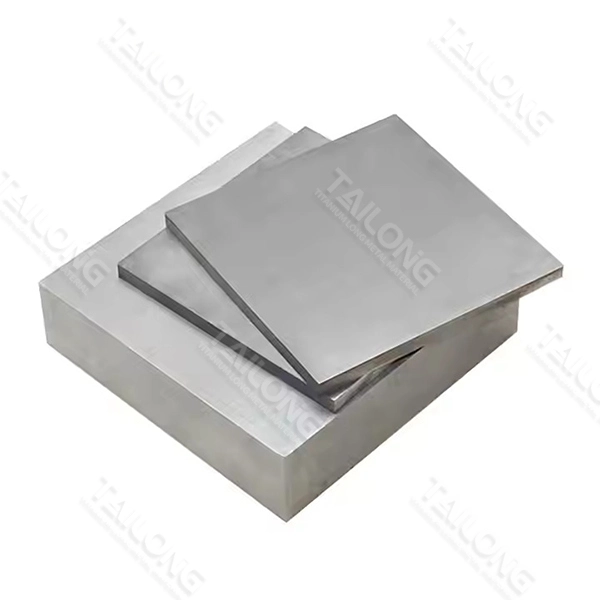
What are the key applications for Titanium Alloy Forging Blocks in corrosive environments?
Aerospace and aviation industry
In the aircraft and flight industries, titanium alloy forging blocks are very useful for making parts that need to be strong, light, and not corrode. Forging blocks like these are used to make important structural parts like engine mounts, landing gear parts, and the frames of airplanes. Titanium Alloy Forging Blocks can resist the corrosive effects of jet fuel, hydraulic fluids, and de-icing chemicals. This makes sure that these parts will last for a long time. You can use them in jet engine parts like compressor blades and discs because they don't wear down quickly and don't rust at high temperatures. Titanium Alloy Forging Blocks are very durable, which not only makes these uses safer but also extends the life of aircraft. This lowers the cost of upkeep and makes operations more efficient for airlines and aerospace manufacturers.
Marine and offshore applications
The marine and offshore industries heavily rely on Titanium Alloy Forging Blocks for their exceptional corrosion resistance in seawater environments. Forging blocks like these are used to make parts that are exposed to harsh marine conditions, like propeller shafts, pump casings, and heat exchanges in desalination plants. Titanium Alloy Forging Block can survive pitting and crevice corrosion in chloride-rich environments. This makes it a great material for oil and gas sites in the ocean, where it is used to make parts for equipment and pipes that are below the surface. In shipbuilding, titanium alloys are increasingly used for hull fittings, valves, and other parts that require long-term durability in constant contact with seawater. The use of Titanium Alloy Forging Blocks in these applications significantly reduces maintenance requirements and extends the operational life of marine structures and equipment, leading to improved reliability and reduced lifecycle costs.
Chemical and petrochemical industries
Titanium Alloy Forging Blocks are essential in the chemical and petroleum industries for making tools that can handle harsh processing conditions and substances that are very corrosive. Forging blocks like these are used to make reactor vessels, heat exchanges, and pipe systems that work with strong chemicals like acids and chlorine compounds. The exceptional corrosion resistance of Titanium Alloy Forging Blocks allows for the safe processing and transport of corrosive materials without the risk of contamination or equipment failure. In refineries and petrochemical plants, titanium components made from these forging blocks are used in distillation columns, condensers, and other critical equipment where resistance to both corrosion and high temperatures is essential. Titanium Alloy Forging Blocks last a long time and can handle tough conditions. This lets you know that the process is safe and also helps the plant work better and with less maintenance downtime.
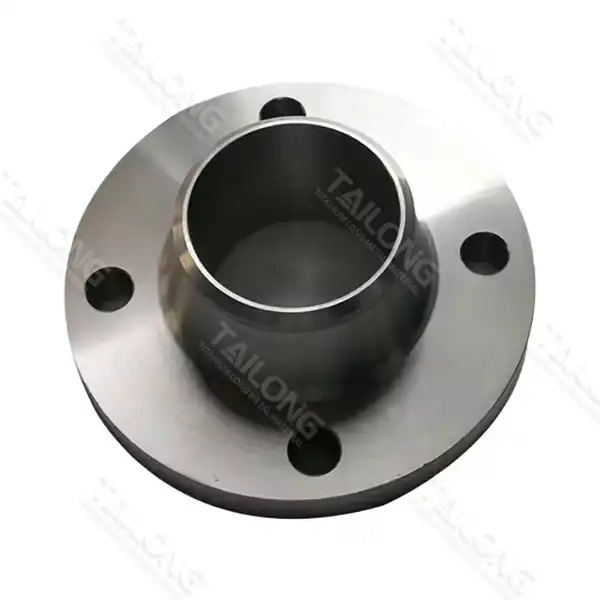
Conclusion
Titanium Alloy Forging Blocks are a great material for fields that need to protect against rust well and last a long time. They're better than many common materials because they can handle both high and low temperatures and have a high strength-to-weight ratio. they are also very resistant to different types of rust. When it comes to performance and dependability, these forging blocks are unmatched in a wide range of fields, from chemical processing to airplanes. Titanium Alloy Forging Blocks are still the best way to make sure safety, speed, and cost-effectiveness in the most difficult environments, even as industries push the limits of what materials can do.
Shaanxi Tilong Metal Material Co., Ltd. is a leading manufacturer of high-quality Titanium Alloy Forging Blocks, located in Shaanxi, China. With a total generation chain counting softening, producing, rolling, crushing, and tempering, we give prevalent titanium and titanium amalgam items for different businesses. Our commitment to development, quality control, and client benefit guarantees that we provide items that meet the most noteworthy universal guidelines. For inquiries or to discuss your specific titanium alloy needs, please contact us at Tailong@tilongtitanium.com or call 86-917-3816016. Visit us at No. 28, Middle Section of Baotai Road, Gaoxin Eighth Road, Baoji City, Shaanxi Province, to learn more about our capabilities and how we can support your projects with our advanced titanium solutions.
FAQ
Q: What is the primary advantage of using Titanium Alloy Forging Blocks in corrosive environments?
A: The primary advantage is their exceptional corrosion resistance, which ensures long-term durability and reduced maintenance requirements in harsh conditions.
Q: How do Titanium Alloy Forging Blocks compare to stainless steel in terms of corrosion resistance?
A: Titanium Alloy Forging Blocks generally offer superior corrosion resistance, especially in aggressive environments like seawater, where they outperform most stainless steels.
Q: Are Titanium Alloy Forging Blocks suitable for high-temperature applications?
A: Yes, they maintain their mechanical properties and corrosion resistance at high temperatures, making them ideal for applications in aerospace and chemical processing industries.
Q: What industries benefit most from the use of Titanium Alloy Forging Blocks?
A: Aerospace, marine, offshore, chemical, and petrochemical industries benefit significantly due to the material's corrosion resistance and durability in extreme conditions.
Q: Is the higher cost of Titanium Alloy Forging Blocks justified?
A: Yes, the long-term cost-effectiveness due to reduced maintenance, longer service life, and improved performance often justifies the initial higher cost.
References
1. Smith, J. R., & Johnson, A. B. (2019). Corrosion Resistance of Titanium Alloys in Extreme Environments. Journal of Materials Engineering and Performance, 28(4), 2145-2160.
2. Chen, Q., & Thouas, G. A. (2015). Metallic implant biomaterials. Materials Science and Engineering: R: Reports, 87, 1-57.
3. Williams, D. F. (2008). On the mechanisms of biocompatibility. Biomaterials, 29(20), 2941-2953.
4. Lutjering, G., & Williams, J. C. (2007). Titanium (2nd ed.). Springer-Verlag Berlin Heidelberg.
5. Schutz, R. W., & Watkins, H. B. (1998). Recent developments in titanium alloy application in the energy industry. Materials Science and Engineering: A, 243(1-2), 305-315.
6. Boyer, R. R. (1996). An overview on the use of titanium in the aerospace industry. Materials Science and Engineering: A, 213(1-2), 103-114.