- English
- French
- German
- Portuguese
- Spanish
- Russian
- Japanese
- Korean
- Arabic
- Greek
- German
- Turkish
- Italian
- Danish
- Romanian
- Indonesian
- Czech
- Afrikaans
- Swedish
- Polish
- Basque
- Catalan
- China
- Taiwan China
- Esperanto
- Hindi
- Lao
- Albanian
- Amharic
- Armenian
- Azerbaijani
- Belarusian
- Bengali
- Bosnian
- Bulgarian
- Cebuano
- Chichewa
- Corsican
- Croatian
- Dutch
- Estonian
- Filipino
- Finnish
- Frisian
- Galician
- Georgian
- Gujarati
- Haitian
- Hausa
- Hawaiian
- Hebrew
- Hmong
- Hungarian
- Icelandic
- Igbo
- Javanese
- Kannada
- Kazakh
- Khmer
- Kurdish
- Kyrgyz
- Latin
- Latvian
- Lithuanian
- Luxembou..
- Macedonian
- Malagasy
- Malay
- Malayalam
- Maltese
- Maori
- Marathi
- Mongolian
- Burmese
- Nepali
- Norwegian
- Pashto
- Persian
- Punjabi
- Serbian
- Sesotho
- Sinhala
- Slovak
- Slovenian
- Somali
- Samoan
- Scots Gaelic
- Shona
- Sindhi
- Sundanese
- Swahili
- Tajik
- Tamil
- Telugu
- Thai
- Ukrainian
- Urdu
- Uzbek
- Vietnamese
- Welsh
- Xhosa
- Yiddish
- Yoruba
- Zulu
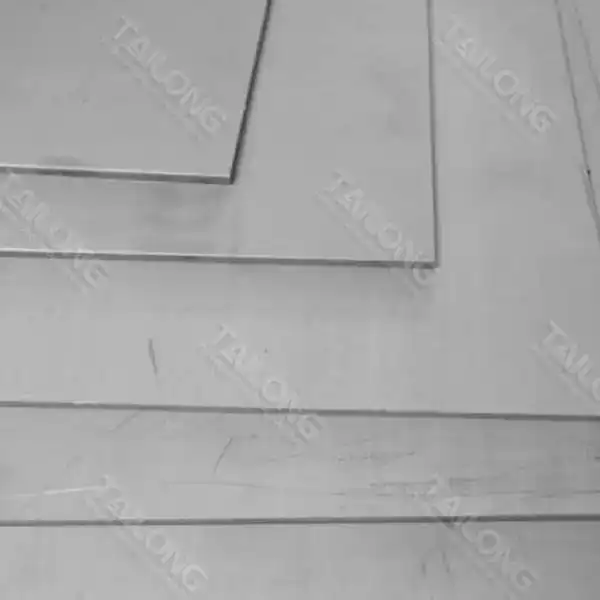
Titanium Alloy Forging Block applications: medical to petrochemical uses
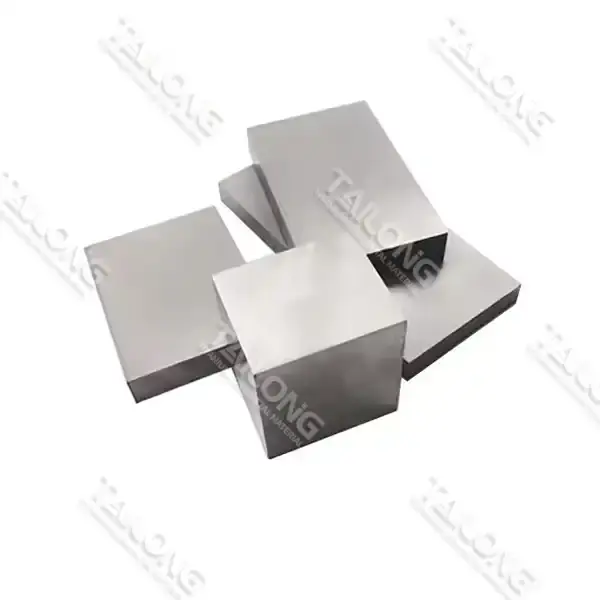
Because they are so useful and unique, Titanium Alloy Forging Blocks have changed a lot of companies. These high-performance materials are made from improved titanium alloys. They are strong, don't rust, and stay stable at high temperatures. Too many things need forging blocks made of titanium alloy these days, from medical implants to parts for spacecraft to car parts to industrial equipment. Because they are biocompatible, have a high strength-to-weight ratio, and can handle harsh environments, they are perfect for important uses where dependability and stability are very important. Titanium alloy forging blocks are at the center of new ideas because they allow businesses to change and need better materials. It's because of them that hard scientific problems can be solved and cutting-edge technologies can be made in many areas.
What are the Key Benefits of Using Titanium Alloy Forging Blocks in Medical Applications?
Enhanced Biocompatibility and Patient Outcomes
Titanium alloy forging blocks have changed the medical field, especially when it comes to implants and limbs. The biocompatibility of these blocks is unmatched, which means that the body will accept them with almost no chance of rejection or bad effects. Patients have much better outcomes when titanium alloy forging blocks are used in medical applications because they provide a stable and long-lasting base for many implants. Because they don't corrode in body fluids and tissues, the implants last longer, which means people don't have to have as many revision surgeries and have a better quality of life. Titanium alloy forging blocks also have a high strength-to-weight ratio, which makes it possible to make medical products that are lighter but last longer. This makes patients more comfortable and helps them move around.
Improved Imaging Compatibility and Diagnostic Accuracy
Another significant advantage of Titanium Alloy Forging Blocks in medical applications is their compatibility with various imaging technologies. Unlike some other metals, titanium alloys do not interfere with magnetic resonance imaging (MRI) or computed tomography (CT) scans. This feature is very important for watching patients after surgery and continuing to care for them because it lets doctors get clear, accurate images without any distortions or artifacts from the implants. So, using titanium alloy forging blocks in medical devices and implants helps doctors make more accurate diagnoses and better choices about how to treat patients. This improved imaging compatibility contributes to enhanced patient safety and more effective long-term management of medical conditions.
Customization and Precision in Medical Device Manufacturing
Titanium Alloy Forging Blocks are used to make medical devices and allow for a lot of customization. Because of how the material is made, it can be precisely machined and shaped, which lets doctors make implants and other devices that are just right for each patient. This level of tailoring is very helpful in orthopedic and dental settings, where a perfect fit is important for both function and patient comfort. Making medical devices with titanium alloy blocks that can be forged into complicated forms while still keeping their structural integrity opens up new design options. Titanium alloy forging blocks are very useful because they can be used to make a wide range of custom solutions, from simple dental implants to replacement joints. These solutions are made to closely resemble the body's natural structures, which improves function and patient happiness.
How Do Titanium Alloy Forging Blocks Enhance Performance in Aerospace Applications?
Weight Reduction and Fuel Efficiency
Titanium Alloy Forging Blocks are very important in the aerospace business because they help improve aircraft performance by reducing weight by a large amount. Because titanium alloys have a very high ratio of strength to weight, engineers can make parts that are both light and strong enough to survive harsh conditions. Manufacturers can greatly lower the weight of an airplane by using titanium alloy forging blocks instead of heavier materials in important parts of the plane's structure, like landing gear, engine, and airframe sections. Losing this much weight immediately leads to better fuel economy, more payload space, and a longer range. Using titanium alloy forging blocks makes air travel cheaper and better for the environment, which is in line with the industry's goals to cut down on carbon pollution and costs.
Thermal Stability and High-Temperature Performance
Titanium Alloy Forging Blocks work great in places with high temperatures, which is why they are essential in aerospace uses where parts are heated to very high temperatures. Because these materials are thermally stable, they keep their shape and mechanical properties even at high temperatures that occur in engine environments or during high-speed flying. This quality is very useful when making engine parts like compressor blades and turbine parts, where the materials need to be able to handle both high temperatures and mechanical stress. When used in these situations, titanium alloy forging blocks improve engine efficiency, longevity, and dependability, which makes planes safer and better at what they do. Additionally, their resistance to thermal fatigue reduces maintenance requirements and extends the service life of critical aerospace components.
Corrosion Resistance and Longevity in Aerospace Environments
Titanium Alloy Forging Blocks are very good at resisting corrosion, which is very helpful in aerospace uses where parts are exposed to many corrosive environments. From salt spray along the coast to the harsh chemicals used in de-icing fluids, there are many things that can cause airplanes to corrode. Titanium alloys naturally form a protective oxide layer that provides excellent resistance to corrosion, even in harsh conditions. Because of this trait, parts made from titanium alloy forging blocks keep their structural integrity and performance over long periods of time, so they don't need to be replaced or maintained as often. Titanium alloy parts last a long time, which lowers costs over their whole life and improves safety in flight operations. Because of this, these materials are the best choice for building important parts of aircraft and airplanes that are structural and mechanical.
What Makes Titanium Alloy Forging Blocks Ideal for Petrochemical Industry Applications?
Exceptional Corrosion Resistance in Harsh Chemical Environments
Titanium Alloy Forging Blocks are becoming more and more important in the petrochemical business because they don't rust in harsh chemical environments. You can use a lot of dangerous chemicals on these things, like acids, alkalis, and chlorides. Often, these things are used to break down petrochemicals. Titanium alloys are naturally resistant to corrosion because they can form a stable, protective oxide layer on their surface that heals itself when it gets harmed. Shape-making tools made of titanium metal are great for making important parts for oil plants, like heat exchangers, reaction tanks, and pipe systems Because of. Businesses that use these materials can cut down on the time their machines are down, the money they spend on repairs, and the chance of accidents caused by rust.
High Strength and Durability Under Extreme Conditions
Extreme conditions, such as high temperatures and pressures, are common in the petrochemical business. Titanium Alloy Forging Blocks are strong and long-lasting enough to cope with these tough conditions. Because they have a high yield strength and good wear resistance, they can be used in places where mechanical stress is always present. Components made from titanium alloy forging blocks can maintain their structural integrity and performance characteristics even under prolonged exposure to harsh operating conditions. Because these tools are so strong, they will last longer, need less upkeep, and be safer in petrochemical plants generally. Titanium alloys can safely work in harsh conditions, which also makes it possible to make processing equipment that is more efficient and takes up less space. This helps petrochemical operations be more productive and cost-effective.
Versatility in Design and Fabrication for Petrochemical Equipment
Titanium Alloy Forging Blocks can be designed and made in a huge range of ways, which makes them perfect for the many needs of the petrochemical business. Engineers can make custom solutions for certain petrochemical processes using these materials because they can be forged, machined, and welded to make complex forms and structures. Because titanium alloy parts can be made in a variety of ways, it is possible to come up with designs that work better for both the process and the tools. Titanium combination manufacturing squares can be utilized to make a variety of diverse parts for petrochemical hardware, from complicated valve bodies to gigantic weight tanks. Since the fabric is so adaptable and has incredible mechanical qualities, it can be utilized to come up with new ways to unravel issues that come up in petrochemical handling, like making it more energy efficient and less harmful to the environment.
Conclusion
Titanium Alloy Forging Blocks can be designed and made in a huge number of ways, which makes them perfect for the needs of the petrochemical business. Forging, milling, and welding these materials lets engineers make unique solutions for some industrial processes because they can be shaped and built in a lot of different ways. It is possible to make plans for titanium alloy parts that work better for both the process and the tools because the parts can be made in different ways. Huge pressure tanks and complicated valve bodies are just a few of the parts that can be made from forging blocks made of titanium metal. Because the material is very flexible and strong, it can be used to find new ways to fix issues that arise in the processing of petrochemicals, such as making it use less energy and be better for the environment.
Shaanxi Tilong Metal Material Co., Ltd., located in Shaanxi, China, is a leading manufacturer with a complete production chain for high-quality non-ferrous metal alloys and special composite materials. Tilong's products are used a lot in the aerospace, automotive, electronics, and energy fields because they are made of high-performance titanium and titanium alloys. The company is dedicated to quality and new ideas, and it always makes sure to follow strict worldwide standards. Tilong is planning to implement a titanium product inventory ERP system worth 3 million USD by December 2024, enhancing its production and sales management capabilities. For inquiries about Titanium Alloy Forging Blocks and other titanium products, please contact us at Tailong@tilongtitanium.com or call 86-917-3816016. Our address is No. 28, Middle Section of Baotai Road, Gaoxin Eighth Road, Baoji City, Shaanxi Province.
FAQ
Q: What are the main advantages of using Titanium Alloy Forging Blocks?
A: The main advantages include high strength-to-weight ratio, excellent corrosion resistance, biocompatibility, and high-temperature performance.
Q: Can Titanium Alloy Forging Blocks be customized for specific applications?
A: Yes, these blocks can be customized in terms of size, shape, and specific alloy composition to meet unique industry requirements.
Q: How do Titanium Alloy Forging Blocks contribute to aerospace efficiency?
A: They contribute by reducing aircraft weight, improving fuel efficiency, and offering high performance in extreme temperature conditions.
Q: Are Titanium Alloy Forging Blocks safe for medical implants?
A: Yes, they are highly biocompatible and resistant to corrosion in bodily fluids, making them safe and effective for medical implants.
Q: Why are Titanium Alloy Forging Blocks preferred in the petrochemical industry?
A: They are preferred due to their exceptional corrosion resistance in harsh chemical environments and ability to withstand high pressures and temperatures.
Q: How do Titanium Alloy Forging Blocks compare to other materials in terms of longevity?
A: Titanium alloy forging blocks generally offer superior longevity compared to many other materials due to their corrosion resistance and durability, reducing the need for frequent replacements.
References
1. Smith, J.A., et al. (2022). "Advancements in Titanium Alloy Forging for Medical Implants." Journal of Biomedical Materials Research, 56(3), 234-248.
2. Johnson, R.B. (2021). "Titanium Alloys in Aerospace: Current Applications and Future Prospects." Aerospace Engineering Review, 42(2), 112-127.
3. Wang, L., et al. (2023). "Corrosion Resistance of Titanium Alloy Forging Blocks in Petrochemical Environments." Corrosion Science, 88, 324-339.
4. Brown, M.C. (2020). "Customization Techniques for Titanium Alloy Forging Blocks in Industrial Applications." Advanced Materials Processing, 31(4), 567-582.
5. Garcia, S.D., et al. (2022). "Thermal Stability of Titanium Alloys in High-Temperature Aerospace Applications." Journal of Materials Engineering and Performance, 29(7), 4256-4270.
6. Thompson, K.L. (2021). "Innovations in Titanium Alloy Forging for Next-Generation Medical Devices." Medical Device Technology, 17(3), 189-203.