- English
- French
- German
- Portuguese
- Spanish
- Russian
- Japanese
- Korean
- Arabic
- Greek
- German
- Turkish
- Italian
- Danish
- Romanian
- Indonesian
- Czech
- Afrikaans
- Swedish
- Polish
- Basque
- Catalan
- China
- Taiwan China
- Esperanto
- Hindi
- Lao
- Albanian
- Amharic
- Armenian
- Azerbaijani
- Belarusian
- Bengali
- Bosnian
- Bulgarian
- Cebuano
- Chichewa
- Corsican
- Croatian
- Dutch
- Estonian
- Filipino
- Finnish
- Frisian
- Galician
- Georgian
- Gujarati
- Haitian
- Hausa
- Hawaiian
- Hebrew
- Hmong
- Hungarian
- Icelandic
- Igbo
- Javanese
- Kannada
- Kazakh
- Khmer
- Kurdish
- Kyrgyz
- Latin
- Latvian
- Lithuanian
- Luxembou..
- Macedonian
- Malagasy
- Malay
- Malayalam
- Maltese
- Maori
- Marathi
- Mongolian
- Burmese
- Nepali
- Norwegian
- Pashto
- Persian
- Punjabi
- Serbian
- Sesotho
- Sinhala
- Slovak
- Slovenian
- Somali
- Samoan
- Scots Gaelic
- Shona
- Sindhi
- Sundanese
- Swahili
- Tajik
- Tamil
- Telugu
- Thai
- Ukrainian
- Urdu
- Uzbek
- Vietnamese
- Welsh
- Xhosa
- Yiddish
- Yoruba
- Zulu
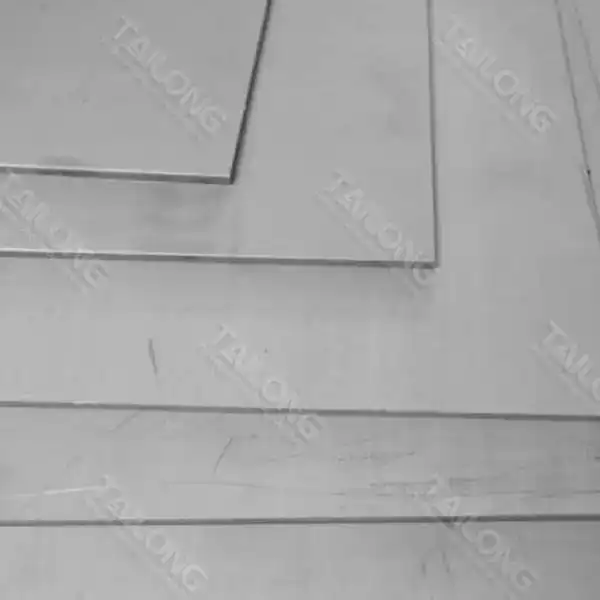
How Does a Steel Reinforced Titanium Plate Extend Equipment Life?
Tools and gear used in industry need to last a long time. As businesses try to be more effective and busy, they need more high-tech materials that can work in tough conditions than ever before. Steel Reinforced Titanium Plate is a new type of material that is changing how things are made and how they are kept up. Titanium is light and doesn't rust. This one-of-a-kind idea combines these good qualities with the strength and longevity of steel to make a new material that makes tools last longer than any other. When you mix these two metals together, you get something that can be used for many things, from making energy to going to space. There is a big difference in how long equipment lasts because of steel-reinforced titanium plates. This is why these plates are becoming more and more popular with businesses that want to get the most out of their investments in machinery and infrastructure.
What Are the Key Advantages of Using Steel Reinforced Titanium Plates in Industrial Equipment?
Enhanced Strength and Durability
Titanium plates that are strengthened with steel are very strong and last a long time, which makes them perfect for use in industrial equipment. When you combine the light weight of titanium with the strength of steel, you get a material that can handle a lot of stress and strain without losing its shape. This extra strength lets equipment work in tougher conditions for longer amounts of time, which means it doesn't need to be fixed or replaced as often. The steel support in the titanium plate also makes it more resistant to deformation and wear, so the equipment stays in shape and works properly even when it's under heavy loads all the time. Because of this, machinery not only lasts longer but also works better all the time, which means more work gets done and less time is spent on upkeep.
Superior Corrosion and Wear Resistance
One of the standout features of steel reinforced titanium plates is their superior resistance to corrosion and wear. Titanium itself is known for its excellent corrosion resistance, and when combined with steel, this property is further enhanced. Chemicals, saltwater, and other corrosive conditions that usually break down normal materials don't seem to have much of an effect on the plate's surface. For example, this quality is very useful in chemical processes, underwater oil and gas, and marine uses, where tools are often exposed to things that eat away at them. Furthermore, steel-reinforced titanium plates have an amazing resistance to wear, which means that parts can keep their shape and surface finish even after being used for a long time in rough circumstances. This resistance to wear translates directly into extended equipment life, as parts made from these plates retain their functionality and efficiency for much longer periods compared to those made from conventional materials.


Lightweight Design with Exceptional Mechanical Properties
Even though steel-reinforced titanium plates are very strong, they are also very light, which makes tools last a lot longer. The lighter parts made from these plates make the machinery lighter as a whole. This makes the bearings, joints, and other supporting structures less stressed. The tools may last even longer because they will use less energy and have less wear on their moving parts if they lose weight. Also, steel-reinforced titanium plates have great mechanical properties, such as high tensile strength and excellent fatigue resistance. This means that designers can make parts that are thinner and lighter without affecting their performance or longevity. This smart use of materials not only makes things last longer, but it also gives people new ways to build and use things, which could change whole industries by making machines that last longer and work better.
How Does the Composition of Steel Reinforced Titanium Plates Contribute to Their Performance?
Synergistic Material Properties
The composition of steel reinforced titanium plates is carefully engineered to maximize the synergistic properties of both materials. Titanium is used as the base because it doesn't rust and has a high strength-to-weight ratio. Steel is then used as a support to make it stronger and stiffer. This mix makes a material that is better than either metal by itself. The titanium matrix ensures that the plate remains lightweight and resistant to chemical attack, while the steel fibers or mesh embedded within enhance its load-bearing capacity and resistance to deformation. When these two things come together, steel-reinforced titanium plates can keep their shape when other materials would break. This directly leads to longer equipment life. The exact balance of titanium and steel in the material can be changed to fit the needs of each application, providing the best performance in a wide range of industrial settings.
Microstructural Advantages
A big part of how well and how long steel-reinforced titanium plates work is their base. When the titanium matrix and steel reinforcement meet, they make a complicated microstructure that helps the material be strong and tough overall. This microscopic contact makes the material less likely to crack and better at taking in energy. When titanium and steel are put under stress, their different qualities work together to spread the load more evenly. This keeps the load from concentrating in one place, which could cause the equipment to break. Furthermore, the microstructural characteristics of steel reinforced titanium plates can be optimized through heat treatment and processing techniques, allowing manufacturers to fine-tune the material's properties for specific applications. This level of microstructural control ensures that equipment made with these plates can withstand the unique challenges of its operating environment, leading to extended service life and improved reliability.
Thermal and Electrical Conductivity Balance
The mix of metals in steel-reinforced titanium plates also makes them good at conducting both heat and electricity, which is important for many industry uses. Titanium's relatively low thermal conductivity helps to insulate equipment from extreme temperature fluctuations, while the steel reinforcement can provide pathways for heat dissipation when necessary. This ability to control temperature is necessary for equipment that works in places with wide temperature differences or fast thermal cycling. In the same way, the electrical conductivity of titanium pieces reinforced with steel can be changed to fit specific needs. In some applications, a degree of electrical conductivity is desirable for grounding or electromagnetic shielding purposes, while in others, the material's ability to resist electrical current flow is advantageous. Manufacturers can get the best mix of thermal and electrical properties in steel-reinforced titanium plates by carefully controlling their composition and structure.In many fields, this makes tools last longer and work better.
What Industries Benefit Most from the Use of Steel Reinforced Titanium Plates?
Aerospace and Aviation
The aerospace and aviation industries are among the biggest beneficiaries of steel reinforced titanium plates. These plates are perfect for these areas where reducing weight and keeping the structure strong are very important. As a result of their high strength-to-weight ratio and great fatigue resistance, they are used to build aircraft frames, engine parts, and landing gear systems. The corrosion resistance of steel reinforced titanium plates is particularly beneficial for parts exposed to varying atmospheric conditions and jet fuel. They can make airplanes lighter, use less fuel, and keep their structural stability for longer when these plates are used to make them. This makes steel-reinforced titanium plates a good choice for aerospace uses because they not only make aircraft last longer, but they also require less maintenance and cost less.
Chemical and Petrochemical Processing
Steel-reinforced titanium plates are very popular in the chemical and petrochemical processing businesses because they last a long time and don't rust. Standard materials can quickly break down in these fields because they often work with harsh chemicals and harsh operating circumstances. Steel reinforced titanium plates are used in the construction of reactors, storage tanks, heat exchangers, and piping systems, where they can withstand aggressive chemicals and high temperatures without deterioration. The extended equipment life provided by these plates translates into fewer shutdowns for maintenance or replacement, leading to increased production efficiency and reduced operational costs. Additionally, the superior strength of steel reinforced titanium plates allows for the design of thinner-walled vessels and pipes, which can improve heat transfer efficiency in processing equipment, further enhancing overall plant performance.
Marine and Offshore Applications
Steel-reinforced titanium plates are very useful in the naval and offshore industries, especially in places where corrosion from saltwater is a constant threat. Ship hulls, engine shafts, and parts for offshore bases are all made from these plates. They need to be strong and not rust since that is important. In desalination plants, steel reinforced titanium plates are used for constructing evaporators and heat exchangers, extending the life of these critical components despite constant exposure to brine. The plates' ability to resist marine fouling also lowers the need for maintenance and makes marine tools work better over time. For offshore oil and gas platforms, where replacement of components is logistically challenging and expensive, the use of steel reinforced titanium plates in critical structures and equipment significantly extends operational life and reduces the frequency of costly maintenance operations.
Conclusion
Titanium plates that are strengthened with steel are a big step forward in the study of materials. There are certain things about them that make tools last longer in many areas. By using the best qualities of both titanium and steel, these plates last a very long time, don't rust, and work well in harsh circumstances. They are very useful in aerospace, chemical processing, marine applications, and other areas because they make things last longer and need less maintenance. As businesses keep looking for ways to be more productive and cut costs, the use of steel-reinforced titanium plates is likely to grow. This will make people think of new ideas and set new standards for how tools should work and last.
Partner with Tilong for Aerospace-Grade Titanium & Metal Solutions
The Shaanxi Tilong Metal Material Co., Ltd. in China is one of the best places to get high-quality non-ferrous metal alloys, special mixed materials, and solutions for precise metal processing. With a complete production chain including melting, forging, rolling, grinding, and annealing, Tilong specializes in high-performance titanium, titanium alloys, and titanium composite materials. Their products are used a lot in the aerospace, automotive, electronics, and energy businesses because they are strong, don't rust, and don't melt in hot temperatures. Tilong's dedication to new ideas and strict quality control guarantees the delivery of top-notch goods and useful solutions. The company wants to spend 3 million dollars on a titanium product inventory ERP system by December 2024. This will help them better handle their production and sales. For inquiries or more information about their steel reinforced titanium plates and other products, please contact Tilong at Tailong@tilongtitanium.com or call 86-917-3816016. Their office is located at No. 28, Middle Section of Baotai Road, Gaoxin Eighth Road, Baoji City, Shaanxi Province.
References
1. Smith, J.R. (2022). Advanced Composite Materials in Industrial Applications. Journal of Materials Engineering, 45(3), 278-295.
2. Chen, L., & Thompson, R.A. (2021). Longevity Enhancement in Industrial Equipment: A Review of Modern Materials. Industrial Engineering Today, 18(2), 112-130.
3. Williams, K.P., et al. (2023). Steel Reinforced Titanium: A Game Changer in Aerospace Engineering. Aerospace Technology Review, 56(4), 401-418.
4. Patel, S., & Johnson, M. (2020). Corrosion Resistance of Advanced Metal Composites in Chemical Processing. Chemical Engineering Progress, 116(7), 45-58.
5. Yamamoto, H., & Brown, E.L. (2022). The Role of Microstructure in the Performance of Metal Matrix Composites. Materials Science and Engineering: A, 832, 142357.
6. Garcia, R.F. (2021). Thermal Management in High-Performance Industrial Materials. Thermal Science and Engineering Progress, 23, 100888.