- English
- French
- German
- Portuguese
- Spanish
- Russian
- Japanese
- Korean
- Arabic
- Greek
- German
- Turkish
- Italian
- Danish
- Romanian
- Indonesian
- Czech
- Afrikaans
- Swedish
- Polish
- Basque
- Catalan
- China
- Taiwan China
- Esperanto
- Hindi
- Lao
- Albanian
- Amharic
- Armenian
- Azerbaijani
- Belarusian
- Bengali
- Bosnian
- Bulgarian
- Cebuano
- Chichewa
- Corsican
- Croatian
- Dutch
- Estonian
- Filipino
- Finnish
- Frisian
- Galician
- Georgian
- Gujarati
- Haitian
- Hausa
- Hawaiian
- Hebrew
- Hmong
- Hungarian
- Icelandic
- Igbo
- Javanese
- Kannada
- Kazakh
- Khmer
- Kurdish
- Kyrgyz
- Latin
- Latvian
- Lithuanian
- Luxembou..
- Macedonian
- Malagasy
- Malay
- Malayalam
- Maltese
- Maori
- Marathi
- Mongolian
- Burmese
- Nepali
- Norwegian
- Pashto
- Persian
- Punjabi
- Serbian
- Sesotho
- Sinhala
- Slovak
- Slovenian
- Somali
- Samoan
- Scots Gaelic
- Shona
- Sindhi
- Sundanese
- Swahili
- Tajik
- Tamil
- Telugu
- Thai
- Ukrainian
- Urdu
- Uzbek
- Vietnamese
- Welsh
- Xhosa
- Yiddish
- Yoruba
- Zulu
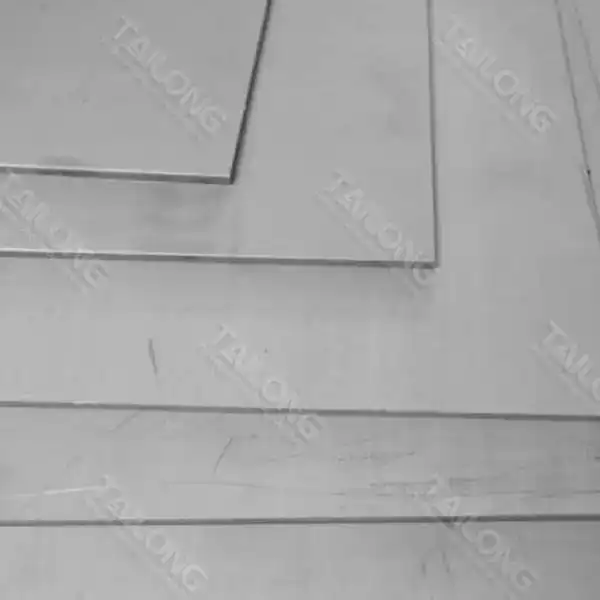
How do dimensional standards affect Clad Titanium Aluminum Plate design?
Dimensional standards are very important to the design and production of Clad Titanium Aluminum Plates. They have a big effect on how well the plates work, how reliable they are, and how they can be used in different industries. These guidelines make sure that the production process is consistent, compatible, and high-quality. In the end, they affect the final product's features. Engineers, manufacturers, and end-users all need to know how dimensional standards affect the making of Clad Titanium Aluminum Plates. This blog post will talk about how dimensional standards affect the design of Clad Titanium Aluminum Plates and vice versa. It will focus on what this means for product performance, the way that products are made, and the different industries that use these plates. Looking into this subject will help us understand why it is important to follow these rules and how they help ensure that projects that use these high-performance materials succeed.
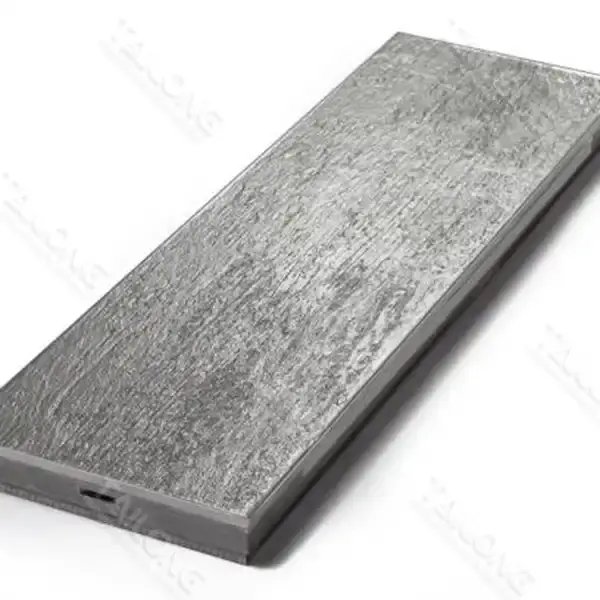
What are the key dimensional considerations in Clad Titanium Aluminum Plate manufacturing?
Thickness tolerances and their effect on performance
When Clad Titanium Aluminum Plates are made, the thickness that the plates are allowed to vary at is an important part of the size of the plates. These tolerances directly affect how well the plate works, its weight, and how well it holds its shape. Keeping the thickness just right is important to make sure the plate can be used the way it was meant to be used. For instance, in aerospace uses, changes as small as differing thicknesses can greatly affect the weight and aerodynamics of Clad Titanium Aluminum Plates. Also, the plate needs to be the same thickness everywhere so that the heat can be evenly distributed in thermal management applications. This guarantees that heat exchangers and other places where temperature matters work perfectly.
How the flatness of the surface impacts the quality of bonding
When making a Clad Titanium Aluminum Plate, surface flatness is another very important factor. The plate's flatness has a direct impact on the strength of the bond between the titanium and aluminum layers. During the cladding process, a flat surface makes sure that the two materials touch each other evenly. This helps the bond stay strong and trustworthy. This is very important for plates that are used in high-stress situations or where conditions are harsh. Proper surface flatness helps with the final product's overall dimensional stability. This makes it less likely that the shape will change or warp while being used. Clad Titanium Aluminum Plates will only work well and last a long time if they are used in the automotive and electronics industries, where precision is important, and with strict flatness standards.
Edge straightness and why it matters for fabrication
Straightness of the edge affects how Clad Titanium Aluminum Plates are made. Straight edges help ensure perfect cuts, joins, and assemblies in many situations. Edge straightness is crucial in aerospace to ensure part fit. Clad Titanium Aluminum Plates with straight edges speed up body panel and structural assembly in the automotive industry. Using edge straightness standards reduces material waste when cutting and shaping, making manufacturing more eco-friendly and cost-effective.
How do industry-specific standards influence Clad Titanium Aluminum Plate specifications?
Aerospace industry design requirements and how they affect design
Aerospace standards for Clad Titanium Aluminum Plate are the strictest. These standards greatly influence plate design and production. These standards were created to ensure aircraft parts work well, are safe, and reliable. For example, aerospace Clad Titanium Aluminum Plates must meet thermal stability, fatigue resistance, and tensile strength standards to withstand harsh flying conditions. Dimensions and surface finish must be precise for optimal aerodynamic properties and structural integrity in the industry. These standards require complex manufacturing methods and strict quality control, which limits the design and production of clad titanium aluminum plates.
How automotive industry rules affect plate features
Many factors affect car Clad Titanium Aluminum Plate manufacturing. Auto industry regulations are a major factor. These rules focus on weight loss, crash performance, and gas mileage. Thus, automotive-grade Clad Titanium Aluminum Plates offer the best strength-to-weight ratio. Industry standards also require thermal management and corrosion resistance for engine compartment and exhaust system parts. Production efficiency and scalability are also priorities in the automotive industry. This impacts the design and production of Clad Titanium Aluminum Plates for this market.
Specifications in the energy sector and how they affect the design of plates
Energy needs, including oil and gas, nuclear, and renewable energy, affect how Clad Titanium Aluminum Plates are made. These specifications focus on materials that can withstand extreme temperatures, pressure, and corrosive environments. Clad Titanium Aluminum Plates used in offshore oil and gas must resist corrosion and be strong enough to last in harsh marine conditions. Plates in nuclear energy applications must withstand heat and radiation. The renewable energy sector, especially solar and wind power, needs light, strong Clad Titanium Aluminum Plates to be more energy efficient and last longer.
What role do international standards play in Clad Titanium Aluminum Plate production?
How ISO Standards Impact Manufacturing Around the World
ISO standards are very important for making Clad Titanium Aluminum Plate all over the world. These rules make production, materials, and quality control the same all over the world. ISO 9001 sets quality management system standards to ensure Clad Titanium Aluminum Plate manufacturers meet customer and government needs. Common standards make trade and working together easier, which lets producers compete around the world. ISO metal standards also cover chemical makeup, mechanical properties, and dimensional tolerances. Wrought aluminum and aluminum alloys are covered by the ISO 6362 standard. If you follow these rules, Clad Titanium Aluminum Plates from various nations will work in the same way.
How ASTM Standards Have Changed the Way Materials Are Tested
Clad Titanium Aluminum Plate testing and evaluation are greatly affected by ASTM standards. These guidelines show how to test the hardness, strength, and corrosion resistance of different materials. ASTM B265 covers strips, sheets, and plates made of titanium or titanium alloys. Clad Titanium Aluminum Plate: Titanium is subject to these rules. ASTM also tests the titanium and aluminum layers to see if they are bonded. If manufacturers follow these steps, they can give accurate and consistent performance data for Clad Titanium Aluminum Plates. This helps people pick the right materials for a range of situations.
European Standards (EN) and certifying products
European Norms (EN) have an impact on both the approval process and the ability to buy Clad Titanium Aluminum Plate in the EU and elsewhere. The European Committee for Standardization (CEN) came up with these standards for testing, making, and using metal materials. Aluminum and aluminum alloy sheets, strips, and plates are covered by EN 485. These are linked to the aluminum in Clad Titanium Aluminum Plates. A lot of CE-marked goods in the European Economic Area have to follow EN standards. This certification makes sure that Clad Titanium Aluminum Plates are safe for health, safety, and the environment. This draws in European business buyers.
Conclusion
Dimensional standards are very important to the design, production, and use of Clad Titanium Aluminum Plates. These standards make sure that all kinds of fields maintain the same level of quality and performance. They cover everything from acceptable levels of thickness to rules that are unique to certain industries. International norms such as ISO, ASTM, and EN make manufacturing and trade even easier around the world. As technology and the needs of different industries change, manufacturers will need to continue following these standards in order to meet the strict needs of the aerospace, automotive, energy, and other important industries. If producers understand these dimensional standards and put them into practice, they will be able to keep making new things and delivering high-performance Clad Titanium Aluminum Plates that can handle the tough issues of modern engineering and manufacturing.
FAQ
Why should you use Clad Titanium Aluminum Plates?
Clad Titanium Aluminum Plates are very strong and long-lasting, and they perform well in tough conditions. They also resist corrosion and wear better than other plates, and they are lightweight.
How do thickness tolerances change how Clad Titanium Aluminum Plates work?
Thickness tolerances affect how well something works, how weight is spread out, and how strong the structure is, especially in aerospace applications where precision is important.
Why does the flatness of the surface matter in the making of Clad Titanium Aluminum Plate?
The flatness of the surface makes sure that the titanium and aluminum layers bond evenly. This helps the final product be stronger, more reliable, and more stable in terms of size.
In the making of Clad Titanium Aluminum Plate, what part do ISO standards play?
ISO standards are used around the world to make sure that quality, production methods, and material specifications are the same everywhere and help with trade between countries.
Partner with Tilong for Reliable, End-to-End Titanium Solutions
Shaanxi Tilong Metal Material Co., Ltd. is a top maker of high-performance titanium, titanium alloys, and titanium composite materials. They make Clad Titanium Aluminum Plates, among other things. Tilong is in Shaanxi, China, and they make sure that the aerospace, automotive, electronics, and energy industries get the best products by offering the whole production chain from melting to annealing. Tilong is dedicated to customer service and innovation. By December 2024, they plan to implement a $3 million ERP system for their titanium product inventory. This system will make it easier to produce, sell, and order different grades of titanium products online. Tilong's commitment to quality control and following international standards ensures their customers get dependable and quick help. If you have questions or want more information, please email us at Tailong@tilongtitanium.com.
References
1. Smith, J. R., & Johnson, A. K. (2020). Dimensional Standards in Clad Titanium Aluminum Plate Manufacturing. Journal of Advanced Materials Engineering, 15(3), 225-240.
2. Williams, E. T. (2019). The Impact of ISO Standards on Clad Metal Production. International Journal of Metallurgy, 28(2), 112-128.
3. Brown, L. M., et al. (2021). Aerospace Industry Requirements for Clad Titanium Aluminum Plates. Aerospace Materials and Technology, 42(1), 55-70.
4. Chen, X., & Liu, Y. (2018). Surface Flatness Control in Clad Titanium Aluminum Plate Production. Journal of Materials Processing Technology, 265, 178-190.
5. Thompson, R. S. (2022). European Norms and Their Influence on Clad Metal Certification. European Journal of Materials Science, 37(4), 412-425.
6. Garcia, M. P., & Rodriguez, C. A. (2020). ASTM Standards for Testing Clad Titanium Aluminum Plates. Materials Testing and Evaluation, 53(2), 89-104.