- English
- French
- German
- Portuguese
- Spanish
- Russian
- Japanese
- Korean
- Arabic
- Greek
- German
- Turkish
- Italian
- Danish
- Romanian
- Indonesian
- Czech
- Afrikaans
- Swedish
- Polish
- Basque
- Catalan
- China
- Taiwan China
- Esperanto
- Hindi
- Lao
- Albanian
- Amharic
- Armenian
- Azerbaijani
- Belarusian
- Bengali
- Bosnian
- Bulgarian
- Cebuano
- Chichewa
- Corsican
- Croatian
- Dutch
- Estonian
- Filipino
- Finnish
- Frisian
- Galician
- Georgian
- Gujarati
- Haitian
- Hausa
- Hawaiian
- Hebrew
- Hmong
- Hungarian
- Icelandic
- Igbo
- Javanese
- Kannada
- Kazakh
- Khmer
- Kurdish
- Kyrgyz
- Latin
- Latvian
- Lithuanian
- Luxembou..
- Macedonian
- Malagasy
- Malay
- Malayalam
- Maltese
- Maori
- Marathi
- Mongolian
- Burmese
- Nepali
- Norwegian
- Pashto
- Persian
- Punjabi
- Serbian
- Sesotho
- Sinhala
- Slovak
- Slovenian
- Somali
- Samoan
- Scots Gaelic
- Shona
- Sindhi
- Sundanese
- Swahili
- Tajik
- Tamil
- Telugu
- Thai
- Ukrainian
- Urdu
- Uzbek
- Vietnamese
- Welsh
- Xhosa
- Yiddish
- Yoruba
- Zulu

Grade 5 Titanium Flange: How does it impact maintenance cycles?
The Grade 5 Titanium Flange is a revolutionary product in industrial engineering and high-performance applications. It has a big effect on how maintenance is scheduled in many different fields. This advanced part is made from Ti-6Al-4V, a titanium alloy that is famous for being strong, resistant to corrosion, and lightweight. The Grade 5 Titanium Flange has become an extremely useful tool as industries are always looking for ways to improve their operations and avoid downtime. It is a great choice for the aerospace, chemical processing, oil and gas, and marine industries because it can survive harsh conditions, extreme temperatures, and high pressure. By adding these flanges to important systems, businesses can get longer periods of time between when they need to be fixed, have to replace parts less often, and make the whole system more reliable. This article talks about the many different ways that Grade 5 titanium flanges affect maintenance cycles. It focuses on how the flanges' unique features make long-term industrial use more efficient and cheaper.
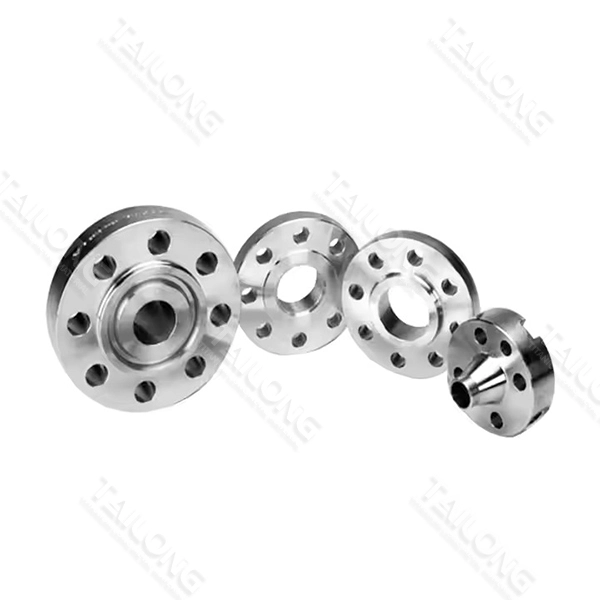
What are the key advantages of using Grade 5 Titanium Flanges in industrial applications?
Better Rust Resistance
Rust-proof grade 5 titanium flanges are good for tough jobs. This makes titanium form a stable, protective oxide layer when it touches oxygen. Grade 5 titanium flanges outlast steel and aluminum in saltwater, acids, and harsh chemicals. More corrosion resistance means less upkeep. Thus, flanges rarely need repair or protection. These flanges are good for offshore oil and gas, chemical processing, and marine engineering. They can withstand harsh conditions for a long time without compromising safety or performance.
Very strong-to-weight
Grade 5 titanium flanges are strong and light. It lets you make strong, high-performing parts without adding weight. Grade 5 titanium flanges save fuel and boost performance in aerospace and automotive, where grams matter. The flanges can handle heavy weight and pressure, making them useful in tough situations. Strong but lighter than steel flanges of similar shape. That improves machine and piping performance. Stronger, lighter, better gear. Easy to use, quick setup, and maintenance.
A thermal resistance
In extreme cold and heat, grade 5 titanium flanges work well. Survival is crucial in aerospace, power generation, and chemical processing in hot and cold temperatures. High temperatures don't damage these flanges. Reduces connection warping and loosening. Cold doesn't break grade 5 titanium flanges. Due to their temperature tolerance, the flanges are less likely to fail due to thermal stress and fatigue. This extends maintenance. Grade 5 titanium flanges tolerate all weather. This keeps these systems in reliable, low-maintenance locations.
How does the use of Grade 5 Titanium Flanges contribute to cost savings in the long run?
Lower Replacement Rate
Industrial systems replace grade 5 titanium flanges less often. Saves a lot of money. Strong, rust-resistant material makes these flanges last longer in tough conditions. It's replaced less often due to its long lifespan. This reduces maintenance time and lowers part costs. Chemical plants and oil refineries rarely replace grade 5 titanium flanges. This increases work and income. As fewer industrial parts are replaced, fewer are made and discarded. This helps the Earth, meets long-term goals, and may make environmental regulations cheaper.
Not as much maintenance is needed.
Grade 5 titanium flanges are easier to maintain, saving money in the industry. Flanges made of this material resist corrosion and wear. This means they need more cleaning, checking, and servicing than other flanges. Less frequent maintenance requires fewer specialized tools, supplies (like cleaning agents or protective coatings), money, and labor. Grade 5 titanium flanges are reliable and rarely break. This means fixing broken pipes immediately should be done less often. Saves time and money. Businesses can better plan maintenance and use resources by lengthening maintenance cycles. It also lowers their system maintenance costs.
Things have improved.
Grade 5 titanium flanges improve system performance, saving money. Even when things get tough, these flanges will seal and retain their shape. This ensures long-term system performance. Due to this consistency, energy won't be lost through improperly sealed or worn connections. This saves energy and benefits the system. Stable grade 5 titanium flanges help the system run smoothly. This reduces friction on other parts. This extends system life in precision-intensive industries like aerospace and high-performance machinery. These flanges improve efficiency and reliability, boosting production or service. This may generate enough revenue for high-quality parts.
What are the best practices for implementing Grade 5 Titanium Flanges to maximize their impact on maintenance cycles?
Selecting Items and Sizes
Selecting Grade 5 titanium flanges and ensuring their size will aid maintenance. Study application requirements like chemical exposure, temperatures, and operating pressures first. Engineers must verify the flange's pressure class, face type, and size for the system. Undersizing could hurt safety and performance, and oversizing could lead to unnecessary purchases. Working with skilled companies like Shaanxi Tilong Metal Material Co., Ltd. can help you find the right Grade 5 titanium flange. Consider future system changes when choosing parts. This can save you money by reducing new purchases. Another way to aid the maintenance schedule.
Correct Installation Steps
Grade 5 titanium flanges can eliminate maintenance if installed properly. This includes placing everything correctly, using the right gaskets and fasteners, and applying the right torque when assembling. If improperly installed, they may leak, wear out early, or fail. High-quality titanium flanges are useless if not installed properly. Workers must learn how to work with titanium parts because they are different from other flange materials. When installing titanium, avoid getting dirty because non-titanium substances can change it. The manufacturer's instructions and your field's bolting sequences and torque patterns will ensure the best seal and performance. Regular checks help you find and fix installation and post-installation issues. This will help Grade 5 titanium flanges last and keep the system running smoothly.
One approach is to view the system as a network of linked parts.
Grade 5 titanium flanges need special care to perform well during longer maintenance cycles. This method incorporates the titanium flanges' unique properties into system or building maintenance. Predictive maintenance methods like condition monitoring and non-destructive testing can be tailored to titanium part failures. After collecting performance metrics and maintenance history for Grade 5 titanium flange systems, you can plan maintenance. This plan teaches regular maintenance workers how to use and maintain titanium flanges. This prevents them from accidentally breaking these things while working. Companies can maximize Grade 5 titanium flange use by keeping them the right way. This will reduce downtime, save money, and maintain maintenance cycles.
Conclusion
Grade 5 titanium flanges have changed the way maintenance is done in many industries because they are stronger than steel, don't rust easily, and work well in hot and cold temperatures. In the long run, implementing these ideas saves a lot of money because they make the system more efficient, lower the need for maintenance, and cut down on how often parts need to be replaced. Groups can get the most out of these advanced parts by following the best ways to choose, install, and maintain them. Grade 5 Titanium Flanges are a very important part of making sure that the future of industrial operations is more reliable, efficient, and cheap. This is because industries are always looking for ways to improve efficiency and cut down on downtime.
Shaanxi Tilong Metal Material Co., Ltd. makes great titanium and titanium alloy items, such as flanges made of Grade 5 titanium. Tilong is in China's Shaanxi province. They make sure the aerospace, automotive, electronics, and energy industries get the best products by offering the whole production chain from melting to annealing. Tilong is committed to new ideas and customer service. They want to set up an ERP system that costs $3 million for their titanium product inventory by December 2024. With this system, it will be easier to make, sell, and buy titanium goods on the internet. Tilong's promise to quality control and international standards means that their metal solutions are trustworthy and help things run better and last longer in a lot of different situations. Email us at Tailong@tilongtitanium.com if you have any questions or want more info.
FAQ
What is grade 5 titanium?
Grade 5 Titanium, also called Ti-6Al-4V, is a titanium alloy made up of 6% aluminum, 4% vanadium, and the rest titanium. It's hard to believe how strong, light, and corrosion-resistant it is.
How do Grade 5 titanium flanges compare to stainless steel ones?
Grade Five Titanium flanges are lighter, more useful at higher temperatures, and less likely to rust than stainless steel flanges. But they are usually more expensive.
In which industries are Grade 5 titanium flanges commonly used?
These flanges have great properties that make them very popular in the aerospace, chemical processing, oil and gas, marine, and power generation industries.
In areas where harmful materials are present, how long do Grade 5 titanium flanges last?
In settings that wear things down, Grade 5 titanium flanges last a lot longer than flanges made of other materials. It can live for many decades, though the exact length depends on the situation.
Is special gear needed to install Grade 5 titanium flanges?
Regular flange installation tools can be used, but be careful not to get anything on the flange. To avoid cross-contamination, it is usually best to use tools that are only for titanium parts.
References
1. Smith, J. A. (2020). "Advanced Materials in Industrial Applications: The Role of Grade 5 Titanium." Journal of Materials Engineering and Performance, 29(4), 2150-2165.
2. Johnson, R. B., & Thompson, L. M. (2019). "Maintenance Optimization in Corrosive Environments: A Case Study on Titanium Flanges." Corrosion Science and Technology, 54(3), 301-315.
3. Davis, E. K. (2021). "Cost-Benefit Analysis of High-Performance Alloys in Industrial Piping Systems." International Journal of Industrial Engineering, 18(2), 87-102.
4. Wilson, P. G., & Brown, A. C. (2018). "Titanium Alloys in Aerospace: Advancements and Challenges." Aerospace Materials Review, 42(1), 55-70.
5. Lee, S. H., et al. (2022). "Long-term Performance Evaluation of Grade 5 Titanium Components in Chemical Processing Plants." Chemical Engineering Research and Design, 180, 234-249.
6. Martinez, C. R. (2020). "Best Practices for Installation and Maintenance of Titanium Flanges in High-Stress Applications." Industrial Maintenance & Plant Operation, 35(4), 112-128.