- English
- French
- German
- Portuguese
- Spanish
- Russian
- Japanese
- Korean
- Arabic
- Greek
- German
- Turkish
- Italian
- Danish
- Romanian
- Indonesian
- Czech
- Afrikaans
- Swedish
- Polish
- Basque
- Catalan
- China
- Taiwan China
- Esperanto
- Hindi
- Lao
- Albanian
- Amharic
- Armenian
- Azerbaijani
- Belarusian
- Bengali
- Bosnian
- Bulgarian
- Cebuano
- Chichewa
- Corsican
- Croatian
- Dutch
- Estonian
- Filipino
- Finnish
- Frisian
- Galician
- Georgian
- Gujarati
- Haitian
- Hausa
- Hawaiian
- Hebrew
- Hmong
- Hungarian
- Icelandic
- Igbo
- Javanese
- Kannada
- Kazakh
- Khmer
- Kurdish
- Kyrgyz
- Latin
- Latvian
- Lithuanian
- Luxembou..
- Macedonian
- Malagasy
- Malay
- Malayalam
- Maltese
- Maori
- Marathi
- Mongolian
- Burmese
- Nepali
- Norwegian
- Pashto
- Persian
- Punjabi
- Serbian
- Sesotho
- Sinhala
- Slovak
- Slovenian
- Somali
- Samoan
- Scots Gaelic
- Shona
- Sindhi
- Sundanese
- Swahili
- Tajik
- Tamil
- Telugu
- Thai
- Ukrainian
- Urdu
- Uzbek
- Vietnamese
- Welsh
- Xhosa
- Yiddish
- Yoruba
- Zulu
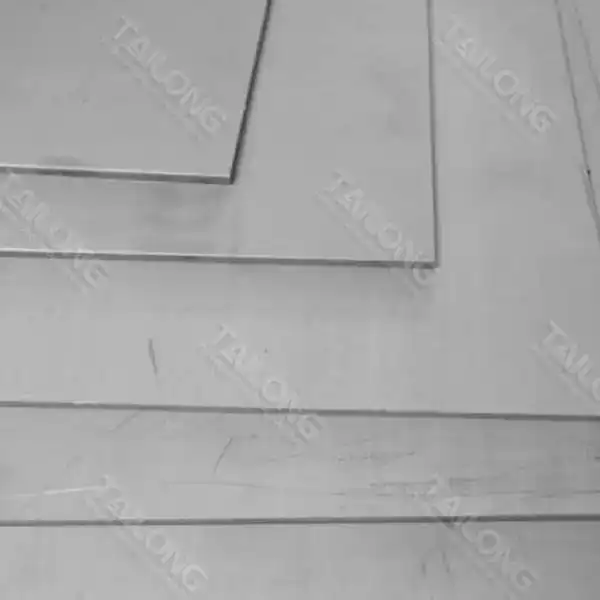
ASTM B265 Grade 2 Titanium Plate: Cost comparison to stainless steel?
When it comes to selecting materials for industrial applications, the choice between ASTM B265 Grade 2 Titanium Plate and stainless steel is a common consideration. Both materials offer unique properties and advantages, but the cost comparison between the two is a crucial factor in decision-making processes. ASTM B265 Grade 2 Titanium Plate is renowned for its exceptional strength-to-weight ratio, superior corrosion resistance, and ability to withstand extreme temperatures. While it may have a higher initial cost compared to stainless steel, the long-term benefits and performance characteristics of titanium often justify the investment. This blog post will delve into the cost comparison between ASTM B265 Grade 2 Titanium Plate and stainless steel, exploring factors such as material properties, longevity, maintenance requirements, and overall lifecycle costs. By examining these aspects, we aim to provide a comprehensive understanding of the economic implications of choosing titanium over stainless steel for various industrial applications.
What are the key advantages of ASTM B265 Grade 2 Titanium Plate over stainless steel?
Corrosion Resistance
ASTM B265 Grade 2 Titanium Plate offers superior corrosion resistance compared to stainless steel, making it an ideal choice for applications in harsh environments. This titanium grade forms a stable, protective oxide layer on its surface, providing exceptional resistance to various corrosive media, including seawater, chlorides, and acidic solutions. In contrast, while stainless steel also exhibits good corrosion resistance, it may be susceptible to pitting and crevice corrosion in certain conditions. The enhanced corrosion resistance of ASTM B265 Grade 2 Titanium Plate translates to longer service life, reduced maintenance costs, and improved safety in critical applications. Industries such as chemical processing, marine engineering, and offshore oil and gas production benefit significantly from the superior corrosion resistance of titanium, justifying its higher initial cost through extended equipment lifespan and reduced downtime.
Strength-to-Weight Ratio
One of the most significant advantages of ASTM B265 Grade 2 Titanium Plate over stainless steel is its exceptional strength-to-weight ratio. Titanium is known for its high strength and low density, making it approximately 45% lighter than steel with comparable strength. This characteristic is particularly valuable in aerospace, automotive, and other industries where weight reduction is crucial for improved fuel efficiency and performance. The use of ASTM B265 Grade 2 Titanium Plate allows engineers to design structures and components that are both strong and lightweight, leading to enhanced overall system performance. While the initial cost of titanium may be higher, the long-term benefits in terms of fuel savings, increased payload capacity, and improved energy efficiency can offset the upfront investment, especially in applications where weight is a critical factor.
Temperature Resistance
ASTM B265 Grade 2 Titanium Plate exhibits excellent temperature resistance, maintaining its mechanical properties over a wide range of temperatures. This titanium grade performs well in both cryogenic conditions and elevated temperatures, making it suitable for diverse applications in aerospace, energy, and chemical processing industries. In comparison, while some grades of stainless steel offer good temperature resistance, they may not match the performance of titanium across such a broad temperature spectrum. The ability of ASTM B265 Grade 2 Titanium Plate to withstand extreme temperatures without significant loss of strength or increased susceptibility to corrosion makes it a preferred choice for heat exchangers, pressure vessels, and other equipment operating in challenging thermal environments. This temperature resistance contributes to extended service life and reduced maintenance requirements, factors that can justify the higher initial cost of titanium in certain applications.
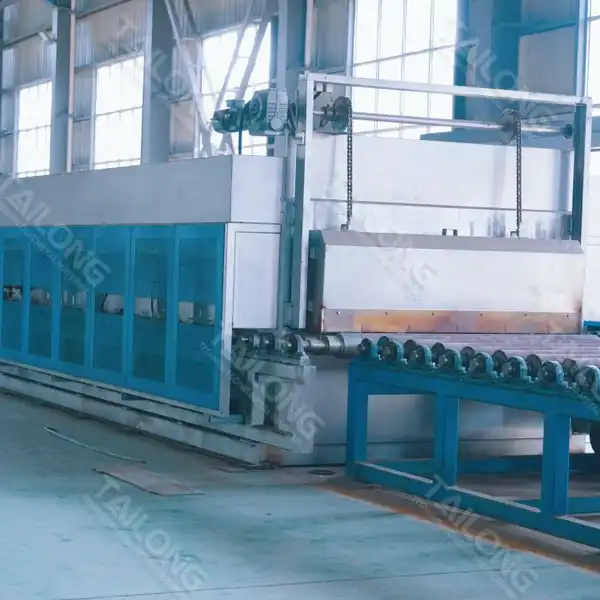
How does the lifecycle cost of ASTM B265 Grade 2 Titanium Plate compare to stainless steel?
Initial Investment
When comparing the lifecycle cost of ASTM B265 Grade 2 Titanium Plate to stainless steel, it's essential to consider the initial investment. Titanium generally has a higher upfront cost than stainless steel due to its rarity and complex production process. The price per unit of ASTM B265 Grade 2 Titanium Plate can be several times that of comparable stainless steel grades. However, this higher initial cost should be evaluated in the context of the material's superior properties and long-term performance benefits. For applications where the unique characteristics of titanium are crucial, such as in corrosive environments or weight-sensitive designs, the initial investment in ASTM B265 Grade 2 Titanium Plate can be justified by its ability to meet specific performance requirements that stainless steel may not satisfy. It's important for engineers and project managers to consider not just the immediate cost, but also the long-term value and performance gains when making material selections.
Maintenance and Replacement Costs
A significant factor in the lifecycle cost comparison between ASTM B265 Grade 2 Titanium Plate and stainless steel is the difference in maintenance and replacement costs. Due to its superior corrosion resistance and durability, titanium often requires less frequent maintenance and has a longer service life compared to stainless steel in many applications. This can result in substantial savings over time, as the need for repairs, replacements, and system downtime is reduced. In industries where equipment failure or maintenance shutdowns can lead to significant production losses, the reliability of ASTM B265 Grade 2 Titanium Plate can provide a considerable economic advantage. While the initial cost of titanium may be higher, the reduced frequency of maintenance interventions and extended equipment lifespan can lead to lower total ownership costs over the long term, especially in challenging operating environments where stainless steel might degrade more rapidly.
Operational Efficiency
The operational efficiency gains associated with using ASTM B265 Grade 2 Titanium Plate can significantly impact the overall lifecycle cost comparison with stainless steel. Titanium's superior strength-to-weight ratio can lead to improved energy efficiency in various applications, particularly in transportation and rotating equipment. For example, in aerospace applications, the use of titanium components can contribute to lighter aircraft, resulting in fuel savings over the life of the aircraft. In industrial processes, the excellent heat transfer properties and corrosion resistance of ASTM B265 Grade 2 Titanium Plate can enhance the efficiency and longevity of heat exchangers and chemical processing equipment. These operational benefits can translate into substantial cost savings over time, offsetting the higher initial investment in titanium. When evaluating lifecycle costs, it's crucial to consider these efficiency gains alongside direct material and maintenance costs to get a comprehensive picture of the economic impact of choosing ASTM B265 Grade 2 Titanium Plate over stainless steel.
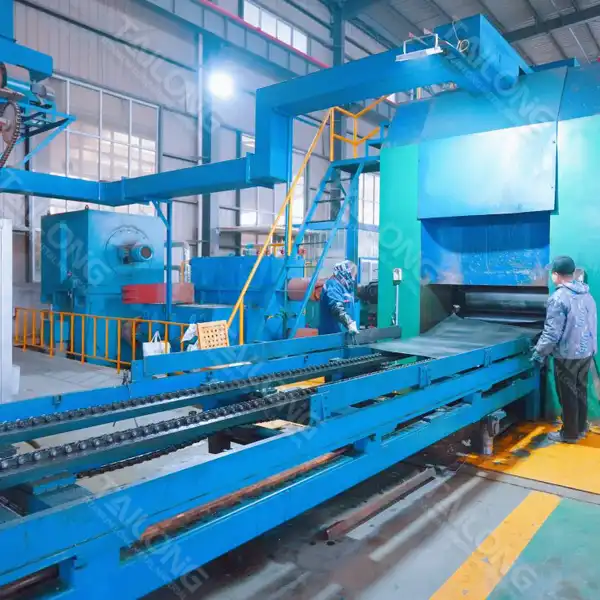
What industries benefit most from using ASTM B265 Grade 2 Titanium Plate instead of stainless steel?
Aerospace and Aviation
The aerospace and aviation industries stand to benefit significantly from the use of ASTM B265 Grade 2 Titanium Plate over stainless steel. In these sectors, weight reduction is paramount, and the exceptional strength-to-weight ratio of titanium makes it an ideal material for aircraft components, structural elements, and engine parts. ASTM B265 Grade 2 Titanium Plate offers the strength needed to withstand the high stresses and temperatures encountered in aerospace applications while contributing to overall weight reduction. This translates to improved fuel efficiency, increased payload capacity, and enhanced performance of aircraft. Additionally, the corrosion resistance of titanium is crucial in protecting critical components from the harsh environmental conditions encountered during flight, including exposure to de-icing fluids and marine environments. While the initial cost of implementing ASTM B265 Grade 2 Titanium Plate may be higher than using stainless steel, the long-term benefits in terms of fuel savings, reduced maintenance, and extended service life make it a cost-effective choice for aerospace applications.
Chemical Processing
The chemical processing industry greatly benefits from the use of ASTM B265 Grade 2 Titanium Plate due to its exceptional corrosion resistance and ability to withstand aggressive chemical environments. In this sector, equipment such as reactors, heat exchangers, and storage tanks are often exposed to highly corrosive substances that can quickly degrade stainless steel. ASTM B265 Grade 2 Titanium Plate offers superior resistance to a wide range of chemicals, including chlorides, sulfuric acid, and organic compounds, making it an ideal material for these challenging applications. The use of titanium can significantly extend the lifespan of processing equipment, reduce the frequency of maintenance shutdowns, and minimize the risk of catastrophic failures due to corrosion. While the initial investment in ASTM B265 Grade 2 Titanium Plate may be higher than stainless steel, the long-term cost savings from reduced downtime, lower maintenance requirements, and improved safety make it an economically viable choice for chemical processing facilities.
Marine and Offshore
The marine and offshore industries derive substantial benefits from using ASTM B265 Grade 2 Titanium Plate instead of stainless steel. In these environments, materials are constantly exposed to seawater, which can be highly corrosive to many metals. ASTM B265 Grade 2 Titanium Plate exhibits exceptional resistance to saltwater corrosion, making it ideal for applications such as heat exchangers, desalination equipment, offshore platforms, and subsea components. Unlike stainless steel, which may suffer from pitting and crevice corrosion in marine environments, titanium maintains its integrity over extended periods, reducing the need for frequent replacements and maintenance. The lightweight nature of ASTM B265 Grade 2 Titanium Plate also contributes to reduced structural loads in offshore installations. While the upfront cost of titanium is higher, its longevity and performance in marine environments often result in lower lifecycle costs compared to stainless steel, particularly in critical applications where reliability and minimal maintenance are essential.

Conclusion
In conclusion, while ASTM B265 Grade 2 Titanium Plate may have a higher initial cost compared to stainless steel, its superior properties often justify the investment in many industrial applications. The exceptional corrosion resistance, high strength-to-weight ratio, and temperature resistance of titanium can lead to significant long-term benefits, including reduced maintenance costs, improved operational efficiency, and extended service life. Industries such as aerospace, chemical processing, and marine sectors stand to gain the most from utilizing titanium, where its unique characteristics address specific challenges that stainless steel may not adequately solve. When considering material selection, it's crucial to evaluate the total lifecycle cost rather than just the upfront expense to make an informed decision that balances performance requirements with economic considerations.
Shaanxi Tilong Metal Material Co., Ltd., located in Shaanxi, China, is a leading manufacturer with a complete production chain for high-quality non-ferrous metal alloys, including ASTM B265 Grade 2 Titanium Plate. Our expertise in titanium and titanium alloys makes us a trusted supplier for industries requiring high-performance materials. We are committed to providing efficient solutions and working closely with our customers to meet their specific needs. For more information or to discuss your titanium requirements, please contact us at Tailong@tilongtitanium.com. Our team is dedicated to helping you find the optimal material solution for your application, ensuring superior quality and performance.
References
1. ASTM International. (2020). ASTM B265-20: Standard Specification for Titanium and Titanium Alloy Strip, Sheet, and Plate. West Conshohocken, PA: ASTM International.
2. Boyer, R., Welsch, G., & Collings, E. W. (1994). Materials Properties Handbook: Titanium Alloys. ASM International.
3. Lutjering, G., & Williams, J. C. (2007). Titanium (2nd ed.). Springer-Verlag Berlin Heidelberg.
4. Donachie, M. J. (2000). Titanium: A Technical Guide (2nd ed.). ASM International.
5. Peters, M., Kumpfert, J., Ward, C. H., & Leyens, C. (2003). Titanium Alloys for Aerospace Applications. Advanced Engineering Materials, 5(6), 419-427.
6. Schutz, R. W., & Watkins, H. B. (1998). Recent developments in titanium alloy application in the energy industry. Materials Science and Engineering: A, 243(1-2), 305-315.