
Choosing the right copper titanium composite plate requires understanding the unique properties and specifications that make these advanced materials exceptional for demanding applications. These innovative plates combine copper's outstanding thermal conductivity with titanium's superior strength and corrosion resistance, creating a high-performance solution for aerospace, automotive, electronics, and energy industries. The selection process involves evaluating material specifications, application requirements, and supplier capabilities to ensure optimal performance in your specific use case.
Understanding Copper Titanium Composite Plates
What Are Copper Titanium Composite Plates?
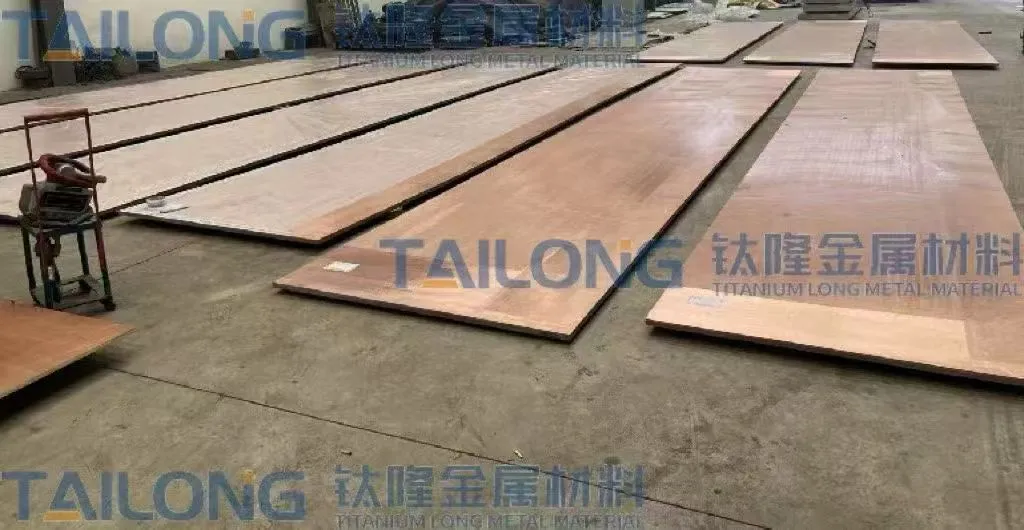
Copper titanium composite plates represent a breakthrough in metallurgical engineering, featuring a unique bi-metallic structure where copper and titanium layers are metallurgically bonded together. This innovative construction creates a material that leverages the best properties of both metals while minimizing their individual limitations. The titanium component provides an exceptional strength-to-weight ratio and corrosion resistance, while the copper layer delivers superior thermal and electrical conductivity.
The manufacturing process typically involves explosive welding or roll bonding techniques, which create a permanent metallurgical bond between the two metals. This bond ensures reliable performance under extreme conditions, including high temperatures, corrosive environments, and mechanical stress. The resulting composite maintains structural integrity while offering enhanced functionality compared to traditional single-metal solutions.
Key specifications for quality composite plates include adherence to standards such as ASTM B898, ASTM B265, and GB/T 8547. These standards ensure consistent material properties and reliable performance across different applications and manufacturers.
Applications of Copper Titanium Composite Plates
The versatility of copper titanium composite plates makes them invaluable across multiple high-performance industries. In aerospace applications, these materials serve critical functions in heat exchangers, electrical systems, and structural components where weight reduction and reliability are paramount. The combination of titanium's lightweight properties and copper's electrical conductivity makes these plates ideal for aircraft electrical systems and thermal management applications.
Automotive manufacturers utilize these composite plates in electric vehicle battery thermal management systems, where efficient heat dissipation and corrosion resistance are essential for safety and performance. The plates excel in power electronics cooling applications, where traditional materials often fail to meet the demanding thermal and electrical requirements.
In the electronics industry, these composites find applications in high-power semiconductor cooling, where the copper layer provides excellent heat conduction while the titanium layer offers mechanical stability and corrosion protection. Energy sector applications include nuclear reactor components, renewable energy systems, and power generation equipment, where material reliability directly impacts operational safety and efficiency.
Comparing Copper Titanium Composite Plates to Other Materials
Copper Titanium Composite Plates vs. Traditional Materials
When evaluating copper titanium composites against traditional materials, the advantages become clear through direct performance comparisons. Unlike pure copper, which suffers from corrosion issues in harsh environments, the titanium cladding provides exceptional protection while maintaining copper's thermal properties. This protection extends service life significantly compared to standard copper components.
Compared to stainless steel, these composite plates offer superior thermal conductivity while maintaining comparable corrosion resistance. The thermal conductivity of copper titanium composites can exceed 300 W/mK on the copper side, while stainless steel typically ranges between 15-25 W/mK. This dramatic difference makes composites the preferred choice for applications requiring efficient heat transfer.
Pure titanium, while offering excellent corrosion resistance and strength, lacks the thermal and electrical conductivity needed for many industrial applications. The composite structure addresses this limitation by incorporating copper's conductive properties while retaining titanium's protective characteristics.
Performance and Cost Analysis
The economic analysis of copper titanium composite plates reveals their value proposition through reduced maintenance costs and extended service life. While initial material costs may exceed traditional alternatives, the total cost of ownership often favors composites due to their durability and performance advantages.
Performance metrics demonstrate the superior capabilities of these materials. The composite structure achieves bond strengths exceeding 200 MPa, ensuring reliable performance under mechanical stress. Temperature resistance ranges from -200°C to 400°C, making these plates suitable for extreme thermal environments where traditional materials would fail.
Corrosion resistance testing shows that titanium-clad surfaces maintain integrity in aggressive chemical environments where copper or steel would deteriorate rapidly. This resistance translates to extended equipment life and reduced replacement costs, offsetting higher initial investment.
Purchasing Copper Titanium Composite Plates
Finding Reliable Suppliers
Selecting a dependable supplier requires evaluating multiple factors, including manufacturing capabilities, quality certifications, and industry experience. Reputable manufacturers typically hold certifications such as ISO 9001, AS9100 for aerospace applications, and industry-specific quality standards. These certifications indicate commitment to consistent quality and reliable manufacturing processes.
Manufacturing capabilities should include advanced bonding technologies, comprehensive testing facilities, and customization options. Suppliers with explosive welding or roll bonding capabilities can produce plates with consistent bond quality and specified dimensions. Testing capabilities should encompass mechanical testing, bond strength evaluation, and chemical composition analysis to ensure material specifications are met.
Industry experience becomes crucial when selecting suppliers for specialized applications. Manufacturers with aerospace, nuclear, or automotive industry experience understand the stringent requirements and quality standards necessary for these demanding sectors.
Bulk Purchase and Pricing Options
Understanding pricing structures and procurement options enables cost-effective purchasing decisions. Volume pricing typically becomes available for orders exceeding standard plate sizes or quantities. Many suppliers offer tiered pricing based on annual volume commitments, providing opportunities for long-term cost savings.
Customization options significantly impact pricing, with standard sizes offering the most economical solutions. Custom thickness combinations, surface finishes, or special alloy compositions may require additional processing time and costs. Balancing customization needs with standard offerings often provides optimal cost-performance ratios.
Lead times vary based on specifications and order quantities, with standard configurations typically available within 4-8 weeks. Custom orders may require 12-16 weeks, depending on complexity and manufacturer capacity. Planning procurement schedules around these lead times ensures project timelines are maintained.
Incorporating Copper Titanium Composite Plates in Your Projects
Best Practices for Selection and Integration
Successful integration begins with thorough application analysis and material specification development. Engineers must evaluate operating conditions, including temperature ranges, corrosive environments, mechanical loads, and electrical requirements. This analysis guides the selection of appropriate cladding thickness, base material thickness, and overall plate dimensions.
Here are the essential selection criteria for optimal performance:
- Cladding Thickness Selection: Thicker cladding (5-10mm) provides enhanced corrosion protection for harsh chemical environments, while thinner cladding (1-3mm) offers cost advantages for moderate service conditions. The selection depends on expected service life and environmental severity.
- Base Thickness Optimization: Base thickness affects structural integrity and thermal performance, with thicker bases (50-500mm) suitable for heavy-duty applications and thinner bases (3-20mm) appropriate for electrical and thermal management applications.
- Surface Finish Requirements: Surface finish impacts both performance and integration, with polished surfaces providing better thermal contact and standard finishes offering adequate performance for structural applications.
These selection criteria ensure optimal material performance while managing project costs effectively. Proper specification development prevents over-engineering while ensuring adequate performance margins for reliable operation.
Case Studies and Success Stories
Real-world implementations demonstrate the practical benefits of copper titanium composite plates across various industries. A major aerospace manufacturer implemented these plates in aircraft heat exchanger applications, achieving 40% weight reduction compared to traditional copper-nickel alloys while maintaining superior thermal performance and corrosion resistance.
In nuclear power applications, composite plates have successfully replaced traditional materials in cooling system components, demonstrating exceptional performance in high-radiation environments. The titanium cladding provides protection against corrosive coolants while copper ensures efficient heat transfer, resulting in improved reactor efficiency and reduced maintenance requirements.
Electronics manufacturers have reported significant improvements in power device reliability when using composite plates for thermal management. The combination of excellent heat conduction and corrosion resistance has enabled higher power densities while reducing cooling system complexity and maintenance costs.
Conclusion
Selecting the right copper titanium composite plate requires careful evaluation of application requirements, material specifications, and supplier capabilities. These advanced materials offer unparalleled performance advantages for demanding industrial applications, combining copper's excellent conductivity with titanium's superior strength and corrosion resistance. Success depends on understanding specific performance needs, comparing material options, and partnering with experienced suppliers who can deliver consistent quality and technical support. By following the guidelines outlined in this comprehensive analysis, procurement managers and engineers can make informed decisions that optimize both performance and cost-effectiveness for their critical applications.
Tilong: Your Trusted Copper Titanium Composite Plate Manufacturer
Shaanxi Tilong Metal Material Co., Ltd. stands at the forefront of advanced composite plate manufacturing, bringing decades of expertise and innovation to the high-performance materials industry. Our comprehensive manufacturing capabilities and commitment to quality excellence make us the preferred partner for demanding aerospace, automotive, electronics, and energy applications.
What sets Tilong apart is our integrated approach to customer service, combining technical expertise with responsive support throughout your project lifecycle. Our engineering team works closely with customers to optimize material specifications for specific applications, ensuring optimal performance while managing costs effectively. Whether you need a reliable copper titanium composite plate supplier for ongoing production or specialized solutions for unique applications, Tilong delivers consistent quality and exceptional service. Ready to enhance your next project with superior composite plate solutions? Contact us at Tailong@tilongtitanium.com to discuss your specific requirements and discover how our expertise can drive your success.
FAQ
Q: What are the key benefits of using copper titanium composite plates?
A: Copper titanium composite plates offer exceptional strength-to-weight ratio, superior corrosion resistance, high thermal conductivity, and enhanced durability. These properties make them ideal for demanding applications in aerospace, automotive, electronics, and energy sectors where traditional materials may fail to meet performance requirements.
Q: How do copper titanium composite plates compare to other composite materials?
A: Unlike other composite materials that may use polymer matrices or ceramic components, copper titanium plates combine two metals with complementary properties. This metallic bonding provides superior thermal conductivity, electrical conductivity, and mechanical strength compared to polymer-based composites, while offering better corrosion resistance than traditional metal alloys.
Q: What should I consider when selecting a supplier for copper titanium composite plates?
A: Key considerations include manufacturing capabilities, quality certifications (ISO 9001, AS9100), industry experience, customization options, testing facilities, and technical support capabilities. Suppliers should demonstrate consistent quality, reliable delivery schedules, and comprehensive technical expertise to support your application requirements.
References
1. Davis, J.R. "Copper and Copper Alloys: ASM Specialty Handbook." ASM International, Materials Park, Ohio, 2001.
2. Boyer, R., Welsch, G., and Collings, E.W. "Materials Properties Handbook: Titanium Alloys." ASM International, 1994.
3. Banker, J.G. and Charlot, L.A. "Explosive Welding of Metal Plate: Metallurgical Factors Affecting Bond Quality." Welding Research Supplement, 1983.
4. Crossland, B. "Explosive Welding of Metals and its Application." Oxford University Press, London, 1982.
5. Findik, F. "Recent Developments in Explosive Welding." Journal of Materials Engineering and Performance, Volume 20, 2011.
6. Kahraman, N., Gülenç, B., and Findik, F. "Corrosion and Mechanical-Microstructural Aspects of Dissimilar Joints of Ti-6Al-4V and Al Plates." International Journal of Impact Engineering, Volume 34, 2007.