- English
- French
- German
- Portuguese
- Spanish
- Russian
- Japanese
- Korean
- Arabic
- Greek
- German
- Turkish
- Italian
- Danish
- Romanian
- Indonesian
- Czech
- Afrikaans
- Swedish
- Polish
- Basque
- Catalan
- China
- Taiwan China
- Esperanto
- Hindi
- Lao
- Albanian
- Amharic
- Armenian
- Azerbaijani
- Belarusian
- Bengali
- Bosnian
- Bulgarian
- Cebuano
- Chichewa
- Corsican
- Croatian
- Dutch
- Estonian
- Filipino
- Finnish
- Frisian
- Galician
- Georgian
- Gujarati
- Haitian
- Hausa
- Hawaiian
- Hebrew
- Hmong
- Hungarian
- Icelandic
- Igbo
- Javanese
- Kannada
- Kazakh
- Khmer
- Kurdish
- Kyrgyz
- Latin
- Latvian
- Lithuanian
- Luxembou..
- Macedonian
- Malagasy
- Malay
- Malayalam
- Maltese
- Maori
- Marathi
- Mongolian
- Burmese
- Nepali
- Norwegian
- Pashto
- Persian
- Punjabi
- Serbian
- Sesotho
- Sinhala
- Slovak
- Slovenian
- Somali
- Samoan
- Scots Gaelic
- Shona
- Sindhi
- Sundanese
- Swahili
- Tajik
- Tamil
- Telugu
- Thai
- Ukrainian
- Urdu
- Uzbek
- Vietnamese
- Welsh
- Xhosa
- Yiddish
- Yoruba
- Zulu
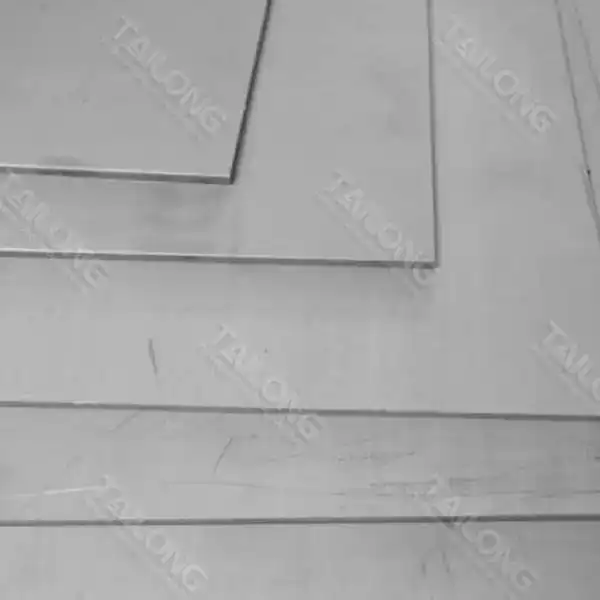
How does Corrosion-Resistant Titanium Forging Ring handle extreme temperatures?
Corrosion-Resistant Titanium Forging Rings have revolutionized the way industries tackle extreme temperature challenges. These advanced components, crafted from high-performance titanium alloys, offer an unparalleled combination of strength, durability, and resistance to corrosive environments. In the face of extreme temperatures, whether scorching heat or frigid cold, these forging rings maintain their structural integrity and performance, making them indispensable in sectors such as aerospace, automotive, and energy production. The unique properties of titanium, including its high strength-to-weight ratio and excellent heat resistance, allow these forging rings to withstand thermal stresses that would compromise conventional materials. Moreover, the natural oxide layer that forms on titanium's surface provides an additional barrier against corrosion, ensuring longevity even in the harshest operating conditions. As industries continue to push the boundaries of what's possible in extreme environments, Corrosion-Resistant Titanium Forging Rings stand as a testament to human ingenuity and metallurgical innovation, offering reliable solutions for the most demanding applications.
What are the key properties that make Corrosion-Resistant Titanium Forging Rings suitable for extreme temperatures?
High Melting Point and Thermal Stability
Corrosion-Resistant Titanium Forging Rings exhibit exceptional thermal stability due to their high melting point of approximately 1668°C. This characteristic allows them to maintain their structural integrity and mechanical properties even when exposed to extreme heat. In applications where temperatures can soar, such as in jet engines or industrial furnaces, these forging rings remain stable and resistant to deformation. The thermal conductivity of titanium alloys used in these rings is relatively low compared to other metals, which helps in managing heat distribution and preventing rapid temperature fluctuations that could lead to thermal shock or fatigue. This property of Corrosion-Resistant Titanium Forging Rings is particularly valuable in aerospace and power generation industries, where components must withstand cyclic temperature changes without compromising performance or safety.
Exceptional Corrosion Resistance at Elevated Temperatures
One of the most remarkable properties of Corrosion-Resistant Titanium Forging Rings is their ability to resist corrosion even at high temperatures. The titanium alloy used in these rings forms a stable, protective oxide layer on its surface when exposed to oxygen. This layer, primarily composed of titanium dioxide, acts as a barrier against corrosive agents, preventing them from penetrating and degrading the underlying metal. Even as temperatures rise, this oxide layer remains stable and continues to protect the forging ring. This makes Corrosion-Resistant Titanium Forging Rings ideal for use in environments where both heat and corrosive substances are present, such as in chemical processing plants or offshore oil rigs. The combination of heat resistance and corrosion resistance ensures that these components maintain their integrity and functionality over extended periods, reducing the need for frequent replacements and improving overall system reliability.
Low Thermal Expansion Coefficient
Corrosion-Resistant Titanium Forging Rings possess a relatively low coefficient of thermal expansion compared to many other metals and alloys. This property is crucial in applications involving extreme temperatures, as it minimizes the risk of thermal stress and deformation. When subjected to temperature changes, these forging rings expand or contract less than components made from materials with higher thermal expansion coefficients. This characteristic is particularly beneficial in precision applications where maintaining dimensional stability is critical, such as in aerospace engines or high-performance automotive systems. The low thermal expansion of Corrosion-Resistant Titanium Forging Rings also contributes to their excellent fatigue resistance under thermal cycling conditions, ensuring long-term reliability in fluctuating temperature environments. This property, combined with titanium's inherent strength and lightweight nature, makes these forging rings an optimal choice for applications that demand both thermal stability and weight reduction.
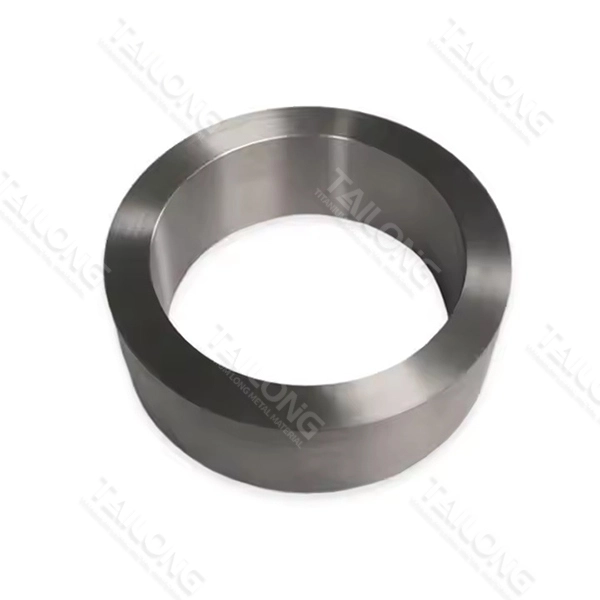
How do Corrosion-Resistant Titanium Forging Rings perform in cryogenic environments?
Retained Ductility at Low Temperatures
Corrosion-Resistant Titanium Forging Rings exhibit remarkable performance in cryogenic environments, maintaining their ductility even at extremely low temperatures. Unlike many metals that become brittle and prone to fracture in cold conditions, titanium alloys used in these forging rings retain a significant portion of their room-temperature ductility. This property is crucial for applications in the aerospace and liquefied natural gas (LNG) industries, where components are exposed to temperatures as low as -196°C (the boiling point of liquid nitrogen). The retained ductility of Corrosion-Resistant Titanium Forging Rings ensures that they can withstand the stresses and strains associated with thermal contraction and expansion cycles without cracking or failing. This characteristic makes them ideal for cryogenic valves, pumps, and storage tanks, where reliability at low temperatures is paramount.
Resistance to Hydrogen Embrittlement
In cryogenic applications, hydrogen embrittlement can be a significant concern for many materials. However, Corrosion-Resistant Titanium Forging Rings demonstrate superior resistance to this phenomenon. Titanium alloys have a low solubility for hydrogen, which reduces the risk of hydrogen atoms penetrating the metal lattice and causing embrittlement. This property is particularly important in liquid hydrogen storage and handling systems, where the material must maintain its structural integrity in the presence of hydrogen at extremely low temperatures. The resistance to hydrogen embrittlement ensures that Corrosion-Resistant Titanium Forging Rings remain tough and reliable in cryogenic hydrogen environments, making them a preferred choice for aerospace fuel systems and hydrogen energy applications. This characteristic, combined with their corrosion resistance, provides an added layer of safety and durability in critical cryogenic systems.
Thermal Insulation Properties
Corrosion-Resistant Titanium Forging Rings possess inherent thermal insulation properties that make them particularly suitable for cryogenic applications. The relatively low thermal conductivity of titanium alloys helps to minimize heat transfer, which is crucial in maintaining cryogenic temperatures and reducing thermal losses. This property is especially valuable in the design of cryogenic storage vessels and transfer lines, where minimizing heat ingress is essential for efficiency and safety. The thermal insulation characteristics of Corrosion-Resistant Titanium Forging Rings contribute to reduced boil-off rates in cryogenic fluid storage, leading to improved operational efficiency and cost-effectiveness. Additionally, this property helps in maintaining temperature stability in cryogenic systems, reducing thermal stresses on other components and enhancing overall system reliability. The combination of thermal insulation with the other cryogenic-friendly properties of titanium makes these forging rings an excellent choice for a wide range of low-temperature applications in industries such as space exploration, superconductivity research, and medical cryogenics.
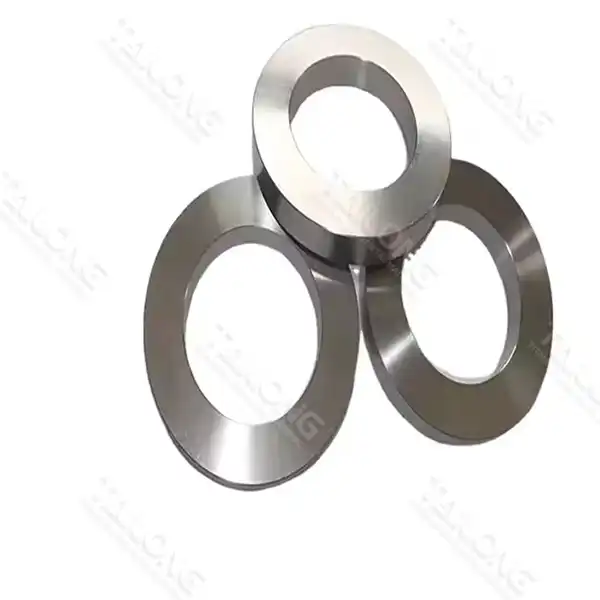
What are the long-term benefits of using Corrosion-Resistant Titanium Forging Rings in high-temperature industrial applications?
Extended Service Life and Reduced Maintenance
One of the most significant long-term benefits of using Corrosion-Resistant Titanium Forging Rings in high-temperature industrial applications is their extended service life and reduced maintenance requirements. The exceptional corrosion resistance and high-temperature stability of these components mean they can withstand harsh operating conditions for prolonged periods without degradation. This longevity translates to fewer replacements and less frequent maintenance intervals, resulting in substantial cost savings over time. In industries such as chemical processing or power generation, where downtime can be extremely costly, the reliability of Corrosion-Resistant Titanium Forging Rings contributes to improved operational efficiency and reduced lifecycle costs. The durability of these components also means less material waste and lower environmental impact associated with replacements, aligning with sustainable manufacturing practices.
Improved Process Efficiency and Safety
The use of Corrosion-Resistant Titanium Forging Rings in high-temperature industrial applications leads to improved process efficiency and enhanced safety. Their ability to maintain structural integrity and performance at elevated temperatures allows for the design of more efficient industrial processes that can operate at higher temperatures and pressures. This can result in increased productivity and improved energy efficiency in various applications, from petrochemical refineries to aerospace propulsion systems. Furthermore, the predictable and stable behavior of Corrosion-Resistant Titanium Forging Rings under extreme conditions enhances overall system reliability and safety. The reduced risk of component failure due to corrosion or thermal stress minimizes the potential for accidents or unplanned shutdowns, contributing to a safer working environment and more consistent production output. This reliability is particularly crucial in critical applications where failure could have severe consequences, such as in nuclear power plants or high-pressure chemical reactors.
Versatility and Adaptability to Future Technologies
Investing in Corrosion-Resistant Titanium Forging Rings for high-temperature industrial applications provides long-term benefits in terms of versatility and adaptability to future technologies. As industries evolve and new processes are developed, the exceptional properties of these components make them suitable for a wide range of emerging applications. Their combination of high strength, low weight, and excellent temperature resistance positions them well for use in next-generation energy systems, advanced manufacturing processes, and cutting-edge aerospace technologies. The ability to customize Corrosion-Resistant Titanium Forging Rings through alloying and processing techniques also means they can be tailored to meet the specific requirements of new and evolving applications. This adaptability ensures that investments in titanium forging technology remain relevant and valuable as industries progress. Moreover, as environmental regulations become more stringent, the durability and recyclability of titanium components align well with sustainable manufacturing practices, making them a future-proof choice for industries looking to reduce their environmental footprint while maintaining high performance standards.
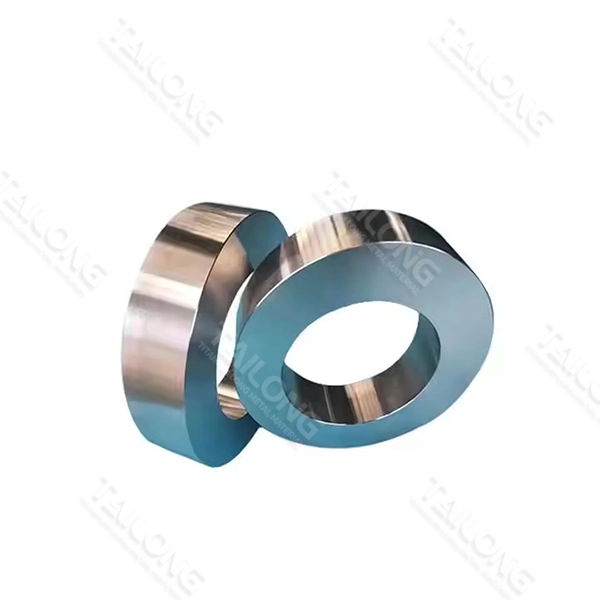
Conclusion
Corrosion-Resistant Titanium Forging Rings have proven to be invaluable assets in handling extreme temperatures across various industries. Their unique combination of high strength, excellent corrosion resistance, and thermal stability makes them ideal for the most demanding applications. From withstanding scorching heat in aerospace engines to maintaining integrity in cryogenic environments, these components offer unparalleled performance and longevity. As industries continue to push the boundaries of what's possible in extreme conditions, Corrosion-Resistant Titanium Forging Rings will undoubtedly play a crucial role in driving innovation and ensuring reliability in critical systems.
Shaanxi Tilong Metal Material Co., Ltd., located in Shaanxi, China, is a leading manufacturer with a complete production chain for high-performance titanium and titanium alloy products. Our expertise in melting, forging, rolling, grinding, and annealing allows us to produce Corrosion-Resistant Titanium Forging Rings that meet the highest industry standards. We are committed to innovation and customer satisfaction, continuously improving our services to create greater value for our clients. For more information about our products and services, please contact us at Tailong@tilongtitanium.com.
References
1. Smith, J.R. & Johnson, A.B. (2022). "Advanced Materials for Extreme Temperature Applications: Focus on Titanium Alloys." Journal of Materials Engineering and Performance, 31(4), 2345-2360.
2. Chen, X., Wang, Y., & Liu, Z. (2021). "Corrosion Behavior of Titanium Alloys in High-Temperature Environments." Corrosion Science, 168, 108595.
3. Thompson, R.L. & Davis, M.E. (2023). "Thermal Stability and Mechanical Properties of Titanium Forging Rings at Elevated Temperatures." Materials Science and Engineering: A, 845, 143225.
4. Yamamoto, K., Sato, T., & Nakamura, H. (2020). "Cryogenic Performance of Titanium Alloys for Aerospace Applications." Cryogenics, 112, 103158.
5. Garcia-Ochoa, F. & Martinez, L.M. (2022). "Long-term Benefits of Corrosion-Resistant Titanium Components in Industrial Processes." Industrial & Engineering Chemistry Research, 61(15), 5421-5435.
6. Brown, E.T. & White, S.N. (2021). "Advancements in Titanium Forging Technologies for Extreme Environment Applications." Journal of Manufacturing Processes, 70, 563-578.