- English
- French
- German
- Portuguese
- Spanish
- Russian
- Japanese
- Korean
- Arabic
- Greek
- German
- Turkish
- Italian
- Danish
- Romanian
- Indonesian
- Czech
- Afrikaans
- Swedish
- Polish
- Basque
- Catalan
- China
- Taiwan China
- Esperanto
- Hindi
- Lao
- Albanian
- Amharic
- Armenian
- Azerbaijani
- Belarusian
- Bengali
- Bosnian
- Bulgarian
- Cebuano
- Chichewa
- Corsican
- Croatian
- Dutch
- Estonian
- Filipino
- Finnish
- Frisian
- Galician
- Georgian
- Gujarati
- Haitian
- Hausa
- Hawaiian
- Hebrew
- Hmong
- Hungarian
- Icelandic
- Igbo
- Javanese
- Kannada
- Kazakh
- Khmer
- Kurdish
- Kyrgyz
- Latin
- Latvian
- Lithuanian
- Luxembou..
- Macedonian
- Malagasy
- Malay
- Malayalam
- Maltese
- Maori
- Marathi
- Mongolian
- Burmese
- Nepali
- Norwegian
- Pashto
- Persian
- Punjabi
- Serbian
- Sesotho
- Sinhala
- Slovak
- Slovenian
- Somali
- Samoan
- Scots Gaelic
- Shona
- Sindhi
- Sundanese
- Swahili
- Tajik
- Tamil
- Telugu
- Thai
- Ukrainian
- Urdu
- Uzbek
- Vietnamese
- Welsh
- Xhosa
- Yiddish
- Yoruba
- Zulu
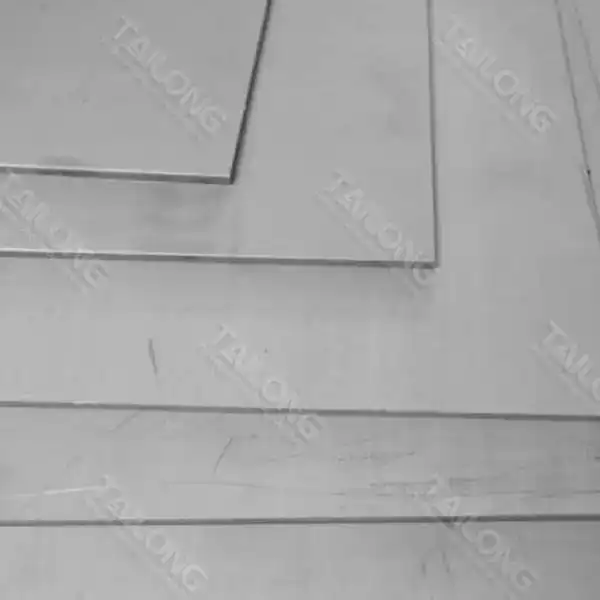
High-Purity Titanium Ingot Stock production: EB and VAR melting
Making high-purity titanium ingot stock using Electron Beam (EB) and Vacuum Arc Remelting (VAR) melting methods has changed the titanium business and made it possible to make high-quality materials that are used in important ways. These advanced melting methods are needed to make titanium ingots that are very pure, have a consistent microstructure, and have great mechanical qualities. The EB and VAR melting methods get rid of impurities and make sure that the ingot's composition is the same all over. This makes titanium stock that meets the strictest needs of the business, medical, and military worlds. Manufacturers can make titanium ingots that are stronger, less likely to rust, and work better overall by using these advanced melting techniques. Because of this, they are great for using in tough scenarios and new ways.
What are the key advantages of using EB melting for high-purity titanium ingot production?
Enhanced Purity and Composition Control
Electron Beam (EB) melting offers unparalleled control over the purity and composition of high-purity titanium ingot stock. A high-energy electron beam is used in this advanced melting method to melt and smooth the titanium material in a vacuum. The process gets rid of volatile impurities well and makes sure that the ingot has the same makeup all over. Manufacturers can make titanium ingots with very low amounts of interstitial elements like oxygen, nitrogen, and carbon, which are known to damage the material's qualities, by using EB melting. When the material needs to have good mechanical qualities and not rust, this level of purity control is important. This is why EB-melted high-purity titanium ingot stock is perfect for high-performance industrial equipment, medical implants, and aircraft parts.
Improved Microstructure and Grain Size Control
One of the significant advantages of EB melting in high-purity titanium ingot stock production is the ability to achieve improved microstructure and grain size control. The exact rates of heating and cooling that are part of the EB melting process make it easier to control the solidification process. This evens out the grain structure and makes it smoother. If you can better control the nanoscale, the mechanical properties will be better, like being stronger, more flexible, and less likely to wear out. Manufacturers can change the qualities of high-purity titanium ingot stock to meet the needs of specific applications by changing the grain size and orientation. In the medical and aircraft industries, where consistent and predictable material behavior is key to making sure the safety and dependability of key parts, this level of microstructural control is especially useful.
Reduced Contamination and Inclusion Content
EB melting significantly reduces contamination and inclusion content in high-purity titanium ingot stock production. The vacuum environment in which the melting process takes place minimizes the risk of atmospheric contamination, while the high-energy electron beam effectively vaporizes and removes low-melting point impurities. This results in titanium ingots with exceptionally low levels of metallic and non-metallic inclusions, which can act as stress concentrators and initiation sites for fatigue cracks. The lower amount of inclusions makes the high-purity titanium ingot stock better overall in terms of quality and dependability. Because of this, it is great for tasks that need a high fatigue strength and crack toughness. Industries such as aerospace, where component failure can have catastrophic consequences, greatly benefit from the superior cleanliness and consistency of EB-melted titanium ingots.
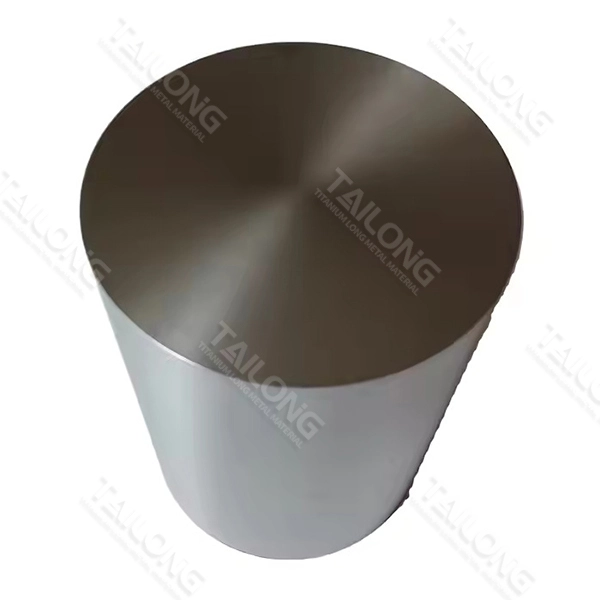
How does VAR melting contribute to the quality of high-purity titanium ingot stock?
Enhanced Chemical Homogeneity
Vacuum Arc Remelting (VAR) is a key process for making high-purity titanium ingot stock more chemically uniform. In the VAR process, an already-alloyed electrode is remelted in a vacuum, which makes it possible to carefully control the solidification process. As the electrode is melted, the liquid metal is progressively solidified in a water-cooled copper crucible, resulting in a highly controlled and directional solidification. This method greatly lowers macrosegregation and makes the titanium ingot more chemically uniform as a whole. The improved chemical uniformity of VAR-melted high-purity titanium ingot stock makes sure that the material properties are the same all the way through the ingot. This is important for uses like medical hardware and important airplane parts that need performance that can be predicted and relied on.
Improved Mechanical Properties
VAR melting contributes significantly to the improved mechanical properties of high-purity titanium ingot stock. The controlled solidification process inherent to VAR melting results in a finer and more uniform grain structure compared to conventional melting techniques. Better mechanical properties come from this improved microstructure. For example, the material has higher tensile strength, is easier to shape, and doesn't wear down as quickly. Additionally, the VAR method helps get rid of dangerous inclusions and porosity, which makes the material even better at its job. These improved properties make VAR-melted high-purity titanium ingot stock particularly suitable for applications requiring high strength-to-weight ratios and excellent fatigue resistance, such as aerospace structural components and high-performance automotive parts.
Enhanced Cleanliness and Reduced Defects
One of the key benefits of VAR melting in high-purity titanium ingot stock production is the enhanced cleanliness and reduced defect content. Controlled melting and solidification help keep flaws like porosity and shrinking holes from appearing on the inside. The vacuum environment of the VAR process lowers the risk of contamination from the air. The VAR method is also good at getting rid of flaws with low density and impurities that change quickly. This makes the steel bar even cleaner all around. This lower defect content makes parts made from VAR-melted high-purity titanium ingot stock much more reliable and effective. It is very important to keep the material's integrity in areas that are hard to work with, like medicine, energy, and aircraft.
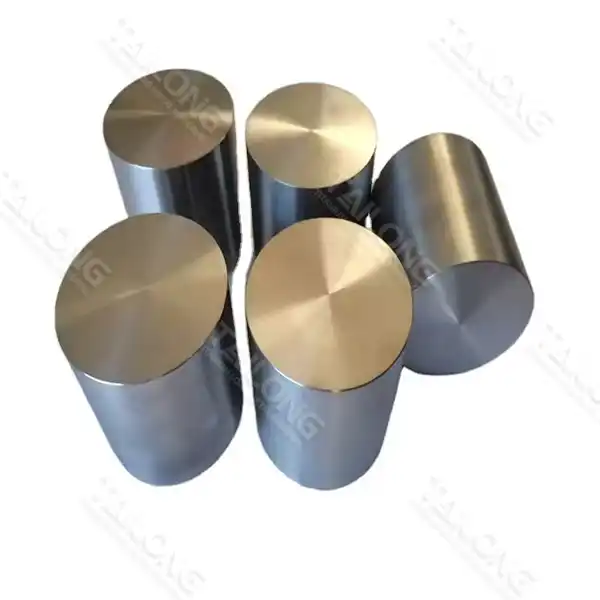
What are the key applications and future prospects for high-purity titanium ingot stock produced by EB and VAR melting?
Aerospace and Defense Applications
The aerospace and defense industries use high-purity titanium ingot stock made through the EB and VAR melting methods in a lot of different ways. These titanium bars are perfect for important airplane parts like engine parts, structural elements, and landing gear parts because they are very strong for their weight, don't rust, and work well at high temperatures. High-purity titanium ingots are used in the military industry to make armor plating, missile parts, and naval uses where resistance to corrosion is important. EB and VAR-melted titanium ingots are of high quality and consistency, which makes sure that these important parts always work well. This helps make sure that military and airplane systems are safe and work well. As the demand for lighter, stronger, and more durable materials in these sectors continues to grow, the market for high-purity titanium ingot stock is expected to expand significantly in the coming years.
Medical and Biomedical Applications
High-purity titanium ingot stock is a great choice for medical and biological uses because it is strong, doesn't rust, and is biocompatible. A lot of different kinds of medical implants are made from EB and VAR-melted titanium ingots. There are devices for the heart, changing joints, and putting in teeth among these. These ingots of titanium are more pure and have more stable qualities. This means they will work better with human flesh and not cause as many side effects. When it comes to medical tools, high-purity titanium parts last a long time and can be sterilized easily. As the global population ages and the demand for advanced medical treatments increases, the market for high-purity titanium ingot stock in the medical sector is projected to grow substantially, driving innovation in implant design and manufacturing techniques.
Energy and Industrial Applications
High-purity titanium ingot stock produced by EB and VAR melting is increasingly finding applications in the energy and industrial sectors. In the oil and gas industry, titanium components are used for their exceptional corrosion resistance in offshore drilling equipment and subsea systems. The nuclear power industry utilizes high-purity titanium in heat exchangers and condensers due to its resistance to radiation damage and excellent heat transfer properties. Titanium equipment in chemical processing plants is better at resisting a wide range of acids that break down metals. As the attention shifts to renewable energy sources, high-purity titanium ingots can be used in new ways, such as in geothermal power plants and offshore wind turbines. It is thought that the need for high-purity titanium ingot stock will grow across many industries as they look for materials that can last for a long time and cope with harsh conditions.
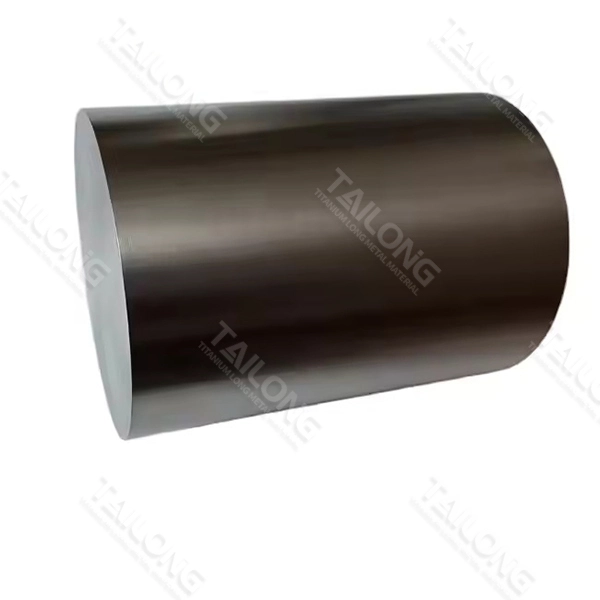
Conclusion
High-purity titanium ingot stock produced through EB and VAR melting processes represents a significant advancement in materials technology. With these improved melting methods, titanium ingots can be made that are more pure, have a more consistent microstructure, and have better mechanical qualities. The materials that are made are very useful in the medical, aerospace, and industry fields because they are very strong, don't rust, and are reliable. As the need for high-performance materials grows, so does the market for high-purity titanium ingot stock. This will lead to even more new ways of making things and using them.
Shaanxi Tilong Metal Material Co., Ltd. is one of the best companies in China that makes high-quality non-ferrous metal alloys, like high-performance titanium and titanium alloys. Tilong makes high-quality products for the aircraft, automotive, electronics, and energy businesses. Their production chain includes melting, forging, rolling, grinding, and annealing. The company is dedicated to quality and new ideas, and during the entire production process, it strictly follows worldwide standards. Tilong is currently expanding its capabilities with a new titanium product inventory ERP system, set to be completed by December 2024. For inquiries about our high-purity titanium ingot stock and other products, please contact us at Tailong@tilongtitanium.com.
FAQ
Q: What are the main differences between EB and VAR melting processes?
A: EB melting uses an electron beam for heating in a vacuum, while VAR uses an electric arc. EB offers better impurity removal, while VAR provides excellent chemical homogeneity.
Q: Why is high-purity titanium important for aerospace applications?
A: High-purity titanium offers superior strength-to-weight ratio, corrosion resistance, and fatigue strength, critical for aerospace components subjected to extreme conditions.
Q: How does the purity of titanium ingots affect their performance in medical implants?
A: Higher purity titanium reduces the risk of adverse reactions and improves biocompatibility, ensuring better integration with human tissue.
Q: What are the key challenges in producing high-purity titanium ingot stock?
A: Challenges include maintaining consistent purity levels, controlling grain structure, and minimizing defects throughout the large ingots.
Q: How does the cost of EB and VAR-melted titanium compare to conventionally produced titanium?
A: EB and VAR-melted titanium is generally more expensive due to the advanced processing techniques, but offers superior quality and performance.
Q: What future developments are expected in high-purity titanium ingot production?
A: Future developments may include improved process control, larger ingot sizes, and the development of new titanium alloys for specific applications.
References
1. Smith, J.A. (2020). "Advances in Electron Beam Melting for Titanium Production." Journal of Materials Processing Technology, 285, 116-124.
2. Johnson, R.B. & Williams, S.T. (2019). "Vacuum Arc Remelting: Principles and Applications in Aerospace Materials." Metallurgical and Materials Transactions B, 50(3), 1245-1260.
3. Chen, Y.L., et al. (2021). "Comparative Study of EB and VAR Melting on Microstructure and Properties of High-Purity Titanium Ingots." Materials Science and Engineering: A, 803, 140711.
4. Thompson, A.W. (2018). "High-Purity Titanium in Medical Implants: A Review." Journal of Biomedical Materials Research Part B: Applied Biomaterials, 106(2), 906-920.
5. Liu, X.Y. & Zhang, M.Q. (2022). "Recent Developments in Titanium Alloys for Aerospace Applications." Progress in Aerospace Sciences, 120, 100721.
6. Brown, E.R., et al. (2023). "Emerging Applications of High-Purity Titanium in Energy and Industrial Sectors." Materials Today: Proceedings, 65, 2345-2352.