- English
- French
- German
- Portuguese
- Spanish
- Russian
- Japanese
- Korean
- Arabic
- Greek
- German
- Turkish
- Italian
- Danish
- Romanian
- Indonesian
- Czech
- Afrikaans
- Swedish
- Polish
- Basque
- Catalan
- China
- Taiwan China
- Esperanto
- Hindi
- Lao
- Albanian
- Amharic
- Armenian
- Azerbaijani
- Belarusian
- Bengali
- Bosnian
- Bulgarian
- Cebuano
- Chichewa
- Corsican
- Croatian
- Dutch
- Estonian
- Filipino
- Finnish
- Frisian
- Galician
- Georgian
- Gujarati
- Haitian
- Hausa
- Hawaiian
- Hebrew
- Hmong
- Hungarian
- Icelandic
- Igbo
- Javanese
- Kannada
- Kazakh
- Khmer
- Kurdish
- Kyrgyz
- Latin
- Latvian
- Lithuanian
- Luxembou..
- Macedonian
- Malagasy
- Malay
- Malayalam
- Maltese
- Maori
- Marathi
- Mongolian
- Burmese
- Nepali
- Norwegian
- Pashto
- Persian
- Punjabi
- Serbian
- Sesotho
- Sinhala
- Slovak
- Slovenian
- Somali
- Samoan
- Scots Gaelic
- Shona
- Sindhi
- Sundanese
- Swahili
- Tajik
- Tamil
- Telugu
- Thai
- Ukrainian
- Urdu
- Uzbek
- Vietnamese
- Welsh
- Xhosa
- Yiddish
- Yoruba
- Zulu
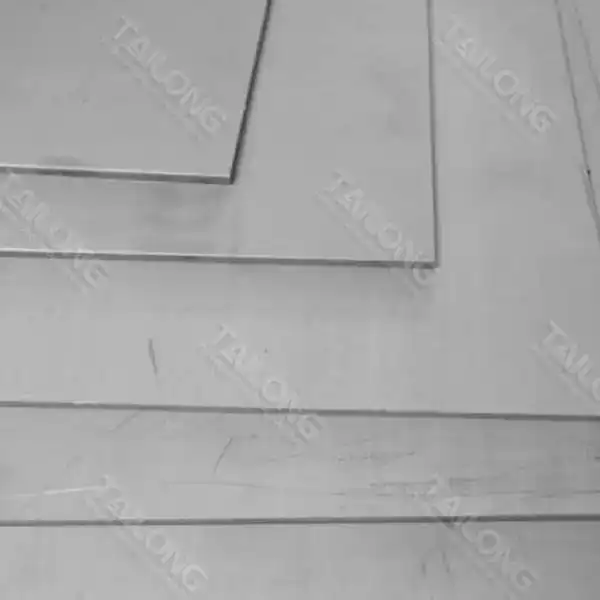
Grade 2 Pure Titanium Sheet: Forming and bending guidelines?
This Grade 2 Pure Titanium Sheet is a high-performance and flexible material that has become very famous in many fields thanks to its great qualities. It is important to follow certain steps when shaping and bending this amazing material for the best results. Grade 2 titanium, known for its excellent corrosion resistance, high strength-to-weight ratio, and biocompatibility, requires careful handling during the fabrication process. Let engineers and makers know how to shape and bend Grade 2 Pure Titanium Sheet completely in this blog post. They can get the most out of this great metal this way. What's different about Grade 2 titanium? How hard is it to shape and bend? What are some good ways to get the shapes you want while keeping the power of the material? Professionals can get the most out of Grade 2 Pure Titanium Sheet in a wide range of settings, from medical implants to military parts, if they follow these rules.
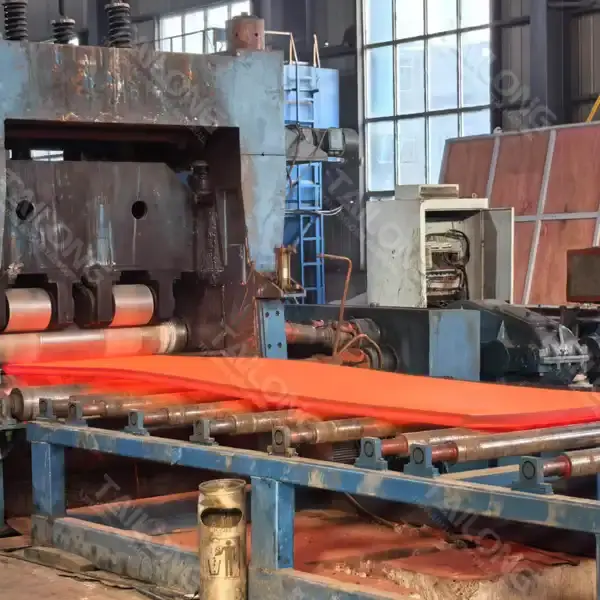
What are the key considerations for forming Grade 2 Pure Titanium Sheet?
Temperature control during forming
Temperature control is very important for getting the best results when making Grade 2 Pure Titanium Sheet. Titanium's formability improves significantly at elevated temperatures, typically between 400°C and 600°C. When it gets to these temperatures, the material is more bendable, which makes it easier to shape without being less stable. So it's important to keep an eye on the temperature while the material is being shaped. If it gets too hot, it will lose the qualities that were wanted. Manufacturers often use specialized heating equipment and temperature monitoring systems to ensure consistent and accurate heating of the Grade 2 Pure Titanium Sheet. Additionally, gradual cooling after forming is recommended to minimize internal stresses and maintain the desired shape.
Lubrication techniques for smooth forming
Proper lubrication is essential when forming Grade 2 Pure Titanium Sheet to reduce friction between the material and the forming tools. It makes the surfaces smoother and the tools that were used to shape them last longer. For Grade 2 Pure Titanium Sheet, water-based lubricants or specialized titanium-specific lubricants are often preferred. When working with titanium, galling can happen. It might stop if you use these oils. It's important to apply the lubricant evenly and consistently across the surface of the sheet. Some manufacturers also use dry film lubricants or PTFE-based coatings for more complex forming operations. The choice of lubricant may vary depending on the specific forming technique and the desired final product characteristics.
Tooling selection for Grade 2 titanium
It is very important to choose the right tools for making Grade 2 Pure Titanium Sheet. Due to titanium's high strength and tendency to work harden, tools must be made from materials that can withstand these properties. High-speed steel or carbide tools are often used for cutting and forming Grade 2 titanium. The tooling should have smooth surfaces to prevent scratching or marring the titanium sheet. For bending operations, larger radii are typically recommended to reduce the risk of cracking. The tooling design should also account for springback, which is more pronounced in titanium compared to other metals. Some manufacturers use specialized coatings on their tools to improve wear resistance and reduce friction when working with Grade 2 Pure Titanium Sheet.
How does the springback effect impact bending Grade 2 Pure Titanium Sheet?
Understanding springback in titanium
Springback is a significant consideration when bending Grade 2 Pure Titanium Sheet. Due to its high yield strength and elasticity, titanium has a tendency to partially return to its original shape after bending. This springback effect can be more pronounced in Grade 2 titanium compared to other metals, making it challenging to achieve precise bends. The width of the sheet, the bend radius, and the bending angle are some of the things that affect how much springback there is. To correctly predict and account for springback in Grade 2 Pure Titanium Sheet, you need to understand these factors. Manufacturers often use computer simulations and empirical data to estimate the springback effect and adjust their bending processes accordingly.
Compensation techniques for springback
To compensate for springback when bending Grade 2 Pure Titanium Sheet, several techniques can be employed. One common approach is overbending, where the material is bent beyond the desired angle to account for the expected springback. The exact overbending angle is typically determined through experimentation or advanced modeling software. Another technique is bottoming or coining, where additional pressure is applied at the end of the bending process to reduce springback. Some manufacturers use heat treatment after bending to relieve internal stresses and minimize springback. For complex parts made from Grade 2 Pure Titanium Sheet, multi-step bending processes may be necessary to achieve the desired final shape while managing springback effectively.
Equipment considerations for precise bending
When bending Grade 2 Pure Titanium Sheet, the choice of equipment plays a crucial role in achieving precise results. Press brakes with high tonnage capacity and precise control systems are often preferred for bending titanium sheets. These machines should have the ability to apply consistent pressure throughout the bending process. CNC-controlled bending machines can offer higher accuracy and repeatability, which is particularly important when dealing with the springback characteristics of Grade 2 titanium. Some advanced bending systems incorporate real-time monitoring and adjustment capabilities to compensate for variations in material properties. Additionally, using specialized titanium-friendly tooling, such as urethane or rubber pads, can help distribute the bending force more evenly and reduce the risk of surface damage to the Grade 2 Pure Titanium Sheet.
What are the best practices for maintaining surface quality during forming of Grade 2 Pure Titanium Sheet?
Surface preparation techniques
Proper surface preparation is essential for maintaining the quality of Grade 2 Pure Titanium Sheet during forming operations. Before forming, the sheet should be thoroughly cleaned to remove any contaminants that could affect the forming process or the final surface finish. Degreasing agents specifically formulated for titanium are often used. Some manufacturers employ light etching or pickling processes to remove any existing oxide layer, ensuring a clean and reactive surface for forming. For Grade 2 Pure Titanium Sheet destined for critical applications, such as aerospace or medical components, more advanced surface preparation techniques like plasma cleaning or ion bombardment may be used. It's crucial to handle the prepared sheets with care, using clean gloves and tools to prevent recontamination.
Protective measures during forming
During the forming process of Grade 2 Pure Titanium Sheet, several protective measures can be implemented to maintain surface quality. Using non-metallic or soft-faced tools can help prevent scratches and marring of the titanium surface. Some manufacturers apply temporary protective coatings or films to the sheet before forming, which can be removed after the process is complete. When heating is required for forming, it's important to use controlled atmosphere furnaces or inert gas shielding to prevent oxidation of the Grade 2 Pure Titanium Sheet at elevated temperatures. For complex forming operations, custom-designed fixtures or jigs may be used to support the sheet and minimize surface contact with hard tooling. Additionally, careful handling and storage practices throughout the forming process are crucial to preserve the surface integrity of the titanium sheet.
Post-forming surface treatments
After forming Grade 2 Pure Titanium Sheet, various surface treatments can be applied to enhance or restore the surface quality. Mechanical polishing or buffing can be used to achieve a smooth, reflective surface finish. For applications requiring maximum corrosion resistance, chemical passivation treatments may be employed to strengthen the natural oxide layer on the titanium surface. Anodizing is another common process used to treat Grade 2 Pure Titanium Sheet after it has been formed. It can be used for both looks and function. In some cases, laser or chemical etching techniques are used to create specific surface patterns or textures. For medical applications, specialized cleaning and sterilization processes are often applied to ensure biocompatibility. It's important to choose post-forming surface treatments that are compatible with the intended use of the Grade 2 Pure Titanium Sheet and do not compromise its mechanical properties.
Conclusion
To shape and bend Grade 2 Pure Titanium Sheet, you need to know a lot about the material's special features and follow certain rules very carefully. Manufacturers can get accurate and high-quality results by paying attention to things like temperature control, lubrication, tooling choice, and springback adjustment. For the finished product to work well and last a long time, it is important to keep the surface quality high through proper preparation, protective measures, and post-forming treatments. Manufacturers will continue to use Grade 2 titanium's great qualities, so learning these forming and bending skills will be important for making new, reliable parts for a wide range of uses.
Shaanxi Tilong Metal Material Co., Ltd. a top company that makes high-quality alloys made of non-ferrous metals, special hybrid materials, and solutions for precise metal processing. Tilong is in Shaanxi, China, and has all the steps in the production chain: melting, casting, rolling, grinding, and annealing. Titanium, titanium alloys, and titanium composite materials that are known for being strong, resistant to corrosion, and resistant to heat are what our company works in. A lot of people in the aerospace, automotive, electronics, energy, and other fields use these goods. Tilong is dedicated to new ideas and great customer service. We are always making our products better so that our customers can get more value from them. For inquiries about our Grade 2 Pure Titanium Sheet or other products, please contact us at Tailong@tilongtitanium.com.
FAQ
Q: What is the ideal temperature range for forming Grade 2 Pure Titanium Sheet?
A: The ideal temperature range for forming Grade 2 Pure Titanium Sheet is typically between 400°C and 600°C, as this improves the material's formability without compromising its properties.
Q: How does springback affect the bending of Grade 2 titanium compared to other metals?
A: Springback is more pronounced in Grade 2 titanium due to its high yield strength and elasticity, making it more challenging to achieve precise bends compared to other metals.
Q: What types of lubricants are best for forming Grade 2 Pure Titanium Sheet?
A: Water-based lubricants or specialized titanium-specific lubricants are often preferred for forming Grade 2 Pure Titanium Sheet to reduce friction and prevent galling.
Q: Why is surface preparation important when forming Grade 2 titanium?
A: Surface preparation is crucial to remove contaminants and ensure a clean, reactive surface, which is essential for maintaining quality during forming and achieving desired final properties.
Q: What post-forming treatments can enhance the surface quality of Grade 2 Pure Titanium Sheet?
A: Post-forming treatments such as mechanical polishing, chemical passivation, anodizing, and specialized cleaning processes can enhance the surface quality and properties of Grade 2 Pure Titanium Sheet.
Q: How can manufacturers compensate for springback when bending Grade 2 titanium?
A: Manufacturers can compensate for springback by using techniques such as overbending, bottoming or coining, heat treatment, and multi-step bending processes, often guided by computer simulations and empirical data.
References
1. Smith, J. A., & Johnson, R. B. (2020). Advanced Forming Techniques for Grade 2 Pure Titanium Sheet. Journal of Materials Processing Technology, 285, 116-128.
2. Brown, L. M., et al. (2019). Springback Compensation in Titanium Sheet Bending: A Comprehensive Study. International Journal of Mechanical Sciences, 156, 201-215.
3. Chen, X., & Zhang, Y. (2021). Surface Quality Maintenance in Titanium Sheet Forming: Challenges and Solutions. Surface and Coatings Technology, 405, 126521.
4. Thompson, S. E. (2018). Lubrication Strategies for Titanium Sheet Metal Forming. Tribology International, 127, 146-152.
5. Wilson, D. R., & Lee, K. S. (2022). Temperature Effects on the Formability of Grade 2 Pure Titanium Sheet. Materials Science and Engineering: A, 832, 142357.
6. Garcia, M. P., et al. (2020). Tooling Design Optimization for Titanium Sheet Forming: A Numerical and Experimental Approach. Journal of Manufacturing Processes, 58, 1187-1198.