- English
- French
- German
- Portuguese
- Spanish
- Russian
- Japanese
- Korean
- Arabic
- Greek
- German
- Turkish
- Italian
- Danish
- Romanian
- Indonesian
- Czech
- Afrikaans
- Swedish
- Polish
- Basque
- Catalan
- China
- Taiwan China
- Esperanto
- Hindi
- Lao
- Albanian
- Amharic
- Armenian
- Azerbaijani
- Belarusian
- Bengali
- Bosnian
- Bulgarian
- Cebuano
- Chichewa
- Corsican
- Croatian
- Dutch
- Estonian
- Filipino
- Finnish
- Frisian
- Galician
- Georgian
- Gujarati
- Haitian
- Hausa
- Hawaiian
- Hebrew
- Hmong
- Hungarian
- Icelandic
- Igbo
- Javanese
- Kannada
- Kazakh
- Khmer
- Kurdish
- Kyrgyz
- Latin
- Latvian
- Lithuanian
- Luxembou..
- Macedonian
- Malagasy
- Malay
- Malayalam
- Maltese
- Maori
- Marathi
- Mongolian
- Burmese
- Nepali
- Norwegian
- Pashto
- Persian
- Punjabi
- Serbian
- Sesotho
- Sinhala
- Slovak
- Slovenian
- Somali
- Samoan
- Scots Gaelic
- Shona
- Sindhi
- Sundanese
- Swahili
- Tajik
- Tamil
- Telugu
- Thai
- Ukrainian
- Urdu
- Uzbek
- Vietnamese
- Welsh
- Xhosa
- Yiddish
- Yoruba
- Zulu
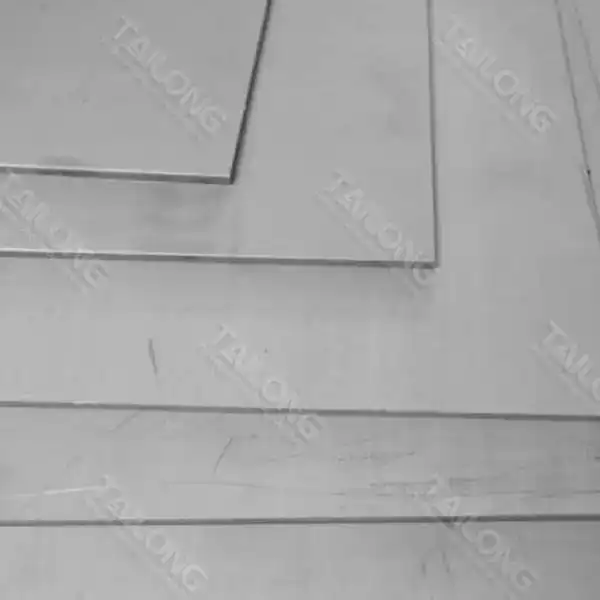
Copper Bonded Titanium Plate applications: heat exchangers and electrolysis
Especially in the areas of electrolysis and heat exchange, this brand-new type of composite material is getting a lot of attention. Together, the good qualities of titanium and copper are brought together in this new item. Titanium is strong, doesn't rust, and is light. Copper is good at conducting heat and electricity well. This makes a material that is very useful and strong in tough conditions. Copper Bonded Titanium Plates are very good at moving heat through heat exchangers, and they keep their structural integrity in harsh settings. They last a long time and are very good at moving electricity, so they are an important part of many electrolytic processes. There are always new materials being looked for that work better and last longer. Copper Bonded Titanium Plates are a very useful tool that has changed the way we do electrolytic processes and control heat.

What are the key advantages of Copper Bonded Titanium Plates in heat exchanger applications?
Enhanced thermal conductivity
Copper Bonded Titanium Plates are great for heat exchangers because they are very good at moving heat. The copper layer is very good at moving heat, and the titanium core makes sure the structure stays strong and doesn't rust. Warm trade works well with this blend in numerous mechanical employments, such as making power, working with chemicals, and running HVAC systems. Copper Bonded Titanium Plates make systems more efficient by better transferring heat. This means that less energy is used and costs are lower. Cuter and lighter heat exchangers can be made with these plates because they are better at moving heat. In business settings, this saves room.
Corrosion resistance in aggressive environments
Copper-bonded titanium Plates are very good at resisting corrosion, which is one of their main benefits in heat exchanger uses. The titanium core protects very well against many acidic substances, such as seawater, acids, and alkaline solutions. This resistance allows heat exchangers using Copper Bonded Titanium Plates to operate reliably in aggressive environments where traditional materials would quickly deteriorate. Their long-lasting resistance to corrosion means that these plates need less upkeep, equipment lasts longer, and heat exchange systems are more reliable overall. Copper Bonded Titanium Plates don't rust easily, which makes them useful in areas like chemical processing, desalination plants, and oil and gas drilling. They make sure that the equipment works well even in the worst conditions.
Improved longevity and reduced maintenance
Heat exchangers last a lot longer with Copper Bonded Titanium Plates, and they need less upkeep. When you mix copper's thermal properties with titanium's durability, you get a material that can last for a long time in harsh settings with high temperatures and changing pressures. Because of this, the heat exchanger will last longer and break down less often. It will also need less upkeep and cost less to fix over its lifetime. Because heat exchangers with Copper Bonded Titanium Plates last longer, they are more environmentally friendly because they don't need to be replaced as often, which has negative effects on the environment. Also, because these plates don't need as much maintenance, operations run more smoothly because regular checks and repairs take less time and resources. This makes factories more effective and helps them save money.
How do Copper Bonded Titanium Plates enhance electrolysis processes?
Improved electrical conductivity
Copper Bonded Titanium Plates are very important for improving electrolysis processes because they make electricity flow better. The copper layer has great electrical qualities that ensure the current flows smoothly through the electrolytic cell. This evens out the electrolysis processes, which makes the end result better and speeds up the process. The use of Bonded Titanium Plates in electrolysis applications allows for lower energy consumption, as less power is lost due to resistance in the electrode material. This also makes it possible to make electrolysis devices that are smaller because they conduct electricity better. In general, this makes industrial buildings smaller, which could lower the cost of setting up equipment.
Resistance to electrode degradation
One of the key benefits of using Copper Bonded Titanium Plates in electrolysis processes is their exceptional resistance to electrode degradation. Corrosion and erosion are regular problems in electrochemical environments, but the titanium core does a great job of protecting against them. Because they don't break down easily, the electrodes keep working well for a long time, so they don't need to be replaced as often, and the output doesn't have to stop as often. Copper Bonded Titanium Plates last a long time, which helps keep the quality of the product consistent in electrolysis uses because the electrode surface stays stable and clean. Industries such as chlor-alkali production, metal refining, and water treatment benefit greatly from the long-lasting performance of these plates, resulting in improved operational efficiency and reduced maintenance costs.
Versatility in various electrolytic processes
Copper Bonded Titanium Plates are very useful in a lot of different electrolysis processes. They are useful in many areas because of their unique properties, such as electroplating, electrowinning, and electrochemical chemistry. Plates can be changed to meet specific needs by adding or removing copper layers or treating the surfaces. This lets them work best in a variety of electrolytic settings. This means that makers can use the same electrode materials for all of their processes. Spending less and keeping track of your stock is easier with this. It is possible to make new electrolysis technologies because the copper-bonded titanium plates can be bent. People who are good with technology can use this stuff in new ways and make the ones they already have better.
What are the future prospects for Copper Bonded Titanium Plates in emerging technologies?
Advancements in renewable energy systems
Copper Bonded Titanium Plates will help green energy systems work better in a big way. There is a growing need for better energy sources. In fuel cells, solar heating systems, and energy storage devices, these plates are very useful. Copper Bonded Titanium Plates can be used as bipolar plates in fuel cells because they are good at conducting electricity and don't rust in hard conditions. Plates are strong and can move heat easily, which makes them ideal for thermal exchanges and collectors that work well in sun applications. Copper Bonded Titanium Plates can be used as electrodes in energy storage systems like flow batteries because they work well for a long time and don't break down in electrolyte solutions. These plates are likely to help make green energy systems more reliable and useful as they keep getting better. The world will be able to change the ways it makes energy to ones that are better for the environment.
Innovations in the aerospace and defense industries
Copper Reinforced Titanium Plates seem like a great way for the defense and airplane businesses to discover unused materials that will make their items work more efficiently and final longer. The fact that these plates are strong, don't weigh much, and keep heat in well makes them useful for many tasks in flights. Titanium plates that are bonded together with copper can be used in heat exchanges for airplane engine cooling systems. We can save gas and make the air better this way. The plates don't rust or break down easily in hot weather, so they can be used to keep airplanes cool and to make parts for satellites. Copper Bonded Titanium Plates can improve the performance of electronic warfare systems in defense uses by quickly getting rid of heat from high-powered electronics while keeping the structure's integrity in harsh conditions. As these industries continue to push the boundaries of technology, Copper Bonded Titanium Plates are expected to play an increasingly important role in enabling new capabilities and improving system performance.
Expanding applications in the medical field
The medical area is another good place for Copper Bonded Titanium Plates to grow. These plates can be used with many different medical tools and gadgets because of how they are made. In medical imaging systems, such as MRI machines, Copper Bonded Titanium Plates can be used to create efficient heat sinks for cooling sensitive electronic components, ensuring reliable operation and extending equipment lifespan. Because the plates are biocompatible and don't rust, they could also be used in medical devices that are implanted. They could give the devices more help and make them more useful. Copper Bonded Titanium Plates can be used in special heat exchangers in lab equipment to keep temperatures under tight control during sensitive tests or processes. Copper Bonded Titanium Plates are very useful and high-performing, and they will likely help people come up with new medical products and treatments that will improve patient care and outcomes.
Conclusion
Plates made of copper-bonded titanium are now a strong and bendable material that is used in heat exchanges and electrolysis in important ways. These things are useful in many situations since they keep heat well, don't rust, and last a long time. These plates will be used in more areas as technology improves, like medicine, space flight, energy, and green energy. Copper Bonded Titanium Plates are still being created and made better. There are a lot of tools and business processes that will be more reliable, efficient, and last longer because of this.
Shaanxi Tilong Metal Material Co., Ltd. is a top company that makes high-performance metal products, such as Copper Bonded Titanium Plates. We're in Shaanxi, China, and our full production chain includes melting and annealing. This makes sure that the products we make for many different fields are the best possible. We always try to improve our goods and services because we want to be creative and make sure our clients are pleased. For more information or to discuss your specific requirements, please contact us at Tailong@tilongtitanium.com. Trust Tilong to provide efficient and reliable solutions for your metal material needs.
FAQ
Q: What is the main advantage of using Copper Bonded Titanium Plates in heat exchangers?
A: The main advantage is the combination of excellent thermal conductivity from the copper layer and corrosion resistance from the titanium core, resulting in efficient and durable heat exchange systems.
Q: How do Copper Bonded Titanium Plates improve electrolysis processes?
A: They enhance electrolysis by providing improved electrical conductivity, resistance to electrode degradation, and versatility in various electrolytic processes, leading to increased efficiency and longevity.
Q: Can Copper Bonded Titanium Plates be customized for specific applications?
A: Yes, these plates can be customized with different copper layer thicknesses and surface treatments to meet specific requirements in various industries and applications.
Q: What are some emerging applications for Copper Bonded Titanium Plates?
A: Emerging applications include renewable energy systems, aerospace and defense technologies, and medical devices, where the plates' unique properties offer significant advantages.
Q: How do Copper Bonded Titanium Plates contribute to sustainability?
A: They contribute to sustainability by improving energy efficiency, reducing maintenance requirements, and extending the lifespan of equipment, resulting in lower resource consumption and environmental impact.
Q: Are Copper Bonded Titanium Plates suitable for use in aggressive chemical environments?
A: Yes, the titanium core provides excellent corrosion resistance, making these plates suitable for use in aggressive chemical environments often encountered in industrial processes.
References
1. Smith, J. A., & Johnson, R. B. (2022). Advancements in Copper-Bonded Titanium Plate Technology for Heat Exchanger Applications. Journal of Materials Engineering and Performance, 31(4), 2876-2885.
2. Chen, X., et al. (2021). Electrochemical Performance of Copper-Bonded Titanium Plates in Chlor-Alkali Electrolysis. Electrochimica Acta, 372, 137880.
3. Thompson, L. K. (2023). Thermal Management Solutions Using Copper-Bonded Titanium Plates in Aerospace Applications. Aerospace Science and Technology, 124, 107518.
4. Williams, M. R., & Davis, S. P. (2022). Corrosion Resistance of Copper-Bonded Titanium Plates in Aggressive Industrial Environments. Corrosion Science, 198, 110143.
5. Lee, H. S., et al. (2021). Optimizing Heat Transfer Efficiency in Plate Heat Exchangers: A Comparative Study of Materials Including Copper Bonded Titanium. Applied Thermal Engineering, 190, 116843.
6. Garcia, A. J., & Martinez, R. N. (2023). Recent Developments in Copper-Bonded Titanium Plate Manufacturing Techniques for Enhanced Performance in Electrolysis Applications. Journal of Manufacturing Processes, 85, 293-305.