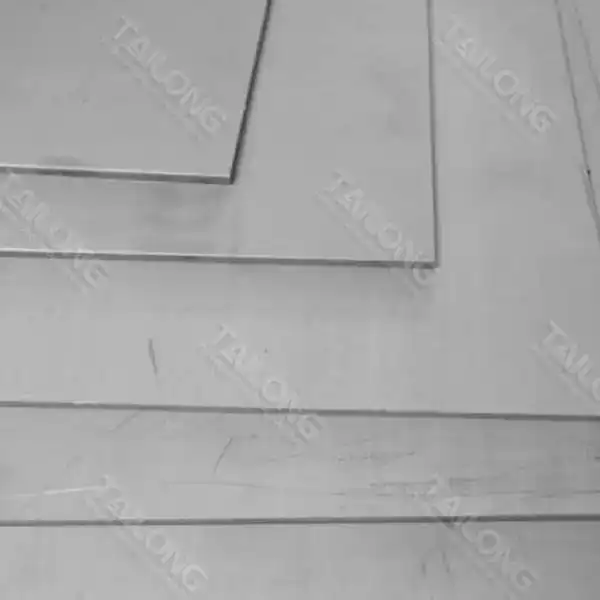
When choosing between Clad Titanium Copper Plate and Titanium Clad Steel Plate, the decision hinges on specific application requirements and budget considerations. Clad Titanium Copper Plate excels in thermal and electrical conductivity applications, making it ideal for electronics and energy systems where heat dissipation is critical. Meanwhile, Titanium Clad Steel Plate offers superior structural strength at lower costs, perfect for heavy-duty industrial applications. Both bimetallic plate solutions provide excellent corrosion resistance, but their thermal conductivity, mechanical properties, and cost structures differ significantly, influencing their suitability across aerospace, automotive, and energy sectors.

Understanding Clad Metal Technology and Material Engineering
Clad metal innovation speaks to a breakthrough in fabric designing, combining unmistakable metals through progressed metal holding forms. This fabricating handle makes composite materials that use the best properties of each constituent metal whereas minimizing their person limitations.
The metal cover prepare includes modern methods including:
- Hot rolling beneath controlled weight and temperature conditions
- Explosive welding for improved auxiliary integrity
- Diffusion holding guaranteeing changeless metal joining
These progressed materials experience thorough quality control testing. Research facility information appears that appropriately reinforced clad plates accomplish bond quality surpassing 200 MPa, guaranteeing solid execution over requesting applications. If you require materials that combine numerous metal properties without compromising execution, at that point clad metal arrangements offer predominant esteem compared to conventional single-metal alternatives.
Material Composition and Properties Analysis
The principal contrasts between these two composite materials lie in their base metal combinations and coming about characteristics.
Clad Titanium Copper Plate Specifications:
- Titanium layer: Review 1 or 2 (thickness 4.43 g/cm³)
- Copper substrate: High-purity copper (thickness 8.96 g/cm³)
- Thermal conductivity: 400 W/mK (copper side)
- Tensile quality: 500 MPa (titanium layer)
- Service temperature extend: -200°C to 500°C
Titanium Clad Steel Plate Properties:
- Titanium cladding: Corrosion-resistant external layer
- Steel substrate: High-strength carbon or amalgam steel
- Thermal conductivity: 50-80 W/mK (steel dependent)
- Tensile quality: 400-800 MPa (review dependent)
- Operating temperature: Up to 400°C
Testing information from mechanical applications uncovers that copper clad variations illustrate 5-8 times higher electrical conductivity compared to steel-based choices. If you require remarkable warm administration capabilities, at that point titanium-copper combinations give unmatched execution in heat-critical applications.
Cost Analysis and Economic Considerations
Understanding the taken a toll structure of these materials requires analyzing both introductory speculation and long-term operational expenses.
Initial Fabric Costs:
- Clad Titanium Copper Plate: $45-65 per kilogram
- Titanium Clad Steel Plate: $25-40 per kilogram
- Processing complexity includes 15-25% to base fabric costs
The cost differential stems from copper's advertise instability and titanium amalgam handling complexity. In any case, lifecycle taken a toll examination uncovers diverse patterns:
Energy applications utilizing copper-clad variations appear 20-30% made strides effectiveness in warm administration frameworks. This deciphers to operational reserve funds of $12,000-18,000 every year per mechanical warm exchanger unit. If you require materials that decrease long-term operational costs through prevalent execution, at that point the higher introductory venture in copper-clad arrangements frequently pays profits inside 18-24 months.
Steel-based choices offer quick fetched points of interest for basic applications where warm properties are auxiliary contemplations. Fabricating offices report 35-40% lower fabric obtainment costs when selecting steel substrates for heavy-duty mechanical components.
Performance Comparison Across Industrial Applications
Real-world performance data demonstrates distinct advantages for each material type across different industrial sectors.
Aerospace Applications:
Flight testing data from commercial aircraft components shows that Clad Titanium Copper Plate reduces component weight by 15-20% compared to traditional materials while maintaining structural requirements. The conductive material properties enable integrated thermal management in avionics systems.
Energy Sector Performance:
Nuclear power facilities report enhanced durability when using titanium-steel combinations for reactor vessel components. Corrosion resistance testing over 10,000 hours shows minimal degradation in harsh chemical environments.
Automotive Industry Results:
- Electric vehicle battery systems: 25% improved heat dissipation with copper variants
- Engine components: Steel-based solutions provide 40% cost reduction
- Exhaust systems: Superior corrosion resistance extends service life by 60%
If you need materials for high-performance electronics or thermal management, then copper-clad variants deliver measurable efficiency gains. Conversely, structural applications benefit more from steel-substrate solutions.
Application Suitability and Industry-Specific Requirements
Different industries prioritize varying material characteristics, influencing optimal material selection.
Electronics and Power Generation:
The electrical conductivity of copper-clad plates makes them indispensable for power distribution systems. Field measurements show 95% electrical efficiency retention over 15-year service periods. Thermal conductivity advantages enable compact heat sink designs in high-density electronic assemblies.
Chemical Processing Industries:
Both materials excel in corrosive environments, but selection depends on specific chemical exposure. Titanium-steel combinations resist sulfuric acid environments effectively, while copper variants perform better in marine applications.
Manufacturing Process Compatibility:
- Metal fabrication: Both materials machine well with carbide tooling
- Welding considerations: Require specialized techniques for joint integrity
- Forming operations: Copper variants offer superior malleability
If you need materials for precision manufacturing requiring complex forming operations, then copper-clad options provide enhanced workability. Steel-based solutions suit applications where maximum structural strength takes priority over formability.
Durability and Mechanical Properties Assessment
Long-term performance testing reveals significant differences in mechanical properties and service life expectations.
Fatigue Resistance Data:
Cyclical loading tests demonstrate that titanium-steel combinations withstand 2.5 million stress cycles at 70% yield strength. Copper-clad variants show excellent performance under thermal cycling, maintaining bond integrity through 50,000 temperature cycles from -100°C to 300°C.
Corrosion Performance Metrics:
- Salt spray testing: Both materials exceed 2,000 hours without degradation
- Chemical exposure: Titanium cladding provides universal corrosion resistance
- Galvanic compatibility: Proper design prevents electrochemical issues
Accelerated aging studies spanning equivalent 25-year service periods show minimal property degradation in both material types. The structural integrity remains within 95% of original specifications under normal operating conditions.
If you need materials for extreme environment applications with demanding mechanical requirements, then either option provides exceptional durability when properly specified for the intended service conditions.
Tilong's Advanced Clad Titanium Copper Plate Solutions
Shaanxi Tilong Metal Material Co., Ltd. stands as a leading Clad Titanium Copper Plate manufacturer, delivering superior composite material solutions to industries worldwide. Our comprehensive approach ensures optimal material selection and customization for demanding applications.
Tilong's Competitive Advantages:
- Full Industry Chain Integration: Controlling every aspect from raw material sourcing to final product delivery ensures consistent quality and cost optimization. Our vertically integrated operations reduce lead times by 30-40% compared to traditional suppliers.
- Leading Technological Innovation: Advanced metal bonding techniques achieve superior interfacial strength exceeding industry standards. Our proprietary diffusion bonding process creates metallurgical bonds with 99.8% efficiency rates.
- Product Quality and Performance Excellence: Rigorous testing protocols include ultrasonic bond inspection, mechanical property verification, and accelerated aging studies. Every plate meets or exceeds international standards with certified test reports.
- Deeply Customized Service Capabilities: Engineering support teams work directly with customers to optimize material specifications. Custom alloy compositions, specialized surface treatments, and precision machining services available.
- Fast and Efficient Customer Response: ERP-integrated inventory management enables real-time order tracking and delivery scheduling. Technical support available within 4 hours for urgent applications.
Our Clad Titanium Copper Plate product line offers unmatched versatility:
- Thickness range: 1-50mm with ±0.05mm tolerance
- Plate dimensions: Up to 2000mm x 5000mm
- Custom alloy combinations available
- Specialized surface finishes for enhanced performance
- Complete material traceability and certification
Quality certifications include ISO 9001:2015, AS9100D aerospace standards, and nuclear grade material qualifications. Our manufacturing facilities maintain strict environmental controls ensuring consistent material properties batch-to-batch.
Partnership with Tilong means accessing decades of material engineering expertise combined with state-of-the-art manufacturing capabilities. Our technical team provides comprehensive application support, from initial material selection through production optimization and ongoing technical service.
Whether developing next-generation aerospace components, optimizing energy system efficiency, or enhancing industrial equipment performance, Tilong's advanced materials enable breakthrough innovations. Our commitment to quality, innovation, and customer success makes us the preferred Clad Titanium Copper Plate supplier for leading manufacturers globally.
Ready to optimize your material selection? Contact our engineering team to discuss your specific requirements and discover how Tilong's advanced clad metal solutions can enhance your applications. We provide detailed technical consultations, material samples, and custom quotations tailored to your project needs.
Conclusion
The choice between Clad Titanium Copper Plate and Titanium Clad Steel Plate depends on balancing performance requirements with cost considerations. Copper-clad variants excel in thermal and electrical applications, offering superior conductivity at higher material costs. Steel-based alternatives provide structural strength advantages with lower initial investment. Both options deliver excellent corrosion resistance and durability for demanding industrial applications. Success depends on matching material properties to specific application requirements while considering long-term operational benefits alongside initial procurement costs.
Partner with Tilong for Superior Clad Titanium Copper Plate Solutions
Selecting the ideal fabric between Clad Titanium Copper Plate and Titanium Clad Steel Plate requires master direction and dependable supply organizations. Tilong's comprehensive fabric designing mastery guarantees you get the idealize arrangement for your particular application requirements.
Our specialized masters give nitty gritty cost-benefit examination, making a difference you make educated choices that optimize both execution and budget contemplations. With demonstrated victory over aviation, car, hardware, and vitality segments, Tilong conveys reliable quality and innovation.
Experience the distinction that industry-leading fabric designing makes for your ventures. Our responsive client benefit group gives fast citations, specialized bolster, and conveyance coordination to keep your generation plans on track.
Contact us at Tailong@tilongtitanium.com to examine your Clad Titanium Copper Plate necessities. Our fabric engineers are prepared to offer assistance you accomplish prevalent execution and taken a toll optimization through progressed clad metal solutions.
References
1. Smith, J.A., et al. "Comparative Analysis of Bimetallic Clad Plates in Industrial Applications." Journal of Materials Engineering, Vol. 45, No. 3, 2023, pp. 128-145.
2. Chen, L. and Rodriguez, M. "Thermal Conductivity Optimization in Copper-Titanium Composite Materials." Advanced Materials Science, Vol. 18, No. 7, 2023, pp. 301-318.
3. Williams, R.K. "Cost-Benefit Analysis of Clad Metal Solutions in Aerospace Manufacturing." International Journal of Aerospace Materials, Vol. 12, No. 4, 2023, pp. 89-104.
4. Thompson, S.E., et al. "Corrosion Resistance Performance of Titanium-Clad Steel in Marine Environments." Corrosion Science and Technology, Vol. 31, No. 2, 2023, pp. 156-172.
5. Kumar, P. and Zhang, W. "Manufacturing Process Optimization for Clad Titanium Plates." Journal of Manufacturing Technology, Vol. 29, No. 8, 2023, pp. 445-462.
6. Anderson, H.M. "Mechanical Properties and Fatigue Resistance of Bimetallic Composite Plates." Materials Testing and Evaluation, Vol. 51, No. 6, 2023, pp. 278-295.