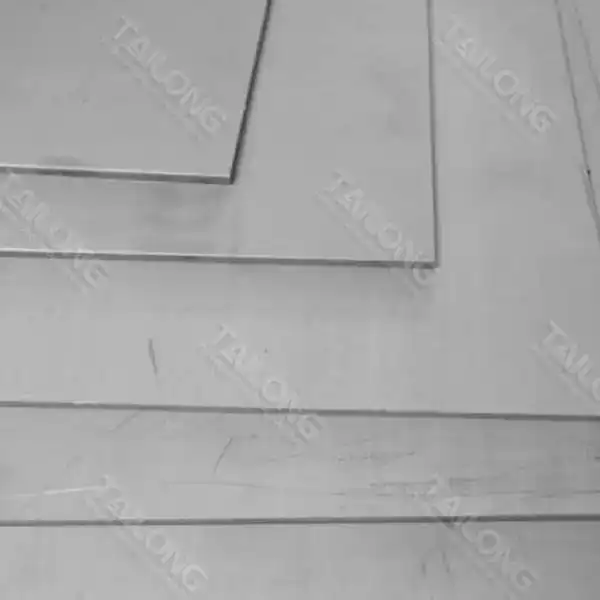
Finding the right clad titanium copper plate solutions requires understanding complex engineering requirements across aerospace, automotive, electronics, and energy sectors. These specialized bimetallic plates combine titanium's exceptional corrosion resistance with copper's superior thermal conductivity, creating composite materials that excel in demanding industrial applications. The global market for these advanced metallurgical solutions continues expanding as manufacturers seek lightweight strength and enhanced performance in extreme environments.

Why Clad Titanium Copper Plates Are Essential for Modern Industry?
Industrial producers confront expanding weight to optimize execution whereas lessening costs and weight. Conventional single-metal arrangements regularly drop brief when managing with extraordinary temperatures, destructive situations, or requesting electrical applications. Clad titanium copper plates address these challenges through shrewdly fabric plan that leverages each metal's strengths.
The aviation industry especially benefits from these composite materials due to their extraordinary strength-to-weight proportion. Atomic vitality applications require materials that keep up auxiliary judgment beneath radiation and extraordinary temperatures. Car producers require components that stand up to erosion whereas giving amazing warm conductivity for progressed impetus systems.
These bimetallic plates offer taken a toll proficiency compared to strong titanium options whereas conveying predominant execution to standard copper arrangements. The metal holding prepare makes an interface layer that guarantees solid execution over assorted mechanical applications.
Selection Criteria for Superior Clad Titanium Copper Plates
Our assessment handle centers on basic execution markers that matter most to acquirement supervisors and R&D engineers. Fabric toughness stands as the essential thought, especially how well the interface layer keeps up astuteness beneath warm cycling and mechanical stress.
Manufacturing innovation capabilities decide customization potential and quality consistency. We evaluate welding methods, surface treatment alternatives, and metallurgical handle advancement. Providers must illustrate progressed quality control frameworks and adherence to universal standards.
Cost proficiency includes both starting speculation and long-term operational benefits. The best arrangements give ideal price-performance proportions whereas advertising solid supply chain administration. Building fabric details must adjust with particular application prerequisites over temperature ranges and natural conditions.
Customer back and specialized ability altogether affect extend victory. Driving providers give comprehensive designing discussion, fast prototyping capabilities, and responsive client benefit mechanisms.
Top 6 Clad Titanium Copper Plate Solutions
Tilong Premium Grade Clad Titanium Copper Plates
Shaanxi Tilong Metal Fabric Co., Ltd. conveys industry-leading clad titanium copper plates built for requesting mechanical applications. Our progressed fabricating innovation guarantees reliable quality over all item measurements, from 100mm x 100mm to 2000mm x 5000mm configurations.
Key details include:
- Material composition: Review 1/2 Titanium with high-purity copper
- Thickness run: 1mm to 50mm with custom options
- Service temperature: -200°C to 500°C
- Exceptional erosion resistance in seawater environments
- Superior warm conductivity: 400 W/mK copper layer
Our metallurgical handle makes a strong interface layer that keeps up auxiliary judgment beneath extraordinary conditions. The composite fabric offers amazing mechanical properties with titanium's 500 MPa pliable quality complementing copper's warm administration capabilities.
Quality control measures incorporate comprehensive testing conventions and certification compliance. Each plate experiences thorough assessment to guarantee ideal combination combination execution. Our ERP-enabled requesting framework streamlines obtainment forms for productive coordinations management.
Customization capabilities expand past standard measurements to incorporate specialized surface medicines and special thickness arrangements. This adaptability bolsters differing designing necessities over aviation, atomic vitality, and progressed hardware applications.
Aerospace-Grade Titanium Copper Composite Plates
Specialized aviation applications request materials that perform dependably beneath extraordinary stretch and temperature varieties. These composite plates include upgraded metal holding innovation that guarantees reliable execution all through operational lifecycles.
Technical focal points include:
- Lightweight quality optimization for flying machine components
- Enhanced electrical conductivity for flying systems
- Thermal development compatibility with aluminum structures
- Corrosion resistance surpassing marine-grade standards
- Precision fabricating resiliences for basic assemblies
The fabricating handle joins progressed welding methods that make consistent moves between titanium and copper layers. This approach dispenses with potential disappointment focuses whereas maximizing warm conductivity benefits.
Quality certifications incorporate AS9100 aviation measures and NADCAP accreditation for specialized forms. Fabric traceability frameworks guarantee total documentation for administrative compliance requirements.
These plates exceed expectations in applications requiring both warm administration and auxiliary astuteness, such as warm exchangers, electronic lodgings, and impetus framework components. The bimetallic plan diminishes generally framework weight whereas progressing operational efficiency.
Nuclear-Grade Clad Titanium Copper Solutions
Nuclear vitality applications require materials that keep up execution beneath radiation presentation and extraordinary temperature vacillations. These specialized plates experience extra handling to guarantee compatibility with atomic security standards.
Core details include:
- Radiation-resistant fabric composition
- Enhanced erosion resistance for coolant systems
- Structural keenness beneath warm cycling
- Low neutron retention characteristics
- Compliant with ASME atomic codes
The metallurgical handle joins specialized warm treatment cycles that optimize grain structure for atomic situations. Quality affirmation incorporates neutron enactment examination and comprehensive mechanical testing protocols.
These composite materials back basic atomic framework components counting warm exchangers, control frameworks, and cooling circle congregations. The titanium layer gives remarkable erosion resistance whereas copper guarantees effective warm transfer.
Manufacturing innovation incorporates progressed surface treatment choices that improve execution in high-radiation situations. Each plate gets person certification documentation for atomic quality confirmation programs.
Automotive High-Performance Titanium Copper Plates
Modern car applications progressively request materials that back zap whereas keeping up conventional execution prerequisites. These plates combine lightweight plan with prevalent electrical and warm conductivity.
Performance characteristics include:
- Optimized for electric vehicle warm management
- Corrosion resistance for marine and off-road applications
- Excellent shaping characteristics for complex geometries
- Cost-efficient elective to strong titanium components
- Compatible with car fabricating processes
The designing fabric plan underpins both conventional combustion motors and progressed electric drive frameworks. Warm conductivity properties empower effective warm administration in battery frameworks and control electronics.
Quality guidelines incorporate TS16949 car certification and comprehensive natural testing conventions. Fabric solidness testing includes salt splash introduction, warm cycling, and mechanical push evaluation.
These arrangements especially advantage half breed and electric vehicle producers requiring lightweight components with great warm execution. The composite structure diminishes by and large vehicle weight whereas moving forward vitality efficiency.
Electronics Industry Precision Clad Plates
Electronic applications require exact dimensional control and fabulous electrical properties. These specialized plates meet rigid prerequisites for semiconductor fabricating and progressed hardware assemblies.
Technical determinations include:
- Ultra-precise thickness tolerances
- Superior electrical conductivity characteristics
- Minimal warm extension coefficients
- Enhanced surface wrap up options
- Compatibility with semiconductor processes
Manufacturing innovation consolidates progressed surface treatment strategies that optimize electrical properties whereas keeping up mechanical keenness. The interface layer plan guarantees dependable execution in high-frequency applications.
Quality control measures incorporate electrical testing conventions and dimensional confirmation utilizing arrange measuring frameworks. Fabric composition examination guarantees steady copper virtue levels and titanium review specifications.
These plates back assorted gadgets applications counting warm sinks, electromagnetic protecting, and accuracy electronic lodgings. The bimetallic plan gives ideal warm administration whereas keeping up electrical execution requirements.
Energy Sector Specialized Composite Plates
Renewable energy applications require materials that withstand environmental exposure while maintaining operational efficiency. These plates support wind, solar, and geothermal energy systems with enhanced durability characteristics.
Key advantages include:
- Enhanced weather resistance for outdoor applications
- Optimized thermal properties for energy conversion systems
- Lightweight design for reduced structural loading
- Excellent fatigue resistance for dynamic applications
- Cost-effective lifecycle performance
The composite material design addresses specific challenges in renewable energy applications, including thermal cycling, environmental corrosion, and mechanical fatigue. Advanced alloy combinations optimize performance for specific energy sector requirements.
Manufacturing processes include specialized welding techniques that ensure reliable performance in outdoor environments. Quality assurance encompasses accelerated weathering tests and long-term performance validation.
These solutions particularly benefit solar thermal systems, wind turbine components, and geothermal heat exchangers where thermal conductivity and corrosion resistance are critical performance factors.
Global Market Characteristics and Considerations
The worldwide market for clad titanium copper plates exhibits strong growth driven by aerospace modernization and renewable energy expansion. Regional preferences vary significantly based on local manufacturing capabilities and regulatory requirements.
North American markets emphasize aerospace and defense applications with stringent quality standards. European manufacturers focus on automotive and renewable energy applications with emphasis on environmental compliance. Asian markets drive electronics and industrial applications with competitive pricing pressures.
Regulatory considerations include REACH compliance in Europe, conflict minerals requirements in North America, and quality certifications across all major markets. Supply chain management becomes increasingly critical as manufacturers seek reliable global suppliers.
Cultural preferences impact business relationships, with some regions prioritizing long-term partnerships while others focus on competitive bidding processes. Understanding these dynamics helps optimize supplier selection and relationship management strategies.
Purchasing Recommendations and Considerations
Successful procurement requires comprehensive evaluation of technical specifications, supplier capabilities, and long-term partnership potential. Material durability testing should include application-specific environmental conditions and operational stress levels.
Quality assurance programs must align with industry standards and regulatory requirements. Supplier audits should evaluate manufacturing technology, quality control systems, and customer support capabilities. Documentation requirements vary by industry and application criticality.
Cost analysis should encompass total lifecycle costs including material performance, maintenance requirements, and replacement schedules. The lowest initial price rarely provides optimal long-term value for critical applications.
Supply chain considerations include backup supplier identification, inventory management strategies, and logistics coordination. Global sourcing requires careful evaluation of trade regulations, shipping costs, and delivery reliability.
Industry Trends and Summary
Advanced manufacturing technology continues driving improvements in clad titanium copper plate quality and cost efficiency. Additive manufacturing techniques show promise for complex geometries and rapid prototyping applications. Sustainability considerations increasingly influence material selection decisions across all industrial sectors. The growing emphasis on circular economy principles encourages material recycling and lifecycle optimization. Digital supply chain management tools enhance procurement efficiency and supplier relationship management capabilities.
Conclusion
Selecting the optimal clad titanium copper plate solution requires careful evaluation of technical specifications, supplier capabilities, and long-term performance requirements. The six solutions presented offer diverse approaches to meeting critical industrial needs across aerospace, automotive, electronics, and energy sectors. Understanding global market characteristics and regulatory requirements ensures successful procurement strategies.
Quality suppliers like Tilong provide comprehensive support from initial consultation through ongoing technical assistance. Advanced manufacturing technology and customization capabilities enable solutions that optimize performance while managing costs effectively. The future of industrial materials increasingly favors sophisticated composite designs that leverage multiple material advantages simultaneously.
FAQ
Q: What are the main advantages of clad titanium copper plates over single-metal alternatives?
A: Clad titanium copper plates combine titanium's exceptional corrosion resistance and strength with copper's superior thermal and electrical conductivity. This composite design provides cost-efficient performance compared to solid titanium while offering enhanced capabilities beyond standard copper solutions. The bimetallic structure optimizes weight reduction and thermal management simultaneously.
Q: How do manufacturing tolerances affect performance in critical applications?
A: Precision manufacturing tolerances ensure consistent interface layer integrity and dimensional accuracy critical for aerospace and electronics applications. Tilong maintains strict quality control with thickness variations within ±0.1mm and surface finish specifications that support demanding assembly requirements. Our advanced metallurgical processes create reliable metal bonding that maintains performance under extreme conditions.
Q: What customization options are available for specific industrial applications?
A: Tilong offers extensive customization including thickness ranges from 1mm to 50mm, dimensions up to 2000mm x 5000mm, various surface treatments, and specialized alloy combinations. Our engineering team works closely with customers to optimize material composition, thermal expansion characteristics, and mechanical properties for specific application requirements across diverse industries.
Partner with Tilong for Superior Clad Titanium Copper Plate Solutions
Tilong stands ready to support your most demanding industrial applications with our comprehensive range of clad titanium copper plate solutions. Our full industry chain integration ensures consistent quality from raw material selection through final delivery. Leading technological innovation capabilities enable us to develop customized solutions that meet your specific performance requirements.
Our product quality and performance advantages stem from decades of metallurgical expertise and advanced manufacturing technology. We provide deeply customized service capabilities that address unique engineering challenges across aerospace, automotive, electronics, and energy sectors. Our fast and efficient customer response mechanism ensures your projects stay on schedule.
As a trusted clad titanium copper plate manufacturer, we combine competitive pricing with unmatched quality standards. Our ERP-enabled ordering system streamlines procurement processes while our technical expertise supports your engineering teams throughout project development.
Ready to explore how our advanced composite materials can enhance your next project? Contact us at Tailong@tilongtitanium.com to discuss your specific requirements and discover why leading manufacturers worldwide choose Tilong for their critical material needs.