- English
- French
- German
- Portuguese
- Spanish
- Russian
- Japanese
- Korean
- Arabic
- Greek
- German
- Turkish
- Italian
- Danish
- Romanian
- Indonesian
- Czech
- Afrikaans
- Swedish
- Polish
- Basque
- Catalan
- China
- Taiwan China
- Esperanto
- Hindi
- Lao
- Albanian
- Amharic
- Armenian
- Azerbaijani
- Belarusian
- Bengali
- Bosnian
- Bulgarian
- Cebuano
- Chichewa
- Corsican
- Croatian
- Dutch
- Estonian
- Filipino
- Finnish
- Frisian
- Galician
- Georgian
- Gujarati
- Haitian
- Hausa
- Hawaiian
- Hebrew
- Hmong
- Hungarian
- Icelandic
- Igbo
- Javanese
- Kannada
- Kazakh
- Khmer
- Kurdish
- Kyrgyz
- Latin
- Latvian
- Lithuanian
- Luxembou..
- Macedonian
- Malagasy
- Malay
- Malayalam
- Maltese
- Maori
- Marathi
- Mongolian
- Burmese
- Nepali
- Norwegian
- Pashto
- Persian
- Punjabi
- Serbian
- Sesotho
- Sinhala
- Slovak
- Slovenian
- Somali
- Samoan
- Scots Gaelic
- Shona
- Sindhi
- Sundanese
- Swahili
- Tajik
- Tamil
- Telugu
- Thai
- Ukrainian
- Urdu
- Uzbek
- Vietnamese
- Welsh
- Xhosa
- Yiddish
- Yoruba
- Zulu
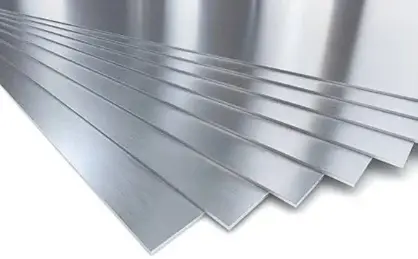
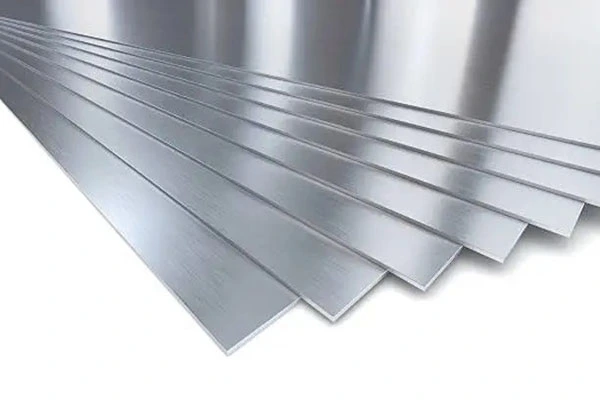
Nickel-Titanium Alloy Plate ASTM Standard
Thickness:≥3.0 mm (Customizable)
Width:≤ 1000 mm (standard), customizable up to 1200 mm
Length:≤ 3000 mm (standard), customizable up to 6000 mm
Shape memory alloy with excellent elasticity and durability
Corrosion-resistant nickel-titanium plate for versatile applications
Biocompatible material suitable for medical-grade applications
Nickel-Titanium Alloy Plate ASTM Standard
I. Product Introduction:
Nickel-Titanium (Ni-Ti) alloy plates, which are manufactured and tested in compliance with ASTM, represent a premier class of shape memory and super-elastic metallic materials. These plates leverage the unique ability of Ni-Ti alloys to recover their original shape upon heating (Shape Memory Effect) or upon the removal of stress (Super-elasticity). Produced to precise dimensional and chemical specifications, they are engineered for high-performance applications demanding exceptional fatigue resistance, ductility, and bio-compatibility.
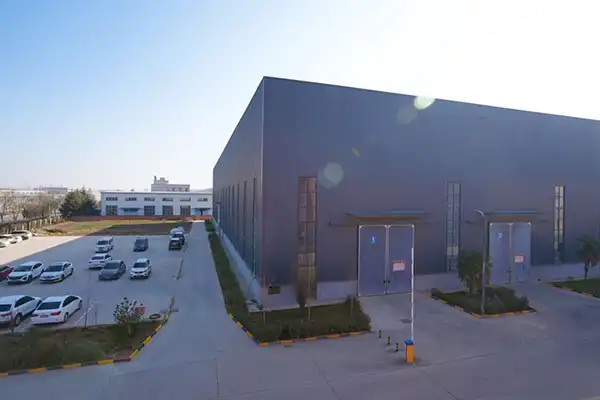
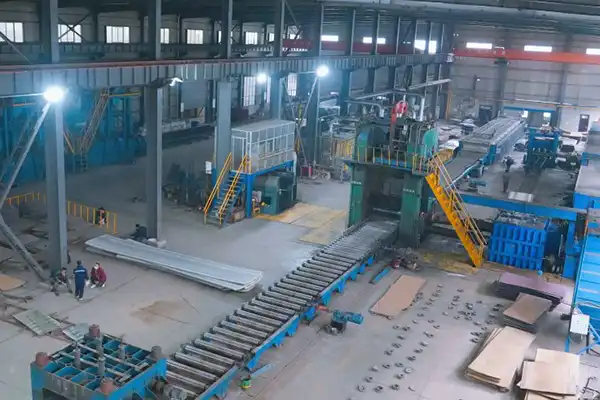
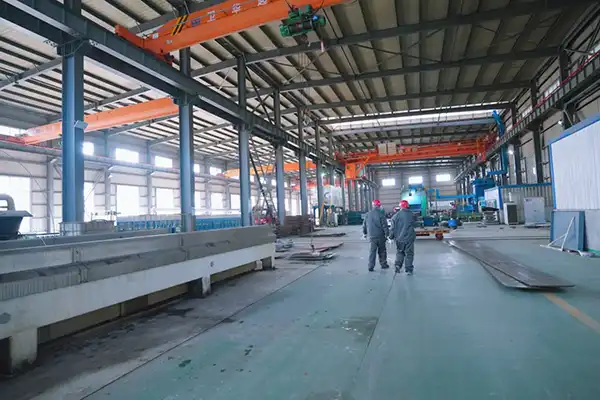
We Shaanxi Tilong Metal Material Co., Ltd. offer high-quality Nickel-Titanium alloy plates that meet international standards, ensuring precision and durability for your critical applications. Our products are manufactured using cutting-edge technology and undergo rigorous quality control processes to deliver optimal performance.
II. Identity & Composition:
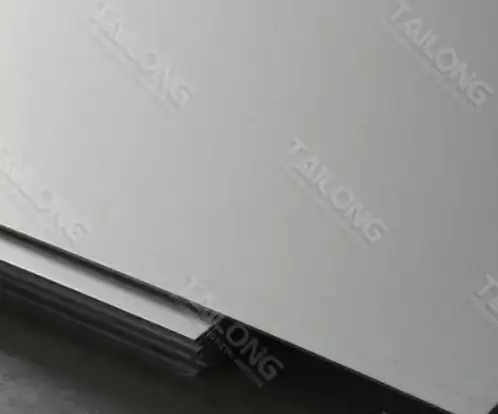
1. Identity: This product is a wrought Nickel-Titanium (Ni-Ti) alloy plate, also commercially known as Nitinol, manufactured in full compliance with relevant ASTM International standards. The alloy's defining characteristic is its composition of Nickel and Titanium, which enables its unique functional properties of Super-elasticity and the Shape Memory Effect.
2. Core Value Proposition: Guaranteed ASTM Compliance:
Our Ni-Ti plates are produced under a stringent quality management system to meet or exceed the requirements of key ASTM standards. This ensures consistency, reliability, and traceability for critical applications. Compliance is verified through certified Material Test Reports (MTRS) with each shipment.
III. Key Technical Specifications:
| Parameter | Specification |
| Product Name | Nickel-Titanium Alloy Plate ASTM Standard |
| Standard | ASTM F2063 / ASTM B265 |
| Grade | Ni-Ti Shape Memory Alloy (Nitinol), commonly 55 wt% Ni – 45 wt% Ti |
| Form | Hot Rolled / Cold Rolled / Annealed / Pickled |
| Application | Aerospace, Biomedical Devices, Robotics, Precision Instrumentation |
| Thickness Range | ≥3.0 mm(Customizable) |
| Width Range | ≤ 1000 mm (standard), customizable up to 1200 mm |
| Length Range | ≤ 3000 mm (standard), customizable up to 6000 mm |
| Surface Finish | Bright / Pickled / Ground / Polished |
| Shape Memory Behavior | Superelasticity or Thermoelastic (upon request) |
| Transformation Temp. Range | Af: -20°C to +110°C (adjustable per application) |
| Mechanical Properties | UTS ≥ 895 MPa, Elongation ≥ 10% (depends on Af and condition) |
| Density | 6.45 g/cm³ |
| Hardness | HRC 20 – 40 (varies with condition and treatment) |
| Corrosion Resistance | Excellent in physiological and neutral environments |
| Flatness Tolerance | ≤ 3 mm/m standard (tighter tolerances available upon request) |
| Edge Condition | Slit Edge / Mill Edge / Deburred |
| Packaging | Vacuum packed or PE film with wooden cases or steel pallets |
| Certification | ASTM F2063, ISO 13485, ISO 9001, EN 10204 3.1 available |
| Customization | Custom Af temperature, thickness, edge profile, and mechanical properties |
| Inspection | 100% visually inspected, ultrasonic & eddy current test optional |
Custom sizes and specifications are available upon request.
|
 |
|
|
|
|


IV. Material Characteristics & Properties (per ASTM F2063):
1. Functional Properties:
Superelasticity: Exhibits a stress-induced martensitic transformation, allowing for extremely large, recoverable strains (typically 6-8%).
Shape Memory Effect: Can be deformed at a lower temperature and will recover its pre-programmed shape when heated above its Austenite finish (Af) temperature.
2. Mechanical Properties (Typical Ranges):
Ultimate Tensile Strength: 750 - 1100 MPa
Superelastic Plateau Stress: 400 - 700 MPa (dependent on Af temperature and strain)
Elongation at Break: 15% - 25% (for austenitic material)
3. Physical Properties:
Excellent Fatigue Resistance
Good Corrosion Resistance
Biocompatible (for grades intended for medical use)
High Damping Capacity
V. Processing Guidelines
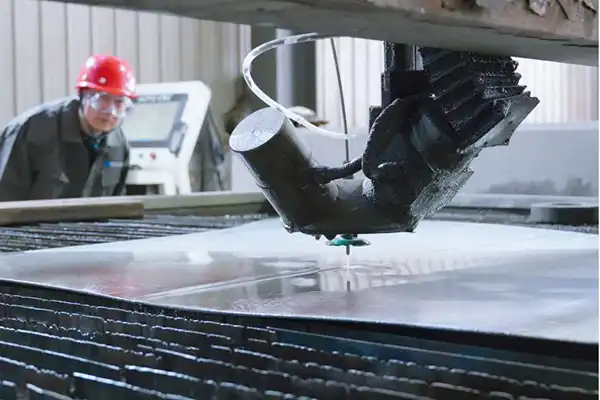
1. Machining: Requires low-stress methods (EDM, laser cutting, abrasive waterjet). Conventional machining is challenging due to extreme work-hardening and toughness.
2. Forming: Can be formed in its martensitic state (softer) and then shape-set by constrained aging heat treatment.
3. Heat Treatment: Critical for setting shape memory/superelastic properties and transformation temperatures. Must be performed in a controlled, inert, or vacuum atmosphere to prevent oxidation and TiC formation.
4. Joining: Possible via laser welding, electron beam welding, or specialized brazing/soldering techniques with appropriate filler materials.
VI. Available Product Forms & Specifications:
1. Grades: Supplied in both Superelastic (SE) and Shape Memory (SM) grades, defined by their Austenite finish temperature (Af). Common tempers include SE508 (Af ~ -5°C to +15°C) and SM495 (Af ~ +45°C to +65°C).
2.Surface Condition: Hot-rolled, cold-rolled/annealed, pickled, centerless ground, or electropolished (for medical devices).
3. Condition: Solution Annealed, or as specified for further customer processing.
VII. Primary Application Industries:
1. Medical & Surgical: Vascular stents, orthopedic implants (bone plates, spinal rods), guidewires, orthodontic archwires, surgical staples, and minimally invasive surgical instruments.
2. Aerospace & Defense: Deployable structures, morphing wings, hydraulic line couplings, and silent release mechanisms.
3. Automotive: Advanced actuators, vibration dampeners, and thermal management valves.
4. Robotics & Automation: Biomimetic actuators, flexible grippers, and safety-release mechanisms.
5. Consumer Electronics: Antenna components, camera module actuators, and eyeglass frames.
6. Industrial: Pipe couplings for high-reliability applications, fluid control valves, and thermal actuators.
VIII. Product Features
-
Shape Memory Effect: Nickel-Titanium alloy plates exhibit a unique property known as the shape memory effect. They can revert to their original shape after deformation when heated, making them indispensable in various specialized applications.
-
Corrosion Resistance: These alloys offer excellent resistance to corrosion, making them ideal for harsh environments such as marine and chemical industries.
-
High Strength-to-Weight Ratio: With superior strength and lightweight properties, these alloys are used in aerospace and automotive sectors to reduce weight without compromising on strength.
-
Thermal Stability: Nickel-Titanium alloys are capable of withstanding high temperatures, making them suitable for use in engines, turbines, and other high-performance systems.
-
Biocompatibility: Often used in medical devices due to their biocompatibility, Nickel-Titanium alloys are ideal for implants and prosthetics.
IV. Why Choose Us?
- High-Quality Standards: Our Nickel-Titanium alloy plates meet ASTM F2063 standards, ensuring that you receive products that meet the highest quality and reliability.
- Experienced Manufacturer: With over a decade of experience in the metal materials industry, we understand the demands of high-performance applications and deliver products that meet or exceed industry standards.
- Precision Manufacturing: Our state-of-the-art manufacturing processes ensure precision and consistency in every plate we produce.
- Timely Delivery: We understand the importance of meeting deadlines, particularly in industries like aerospace and automotive. Our efficient supply chain ensures that your orders are delivered on time.
- Customer-Centric Approach: We prioritize long-term relationships with our customers, providing not just products but tailored solutions to meet specific requirements.
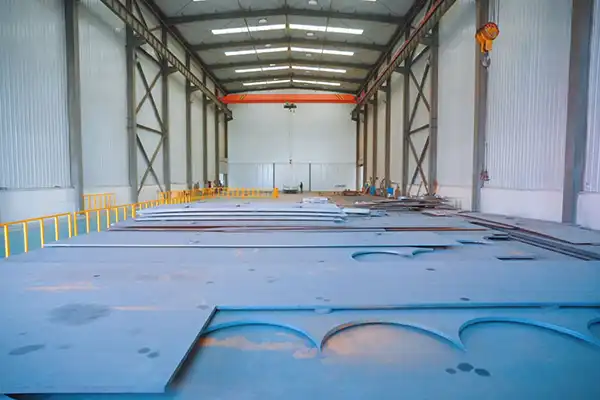
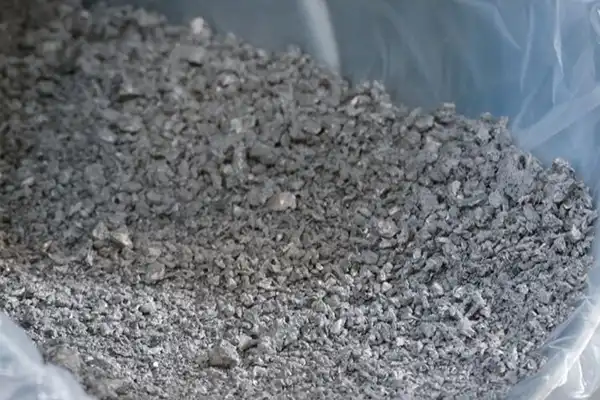
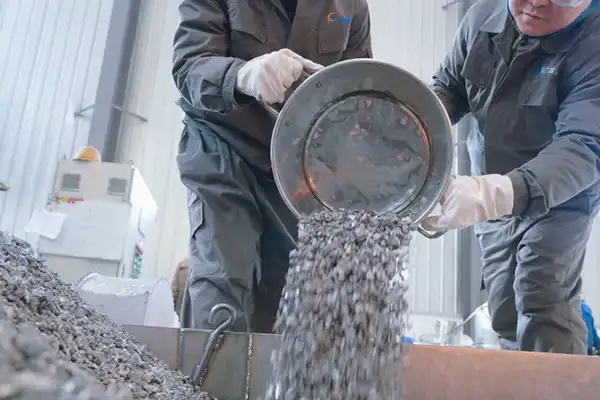
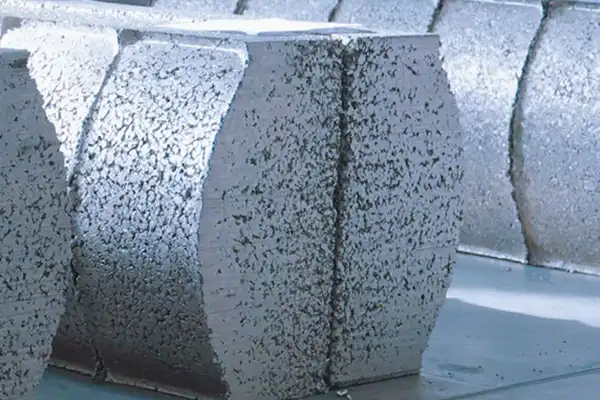
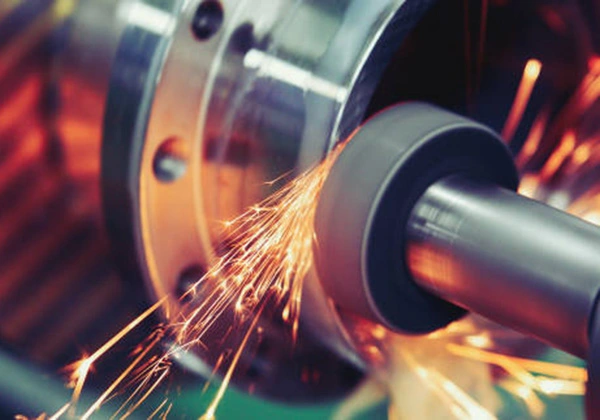
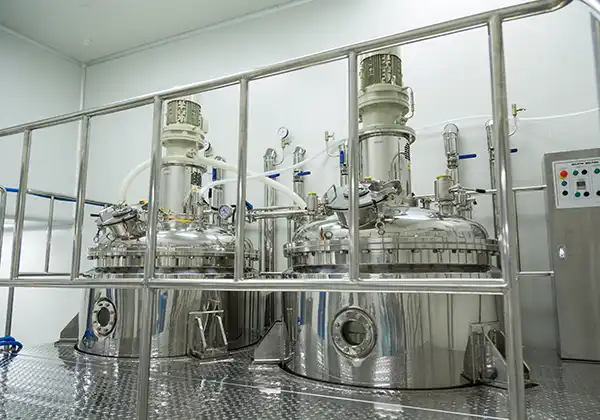
Factory Show


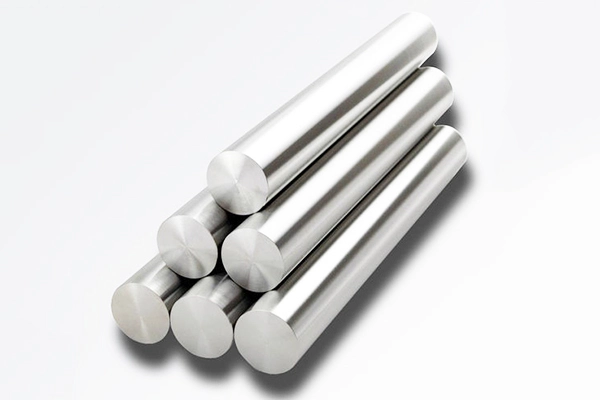
Main Products
Application Areas


OEM Services
Shaanxi Tilong Metal Material Co., Ltd. provides comprehensive OEM services to meet the diverse needs of our customers. Whether you require custom sizes, specific alloy compositions, or unique processing treatments, we are equipped to fulfill all your requirements. Our team works closely with you to ensure that the products meet your exact specifications, ensuring optimal performance in your applications.
Frequently Asked Questions (FAQs)
-
What industries use Nickel-Titanium alloy plates?
- Nickel-Titanium alloy plates are used in aerospace, automotive, electronics, energy, and medical industries, among others.
-
Can you provide custom sizes for Nickel-Titanium alloy plates?
- Yes, we offer customized sizes based on your specific requirements. Please reach out to discuss your needs.
-
What is the delivery time for custom orders?
- Our typical delivery time is 4 to 6 weeks for custom orders, depending on the complexity of the request.
-
Are your products certified?
- Yes, our Nickel-Titanium alloy plates conform to ASTM F2063 standards and undergo rigorous quality control to ensure compliance with international standards.
-
How do I place an order?
- You can easily place an order by contacting us directly through our website or by email. Our customer service team will assist you throughout the process.